


 Zobraziť v interiéri
 Odoslať
 Zdieľať
 Podrobnosti
 Príručkovo

 Stiahnuť
 Podobné položky
 RTG skúška
 Prehliadanie diapo\]
 Štatistiky
St Jerome and St Augustine (detail)


 Prečítať si viac
Giclée / Umenotlač
Giclée tlač alebo plátno múzeálnej kvality s rýchlou výrobou a rôznymi možnosťami povrchovej úpravy. ( Objednať ručne maľovanú reprodukciu Prepnúť na digitálnu verziu obrazu)




P118B $10

P118H $10

P118W $10

P438Z $10

P508JH $12

P508YH $12

P805H $10

P805Z $10

P919BZ $10

P919G $10

P919XJ $10

P959ZH $10

P968JZ $12

W106C $8

W218G $10

W218JH $8

W218Y $10

W307PJ $10

W316G $10

W316PJ $8

W316Y $10

W398PJ $8

W4111J $10

W500HY $15

W500JH $15

W692G $12

W849H $8

W940BG $15

W953PJ $8




Vyberte si z našich preddefinovaných rozmerov, ktoré zodpovedajú pôvodným pomeroḿ diela.

Môžete zadať vlastné rozmery, aby sa reprodukcia prispôsobila konkrétnemu rámu alebo priestoru. Ak zvolená veľkosť nebude zodpovedať proporciám originálu, dielo buď orežeme, alebo obraz rozšírime pomocou zrkadlenia či farebného doplnenia okrajov. Pred začatím výroby vám pošleme digitálnu ukážku na schválenie.
Máte na vedomí, že náhľad na obrazovke neodzrkadľuje skutočné orezanie alebo rozšírenie. Len digitálna ukážka presne zobrazí finálnu kompozíciu.
Hoci sú k dispozícii vlastné rozmery, pre zachovanie pôvodných proporcií odporúčame vybrať si rozmer z vopred definovaného zoznamu.
Celosvetová doprava () do 2 týždňov namiesto štandardných 4 až 5 týždňov. (21 september)

Bezplatná expresná doprava po celom svete

Vysokokvalitné lnianske plátno

Úplné poistenie prepravy

Záruka vrátenia colného poplatku

Záruka presného farebného zhodnutia

100-dená politika vrátenia tovaru (iba pri vadách)

100% záruka vrátenia peňazí

Ponuka množstevnej zľavy
 Možnosť skla je dostupná len pri rozmeroch pod 110 cm

St Jerome and St Augustine (detail)
Giclée / Umenotlač
Veľkosť reprodukcie
-


Celková cena
$ 62
A Renaissance Dialogue of Faith and Wisdom
Carlo Crivelli’s “St. Jerome and St. Augustine,” painted around 1490, isn't merely a depiction of two revered figures; it’s a carefully constructed tableau of intellectual and spiritual contemplation, steeped in the late Gothic sensibilities of Renaissance Venice. The painting immediately draws the eye with its rich palette – deep reds and browns dominate, creating an atmosphere of solemnity and introspection, punctuated by the shimmering gold of the background and the vibrant hues of the garments. Crivelli masterfully employs a technique that balances meticulous detail with a sense of ethereal beauty, characteristic of his style which he developed after leaving Venice.
The composition is strikingly intimate, framing the two saints within a shallow space that invites close observation. Jerome, identifiable by his lion skin and quill pen, sits in deep thought, seemingly lost in prayer or contemplation. His posture exudes quiet intensity, while Augustine, clad in the robes of a bishop, gestures with an open book – a potent symbol of knowledge and divine revelation. The miniature architectural model at Augustine’s feet isn't simply decorative; it represents the power and authority of the papacy, subtly reinforcing the theme of earthly and spiritual governance. The inclusion of the lion, a recurring motif in Crivelli’s work, adds an element of primal instinct and strength to the scene, grounding the intellectual pursuits of the saints within the realm of human experience.
Craftsmanship and Venetian Influence
Crivelli's mastery lies not only in his subject matter but also in his technical execution. The painting is executed in tempera on wood, a medium favored by artists during this period for its luminosity and ability to achieve fine detail. Notice the layering of glazes – thin washes of color applied over dry layers – that create depth and richness in the fabrics and textures. The artist’s attention to detail is remarkable; from the intricate folds of the robes to the delicate rendering of Jerome's beard, every element contributes to a sense of realism and immediacy. The use of *trompe-l'oeil* techniques—the illusion of three-dimensionality—is particularly evident in the miniature building, which seems to leap out from the surface of the panel.
Crivelli’s Venetian training is undeniable, yet he forged a distinct style that set him apart from his contemporaries. While influenced by the meticulous realism of artists like Squarcione and the decorative elegance of Vivarini, Crivelli infused his work with a greater sense of emotional intensity and psychological depth. This painting exemplifies this shift – it’s not just a portrait of two saints; it's an exploration of their inner lives and the profound questions they grappled with.
Symbolism and Spiritual Resonance
Beyond the immediate depiction of Jerome and Augustine, the painting is laden with symbolic meaning. Jerome, traditionally associated with writing and contemplation, represents the pursuit of wisdom through scripture. Augustine, a pivotal figure in Christian theology, embodies faith, reason, and the struggle to reconcile divine revelation with human experience. The presence of the lion symbolizes strength and vigilance, while the open book signifies the importance of knowledge and learning. The overall composition suggests a dialogue between these two figures – a conversation between intellect and spirituality, earthly authority and divine grace.
Considered within the context of 1490s Venice, a city grappling with political upheaval and religious reform, “St. Jerome and St. Augustine” offers a poignant reflection on the challenges of navigating faith and reason in a turbulent world. It’s a testament to Crivelli's skill as an artist and his ability to capture the complexities of human experience within a framework of profound spiritual significance. Reproductions of this work continue to resonate with viewers today, offering a glimpse into the artistic and intellectual currents of the Renaissance.
Súvisiace diela


Biografia umelca
raný život a vzdelanie
Tento taliansky renesančný maliar, Carlo Crivelli, sa narodil vo Venecii niekde okolo rokov 1430 až 1435. Pochádzal z umeleckej rodiny a svoju umeleckú formáciu si získal v mestách Venezia a Padua. Verí sa, že jeho rané výučbu vedl Jacobello del Fiore, ktorý bol aktívny ešte v roku 1436. Svoje vedomosti však dopĺňal aj štúdiom v škole rodiny Vivarini vo Venecii.
kariéra a štýl
Svoje rané roky strávil v regióne Veneto, kde neskoršie svedomie vstrebával vplyvy od majstrov ako Vivarini, Squarcione a Mantegna. Už v roku 1458 opustil Veneto a väčšinu svojej umeleckej dráhy zasvetil oblasti Marche di Ancona, kde si vypracoval nezamiteľný osobitý štýl, ktorý sa výrazne odlišuje od tvorby jeho vénetského súčasníka, Giovanna Belliniho. Crivelliho dielo je charakteristické konzervatívnym dekoračným citom neskej gotiky, ktorý vyniká lineárnou kvalitou, nevírodnou pozornosťou k detailu a majstrovským využívaním techniky „trompe l'oeil“, ktorá dokáže okom podrieti realitu.
významné diela a spolupráce
* Maľba od Carla Crivelliho s názvom „。Madonna a dieťa na tróne“ (106 x 55 cm, múzeum krásnych umení, Budapešť, Maďarsko) predstavuje najlepší príklad jeho umeleckého štýlu. * Na viacerých projektoch spolupracoval so svojím mladším bratom, Vittoriom Crivellim. * Jeho žiacom a spolupracovníkom bol aj Pietro Alemanno, maliar, ktorý emigroval do oblasti Marche di Ancona z oblasti dnešného Nemecka alebo Rakúska.
múzeá a kolekcie
* Galéria Pinacoteca di Brera v Miláne vo Taliansku predstavuje niekoľko Crivelliho diel, vrátane monumentálnej „Piety“ (128 x 241 cm). * Múzeum San Giovanni in Bragora vo Venecii v Taliansku uchováva zbierku umeleckých diel z rôznych období a štýlov, pričom niektoré z nich sú pripisované práve Crivellimu.
- Pozrite si diela Carla Crivelliho na ArtsDot.com
- Preskúmajte diela Jacopa Robustího na ArtsDot.com
- Dočítajte si viac o Carlo Crivellim na Wikipedia
Crivelliho odkaz pokračuje v inšpirovaní milovníkov umenia aj odborníkov, pričom jeho tvorba zostáva trvým svedectvom nezničiteľnej sily konzervatívneho dekoračného citu neskej gotiky.

Carlo Crivelli
1435 - 1495 , Taliansko
Rýchle fakty
- Artistic Movement Or Style: Neskorá gotika/Renesancia
- Artists Or Movements Influenced By This Artist: ['Giovanni Bellini']
- Artists Who Influenced This Artist:
- Jacobello del Fiore
- Vivarini
- Squarcione
- Mantegna
- Date Of Birth: ok. 1430-35 Benátky
- Date Of Death: ok. 1495 Taliansko
- Full Name: Carlo Crivelli
- Nationality: Talianska
- Notable Artworks:
- Madona s dieťaťom
- Svätý Bartolomej
- Svätý Roch
- Place Of Birth: Benátky, Taliansko
Súvisiace články

Carlo Crivelli: Mysticism & Materiality in Renaissance Venice
Explore the captivating world of Carlo Crivelli, a Renaissance master blending Gothic detail with profound symbolism. Discover his unique style & lasting influence on Venetian art history.

Albrecht Dürer: Top 25 Majstrovských Diel pre Váš Domov | ArtsDot.com
Objavte top 25 majstrovských diel Albrechta Dürera! Pútavé príbehy, renesančné techniky a symbolizmus v ikonických obrazoch. Kvalitné reprodukcie pre váš domov na ArtsDot.com. Preskúmajte celú kolekciu online.

El Greco: Top 25 Majstrovských Diel pre Váš Domov - ArtsDot.com
Ponorte sa do sveta El Greca s ArtsDot.com! Objavte top 25 majstrovských diel španielskeho renesančného maliara – od duchovných náboženských obrazov po ikonické manieristické kompozície. Kúpiť reprodukcie online a inšpirujte sa pre váš interiér.

Carlo Carrà: Futurist Visions & Metaphysical Transformations in Early 20th-Century Italian Painting
Explore the artistic journey of Carlo Carrà, a pivotal figure in Italian Futurism & Metaphysical painting. Discover his dynamic compositions, collaborations with de Chirico, and lasting influence on modern art history.
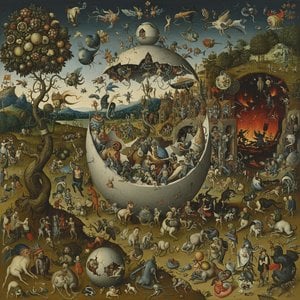
Hieronymus Bosch: Top 25 Majstrovských Diel pre Váš Domov - ArtsDot.com
Ponorte sa do sveta Hieronymusa Boscha s ArtsDot.com! Objavte top 25 diel majstra stredovekého umenia, symbolizmu a fantastických motívov. Reprodukcie obrazov pre váš domov – luxusné dekorácie a umelecké plagáty online. Preskúmajte celú kolekciu na ArtsDot.com

