

 Zobraziť v interiéri
 Odoslať
 Zdieľať
 Podrobnosti
 Príručkovo

 Stiahnuť
 Podobné položky
 RTG skúška
 Prehliadanie diapo\]
 Štatistiky
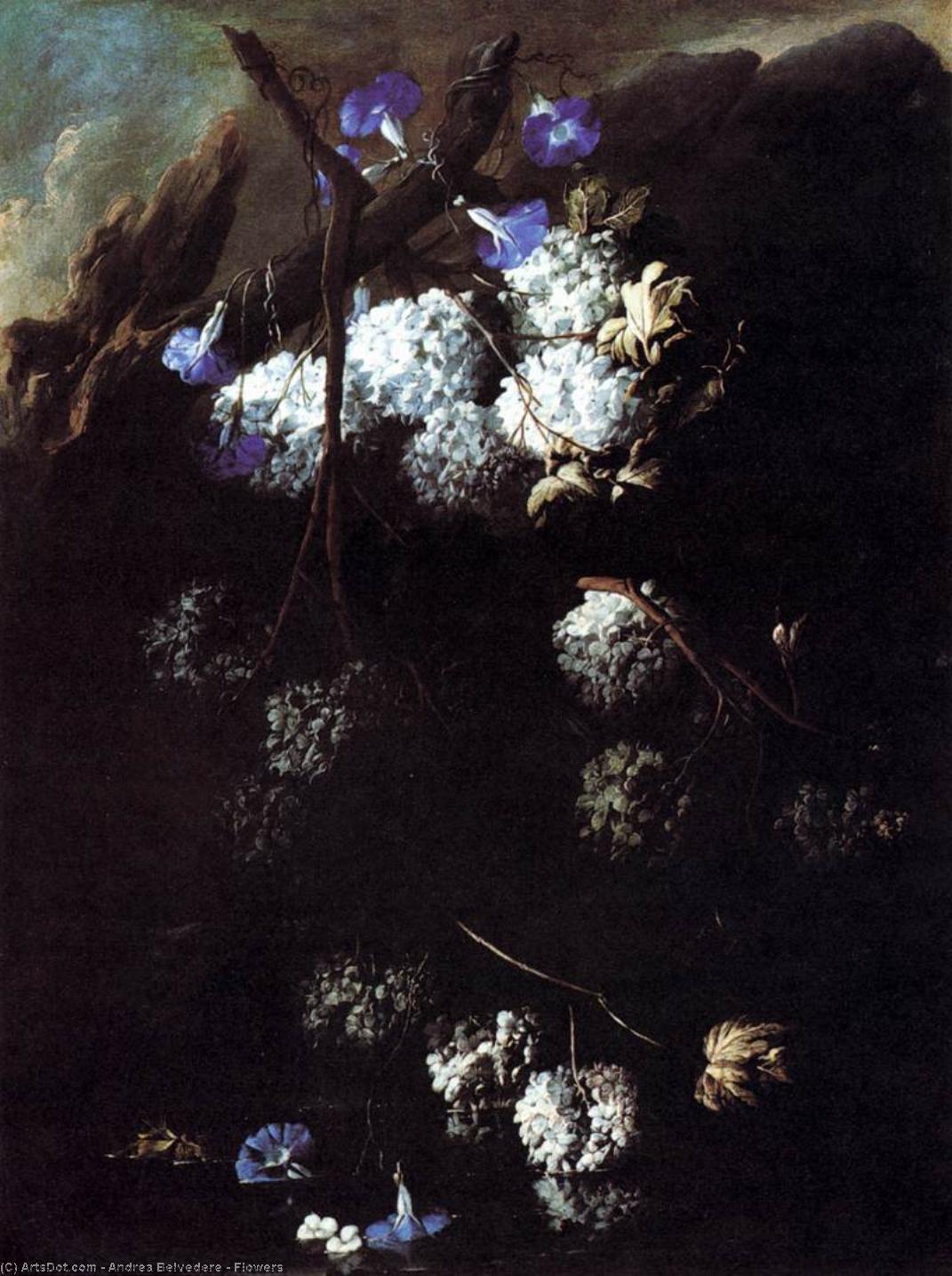
Flowers


 Prečítať si viac
Ručne maľovaná olejová reprodukcia
Ručne maľovaný olej na plátne vo vašej zvolenej veľkosti a v ráme, vyrobený na mieru našimi umelcami. ( Prepnúť na tlač Prepnúť na digitálnu verziu obrazu)




































Vyberte si z našich preddefinovaných rozmerov, ktoré zodpovedajú pôvodným pomeroḿ diela.

Môžete zadať vlastné rozmery tak, aby sa hodili do konkrétneho rámu alebo priestoru. Ak sa váš zvolený rozmer nezhoduje s pôvodnými proporciami obrazu, dielo buď orezáme, alebo ho doplníme ručne maľovanými prvkami. Pred začiatkom výroby vám zašleme digitálny náhľad na schválenie.
Upozorňujeme, že ukážka na obrazovke neodráža skutočné orezanie ani doplnenie. Skutočnú finálnu kompozíciu zobrazuje iba digitálny náhľad.
Hoci sú k dispozícii vlastné rozmery, odporúčame vybrať rozmer z preddefinovaného zoznamu, aby sme zachovali pôvodné proporcie.
Po odoslaní objednávky vám tím ArtsDot.com pošle e-mail s pokynmi a poskytne náhľad na návrh
Celosvetová doprava () za 3 až 4 týždne namiesto štandardných 5 týždňov. (23 september). Bez kompromisov v kvalite.

Bezplatná expresná doprava po celom svete

Vysokokvalitné lnianske plátno

Úplné poistenie prepravy

Záruka vrátenia colného poplatku

Záruka presného farebného zhodnutia

100-dená politika vrátenia tovaru (iba pri vadách)

100% záruka vrátenia peňazí

Ponuka množstevnej zľavy
 Možnosť skla je dostupná len pri rozmeroch pod 110 cm

Flowers
Spôsob reprodukcie
Veľkosť reprodukcie
-


Celková cena
$ 263
Súvisiace diela


Biografia umelca
The Luminous Legacy of Andrea Belvedere
Belvedere emerged from the vibrant and often turbulent artistic landscape of late 17th-century Italy as a painter of singular focus and profound delicacy. While historical accounts once fluctuated regarding his exact beginnings, scholarly consensus now places his emergence in Pavia around 1652, leading him eventually into the heart of the Neapolitan Baroque. His early years were steeped in the dramatic traditions of his contemporaries; the influence of masters such as Giuseppe Recco and Giovan Battista Ruoppolo was unmistakable, imparting to his brush a foundational sense of vitality and an appreciation for the interplay of light and shadow.As his talent matured, Belvedere began to distance himself from the overt theatricality that characterized much of the Neapolitan school. Rather than pursuing the heavy, Caravaggio-esque drama found in the works of Paolo Porpora, he sought a more restrained and meticulous aesthetic. This evolution was deeply informed by the Flemish masters, particularly Abraham Brueghel, whose influence encouraged Belvedere to embrace a style defined by botanical precision and an almost scientific observation of nature.
A Refined Vision Beyond the Theatrical
His canvases became windows into a quiet, exquisite world where every petal and dewdrop held significance. He moved away from mere decoration, striving instead for a truth found in the subtle textures of floral arrangements and animal specimens. This dedication to the essence of his subjects allowed him to revitalize the still life genre at a time when its popularity in Naples was beginning to wane. His ability to capture the ephemeral beauty of nature with such clarity made him a pioneer of a more contemplative Baroque style.Belvedere’s mastery was not merely a matter of technique but of spirit, as he successfully balanced the grandeur of the era with an intimate, observational grace. This unique approach attracted a generation of younger artists who sought to emulate his ability to breathe life into the inanimate, ensuring that his stylistic innovations would ripple through the Neapolitan school for years to come.
The Spanish Court and the Final Act
Belvedere’s reputation eventually carried him far beyond the borders of Italy. In the late 17th century, his growing notoriety earned him an invitation to the Spanish court by King Charles II. This period marked one of the most prestigious chapters of his career, as he contributed to the grandeur of Spain and worked alongside the legendary Luca Giordano in the decoration of the magnificent Escorial Palace. His time in Spain solidified his status as a master craftsman of international standing.His influence extended through several notable followers who carried forward his distinctive approach:
- Gasparo Lopez
- Baldassare de Caro
- Tommaso Realfonso
- Nicola Casissa
Yet, the artist's journey did not end with the brush. Upon his return to Naples, Belvedere underwent a final, unexpected transformation, abandoning the easel to devote himself entirely to the world of theatrical activity. Though he left behind a legacy of breathtakingly beautiful still lifes that continue to captivate the eye, his life remained as dynamic and multifaceted as the very subjects he once immortalized on canvas.

Andrea Belvedere
1944 - , Italy
Rýchle fakty
- Artistic Movement Or Style: Baroque
- Artists Or Movements Influenced By This Artist:
- Gasparo Lopez
- Baldassarre de Caro
- Artists Who Influenced This Artist:
- Giuseppe Recco
- Abraham Brueghel
- Date Of Birth: Pavia, Italy (1652)
- Date Of Death: Naples (1732)
- Full Name: Andrea Belvedere
- Nationality: Italian
- Notable Artworks:
- Flowers and Ducks
- Flowers
- Place Of Birth: Italy