


Obraz sa prispôsobuje vašim voľbám: , .
Popis zberateľského predmetu
Admire Albert Edelfelt's 'Viktor Rydberg'! This stunning Realist portrait captures the thoughtful gaze of Viktor Rydberg, a key figure in Swedish literature. Own a hand-painted reproduction today!
 Zobraziť viac
Biografia umelca
Realista známy pre Portrét Louisa Pasteura. Preskúmajte dnes jeho úchvačnú umeleckú zbierku.
Objavte svoj v štyroch jednoduchých krokoch
Nespáľujte sa. Každú odpoveď môžete zmeniť; cena vo vašej objednávke sa prispôsobí každej zvolenej možnosti.
1 Prvý krok zo štyroch
Na akom médiu má byť vytlačené?
Plátno je vytlačené giclée inkoustami a môže byť napnuté alebo zasadené do rámca ako obraz; papier je dodávaný plochý alebo v rámci pod sklom.
2 Druhý krok zo štyroch
Akú veľkosť si prajete?
Tieto veľkosti zachovávajú proporcie originálneho obrazu. Ilustrácia zobrazuje vašu voľbu na stene, nad dvometrovou pohovkou.
alebo zadajte vlastné rozmery
Vyberte si z našich preddefinovaných rozmerov, ktoré zodpovedajú pôvodným pomeroḿ diela.

Zadajte šírku a výšku, ktoré potrebujete, aby sa reprodukcia hodila k vášmu rámu alebo stene. Print možno len orezávať, nikdy však nemennú veľkosť zvětšiť oproti pôvodnému obrázku, preto pri inom formáte stráca časť obrazu. Pred samotným vytlačiacím procesom vám pošleme digitálny náhľad na schválenie. Obrázok zobrazený na tejto stránke nezobrazuje reálny rez — len digitálny náhľad ukazuje presný výsledok.
3 Tretí krok zo štyroch
Ako by mal byť pripravený: rolovaný, natiahnutý alebo v ráme?
Ceny nižšie sa týkajú veľkosti, ktorú ste si vybrali v prvom kroku.
Vyberte si opletenie plátna
Vyberte si rám

Biele okraje €1

rozostrené okraje €1

Vytiahnutý okraj €1

P118B €10

P118H €10

P118W €10

P438Z €10

P508JH €12

P508YH €12

P805H €10

P805Z €10

P919BZ €10

P919G €10

P919XJ €10

P959ZH €10

P968JZ €12

W106C €8

W218G €10

W218JH €8

W218Y €10

W307PJ €10

W316G €10

W316PJ €8

W316Y €10

W398PJ €8

W4111J €10

W500HY €15

W500JH €15

W692G €12

W849H €8

W940BG €15

W953PJ €8

H24-GOLD €30

H24-SILVER €30

H36-GOLD €45

H36-SILVER €45
V rámoch
Profil: . Celkový rozmer vrátane rámov: .
4 Štvrtý krok zo štyroch
Niekoľko možností finálnej úpravy
Všetky sú voliteľné. Už zvolené odpovede nesú žiadne dodatočné náklady.
Celosvetová doprava () do 2 týždňov namiesto štandardných 4 až 5 týždňov. (22 november)
Štítok, ako v múzeu?
Detaily vygravírovaného bronzového pláka
This elegant plaque features the artist's name and the title of the artwork, finely engraved for a timeless presentation.
It is made from bronze with a refined, elegant finish. The text is precisely laser-engraved for a sharp and permanent result. Measuring 9x2 cm, the plaque is compact yet easy to read. It's built to be durable and scratch-resistant, offering a professional, museum-quality look. Mounting is simple thanks to the included adhesive backing.
Detaily transparentnej akrylovej plăty
The plaque includes essential engraved details such as the artist's name, the title of the artwork, the date it was created, the type of media used-like oil on canvas or watercolor-a brief description of the piece, and a QR code that links to the complete artwork information.
It is crafted from clear acrylic, offering a sleek, modern appearance. The text is UV-engraved in black to ensure strong visual contrast. With a size of 10x15 cm, it ensures optimal readability. It comes equipped with two metal hooks for secure wall mounting. The plaque is designed to be weather-resistant, making it suitable for various environments, and it includes interactive features that work seamlessly with smartphone scanning.
Detaily čiernej akrylovej plăty
This elegant plaque includes engraved information such as the artist's name, the title of the artwork, the date it was created, the type of media used (like oil on canvas or watercolor), a short description of the artwork, and a QR code for quick access to more information.
The plaque itself is made from refined black acrylic with a premium finish. The text is laser-engraved in white for high contrast and readability. Its size is 10x15 cm, designed to be easy to read. It comes with two metal hooks for professional mounting. The design is sleek and fits any interior style. It is also weather-resistant and durable, with built-in digital integration for mobile compatibility.
Ochranný lak?
Kedy vám má byť doručené?
✓ Kontrola a objednávka
Váš odtlačok presne podľa vašej objednávky

Viktor Rydberg
Technika reprodukcie
Veľkosť reprodukcie
-

Rámovanie reprodukcie
-
-
V prípade umeleckých diel alebo reprodukcií, ktorých ktorákoľvek strana je väčšia ako 105 cm (cca 41 palcov), sa rám dodáva v rozloženom stave ako sada. Táto metóda zabezpečuje bezpečnú доставu a chráni pred poškodením počas prepravy.
Vyžaduje sa odborná montáž – toto nie je produkt na vlastnú prípravu (DIY).
Sada musí byť zmontovaná a plátno napnuté skúseným profesionálnym rámovaníkom, s použitím drevárneho lepidla (nie je súčasťou sady), klieš na napínanie plátna a svoriek na udržanie prav角的 rámov počas schnutia lepidla. Nesprávna montáž alebo nerovnomerné napnutie plátna môže trvalo poškodiť umelecké dielo, čo nie je kryté našou zárukou.
 V prípade umeleckých diel alebo reprodukcií, ktorých ktorákoľvek strana je väčšia ako 105 cm (cca 41 palcov), sa rám dodáva v rozloženom stave ako sada. Táto metóda zabezpečuje bezpečnú доставu a chráni pred poškodením počas prepravy.
Všetky lišty z masívneho dreva sú súčasťou balenia, presne narezané na mieru.
Montuje sa pomocou súčasťou balenia dodaných skrutiek, plus drevolepu na spoje v rohoch, ktorý nie je súčasťou balenia a musí si ho zabezpečiť váš montážnik.
Vyžadujú sa profesionálne nástroje, ktoré nie sú súčasťou sady: kliešte na napínanie plátna (napínací nástroj) a svorky na udržanie pravých uhlov rámov počas schnutia lepidla.
Dôležité:
Spoje v rohoch si vyžadujú lepidlo na drevo, tyče je potrebné upevniť pomocou svoriek, kým lepidlo úplne newyschne, a napnutie plátna na zostavený rám si vyžaduje klieže na napínanie plátna. Žiadna z týchto pomôcok nie je súčasťou sady. Pred objednaním tejto veľkosti si, prosím, zabezpečte skúseného odborníka na zakladanie rámov.

Popisné označenie
-
-

Ochranný lak
Lesklý lak (zvýrazňuje farby, chráni pred svetlom a vlhkosťou)
-

Prioritné doručenie
Celosvetová doprava () do 2 týždňov namiesto štandardných 4/5 týždňov. (22 november)
-
Rýchle doručenie
Celosvetová doprava () do 4 až 5 týždňov. (29 november).
V cene
Celková cena
€ 56
Možnosť skla je dostupná len pri rozmeroch pod 110 cm
Súčasťou každej objednávky
- Bezplatná expresná doprava po celom svete
- Vysokokvalitné lnianske plátno
- Kompletné poistenie prepravy
- Záruka vrátenia colného poplatku
- Záruka presného farebného zhodnutia
- 100-dená politika vrátenia tovaru (iba pri vadách)
- 100% záruka vrátenia peňazí
- Zľava pri väčšom množstve


Viktor Rydberg by Albert Edelfelt: A Portrait of Intellectual Contemplation
Albert Edelfelt’s “Viktor Rydberg” (1892) is more than just a likeness; it's a profound meditation on the mind and spirit. This remarkable portrait, rendered in Edelfelt’s signature Realist style, captures the essence of the renowned Swedish writer Viktor Rydberg at a moment of intense introspection. The painting immediately draws the viewer into a space of quiet contemplation, inviting us to share in Rydberg’s apparent absorption in thought.
Edelfelt, one of Finland's most celebrated artists, was deeply invested in portraying the realities of his nation and its people. Born in Porvoo, Finland, he spent much of his career documenting Finnish life and culture, often with a keen eye for detail and an understanding of human psychology. “Viktor Rydberg” exemplifies this approach – it’s not merely a representation of a man, but a carefully constructed portrayal of a complex individual grappling with ideas.
Realism and the Portraiture Tradition
Painted during a period of significant artistic change, "Viktor Rydberg" firmly anchors itself within the Realist movement. Edelfelt rejected the idealized forms favored by earlier Romantic portrait painters, opting instead for a direct and honest depiction of his subject. Rydberg’s features – the furrowed brow, the downward gaze, the subtle tension in his hands resting on the table – are rendered with meticulous detail, conveying a sense of vulnerability and deep concentration.
The composition itself is deliberately restrained. The limited background—a study filled with books—serves to focus all attention on Rydberg’s face and posture. This simplicity enhances the painting's impact, allowing the viewer to fully engage with the subject’s internal state. Edelfelt’s masterful use of light further contributes to this effect, illuminating Rydberg’s features while casting subtle shadows that deepen the sense of mystery and contemplation.
Symbolism and Emotional Resonance
Beyond its technical brilliance, “Viktor Rydberg” is rich in symbolic meaning. The books scattered around the room are not merely props; they represent Rydberg's intellectual pursuits – his lifelong dedication to literature and thought. His downward gaze suggests a deep engagement with these ideas, perhaps wrestling with complex philosophical questions or lost in the world of his own writing.
The overall atmosphere of the painting is one of quiet intensity. It’s a portrait that invites us to consider the nature of intellect, the burden of knowledge, and the solitary moments of reflection that often fuel creative genius. Edelfelt skillfully captures not just Rydberg's physical appearance but also his inner life, creating a work that resonates with viewers long after they have first encountered it.
A Masterpiece of Finnish Art
“Viktor Rydberg” stands as a testament to Albert Edelfelt’s artistic skill and his profound understanding of the human condition. It is a key example of Realism in Finland, showcasing the nation's cultural identity through portraiture. As a reproduction, this artwork offers an exceptional opportunity to experience the power and beauty of Edelfelt’s vision – a timeless image that continues to captivate and inspire.
Otázky a odpovede
Je „Viktor Rydberg“ od Albert Edelfelt obrazom, kresbou alebo grafikou?
V katalógu je dielo „Viktor Rydberg“ od Albert Edelfelt klasifikované ako WallArt. Táto kategória pomáha vyhľadávať podobné práce.
Ako sa štýl diela „Viktor Rydberg“ vzťahuje k ére jeho tvorcu?
Dielo „Viktor Rydberg“ patrí do smeru Realism a jeho autor tvoril v období ..
Aká farebná paleta je použitá v díle „Viktor Rydberg“ od Albert Edelfelt?
Paleta diela „Viktor Rydberg“ od Albert Edelfelt je opísaná ako Dark. Ide o stručný popis farebnej skladby tohto diela.
Viac informácií o tomto obraze
 Náhľad v interiéri
 Kúpiť ručne maľovaný obraz
 Odoslať ako digitálnu kartu
 Zdieľať
 Podrobnosti o dielo
 Príručka

 Stiahnuť obraz
 Podobné položky
 RTG skúška
 Prehliadanie diapozoje
 Otázky a odpovede
 Štatistiky
Podobné diela


Albert Edelfelt
1854 - 1905, Fínsko
Biografia umelca
Rané roky, rodina a vzdelanie
Albert Edelfelt sa narodil 21. júla 1854 v Porvoo, v Fínsku. Jeho otec, Carl Albert Edelfelt, bol švédsky hovoriaci Fín a architekt, zatiaľ čo jeho matka, Alexandra Edelfelt, sa narodila ako Alexandra Brandt. Rané roky jeho života formovalo pokojné prostredie Porvoo. Už v roku 1869 ho záujem o kreslenie priviedol do kresliacej školy Fínskej umeleckej spoločnosti, kde začal svoje formálne štúdiá.
Jeho vzdelávanie sa nesťahovalo len do Fínska, keďže hľadal širšie technické vzdelanie. Medzi rokvami 1873 a 1874 trávil čas na Antverpskej akadémii výtvarných umení, kde sa sústredil na mechaniku historickej maľby. Toto obdobie štúdia mu poskytlo základ pre jeho presun do Francúzska. V roku 1874 sa zapísal na École Nationale des Beaux-Arts v Paríži. Tam študoval pod vedením Jean-Léon Gérôme, pričom si zaostril schopnosť pracovať so zložitými kompozíciami a špecifickými nárokmi akademického výcviku.
Umelecká cesta a parížske roky
V roku 1874, vo devätnástich rokoch, sa Edelfelt vydal na cestu do Paríža. Spoločne s priateľom z Fínska zdieľal skromné štúdio na adrese 24 Rue Bonaparte. Tento priestor, hoci bol skromný, slúžil ako miesto, kde mladý muž hľadal svoju stabilitu ďaleko od domova. Do roku 1876 sa už presťahoval do štúdia na 81 boulevard du Montparnasse. Práve počas týchto rokov začal odchádzať od formálnych obmedzení svojho raného výcviku a objavoval nový spôsob vnímania svetla a sveta, ktorý ho obklopoval.
Jeho parížsky život formovali ľudia, ktorých stretol v ateliéroch a v spoločenských kruhochach veľkomestským. Uzavrel blízke vzťahy s maliarom Jules Bastien-Lepage, ktorý naňho zásadným spôsobom ovplyvnil spôsob práce na plátne. Naozisto si vytvoril aj priateľstvo s Jean-Baptiste Pasteur, synom chemika Louis Pasteur. Tieto spojenia ho postavili do samého centra sa meniacej umeleckej krajiny, v ktorej sa strední bod pozornosti presúval k pozorovaniu života takého, aký skutočne bol. V roku 1881 sa usadil v novom štúdiu na 147, avenue des Villiers, kde počas nasledujúcej dekády pokračoval v neustálnom zdokonaľovaní svojho umeleckého majstrovstva.
Technika a umelecký štýl
Jeho prístup k plátnu bol hlboko zakorenený v naturalistickom štýle, ktorý uprednostňoval realistickú perspektívu so zameraním na dokumentovanie života presne tak, ako sa v danej chvíli prejavoval. Táto oddanosť pozorovaniu ho často vodila k malovaniu na pleinére, kde dokázal zachytiť jemnosť svetla dopadajúceho na krajinu alebo na konkrétnu de facto postavu. V týchto momentoch sa vzdal rigidných, formálnych akademických tradícií svojho raného vzdelávania a začal objavovať fluidnejšie, impresionistické techniky. Tento umelecký posun je jasne viditeľný v spôsobe, akým pracoval so svetlom a atmosférou v díelach, ako je napríklad The Eklöf Boys on the Veranda of Villa Sjökulla.
Často sa jeho myseľ orientovala na váhu histórie, pričom svoj pędzel využíval na vykreslenie hlbokých a detailných momentov minulých konfliktov. Jeho obrazy často zachytávali scény z dlhých vojnových dejín, ktoré zapletali Rusov, Švédov a Fínov, pričom venoval veľkú pozornosť textúram a detailom danej epóchy. Bol významným tvorcom Zlatého veku fínskeho umenia, ktorý využil svoju technickú maestriu na to, aby premostil priepasť medzi formálnym historickým malovaním a moderným, pozorovatelským spôsobom vnímania sveta.
Významné diela a úspechy
Jeho štetec zachytil tichú intenzitu vedeckých objavov aj prosté pohyby každodenného života. V roku 1886 nakreslil Louis Pasteur dans son laboratoire de l, dielo, ktoré so zachvátivou presnosťou skúmalo prostredie chemika. Tento hlboký vzťah k rodine Pasteur pokračoval aj v jeho Portrait of Louis Pasteur. Tieto štúdie svetla a predmetu mu priniesli uznanie vo Francúzsku, čo v roku 1886 vyústilo v jeho prijatie do Légie čestí. Neskôr, počas Parížskej svetovej výstavy v roku 1889, získal zlatú medailu.
V obraze Boys Playing on the Shore (1884) je cítiť zvláštna, až éterická pokojnosť. Toto dielo zostáva jedným z jeho najvýznamnejších pláten, ktoré zachytáva krehký okamih mladosti v kontraste s nehybnou krajinou. Jeho schopnosť pozorovať svet s takou hĺbkou ho priviedla až k pozívaniu na funkciu komisara pre finsku participáciu na Parížskej svetovej výstave v roku 1900. V svojej tvorbe dokázal plynule kráčať medzi prísnymi požiadavkami historickej maľby a priamou, úprimnou obskurčovosťou pozorovania ľudí v ich prirodzenom prostredí.
- Louis Pasteur dans son laboratoire de l (1886)
- Boys Playing on the Shore (1884)
- Portrait of Louis Pasteur
Odkaz a vplyv
Albert Edelfelt patril medzi prvých finských maliarov, ktorí si vybojovali svoje miesto na medzinárodnej umeleckej scéne. Do širšieho európskeho kontextu priniesol hlboký pocit fínskej identity a umožnil, aby sa kultúra jeho domoviny stala viditeľnou daleko za jeho hranicami. Jeho oddanosť realistickému umeleckému smeru vo FinSKu zásadným spôsobom ovplyvnila to, ako krajina začala vnímať samú seba prostredníctvom farieb; odklon od idealizovaných tém smeroval k čistejšej a úprimnejšej reprezentácii života. Tento prístup pomohol upevniť vizuálny jazyk národa v období významných spoločenských zmien.
Jeho prítomnosť v ateliéroch Paríža a Antverp zanechala nesmazateľnú stopu v generáciách umelcov, ktoré po ňom nasledovali. Mladší fínski maliari, vrátane Akseliho Gallena-Kallelu a Gunnara Berndtsona, sa obracali na jeho metódy a jeho schopnosť snášať sa s dynamickým svetom európskeho umenia. Albert Edelfelt pre týchto umelcov pripravil cestu a vytvoril most medzi miestnymi tradíciami a vyvíjajúcimi sa štýlmi kontinentu. Jeho vplyv bol jasne cítiť v tom, ako títo mladí tvorcovia pristupovali k práci so svetlom, k zachytávaniu krajiny a k vykresľovaniu ľudskej postavy.
V dejinách fínskeho umenia je Albert Edelfelt často považovaný za najvýznamnejšiu postavu obdobia od polovice 19. do polovice 20. storočia. Jeho tvor pozostáva istotným referenčným bodom pre vývoj národnej estetiky. Práve jeho schopnosť harmonicky prepojiť formálne akademické vzdelanie s hlbokým pozorovaním každodenného života pomohla definovať to, čo dnes poznávame ako Zlatý vek fínskeho umenia.
Kde dnes uvidieť jeho diela
Ak si chcete na vlastné oči vychutnať jeho majstrovské ťahy pędzla, vašou cestou by mala byť Helsinki. Ateliér Ateneum uchováva významnú časť jeho tvorby, vrátane ikonického obrazu z roku 1877 s názvom Kráľovná Bianca. Tieto diela sú súčasťou najväčšej kolekcie fínskeho umenia v krajine. Práve tam môžete nájsť jeho zachvatyľné zobrazenia vidieckeho života a historické scény, kde svetlo často odzrkadľuje tichú a pokynavú atmosféru krajín, ktoré kedysi študoval.
V Paríži je jeho prítomnosť cítiť na niekoľkých miestach. Musée d'Orsay v sebe hostí jeho portrét Louisa Pasteura z roku 1885. Ide o tiché, hĺbavé štúdium muža v jeho pracovnom prostredí. V blízkosti sa nachádza aj Musée Pasteur, ktoré si uchováva niekoľko jeho diel, z ktorých mnohé sa venujú rodine a vedeckému prostrediu, ktoré ho sprevádzalo počas jeho pobytu vo Francúzsku.
- Kráľovná Bianca (1877)
- Louis Pasteur (1885)

Súvisiace články
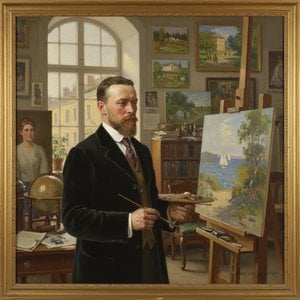
Albert Edelfelt: A Pioneer of Finnish Realism & International Impressionist Circles
Explore the life & work of Albert Edelfelt, a pioneering Finnish Realist painter who bridged Impressionism & national identity. Discover his masterpieces and lasting influence on art history.

Tri plátna, tri emócie: Vplyv voľby na subjektívnu interpretáciu umeleckého diela
Objavte hlboký vplyv voľby na subjektívnu interpretáciu umenia! Preskúmajte psychológiu farieb, kompozície a kontext diela. Získajte odborné poznatky o umeleckom zážitku a osobnom dialógu s umením.

Masterpieces of Realism: The Top 25 Gustave Courbet Artworks
Immerse yourself in the raw beauty of Realism with our curated guide to the top 25 Gustave Courbet artworks. From powerful landscapes to iconic portraits, explore the stories behind these masterpieces and find museum-quality reproductions for your decor. Discover all on ArtsDot.com.