
New to Ukiyo-e? Start here
Famous Ukiyo-e Художники: Our Top 39
If you remember one Ukiyo-e художник, make it Кацусика Хокусай (1760–1849), the name behind Великая волна у Кангавы и Kingfisher and Bulrushes. After that come Утагава Хиросигэ, Китагава Утамаро, Цукиока Ёситоси и Тории Киёнага. Our 39 picks go from Хисикава Моронобу (born 1618) to Goyō Hashiguchi (born 1880), from 2 countries.
How we picked them. We list the artists our catalogue links to Ukiyo-e, from the most famous down. Artists born after 1955 that we cannot yet check on Wikidata are left out. The Wikipedia number shows in how many of our 32 languages Wikipedia writes about them.


Quick facts
Ukiyo-e in a nutshell
- 39Художники
- 1618–1880Годы рождения
- 2Страны рождения
- 0Женщины
- 1Живые художники
- 5 896Работы в нашем каталоге
- Музеи с наибольшим количеством ключевых работ
- Метрополитен-музей (12), Библиотека Университета Кэйо (10), Bujalance Collection (10), Кливлендский музей искусств (3)
Meet them one by one
The 39 famous Ukiyo-e художники, from most famous down


2of 39
Утагава Хиросигэ 1797–1858
Японский From Эдо *Ukiyo-e* On Wikipedia in 30 of 32 languages

Born into a samurai lineage—his grandfather had served as an archery instructor for the Tsugaru clan—he initially seemed destined for a life of bureaucratic service, but his innate talent for art quickly became apparent.


6of 39
Утагава Куниёси 1798–1861
Японский From Токио Укиё-э On Wikipedia in 24 of 32 languages

Learned from Utagawa Toyokuni I #13 · Taught Utagawa Yoshitora #32, Kawanabe Kyōsai #11


9of 39
Утагава Кунисада 1786–1865
Japanese From Эдо Ukiyo-e On Wikipedia in 17 of 32 languages

Learned from Utagawa Toyokuni I #13


10of 39
Тёбунсай Эйси 1756–1829
Японец From Токио Укиё-э, Бидзин-га On Wikipedia in 11 of 32 languages


11of 39
Kawanabe Kyōsai 1831–1889
Japanese From Koga Ukiyo-e, Caricature, Manga pioneer On Wikipedia in 10 of 32 languages

This early shock preceded a formal education under the masters of the Kanō school and Utagawa Kuniyoshi. During the political shifts from the Edo period to the Meiji era, he became a figure of both fascination and friction.


12of 39
Keisai Eisen 1790–1848
Japanese From Edo Bunsei Era Ukiyo-e On Wikipedia in 15 of 32 languages

In the vibrant, flickering light of 19th-century Edo, few artists captured the pulse of the "floating world" with as much evocative intensity as Keisai Eisen. This shift defined the aesthetic of the Bunsei era (1818–1830), a period often characterized by its decadent and psychologically complex atmosphere. In works such as his depictions of Fukaya Station or Ageo Station, he transformed mere topographical records into cinematic snapshots of life in motion.


13of 39
Utagawa Toyokuni I 1769–1825
Japanese From Shiba Ukiyo-e On Wikipedia in 13 of 32 languages

His father, Kurahashi Gorobei, was a skilled carver specializing in dolls and puppets – miniature representations often modeled after the celebrated performers of the kabuki stage.
Taught Utagawa Toyokuni II #35


14of 39
Утагава Хиросигэ I 1797–1858
Japanese From Токио Ukiyo-e

«Канадэон Чусингура, акт 1» — великолепный пример жанра укиё-э, созданный в 1855 году.


15of 39
Утагава Кунимаса 1773–1810
Японский From Аizu Утагава школа

His apprenticeship under Toyokuni wasn’t merely about technical skill; it instilled in him an understanding of the broader aesthetic goals of ukiyo-e—to capture fleeting moments of beauty and emotion with unparalleled precision.


16of 39
Nishikawa Sukenobu 1671–1750
Japanese From Kyoto Ukiyo-e On Wikipedia in 9 of 32 languages

Nishikawa Sukenobu (西川祐信; 1671 – August 20, 1750), often referred to simply as “sukenobu,” stands apart from many of his contemporaries in the Ukiyo-e movement.


17of 39
Sharaku
Japan ukiyo-e On Wikipedia in 19 of 32 languages

Sharaku was a Japanese ukiyo-e print designer active between 1794 and 1795. His prolific output focused primarily on yakusha-e, which are portraits of kabuki actors. These works often emphasized the dynamism and energy of the subjects, frequently utilizing a realism that highlighted unflattering details such as wrinkles or large noses.


18of 39
Utashige
Japanese Ukiyo-e

Born Andō Tokutarō in 1797, within the bustling heart of Edo (modern Tokyo), Utagawa Hiroshige’s path to becoming Japan's last great ukiyo-e master was not one initially paved with artistic ambition. This shift was significantly influenced by Hokusai’s groundbreaking Thirty-six Views of Mount Fuji, a series that demonstrated the power of focusing on a single motif across multiple compositions.


19of 39
Miyagawa Chōshun 1683–1753
Japanese From Miyagawa Ukiyo-e On Wikipedia in 9 of 32 languages

In the vibrant tapestry of Japan's Edo period, Miyagawa Chōshun emerged as a singular voice, a painter who captured the ephemeral beauty of the "floating world" with unparalleled grace. Furthermore, his connection to the pioneer of ukiyo-e, Hishikawa Moronobu, provided him with the foundational spirit of the genre.


20of 39
Goyō Hashiguchi 1880–1921
Dutch From Kagoshima Post-Impressionism

Goyō Hashiguchi, born Kiyoshi Hashiguchi in 1880 in Kagoshima Prefecture, Japan, emerged as a pivotal figure in the shin-hanga movement—a deliberate revival of traditional Japanese woodblock printing techniques during the early 20th century.


21of 39
Isoda Koryūsai 1735–1790
Japanese From Tokyo Ukiyo-e On Wikipedia in 10 of 32 languages

In the vibrant, bustling heart of the Edo period, a golden age of Japanese creativity, few names resonate with as much elegance and prolific energy as Isoda Koryūsai. Born in 1735 in the burgeoning metropolis of Tokyo—then known as Edo—Koryūsai was a man shaped by the dualities of his era.


22of 39
Ogata Gekko 1859–1920
Japanese From Tokyo Ukiyo-e, Nihonga On Wikipedia in 9 of 32 languages

Ogata Gekko (1859-1920) stands as a pivotal figure in late 19th and early 20th century Japanese art, a master who defied convention and forged a uniquely captivating style. Born Nakagami Masanosuke in Edo (modern Tokyo), his journey from humble beginnings to international recognition is as compelling as the vibrant scenes he brought to life on woodblock prints.


23of 39
Киётика Кобаяси 1847–1915
Японец From Токио Укиё-э, Косэн-га On Wikipedia in 10 of 32 languages

Learned from Kawanabe Kyōsai #11


24of 39
Adachi Ginko род. 1853
Japanese Ukiyo-e

In the vibrant, transformative era of the late Meiji period, few artists captured the shifting soul of Japan as vividly as Adachi Ginkō. Born in 1853, a time when the traditional structures of the Edo period were beginning to yield to the rapid modernization of the West, Ginkō emerged as a master of the Ukiyo-e tradition.


25of 39
Toyohara Chikanobu 1838–1912
Japanese Shin-hanga

In the twilight of the Edo period and the dawn of a modernizing Japan, few artists captured the profound tension between tradition and transformation as masterfully as Toyohara Chikanobu. Born in 1838, an era of profound cultural shifts, Chikanobu—often recognized by his art name Yōshū Chikanobu —emerged as a monumental figure in the world of Japanese woodblock printing.


26of 39
Тоёхиро Утагава 1773–1828
Japanese From Toyooka Ukiyo-e On Wikipedia in 8 of 32 languages

In the vibrant tapestry of the Edo period, few names resonate with the quiet elegance and technical mastery of Utagawa Toyohiro. Born as Okajima Tōjiro in Toyooka, Japan, this distinguished artist emerged as a pivotal figure within the renowned Utagawa school.


27of 39
Mizuno Toshikata 1866–1908
Japanese From Tokyo Ukiyo-e, Kuchi-e

Mizuno Toshikata (1866-1908) stands as a quietly significant figure within the vibrant tapestry of ukiyo-e art, a tradition that flourished in Japan from the 17th to the 19th centuries.


28of 39
Ishikawa Toyonobu 1711–1785
Japanese From Tokyo Ukiyo-e (Lacquer Print Art) On Wikipedia in 7 of 32 languages

Among them stands Nishimura Shigenobu, also known as Ishikawa Toyonobu (1711–1785), a figure whose work embodies both the elegance and subtle sensuality characteristic of early ukiyo-e. He is often considered to have been the same person as Nishimura Shigenobu, a contemporary artist and student of Nishimura Shigenaga. Toyonobu’s artistic education began under the tutelage of Nishimura Shigenaga, a pupil of the renowned Okumura Masanobu.


29of 39
Kogyo Sakamaki 1869–1927
Japanese Noh Theatre Prints

Kōgyo Sakamaki, whose name translates to “Moonlit Harvest,” stands as one of Japan’s most revered printmakers of the Meiji era (1868–1912), a period marked by rapid modernization and cultural introspection.


30of 39
Hokkei 1780–1850
From Tokyo On Wikipedia in 8 of 32 languages

Born in Edo (modern Tokyo) in 1780, Toyota Hokkei emerged as a significant, though often understated, figure within the vibrant world of ukiyo-e, the “pictures of the floating world.” Unlike some of his more flamboyant contemporaries, Hokkei cultivated a style characterized by serene beauty and meticulous detail.


31of 39
Sadatora
Japanese From Tokyo Ukiyo-e

In the vibrant, pulsing heart of Edo-period Japan, where the concept of ukiyo —the floating world—defined the very essence of existence, Utagawa Sadatora emerged as a master of capturing the ephemeral. Born around 1825 in the bustling metropolis of Tokyo, Sadatora was more than just a practitioner of woodblock printing; he was a poet of the atmospheric and the transient.


32of 39
Utagawa Yoshitora

Born into a lineage of printmakers – though precise dates remain elusive – Yoshitora flourished during the late Edo and early Meiji periods (roughly 1830s to 1880s), a time of immense social and artistic upheaval in Japan.


33of 39
Тоёхара Кунитика 1835–1900
Японец From Эдо Укиё-э (Якуша-э, Бидзинга) On Wikipedia in 10 of 32 languages

Works to know · Their 100 best-known works
 Print commemorating the death of the actors Segawa Michinojo and Bando Mitsugoro
 The kabuki actors (right to left) Ichimura Kakitsu IV as Asahina Tobei, Nakamura Shikan IV as Washi no Chokichi and Sawamura Tosshi II as Yume no Ichirobei, IV/1868
 Artisans, Beauties, and Annual Events
- 11See all 11 works by Тоёхара Кунитика
34of 39
Утагава Кунисада Ii 1823–1880
Японец From Эдо Укиё-э (якуся-э) On Wikipedia in 6 of 32 languages


35of 39
Utagawa Toyokuni II 1777–1835
Japanese Ukiyo-e On Wikipedia in 4 of 32 languages

Hiroshige Utagawa II (1797 – 1858), alongside his collaborator Toyokuni Utagawa IV, stands as a pivotal figure in the history of Japanese art and printmaking—specifically, ukiyo-e. Their partnership revolutionized the genre, elevating it from mere decorative illustration to a powerful medium for conveying emotion and capturing the essence of Edo period Japan (1603–1868).
Learned from Utagawa Toyokuni I #13


36of 39
Utagawa Yoshitaki 1841–1899
Japanese From Osaka Ukiyo-e On Wikipedia in 4 of 32 languages

Ichiyosai Yoshitaki (歌川 芳滝, April 13, 1841 – June 28, 1899), also known as Utagawa Yoshitaki, stands as a towering figure in the history of Japanese woodblock prints. Active primarily during the late Edo and early Meiji periods, he dedicated his life to capturing the dynamism and captivating presence of Kabuki actors —a pursuit that cemented his legacy as Osaka’s most prolific designer of yakusha-e (役者絵) for nearly four decades.


37of 39
Utagawa Kunitsuna Ii, Ichiransai, Sadashige
Japanese Ukiyo-e

Utagawa Kunitsuna Ii, a name that echoes through the annals of late Edo period ukiyo-e, remains a figure shrouded in intriguing mystery. Also known as Ichiransai Sadashige, his life is documented with frustrating sparseness, making him a compelling subject for art historians and enthusiasts alike.


38of 39
Utagawa Yoshikazu
Japanese From Edo Ukiyo-e, Yokohama-e On Wikipedia in 3 of 32 languages

Utagawa Yoshikazu, born in Tokyo during the late Edo period (approximately 1850-1870), stands as a pivotal figure in the vibrant world of Ukiyo-e art. While not as widely celebrated as some of his contemporaries like Hiroshige or Hokusai, Yoshikazu’s contribution is particularly significant for his extensive and insightful series documenting the arrival of Westerners and Western influences in Japan following the Treaty of Kanagawa with the United States in 1854.


39of 39
Shunkōsai Hokushū
Japanese From Osaka Kamigata-e On Wikipedia in 3 of 32 languages

Shunkōsai Hokuchō (春曙斎 北頂), born around 1802 in Osaka, Japan, stands as a fascinating figure within the vibrant tapestry of Edo-period art history. Though overshadowed by contemporaries like Hokusai and Hiroshige—whose flamboyant landscapes captivated audiences—Hokuchō carved out a distinctive niche as a producer of kabuki actor prints, establishing what is now known as the Osaka style (kamigata-e) and leaving an indelible mark on Japanese visual culture.


Pictures worth knowing
Famous Ukiyo-e works to recognise
When it happened
Ukiyo-e, step by step
- 1667
- 1776
- 1800
- 1802
- 1809
- 1825
- 1831
- 1857
- 1858
- 1870
- 1873
- 1875
- 1888
- 1893
Fun figures
The numbers behind the list
| Japan | 20 |
|---|---|
| Япония | 16 |
| 17th век | 3 |
|---|---|
| 18th век | 17 |
| 19th век | 12 |
| Метрополитен-музей | 12 |
|---|---|
| Библиотека Университета Кэйо | 10 |
| Bujalance Collection | 10 |
| Кливлендский музей искусств | 3 |
| Лос-Анджелесский музей округа Лос-Анджелес | 2 |
| Бруклинский музей | 2 |
| Институт искусств Чикаго | 2 |
| Patrick and Beatrice Haggerty Museum of Art | 2 |
Just the names
List of 39 famous Ukiyo-e художники to know
- 1
 Кацусика ХокусайЯпонец · 1760–1849
- 2Утагава ХиросигэЯпонский · 1797–1858
- 3
 Китагава УтамароЯпонский · 1753–1806
- 4
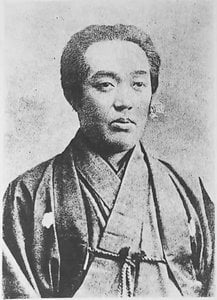 Цукиока ЁситосиЯпонец · 1839–1892
- 5
 Тории КиёнагаЯпонец · 1752–1815
- 6Утагава КуниёсиЯпонский · 1798–1861
- 7
 Судзуки ХарунобуЯпонец · 1724–1770
- 8
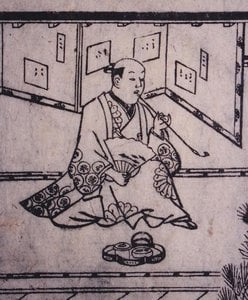 Хисикава МоронобуЯпонец · 1618–1694
- 9Утагава КунисадаJapanese · 1786–1865
- 10Тёбунсай ЭйсиЯпонец · 1756–1829
- 11Kawanabe KyōsaiJapanese · 1831–1889
- 12Keisai EisenJapanese · 1790–1848
- 13Utagawa Toyokuni IJapanese · 1769–1825
- 14Утагава Хиросигэ IJapanese · 1797–1858
- 15Утагава КунимасаЯпонский · 1773–1810
- 16Nishikawa SukenobuJapanese · 1671–1750
- 17SharakuJapan ·
- 18UtashigeJapanese ·
- 19Miyagawa ChōshunJapanese · 1683–1753
- 20Goyō HashiguchiDutch · 1880–1921
- 21Isoda KoryūsaiJapanese · 1735–1790
- 22Ogata GekkoJapanese · 1859–1920
- 23Киётика КобаясиЯпонец · 1847–1915
- 24Adachi GinkoJapanese · род. 1853
- 25Toyohara ChikanobuJapanese · 1838–1912
- 26Тоёхиро УтагаваJapanese · 1773–1828
- 27Mizuno ToshikataJapanese · 1866–1908
- 28Ishikawa ToyonobuJapanese · 1711–1785
- 29Kogyo SakamakiJapanese · 1869–1927
- 30Hokkei1780–1850
- 31SadatoraJapanese ·
- 32Utagawa Yoshitora
- 33Тоёхара КунитикаЯпонец · 1835–1900
- 34Утагава Кунисада IiЯпонец · 1823–1880
- 35Utagawa Toyokuni IIJapanese · 1777–1835
- 36Utagawa YoshitakiJapanese · 1841–1899
- 37Utagawa Kunitsuna Ii, Ichiransai, SadashigeJapanese ·
- 38Utagawa YoshikazuJapanese ·
- 39Shunkōsai HokushūJapanese ·
Good questions
What people ask about Ukiyo-e
Who is the most famous Ukiyo-e художник?
Кацусика Хокусай (#1) is first in this ranking, followed by Утагава Хиросигэ (#2) and Китагава Утамаро (#3).
Who are the 5 most famous Ukiyo-e художники?
Кацусика Хокусай (#1), Утагава Хиросигэ (#2), Китагава Утамаро (#3), Цукиока Ёситоси (#4) и Тории Киёнага (#5).
When were most Ukiyo-e художники born?
Most художники in this list were born in the 18th век (17 of 39), between 1618 and 1880 overall.
Who are the most famous living Ukiyo-e художники?
The highest-ranked living художники in this list are Adachi Ginko (#24).
Who was the first Ukiyo-e художник?
The earliest-born художник in this list is Хисикава Моронобу (#8), born in 1618.
What techniques did Ukiyo-e художники use?
“While he mastered the precise brushwork required by tradition, his spirit gravitated toward the more liberated styles of the popular schools.” — from our biography of Kawanabe Kyōsai (#11).
Which country produced the most Ukiyo-e художники?
Japan: 20 of the 39 художники in this list were born there, then Япония (16).
Which Ukiyo-e masters trained other famous художники?
Утагава Куниёси (#6) taught Utagawa Yoshitora (#32) и Kawanabe Kyōsai (#11); Utagawa Toyokuni I (#13) taught Utagawa Toyokuni II (#35).
Who are the great Ukiyo-e художники of Япония?
The highest-ranked художники born in Япония are Кацусика Хокусай (#1), Утагава Хиросигэ (#2), Китагава Утамаро (#3), Цукиока Ёситоси (#4) и Тории Киёнага (#5).
Where are the great works of Ukiyo-e art today?
The museums holding the most key works of this list are Метрополитен-музей (12), Библиотека Университета Кэйо (10) и Bujalance Collection (10).
Who are the great Ukiyo-e художники of Japan?
The highest-ranked художники born in Japan are Kawanabe Kyōsai (#11), Keisai Eisen (#12), Utagawa Toyokuni I (#13), Nishikawa Sukenobu (#16) и Sharaku (#17).
Can I order a painting by a famous Ukiyo-e художник?
Our catalogue holds 5,896 works by these художники. Each one can be ordered as a hand-painted oil reproduction or a print.
Read more
More stories on ArtsDot.com
Other styles
Famous artists of other styles
 Знаменитые художники BaroqueРембрандт ван Рейн · Рембрандт
 Знаменитые художники Contemporary RealistСборецы · Жан-Франсуа Милле
 Знаменитые художники ImpressionistЗвёздная ночь (Нью-Йорк, MoMA) · Винсент Ван Гог
 Знаменитые художники RomanticistСатурн пожирающий своего сына · Франсиско Гойя
 Знаменитые художники NeoclassicistСмерть Марата · Жак-Луи Давид
 Знаменитые художники RealistПроисхождение мира · Гюстав Курбе
 Знаменитые художники RenaissanceМона Лиза (Джоконда) · Леонардо Да Винчи
 Знаменитые художники Dutch Golden AgeДевушка с жемчужной серёжкой · Ян Вермеер
 Знаменитые художники ExpressionistКомпозиция VII · Василий Васильевич Кандинский
 Знаменитые художники RococoОтплытие на Кифере · Антуан Ватто
Other eras
Famous artists of other eras
 Знаменитые художники Early MedievalSnowy River · Ван Вэй
 Знаменитые художники High MedievalМадонна в Маэсти (Мадонна Оньисанти) · Джотто Ди Бондоне
 Знаменитые художники Late MedievalБлаговещение и два святых · Симоне Мартини
 Знаменитые художники RenaissanceСотворение Адама · Микеланджело
 Знаменитые художники Early ModernПризвание святого Матфея · Караваджо
 Знаменитые художники 19th CenturyВодяные лилии (или Нимфеи) · Клод Моне
 Знаменитые художники ModernГерника · Пабло Пикассо
 Знаменитые художники ContemporaryWind Sculpture III (one in a series of nine) · Yinka Shonibare
Keep exploring