


1of 38
Дуччо ди Буонинсенья 1255–1319
Итальянец From Сиена Сиенская школа, Треченто, готика On Wikipedia in 31 of 32 languages

New to Gothic? Start here
If you remember one Gothic художник, make it Дуччо ди Буонинсенья (1255–1319), the name behind Мадонна Ручеллаи и Полиптих №28 (Святая Дева Мария с Младенцем Иисусом и Четырьмя Святыми). After that come Симоне Мартини, Джентиле Да Фабриано, Пизанелло и Штефан Лохнер. Our 38 picks go from Мастер Матео (born 1161) to Jan Baegert (born 1465), from 8 countries.
How we picked them. We list the artists our catalogue links to Gothic, from the most famous down. Artists born after 1955 that we cannot yet check on Wikidata are left out. The Wikipedia number shows in how many of our 32 languages Wikipedia writes about them.
Quick facts
Meet them one by one
1of 38
Итальянец From Сиена Сиенская школа, Треченто, готика On Wikipedia in 31 of 32 languages
2of 38
Итальянец From Сиена Международная готика On Wikipedia in 28 of 32 languages

3of 38
Итальянский From Фабриано Международный готический On Wikipedia in 23 of 32 languages

4of 38
Итальянский From Пиза Готический искусство; Раннее Возрождение On Wikipedia in 28 of 32 languages

Antonio di Puccio Pisano, commonly known as Pisanello, stands as a pivotal figure in bridging the gap between the opulent International Gothic style and the burgeoning Renaissance. Born around 1380/1395 in Pisa—though his early years were spent in San Vigilio sul Lago—Pisanello’s life was marked by artistic exploration and patronage, leaving an indelible mark on Italian art history.
5of 38
немец From Мерсбург Поздняя готика, Интернациональная готика On Wikipedia in 19 of 32 languages

6of 38
Итальянец From Флоренция Раннее Возрождение On Wikipedia in 23 of 32 languages
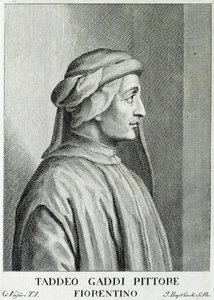
7of 38
Итальянский From Сиена Международный готический; ранний ренессанс On Wikipedia in 22 of 32 languages

8of 38
Голландцы From Неймеген Интернациональная готика On Wikipedia in 21 of 32 languages

9of 38
Italian From Флоренция Gothic, Early Renaissance On Wikipedia in 20 of 32 languages

Agnolo Gaddi (c. 1350 – October 10, 1396) stands as a singular figure in the artistic panorama of Florence during the mid-XIV century—a descendant of Giotto di Bondone whose legacy transcended mere imitation, subtly reshaping the stylistic currents that would propel Florentine art toward the dawn of the Renaissance.
10of 38
Итальянец From Венеция Византийское влияние и готическое искусство On Wikipedia in 15 of 32 languages

11of 38
Итальянец From Сиена Интернациональная готика On Wikipedia in 17 of 32 languages

12of 38
Итальянец From Флоренция Раннее Возрождение On Wikipedia in 17 of 32 languages

Loggia del Bigallo, Флоренция: Изучите искусство XIV века и исторические артефакты Compagnia del Bigallo, включая работы Арнольди и Дадди. Уникальная флорентийская жемчужина! Бернардо Дадди — Музей Гетти: Ознакомьтесь с коллекцией Музея Гетти в Центре Гетти и Вилле Гетти. Бернардо Дадди — Википедия: Узнайте больше о его жизни, творчестве и влиянии в Википедии.
13of 38
Итальянец From Ареццо Связующее звено между школой Джотто и Сиенской школой On Wikipedia in 16 of 32 languages

17of 38
Итальянец From Сан-Селони Интернациональная готика On Wikipedia in 11 of 32 languages

18of 38
Нидерландский (голландский) From Неймеген Интернациональная готика On Wikipedia in 16 of 32 languages

19of 38
Немецкий From Гейльгенштадт Поздний готический и Ренессанс

His training began around 1478/79, as he embarked on a deliberate journey through the workshops of Swabia and the Upper Rhine, immersing himself in the diverse styles and techniques prevalent throughout the region.
20of 38
Голландский From Нижний Рейн (регион) Готическое Возрождение On Wikipedia in 14 of 32 languages

23of 38
Каталонец From Вальс Поздняя готика, фламандское влияние On Wikipedia in 10 of 32 languages

24of 38
Немец From Вайль-дер-Штадт Поздняя готика On Wikipedia in 10 of 32 languages

25of 38
Немец From Минден Интернациональная готика On Wikipedia in 13 of 32 languages

Works to know · Their 100 best-known works · Репродукции Мастер Бертрам
26of 38
Испанец Готика-итальянский стиль

Pere Serra, also known as Jaume Serra, stands as a compelling figure in the transition from the International Gothic style to the burgeoning Renaissance aesthetic within Catalonia. Born around 1357 and passing away in 1406, his life coincided with a period of significant artistic and cultural change across Europe, yet he maintained a distinctly Catalan sensibility throughout his career.
27of 38
Итальянец From Сан-Квирико-д’Орча Натурализм, проторенессанс On Wikipedia in 10 of 32 languages
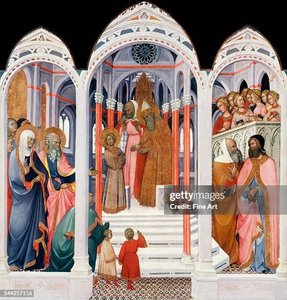
Works to know · Their 100 best-known works · Репродукции Паоло Ди Джованни Феи
 The Coronation of the Virgin, and Saints
 The Camarlingo Niccolò di Leonardo della Gazaia, His Scrivener and Three Taxpayers (Sienese account book cover)
 Madonna and Child Enthroned with Saint John the Evangelist, Saint Peter, Saint Agnes, Saint Catherine of Alexandria, Saint Lucy, an Unidentified Female Saint, Saint Paul, and Saint John the Baptist, with Eve and the Serpent; the Annunciation
28of 38
Italian From Milan Gothic Illuminations

Giovannino de’ Grassi remains one of the most captivating enigmas of the late medieval period, a figure whose brushstrokes breathed life into the prestigious Visconti court of Milan. He operated in an era where the transition from the rigid structures of the Middle Ages to the burgeoning naturalism of the early Renaissance was beginning to stir, and de’ Grassim stood at the very heart of this aesthetic evolution.
29of 38
Catalan From Girona International Gothic On Wikipedia in 8 of 32 languages

A pioneer who fundamentally reshaped the visual language of Catalonia, Borrassà emerged from the historic streets of Girona to become a master of the International Gothic style. The foundations of Borrassá’s mastery were laid in his youth, likely under the guidance of his father, Honorat Borrassà, a fellow painter.
30of 38
Italian From Venice International Gothic On Wikipedia in 10 of 32 languages

In the heart of fifteenth-century Venice, a city defined by its shimmering lagoons and unparalleled maritime wealth, the artistry of Michele Giambono emerged as a luminous bridge between the medieval past and the dawning Renaissance. As a follower of luminaries such as Jacobello del Fiore and Gentile da Fabriano, Giambono inherited a fascination with delicate line work and the use of precious materials to evoke the celestial realm.
31of 38
Итальянский From Флоренция Поздний готика/Раннее Ренессансо On Wikipedia in 7 of 32 languages

33of 38
Итальянец From Флоренция Поздняя готика On Wikipedia in 6 of 32 languages

34of 38
Итальянский From Флоренция Готическое искусство On Wikipedia in 4 of 32 languages

35of 38
German Late Gothic On Wikipedia in 11 of 32 languages

The earliest evidence of his workshop dates back to around 1463, with the completion of a series of eight panels for the Ursulakirche (Ursuline Church) in Cologne. These scenes – including the Annunciation, Visitation, Nativity, Presentation in the Temple, Flight into Egypt, and various episodes from Mary’s childhood and later life – quickly established his reputation.
36of 38
From Wesel Late Gothic On Wikipedia in 3 of 32 languages

By 1492, Jan Baegert was recognized as a master in Kalkar, a significant milestone that confirmed his ability to manage large-scale commissions independently. Following the death of his father in 1502, Jan Baegert took over the family business in Wesel.
See them at Tracing the physical remains of Jan Baegert’s output requires looking toward the Westphalian and Lower Rhine regions.
37of 38
Italian Late Gothic On Wikipedia in 8 of 32 languages

He was born around 1405 in Siena, likely into a family involved in the production of dyes—a profession reflected in his surname, “ di Pietro ” (of Peter).
38of 38
Austrian International Gothic On Wikipedia in 5 of 32 languages

The earliest known works attributed to the Master are diptychs – two-panel paintings – discovered at the Cistercian Abbey of Heiligenkreuz in southeastern Austria. The left panel depicts the Annunciation, showcasing the Virgin Mary receiving the news of her divine conception, while the reverse portrays the Madonna and Child – a tender scene brimming with serenity.
Pictures worth knowing
When it happened
Fun figures
| Италия | 19 |
|---|---|
| Германия | 5 |
| Испания | 4 |
| Нидерланды | 3 |
| Italy | 2 |
| Germany | 2 |
| Spain | 1 |
| Austria | 1 |
| 12th век | 1 |
|---|---|
| 13th век | 6 |
| 14th век | 22 |
| 15th век | 5 |
| Метрополитен-музей | 9 |
|---|---|
| Галерея Уффици | 5 |
| Isabella Stewart Gardner Museum | 3 |
| Национальный музей искусства Каталонии | 3 |
| Museo dell'Opera del Duomo | 2 |
| Музей Вальраф-Рихарта | 2 |
| Музеи изобразительных искусств Гарварда | 2 |
| Лувр | 2 |
Just the names
Дуччо ди БуонинсеньяИтальянец · 1255–1319Симоне МартиниИтальянец · 1284–1344Джентиле Да ФабрианоИтальянский · 1370–1427ПизанеллоИтальянский · 1395–1455Штефан Лохнернемец · 1410–1451Таддео ГаддиИтальянец · 1300–1366Лоренцо МонакоИтальянский · 1370–1425Братья ЛимбургиГолландцы · 1385–1416Аньоло ГаддиItalian · 1350–1396Паоло ВенецианоИтальянец · 1333–1358Липпо МеммиИтальянец · 1291–1356Бернардо ДаддиИтальянец · 1290–1348Спинелло АретиноИтальянец · 1350–1410 Андреа ПизаноИтальянец · 1290–1348
 ОрканьяИтальянец · 1308–1368
 Мастер МатеоИспанец · 1161–1217Бернат МарторельИтальянец · 1390–1452Жан МалуэльНидерландский (голландский) · 1370–1415Тилман РименсхейдерНемецкий · 1460–1531Мастер ФранкеГолландский · 1380–1435
 Клаус Слютерголландский · 1355–1406
 Якопо Ди ЧонеИтальянец · 1325–1399Хайме УгеКаталонец · 1445–1492Лукас МозерНемец · 1390–1443Мастер БертрамНемец · 1345–1415Пере СерраИспанец · 1357–1406Паоло Ди Джованни ФеиИтальянец · 1345–1411Giovannino De' GrassiItalian · 1350–1398Lluís BorrassàCatalan · 1360–1425Michele GiambonoItalian · 1400–1462Джованни даль ПонтеИтальянский · 1385–1438
 Теодорик ПражскийЧеш · Никколо Ди Пьетро ДжериниИтальянец · 1368–1415Пачино Ди БонагуидаИтальянский · 1280–1340Master Of The Life Of The VirginGerman · Jan Baegert1465–1535Master Of The OsservanzaItalian · Master of Heiligenkreuz AbbeyAustrian ·
Good questions
Дуччо ди Буонинсенья (#1) занимает первое место в этом рейтинге, за ним следуют Симоне Мартини (#2) и Джентиле Да Фабриано (#3).
Дуччо ди Буонинсенья (#1), Симоне Мартини (#2), Джентиле Да Фабриано (#3), Пизанелло (#4) и Штефан Лохнер (#5).
Музеи, в которых представлено больше всего ключевых работ из этого списка, — это Метрополитен-музей (9), Галерея Уффици (5) и Isabella Stewart Gardner Museum (3).
“His magnum opus, Saint George and the Princess of Trebizond, executed as a fresco in Verona’s Church of Sant'Anastasia, exemplifies his mastery of narrative composition and textural richness.” — из биографии Пизанелло (#4).
Италия: 19 из 38 художники в этом списке родились там, а Германия (5) и Испания (4) — в других странах.
Большинство художники в этом списке родились в 14th век (22 из 38), в период с 1161 по 1465.
Самый ранний художник в этом списке — Мастер Матео (#16), родившийся в 1161.
Самые высокооцененные художники, родившиеся в Германия, — это Штефан Лохнер (#5), Тилман Рименсхейдер (#19), Мастер Франке (#20), Лукас Мозер (#24) и Мастер Бертрам (#25).
Флоренция: 8 из художники в этом списке родились в этом городе.
Самые высокооцененные художники, родившиеся в Италия, — это Дуччо ди Буонинсенья (#1), Симоне Мартини (#2), Джентиле Да Фабриано (#3), Пизанелло (#4) и Таддео Гадди (#6).
В нашем каталоге представлено 1,687 работ этих художники. Каждую работу можно заказать как ручную масляную репродукцию или как печать.
Read more
Other styles
 Знаменитые художники BaroqueРембрандт ван Рейн · Рембрандт
 Знаменитые художники Contemporary RealistСборщицы · Жан-Франсуа Милле
 Знаменитые художники ImpressionistЗвёздная ночь (Нью-Йорк, MoMA) · Винсент Ван Гог
 Знаменитые художники RomanticistСатурн пожирающий своего сына · Франсиско Гойя
 Знаменитые художники NeoclassicistСмерть Марата · Жак-Луи Давид
 Знаменитые художники RealistПроисхождение мира · Гюстав Курбе
 Знаменитые художники Dutch Golden AgeДевушка с жемчужной серёжкой · Ян Вермеер
 Знаменитые художники RenaissanceМона Лиза (Джоконда) · Леонардо Да Винчи
 Знаменитые художники ExpressionistКомпозиция VII · Василий Васильевич Кандинский
 Знаменитые художники RococoОтплытие на Кифере · Антуан Ватто
Other eras
 Знаменитые художники Early MedievalSnowy River · Ван Вэй
 Знаменитые художники High MedievalМадонна в Маэсти (Мадонна Оньисанти) · Джотто Ди Бондоне
 Знаменитые художники Late MedievalСвятая Троица · Андрей Рублев
 Знаменитые художники RenaissanceСотворение Адама · Микеланджело
 Знаменитые художники Early ModernПризвание святого Матфея · Караваджо
 Знаменитые художники 19th CenturyВодяные лилии (или Нимфеи) · Клод Моне
 Знаменитые художники ModernГерника · Пабло Пикассо
 Знаменитые художники ContemporaryWind Sculpture III (one in a series of nine) · Yinka Shonibare
Keep exploring


