

 Предпросмотр
 Поделиться
 Поделиться
 Детали произведения
 Руководство

 Скачать
 Похожие предметы
 Рентгенография
 Слайд-шоу
 Вопросы и ответы
 Статистика просмотров
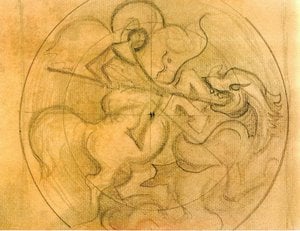
Spugnato

- 274.0 x 229.0 cm

 Читать далее
Произведение искусства, представленное на этой странице, защищено законом об авторском праве, что исключает возможность законного создания или продажи его точной репродукции. Данная защита обеспечивается международными соглашениями, такими как Бернская конвенция и национальным законодательством, включая положения, изложенные в Закон США об авторском праве — Раздел 17.
Этот метод полностью соответствует нормам авторского права, так как он не предполагает копирования или дублирования защищенного произведения. Напротив, это творческая реинтерпретация — создание новой картины, которая вдохновлена оригиналом, но не является его точной копией.
Жикле и арт-принты
Печать (жикле) или холст музейного качества с быстрыми сроками изготовления и широким выбором вариантов отделки. ( Купить картину ручной работы Перейти к цифровым изображениям)




































Выберите один из наших стандартных размеров, соответствующих оригинальным пропорциям произведения искусства.

Введите необходимую ширину и высоту, чтобы репродукция подошла к вашей раме или стене. При печати изображение можно только уменьшить, но нельзя увеличить больше оригинала, поэтому при выборе другого формата часть изображения может быть обрезана. Перед печатью мы отправим вам цифровой макет на утверждение. Изображение на этой странице не отображает реальную обрезку — ее можно увидеть только на макете.
Доставка по всему миру () за 2 недели вместо стандартных 4–5 недель. (13 Ноябрь)

Бесплатная экспресс-доставка по всему миру

Высококачественный льняной холст

Полное страхование при доставке

Гарантия возмещения таможенных пошлин

Гарантия точного цветового соответствия

100-дневная гарантия возврата (только при обнаружении дефектов)

Гарантия возврата 100% средств

Скидка при оптовом заказе
 Вариант со стеклом доступен только для размеров менее 110 см

Spugnato
Жикле и арт-принты
Размер репродукции
-


Итоговая стоимость
$ 63
Вопросы и ответы
Можно ли посмотреть «Spugnato» в режиме полноэкранного слайд-шоу?
Доступна презентация: страница Слайд-шоу работы «Spugnato», Sottsass.
Насколько насыщенными являются цвета в работе «Spugnato», Sottsass?
В работе «Spugnato», Sottsass представлена Vivid насыщенность цвета.
Какова воспринимаемая яркость произведения «Spugnato», Sottsass?
Воспринимаемая яркость произведения «Spugnato», Sottsass составляет deep_shadow. Она может гармонировать с освещением в предназначенном для него пространстве.
Похожие произведения


Биография художника
A Life in Color: The Radical Vision of Ettore Sottsass
Ettore Sottsass, born in Innsbruck, Austria, in 1917, was more than just a designer; he was a cultural provocateur who shattered the conventions of mid-century modernism. His journey began steeped in architectural tradition—his father, also named Ettore Sottsass, was a prominent figure within Italy’s rationalist architecture movement. Growing up in Turin during the rise of Fascism, young Sottsass absorbed the principles of functional design but would ultimately rebel against its austere rigidity. His early education at Politecnico di Torino provided a solid foundation, yet his path took an unexpected turn with military service during World War II, experiences he later recounted in his autobiography *Scritto di notte*. This period, marked by conflict and disillusionment, profoundly shaped his artistic sensibility, instilling a desire to break free from established norms. After the war, he established his own studio in Milan, embarking on an exploration of form, color, and material that would define his career.From Olivetti to Global Tools: A Developing Aesthetic
Sottsass’s initial foray into design was largely within the realm of industrial production. His long association with Olivetti, beginning in 1958, proved pivotal. He wasn't merely designing typewriters and office equipment; he was imbuing them with personality, transforming utilitarian objects into expressions of pop culture vibrancy. The Valentine typewriter (1968), a bright red icon, stands as a testament to this approach—a playful challenge to the seriousness often associated with technology. However, Sottsass’s creative spirit extended beyond corporate commissions. He simultaneously pursued independent projects in ceramics, glasswork, and jewelry, experimenting with bold colors, geometric forms, and a growing fascination with ancient cultures. This period saw him involved in several avant-garde groups—Global Tools, Studio Alchimia—each contributing to the development of his unique aesthetic. He sought to infuse everyday life with joy and sensuality, rejecting the cold functionality that had dominated post-war design.The Memphis Group: A Revolution in Design
In 1981, Sottsass founded the Memphis Group, a collective of designers who launched a full-scale assault on the established order. Named after Bob Dylan’s song “Like a Rolling Stone,” Memphis was characterized by its exuberant use of color, pattern, and unconventional materials—laminates, plastics, and terrazzo were embraced with unapologetic boldness. The Carlton Room Divider (1981), perhaps the group's most iconic creation, became a symbol of postmodern defiance. It wasn’t about creating “good taste”; it was about challenging the very notion of taste itself. Memphis designs weren’t intended to blend seamlessly into domestic interiors; they were meant to provoke, disrupt, and stimulate conversation. The movement, though relatively short-lived, had an immeasurable impact on design history, paving the way for a more pluralistic and expressive approach.Beyond Furniture: A Holistic Vision
While often celebrated for his furniture designs, Sottsass’s creative output was remarkably diverse. He worked extensively in architecture, designing retail spaces for Esprit and private residences that reflected his playful sensibility. He also created glass objects, ceramics, jewelry, textiles, and paintings—each medium serving as a platform for exploring his core themes: the relationship between form and function, the power of color, and the influence of ancient cultures. His later work saw a shift towards more refined craftsmanship, utilizing precious materials like wood and metal to create pieces that were both sculptural and functional. He wasn’t simply designing objects; he was creating environments—total works of art that encompassed every aspect of daily life.A Lasting Legacy: The Enduring Influence of Sottsass
Ettore Sottsass died in Milan in 2007, leaving behind a prolific body of work that continues to inspire designers today. His rejection of modernist dogma and his embrace of playful experimentation revolutionized the field, paving the way for a more inclusive and expressive design landscape. His influence can be seen in everything from contemporary furniture to graphic design and fashion. He demonstrated that design could be both intellectually rigorous and emotionally engaging—a powerful force for social change and cultural expression. Sottsass’s legacy is not simply about the objects he created, but about the freedom he championed—the freedom to challenge conventions, embrace individuality, and celebrate the beauty of imperfection. His work remains a potent reminder that design should be more than just functional; it should be a reflection of our deepest desires and aspirations.
Об авторе
- Full Name: Ettore Sottsass
- Nationality: Italian
- Date Of Birth: September 14, 1917
- Date Of Death: December 31, 2007
- Place Of Birth: Innsbruck, Austria
- Notable Artworks:
- Carlton Room Divider
- Valentine Typewriter
- Elea 9003 Computer
- Artistic Movement Or Style: Postmodernism
- Artists Or Movements Influenced By This Artist: ['Memphis Group']