

 Предпросмотр
 Поделиться
 Поделиться
 Детали произведения
 Руководство

 Скачать
 Похожие предметы
 Рентгенография
 Слайд-шоу
 Вопросы и ответы
 Статистика просмотров
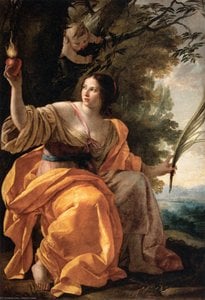
St Mary Magdalene

- 241.0 x 171.0 cm


 Читать далее
Жикле и арт-принты
Печать (жикле) или холст музейного качества с быстрыми сроками изготовления и широким выбором вариантов отделки. ( Купить картину ручной работы Перейти к цифровым изображениям)




P118B $10

P118H $10

P118W $10

P438Z $10

P508JH $12

P508YH $12

P805H $10

P805Z $10

P919BZ $10

P919G $10

P919XJ $10

P959ZH $10

P968JZ $12

W106C $8

W218G $10

W218JH $8

W218Y $10

W307PJ $10

W316G $10

W316PJ $8

W316Y $10

W398PJ $8

W4111J $10

W500HY $15

W500JH $15

W692G $12

W849H $8

W940BG $15

W953PJ $8




Выберите один из наших стандартных размеров, соответствующих оригинальным пропорциям произведения искусства.

Введите необходимую ширину и высоту, чтобы репродукция подошла к вашей раме или стене. При печати изображение можно только уменьшить, но нельзя увеличить больше оригинала, поэтому при выборе другого формата часть изображения может быть обрезана. Перед печатью мы отправим вам цифровой макет на утверждение. Изображение на этой странице не отображает реальную обрезку — ее можно увидеть только на макете.
Доставка по всему миру () за 2 недели вместо стандартных 4–5 недель. (6 Ноябрь)

Бесплатная экспресс-доставка по всему миру

Высококачественный льняной холст

Полное страхование при доставке

Гарантия возмещения таможенных пошлин

Гарантия точного цветового соответствия

100-дневная гарантия возврата (только при обнаружении дефектов)

Гарантия возврата 100% средств

Скидка при оптовом заказе
 Вариант со стеклом доступен только для размеров менее 110 см

St Mary Magdalene
Жикле и арт-принты
Размер репродукции
-


Итоговая стоимость
$ 63
A Gaze Into Eternity: Simon Vouet’s “St Mary Magdalene”
Simon Vouet's "St Mary Magdalene," painted in 1623, is not merely a portrait; it’s an immersive experience—a window into the soul of a woman grappling with profound repentance and spiritual awakening. This arresting work, now meticulously reproduced as a museum-quality print, transcends its historical context to resonate powerfully with contemporary viewers. Vouet, a pivotal figure in bridging the gap between Mannerism and Baroque painting in France, masterfully employs dramatic chiaroscuro—the stark contrast between light and shadow—to draw our attention directly to Mary Magdalene’s face, an expression of both vulnerability and unwavering faith.
The painting's genesis lies within the vibrant artistic landscape of Rome during the early 17th century. Vouet, having spent formative years in Italy absorbing the techniques of masters like Guido Reni and Carracci, returned to France armed with a new vision—a Baroque sensibility characterized by emotional intensity, dynamic composition, and an almost theatrical use of light. “St Mary Magdalene” exemplifies this shift perfectly. It departs from the more static and idealized depictions prevalent in earlier portraiture, instead presenting a figure imbued with palpable emotion and psychological depth.
The Language of Symbolism
Beyond its aesthetic beauty, "St Mary Magdalene" is rich in symbolic meaning. The skull resting upon the rock at the base of the composition—a ubiquitous motif in Christian art—serves as a potent reminder of mortality and the transience of earthly existence. It’s not presented with morbid horror, however, but rather as a grounding element, anchoring Mary's spiritual journey within the realities of human experience. The Magdalene’s posture – head bowed, hand resting gently on her arm – speaks to introspection and humility, suggesting a deep engagement with her past and a willingness to confront her own imperfections.
The setting itself contributes significantly to the painting’s symbolic weight. The rugged, almost desolate landscape—a rocky expanse under a dramatic, cloud-streaked sky—mirrors Mary's internal state of turmoil and redemption. It’s a space of solitude and reflection, where she can confront her demons and seek solace in faith. The muted palette – dominated by earthy browns, deep reds, and subtle blues – further reinforces this sense of solemnity and introspection.
Technique and Artistic Mastery
Vouet’s technical skill is immediately apparent in the meticulous detail with which he renders Mary Magdalene's features. Her face—characterized by delicate modeling, subtle shading, and a remarkable sensitivity to light—is both strikingly beautiful and profoundly expressive. The artist skillfully employs sfumato, a technique perfected by Leonardo da Vinci, to create soft transitions between tones, lending an ethereal quality to the figure’s appearance.
Furthermore, Vouet's mastery of composition is evident in the dynamic arrangement of elements within the painting. The diagonal lines created by Mary Magdalene’s posture and the placement of the skull draw the viewer’s eye into the scene, while the atmospheric perspective—the use of lighter tones to suggest distance—creates a sense of depth and spatial realism. The brushwork is remarkably smooth and refined, reflecting Vouet's meticulous approach to his craft.
A Timeless Reflection
"St Mary Magdalene" remains a powerful testament to the enduring appeal of Christian iconography and the transformative power of faith. Whether viewed as a historical masterpiece or a contemporary work of art, it continues to captivate audiences with its emotional intensity, symbolic richness, and technical brilliance. As a meticulously reproduced print, this artwork offers an accessible way to experience Vouet’s genius—a chance to contemplate themes of repentance, redemption, and the enduring search for spiritual meaning.
- Artist: Simon Vouet
- Date: 1623
- Medium: Oil on canvas
- Size: 241 x 171 cm
- Location: Galleria Nazionale d’Arte Antica, Rome
Вопросы и ответы
Какую атмосферу привносит «St Mary Magdalene», Симон Воюэт в интерьер?
Благодаря своей Calm атмосфере, работа «St Mary Magdalene» идеально подойдет для Living Room.
Насколько выражен контраст в работе «St Mary Magdalene», Симон Воюэт?
Светотеневой контраст произведения «St Mary Magdalene» составляет Statement. Контраст определяет степень различия между светлыми и темными участками.
Под какими еще именами известен Симон Воюэт?
Другие имена, зафиксированные для Симон Воюэт, автора произведения «St Mary Magdalene», включают Симон Воюэ.
Похожие произведения




Биография художника
Simon Vouet: A Pioneer of French Baroque Painting
Simon Vouet was a pivotal figure in the transition of French painting from Mannerism to the Baroque style—a transformation that fundamentally reshaped the artistic landscape of France and cemented his place as one of the most important artists of the seventeenth century. Born into an artistic family – Laurent Vouet, his father, was himself a painter – Simon received early training that instilled in him a deep appreciation for artistic innovation and meticulous craftsmanship. His grandson, Ludovico Dorigny, would continue the Vouet lineage’s dedication to art, ensuring the preservation of their distinctive aesthetic vision.Early Career and Italian Influences (1608-1627)
Vouet's artistic journey began in Paris, where he honed his skills as a portraitist—a profession that would define much of his early career. Demonstrating remarkable talent from a young age, he embarked on a formative trip to England in 1608, commissioned to depict a prominent noble family. This experience exposed him to the burgeoning artistic fervor of Northern Europe and solidified his reputation as a rising star. However, Vouet’s ambitions extended beyond national borders; he eagerly embraced opportunities for exploration and learning abroad. His fascination with Italian art culminated in a momentous decision: in 1611, he joined the entourage of Baron de Sancy, France's ambassador to the Ottoman Empire—a journey that transported him to Constantinople and subsequently to Venice in 1612. These travels were not merely expeditions for pleasure; they served as invaluable catalysts for artistic growth. In Venice, Vouet immersed himself in the vibrant atmosphere of the Serenissima Republic, absorbing the stylistic precepts championed by Paolo Veronese and Giovanni Battista Tiepolo—artists who epitomized the grandeur and theatricality of the Venetian Baroque. Rome, from 1614 to 1627, proved to be Vouet’s crucible – a period of intense artistic experimentation and profound intellectual engagement. He resided within the epicenter of Baroque innovation, surrounded by luminaries such as Caravaggio, Guido Reni, Lanfranco, and Domenichino. These masters profoundly influenced Vouet's stylistic sensibilities, prompting him to meticulously analyze their techniques—particularly their masterful use of chiaroscuro (the dramatic interplay of light and shadow)—and to incorporate elements of Mannerism into his compositions. He wasn’t merely imitating; he was synthesizing disparate influences into a singular artistic idiom that would become his hallmark.Development of Vouet’s Distinctive Style
The culmination of Vouet's Italian sojourn arrived in 1624 when he ascended to the presidency of Accademia di San Luca—Rome’s premier art institution—a prestigious honor reflecting both his exceptional skill and the recognition accorded him by fellow artists. This position afforded him unparalleled access to artistic discourse and enabled him to champion innovative approaches to painting. During this time, Vouet perfected a style characterized by its remarkable ability to absorb and transform diverse influences into a cohesive whole. He achieved this feat through painstaking observation of nature—a practice that informed his meticulous rendering of drapery folds and anatomical detail—and by embracing the principles of di sotto in su (foreshortened perspective), pioneered by Veronese, which created an illusion of depth and grandeur.Major Achievements and Legacy
Upon returning to France in 1627, Vouet immediately established himself as a leading figure in Parisian artistic circles—a role he would maintain until his death in 1649. He was appointed *Premier peintre du Roi* (First Painter to the King)—a position of considerable prestige and influence—by Louis XIII—who recognized Vouet’s unparalleled talent and unwavering dedication to artistic excellence. This patronage afforded him access to royal commissions that allowed him to produce monumental paintings adorning Versailles and other palaces, solidifying his reputation as a master of decorative art. Vouet's workshop flourished during his lifetime, nurturing the careers of numerous aspiring artists—among them Charles Le Brun, Valentin de Boulogne, Pierre Mignard, Eustache Le Sueur, Claude Mellan—who would carry Vouet’s stylistic legacy throughout France. His influence extended beyond individual works; he established a distinctively Baroque school of painting that profoundly shaped the artistic sensibilities of subsequent generations. Vouet's enduring contribution to French art lies in his role as a catalyst for stylistic innovation and in his unwavering commitment to upholding the highest standards of artistic craftsmanship—a testament to his place among the titans of seventeenth-century European painting.
Симон Воюэт
1590 - 1649 , Франция
Об авторе
- Artistic Movement Or Style: Барокко
- Artists Or Movements Influenced By This Artist: ['Французское барокко']
- Artists Who Influenced This Artist:
- Караваджо
- Паоло Веронезе
- Date Of Birth: Янв 9, 1590
- Date Of Death: Июнь 30, 1649
- Full Name: Simon Vouet
- Nationality: Франция
- Notable Artworks: ['Анотация с Благовещением Святой Маргариты и Святого Ансана']
- Place Of Birth: Париж, Франция
Похожие статьи

The Visceral Stage: Exploring Dramatic Narratives & Emotional Intensity in Baroque Art
Explore the dramatic world of Baroque art! Discover iconic masters like Caravaggio & Rembrandt, their techniques, and the movement's lasting impact. Expert insights for collectors & enthusiasts at ArtsDot.

10 Шедевров Барокко: Искусство, изменившее мир | ArtsDot.com
Погрузитесь в мир барокко! 10 шедевров Караваджо, Рембрандта и других великих художников. Узнайте историю создания культовых картин и найдите идеальную репродукцию для вашего интерьера на ArtsDot.com

Simon Vouet: A Baroque Master's Journey from Italian Influence to French Classicism
Explore the life & art of Simon Vouet, a pivotal French Baroque painter who introduced Italian styles to France. Discover his masterpieces and lasting influence on 17th-century art.

The Dramatic Flourish: Exploring the Baroque Movement's Enduring Legacy in Art History
Explore the dramatic world of Baroque art! Discover iconic artists like Caravaggio & Rubens, defining techniques, and its lasting impact on art history. Expert insights for collectors & enthusiasts at ArtsDot.

Барочная драма: Искусство величия в современном интерьере
Погрузитесь в мир роскоши и величия барокко! Узнайте об истории стиля, ключевых элементах интерьера и архитектуре. Вдохновляйтесь с и создайте свой неповторимый дизайн.


