
- Главная

- Цифровое изображение
- robert shipboy macadam
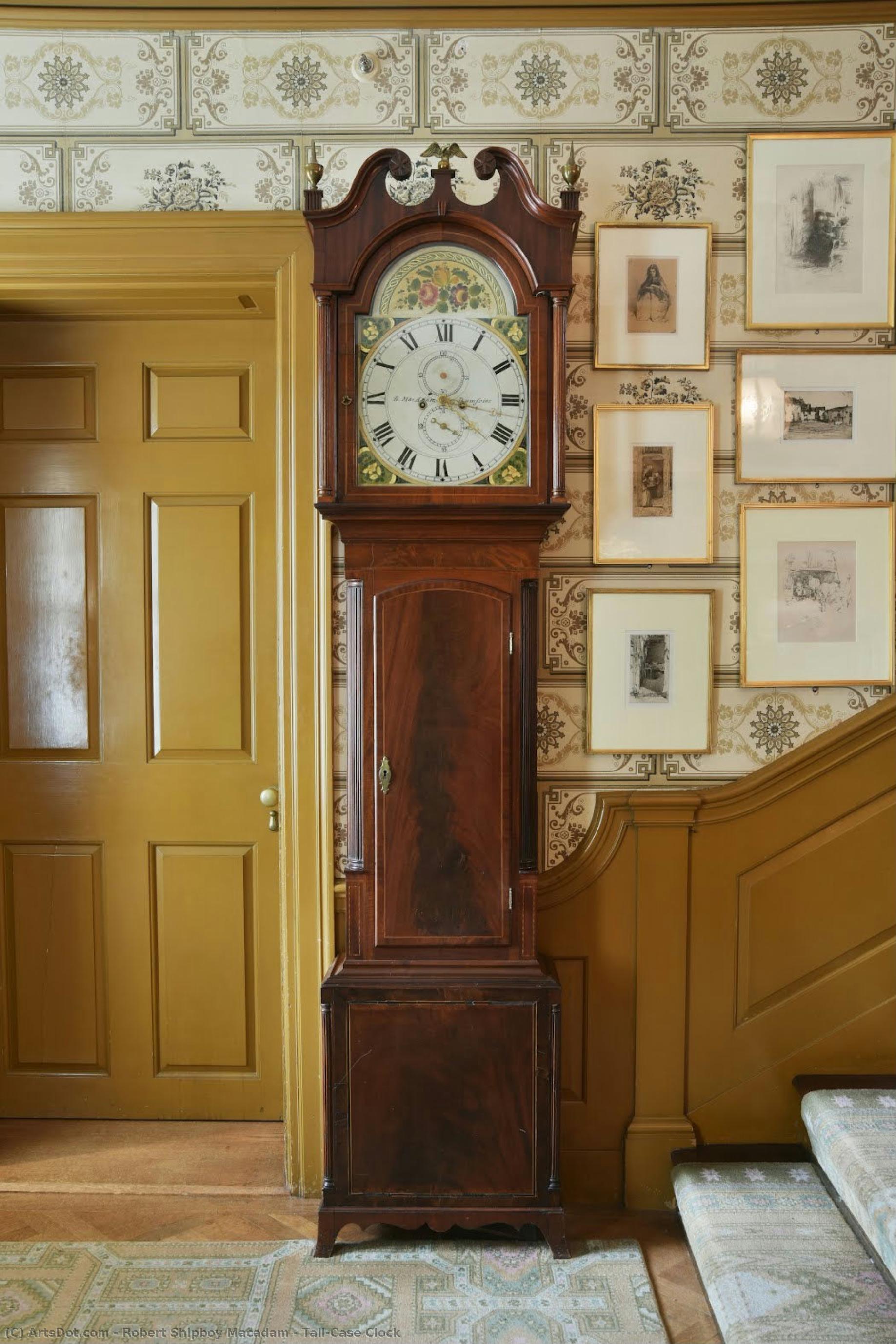
- Tall-Case Clock
 Заказать принт Заказать репродукцию
 Поделиться
 Поделиться
 Детали произведения
 Добавить в избранное

 Скачать
 Похожие работы
 Рентгенография
 Слайд-шоу
Tall-Case Clock


 Читать далее
Приобретите цифровое изображение высокого разрешения в улучшенном качестве, которое значительно превосходит онлайн-превью.
Каждый файл тщательно подготавливается нашими специалистами с использованием передовых инструментов и экспертной ручной ретуши. Мы гарантируем исключительную четкость, точную цветопередачу и детальную проработку каждого изображения.
Финальный файл доставляется по электронной почте в течение 72 часов и оптимизирован для немедленного использования в профессиональной среде, при верстке и печати. Это тот же уровень качества, которому доверяют ведущие дизайнерские студии, издательства и галереи.
Цифровое изображение
Скачайте файл высокого разрешения для личного использования, печати и творческих проектов.
Включено в каждый заказ цифровых изображений
Гарантия экспертной цифровой доставки
Выбирая ArtsDot.com, вы получаете не просто изображение — вы приобретаете профессионально обработанное цифровое произведение искусства, созданное с безупречной точностью и под защитой гарантии качества. Вот всё, что автоматически входит в ваш заказ:

Мгновенная доставка по e-mail
Ваш цифровой файл в высоком разрешении будет отправлен вам по электронной почте в течение 72 часов после оформления заказа — и сразу станет доступен для использования.

Цифровой файл с ИИ-улучшением
Ваше произведение искусства проходит профессиональную оптимизацию с использованием передовых инструментов ИИ и ручной обработки, что гарантирует максимальную детализацию, четкость и точность цветопередачи.

Бессрочная бесплатная повторная доставка
Случайно удалили или потеряли файл? Не беспокойтесь — мы отправим его вам повторно в любое время и совершенно бесплатно.

Без импортных пошлин — навсегда
Наслаждайтесь вашим произведением искусства мгновенно без таможенных пошлин, сборов или затрат на доставку — цифровые загрузки всегда не облагаются налогом.

Гарантия точности цветопередачи
Мы гарантируем, что ваше цифровое изображение максимально точно передает оригинальные цвета благодаря использованию профессиональных инструментов и систем управления цветом.

Гарантия удовлетворения в течение 60 дней
Если вы останетесь не удовлетворены покупкой цифрового изображения, мы внесем в него правки или вернем 100% стоимости в течение 60 дней — без лишних вопросов.

100% Гарантия возврата средств
Не удовлетворены покупкой? Мы гарантируем полный возврат средств в течение 60 дней после получения вашего цифрового файла — без лишних вопросов.

Скидки на оптовые заказы
Купите 3 изображения, сэкономьте 10% — Купите 5, сэкономьте 15% — Купите 10+, сэкономьте 20%. Отличное решение для творческих проектов, галерей и агентств.
Описание коллекции
Биография художника
Francisco Goya: A Revolutionary Voice of His Time
Francisco José de Goya y Lucientes, born in 1746 in Fuendetodos, Spain, was more than just a painter; he was a chronicler of his era, a visionary who captured the tumultuous spirit of Europe with unflinching honesty and profound emotional depth. His life spanned nearly six decades, witnessing revolutions, wars, and social upheavals that profoundly shaped his artistic vision. From the opulent court paintings of his early career to the haunting “Black Paintings” of his later years, Goya’s work remains a testament to the power of art to reflect and challenge the world around it. He stands as a pivotal figure, bridging the gap between the Old Masters and the emerging modern aesthetic, profoundly influencing generations of artists who followed.Early Years and Artistic Training
Goya’s artistic journey began with formal training in Zaragoza under José Luzán y Martínez, a local artist influenced by Neoclassical styles prevalent at the time. Recognizing his exceptional talent, Goya later traveled to Italy, immersing himself in the works of Venetian masters like Titian and Veronese – artists known for their dramatic use of light, vibrant colors, and emotional intensity. This exposure proved transformative, laying the groundwork for Goya’s distinctive style. He returned to Spain and served as a court painter under King Charles IV and his son Ferdinand VII, producing portraits that showcased the grandeur of the Spanish monarchy. However, even within these commissioned works, subtle critiques began to emerge, hinting at the artist's growing disillusionment with the political climate.The Disasters of War and Social Commentary
A turning point in Goya’s career arrived during the Peninsular War (1808-1814), a brutal conflict between Spain and Napoleonic France. Witnessing firsthand the horrors of war, Goya abandoned his previous sympathies for the French and embarked on a series of powerful etchings known as *Los Desastres de la Guerra* ("The Disasters of War"). These prints – depicting scenes of carnage, suffering, and despair – are considered among the most harrowing depictions of warfare in art history. They moved beyond romanticized notions of heroism to expose the brutal realities of conflict, capturing the anguish of both soldiers and civilians. The series demonstrated a radical shift in artistic perspective, prioritizing emotional impact over idealized representation.The Rise of Romanticism and Personal Visions
Following the war, Goya’s art began to reflect the burgeoning Romantic movement, characterized by an emphasis on emotion, imagination, and individualism. His *Caprichos* (1799-1814) are a collection of fantastical and satirical images that explore themes of human folly, superstition, and social injustice. These prints reveal a darker side of Spanish society, populated by grotesque figures and unsettling scenes. Simultaneously, Goya began to paint more privately, creating a series of portraits of himself and his family – works that offer intimate glimpses into the artist’s life and evolving psychological state. The *Flashen* (1800-1802), depicting young women in various states of undress, are particularly intriguing, prompting speculation about their meaning and Goya's personal motivations.The Darkest Period: The “Black Paintings”
In his later years, as he suffered from increasing deafness and deteriorating health, Goya retreated to his estate in La Quinta del Sordo (“The Blind Man’s House”). There, he created a series of fourteen large canvases known collectively as the *Pinturas Negras* ("Black Paintings"). These intensely dark and emotionally charged works are considered among the most profound and unsettling in his oeuvre. They depict scenes of violence, madness, despair, and demonic figures – reflections of Goya’s own anxieties and disillusionment with humanity. The *Saturn*, for example, is a terrifying image of an aging god devouring his children, symbolizing the destructive forces of time and fate. Despite their bleakness, these paintings represent a culmination of Goya's artistic vision, offering a brutally honest portrayal of the human condition. Goya’s legacy endures as one of the most important figures in Western art history. His innovative techniques, powerful imagery, and unflinching social commentary continue to resonate with audiences today. He remains an artist who dared to confront difficult truths, challenging conventional notions of beauty and heroism while offering a profound meditation on the complexities of human existence. His work serves as a potent reminder of the enduring power of art to both reflect and shape our understanding of the world.
robert shipboy macadam
1808 - 1895 , United Kingdom
Основные сведения
- Artistic Movement Or Style: Romanticism, Neoclassicism
- Artists Or Movements Influenced By This Artist:
- Picasso
- Dalí
- Expressionists
- Artists Who Influenced This Artist:
- Tiepolo
- Mengs
- Velázquez
- Date Of Birth: March 30, 1746
- Date Of Death: April 16, 1828
- Full Name: Francisco Goya y Lucientes
- Nationality: Spanish
- Notable Artworks:
- The Third of May, 1808
- Saturn Devouring His Son
- The Naked Maja
- Place Of Birth: Fuendetodos, Spain

