

 Предпросмотр
 Поделиться
 Поделиться
 Детали произведения

 Скачать
 Похожие работы
 Рентгенография
 Слайд-шоу
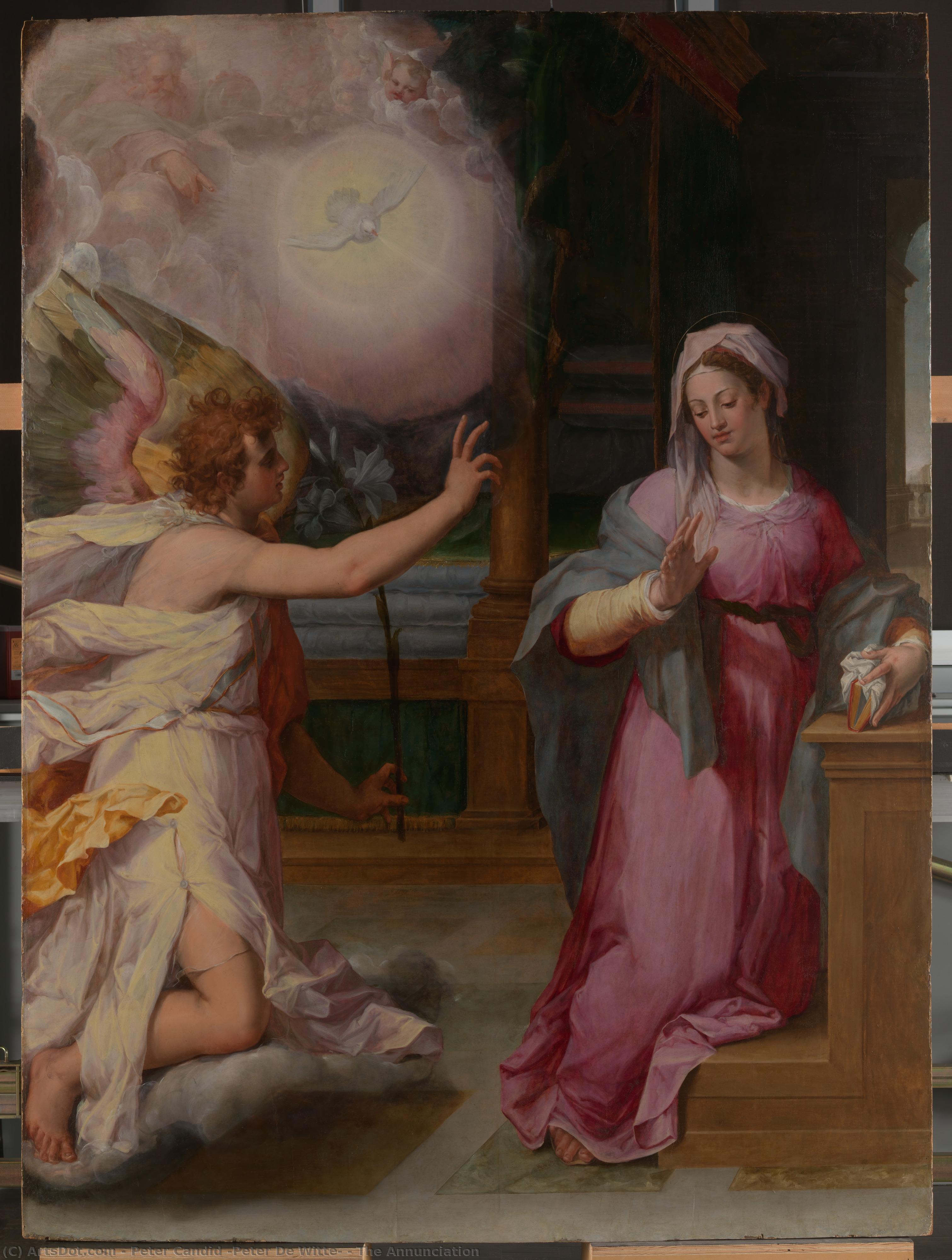
The Annunciation
 Oil On Canvas
- WallArt
- Baroque
 1585
1585 232.0 x 173.0 cm
 Музей Метрополитен
 Читать далее
Приобретите цифровое изображение высокого разрешения в улучшенном качестве, которое значительно превосходит онлайн-превью.
Каждый файл тщательно подготавливается нашими специалистами с использованием передовых инструментов и экспертной ручной ретуши. Мы гарантируем исключительную четкость, точную цветопередачу и детальную проработку каждого изображения.
Финальный файл доставляется по электронной почте в течение 72 часов и оптимизирован для немедленного использования в профессиональной среде, при верстке и печати. Это тот же уровень качества, которому доверяют ведущие дизайнерские студии, издательства и галереи.
Цифровое изображение
Скачайте файл высокого разрешения для личного использования, печати и творческих проектов. ( Купить принт Купить картину ручной работы)
Включено в каждый заказ цифровых изображений
Гарантия экспертной цифровой доставки
Выбирая ArtsDot.com, вы получаете не просто изображение — вы приобретаете профессионально обработанное цифровое произведение искусства, созданное с безупречной точностью и под защитой гарантии качества. Вот всё, что автоматически входит в ваш заказ:

Мгновенная доставка по e-mail
Ваш цифровой файл в высоком разрешении будет отправлен вам по электронной почте в течение 72 часов после оформления заказа — и сразу станет доступен для использования.

Цифровой файл с ИИ-улучшением
Ваше произведение искусства проходит профессиональную оптимизацию с использованием передовых инструментов ИИ и ручной обработки, что гарантирует максимальную детализацию, четкость и точность цветопередачи.

Бессрочная бесплатная повторная доставка
Случайно удалили или потеряли файл? Не беспокойтесь — мы отправим его вам повторно в любое время и совершенно бесплатно.

Без импортных пошлин — навсегда
Наслаждайтесь вашим произведением искусства мгновенно без таможенных пошлин, сборов или затрат на доставку — цифровые загрузки всегда не облагаются налогом.

Гарантия точности цветопередачи
Мы гарантируем, что ваше цифровое изображение максимально точно передает оригинальные цвета благодаря использованию профессиональных инструментов и систем управления цветом.

Гарантия удовлетворения в течение 60 дней
Если вы останетесь не удовлетворены покупкой цифрового изображения, мы внесем в него правки или вернем 100% стоимости в течение 60 дней — без лишних вопросов.

100% Гарантия возврата средств
Не удовлетворены покупкой? Мы гарантируем полный возврат средств в течение 60 дней после получения вашего цифрового файла — без лишних вопросов.

Скидки на оптовые заказы
Купите 3 изображения, сэкономьте 10% — Купите 5, сэкономьте 15% — Купите 10+, сэкономьте 20%. Отличное решение для творческих проектов, галерей и агентств.
Описание коллекции
Похожие произведения


Биография художника
Peter Candid (Peter de Witte): A Flemish Master Bridging Mannerism and Baroque
Peter Candid, known as Peter de Witte in English, was a prolific Flemish painter born in Bruges around 1548 and died in 1628. His artistic journey spanned across Europe, leaving an indelible mark on the visual arts of his time—primarily within the realms of Mannerism and Baroque painting styles. Candid’s distinctive approach combined meticulous detail with expressive dynamism, reflecting the intellectual currents of the Renaissance and its subsequent transformations.- Early Life & Training: Born into a wealthy Bruges family, Candid received an exceptional artistic education under Jan Messerschmidt, a leading Mannerist painter who instilled in him a profound understanding of classical ideals and compositional principles. This formative influence would permeate his entire oeuvre.
- Brussels Period (1576-1608): Candid established himself as a successful artist in Brussels during the Habsburg reign, attracting commissions from prominent patrons—including Maximilian I Holy Roman Emperor—and collaborating with fellow Mannerist masters like Anthony van Dyck and Rubens. His paintings showcased an impressive command of color and texture, capturing both grandeur and psychological depth.
- Roman Influence & Artistic Evolution: Candid undertook a pilgrimage to Rome in 1598, immersing himself in the artistic fervor of the Baroque era. This experience broadened his stylistic horizons, introducing him to new techniques and compositional strategies—particularly evident in his later works. He embraced dramatic lighting and theatrical staging, aligning with the prevailing aesthetic sensibilities of the period.
- Notable Works & Patronage: Candid’s output encompassed a diverse range of subjects—religious iconography, portraits, mythological scenes—demonstrating versatility and artistic ambition. His paintings graced churches and aristocratic residences throughout Europe, securing his reputation as one of the most respected artists of his generation. Among his celebrated masterpieces are “The Annunciation,” “St Margaret of Antioch,” and “Allegory of Vanity.”
- Legacy & Historical Significance: Candid’s contribution to Flemish art is undeniable. He stands as a pivotal figure in bridging the gap between Mannerism's intellectual rigor and Baroque's emotional intensity—a testament to his artistic genius and enduring influence on subsequent generations of painters. His meticulous attention to detail and expressive dynamism continue to inspire admiration and scholarly study today.
Style & Technique: A Synthesis of Classical Idealism and Baroque Drama
Candid’s artistic style was characterized by a masterful blend of Mannerist precision and Baroque theatricality. He adhered to classical proportions and idealized forms—inherited from Messerschmidt—yet infused his compositions with dramatic lighting, swirling draperies, and emotionally charged gestures. Candid skillfully employed sfumato—a technique pioneered by Leonardo da Vinci—to create subtle gradations of tone and color, enhancing the illusionistic depth of his paintings. Furthermore, he utilized chiaroscuro—the interplay between light and shadow—to sculpt figures and convey psychological states with remarkable effectiveness.- Color Palette: Candid favored vibrant hues—particularly reds, blues, and golds—reflecting the opulent tastes of his aristocratic patrons and aligning with Baroque’s expressive chromaticism.
- Compositional Devices: He employed asymmetrical arrangements and dynamic diagonals to generate visual tension and captivate the viewer's gaze—a hallmark of Mannerist aesthetics adapted for Baroque grandeur.
- Brushwork & Texture: Candid’s brushstrokes were deliberate and controlled, conveying both smoothness and textural richness—essential elements in achieving a convincing illusionistic surface.
Influences & Artistic Connections
Candid's artistic development was profoundly shaped by the intellectual environment of Bruges and Brussels during his formative years. The humanist ideals championed by Erasmus of Rotterdam instilled in him a belief in reason and observation—influencing his meticulous rendering of anatomical detail and classical references. He closely followed the stylistic innovations of Mannerist masters like Parmigianino and Bronzino, absorbing their techniques and compositional strategies. Simultaneously, Candid engaged with the burgeoning Baroque movement in Rome, recognizing its expressive potential and embracing new artistic conventions. His collaborations with Rubens and Van Dyck fostered a vibrant artistic dialogue—enriching his oeuvre and cementing his place within the Flemish Renaissance canon.
peter candid (peter de witte)
1548 - 1628 , Belgium
Основные сведения
- Artistic Movement Or Style: Mannerism & Baroque
- Date Of Birth: 1548
- Full Name: Peter Candid (Peter de Witte)
- Nationality: Flemish
- Notable Artworks:
- The Annunciation
- St Margaret of Antioch
- Allegory of Vanity
- Place Of Birth: Bruges, Belgium

