

 Предпросмотр
 Поделиться
 Поделиться
 Детали произведения
 Руководство

 Скачать
 Похожие предметы
 Рентгенография
 Слайд-шоу
 Вопросы и ответы
 Статистика просмотров
Number 23, 1951

- 148.0 x 119.0 cm


 Читать далее
Жикле и арт-принты
Печать (жикле) или холст музейного качества с быстрыми сроками изготовления и широким выбором вариантов отделки. ( Купить картину ручной работы Перейти к цифровым изображениям)




P118B $10

P118H $10

P118W $10

P438Z $10

P508JH $12

P508YH $12

P805H $10

P805Z $10

P919BZ $10

P919G $10

P919XJ $10

P959ZH $10

P968JZ $12

W106C $8

W218G $10

W218JH $8

W218Y $10

W307PJ $10

W316G $10

W316PJ $8

W316Y $10

W398PJ $8

W4111J $10

W500HY $15

W500JH $15

W692G $12

W849H $8

W940BG $15

W953PJ $8




Выберите один из наших стандартных размеров, соответствующих оригинальным пропорциям произведения искусства.

Введите необходимую ширину и высоту, чтобы репродукция подошла к вашей раме или стене. При печати изображение можно только уменьшить, но нельзя увеличить больше оригинала, поэтому при выборе другого формата часть изображения может быть обрезана. Перед печатью мы отправим вам цифровой макет на утверждение. Изображение на этой странице не отображает реальную обрезку — ее можно увидеть только на макете.
Доставка по всему миру () за 2 недели вместо стандартных 4–5 недель. (12 Ноябрь)

Бесплатная экспресс-доставка по всему миру

Высококачественный льняной холст

Полное страхование при доставке

Гарантия возмещения таможенных пошлин

Гарантия точного цветового соответствия

100-дневная гарантия возврата (только при обнаружении дефектов)

Гарантия возврата 100% средств

Скидка при оптовом заказе
 Вариант со стеклом доступен только для размеров менее 110 см

Number 23, 1951
Жикле и арт-принты
Размер репродукции
-


Итоговая стоимость
$ 63
The Raw Nerve: Paul Jackson Pollock’s Black Pouring
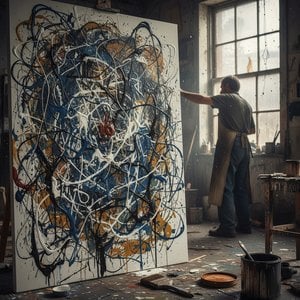
Paul Jackson Pollock's "Number 23, 1951" isn’t merely a painting; it’s an immersion. Created during a pivotal period of his artistic evolution – the “black pourings” – this work represents a deliberate retreat from the vibrant, all-over drips that initially defined his fame and a profound exploration into the subconscious. It's a piece that vibrates with a potent energy, a visual manifestation of anxiety, introspection, and a burgeoning interest in surrealist imagery and psychological depth. The stark monochrome palette immediately commands attention, stripping away any pretense of representational art and forcing the viewer to confront the raw materiality of paint itself.
- The Technique: Pollock’s method here is strikingly precise yet utterly chaotic. He thinned enamel paint – a material he experimented with extensively – to an almost liquid consistency, then employed a large basting syringe to fling and squirt it onto the unprimed canvas. This wasn't a spontaneous act of abandon; rather, it was a carefully orchestrated process, resulting in swirling patterns that seem to both coalesce and disintegrate before your eyes. The slow drying time allowed for an unexpected merging of colors and textures, creating a layered effect reminiscent of geological strata or even the shifting sands of memory.
- The Figures: Embedded within this turbulent field are enigmatic figures – faces, breasts, hands—fragments that emerge from the swirling chaos with a disconcerting immediacy. These aren’t easily deciphered; they're not portraits in the traditional sense but rather symbolic representations of anxieties and desires lurking beneath the surface. Their fragmented nature mirrors the fractured state of the psyche, suggesting a struggle to articulate inner turmoil.
A Surrealist Awakening: Influences and Intent
Pollock’s exploration of black paint wasn't born in isolation. The period coincided with a renewed interest in surrealism, fueled by his exposure to the works of artists like Joan Miró and Max Ernst. He was captivated by the idea of tapping into the unconscious mind, believing that painting could be a vehicle for accessing hidden emotions and symbolic imagery. “Number 23” is therefore a direct response to this influence, a deliberate attempt to bypass rational thought and delve into the realm of dreams and intuition. The absence of a clear narrative or subject matter further reinforces this surrealist impulse, inviting viewers to project their own interpretations onto the canvas.
Historical Context:The painting was created in 1951, a time of significant global upheaval – the Korean War raged on, and anxieties about the Cold War were escalating. Pollock’s work reflects this atmosphere of uncertainty and tension, capturing a sense of unease and psychological strain.
Decoding the Symbols: Faces and the Unconscious
The recurring presence of faces within “Number 23” is particularly intriguing. These aren't idealized or flattering representations; they are distorted, fragmented, and often obscured by layers of paint. Some scholars interpret them as self-portraits—a visual manifestation of Pollock’s own anxieties and insecurities. Others see them as archetypal figures representing primal instincts and unconscious desires. The ambiguity is deliberate, encouraging viewers to engage in a dialogue with the painting and construct their own meaning.
- The Breast/Hand Motif: The prominent presence of what appears to be a breast or hand—a recurring motif in Pollock’s black pourings—has been interpreted as symbols of vulnerability, creation, and perhaps even mortality.
- Fragmented Forms: The overall fragmentation of the figures suggests a sense of psychological disintegration, reflecting the anxieties of the post-war era.
A Legacy in Monochrome: Reproduction and Appreciation
"Number 23, 1951" stands as a testament to Pollock’s groundbreaking approach to painting—a radical departure from traditional techniques and a profound exploration of the human psyche. ArtsDot offers high-quality reproductions that capture the essence of this iconic work, allowing you to bring its raw energy and enigmatic symbolism into your own space. Consider it not just a decoration, but an invitation to contemplate the complexities of the human experience.
Вопросы и ответы
Как цвета в работе «Number 23, 1951», Джексон Поллок связаны с её эмоциональным настроем?
В работе «Number 23, 1951» палитра Earthy создает Melancholic настроение.
Какую эмоцию передает «Number 23, 1951», Джексон Поллок?
Эмоциональный тон, зафиксированный для «Number 23, 1951», Джексон Поллок, — Melancholic. Он передает суть чувств, которые выражает это произведение.
Можно ли с помощью дополненной реальности увидеть «Number 23, 1951», Джексон Поллок в своем интерьере?
У произведения «Number 23, 1951» есть функция предварительного просмотра в дополненной реальности: на странице Просмотр в AR вы можете увидеть работу в своем собственном пространстве с помощью совместимого устройства.
Похожие произведения


Биография художника
Ранние годы, семья и обучение
История Пола Джексона Поллока берет свое начало в суровых ландшафтах Коди, штат Вайоминг, где он родился 28 января 1912 года. Он был младшим из пяти братьев в семье Стеллы Мэй Макклюр и Лероя Поллока. Его отец работал землемером — профессия, требовавшая постоянного движения по бескрайним просторам американского Запада. Это кочевое существование означало, что первые годы жизни мальчика прошли в частых переездах; эта неупорядоченность, казалось, зеркально отражала изменчивые горизонты работы его отца. Ранние путешествия по Западу подарили ему прямое, непосредственное знакомство с миром природы и духовным резонансом искусства коренных американцев — впечатления, которые затаились в его подсознании задолго до того, как он впервые взял в руки кисть.
По мере взросления поиск своего места в мире привел его к урбанистической энергии побережья. Он поступил в среднюю школу Manual Arts в Лос-Анджелесе, стремясь найти формальную структуру для своих зарождающихся импульсов. Однако истинное становление его мастерства произошло гораздо позже, когда он переехал в Нью-Йорк. Именно там, в Арт-студенческой лиге, начался его долгий и преображающий период обучения. С 1929 по 1942 год он работал под руководством Томаса Харта Бентона. В то время как Бентон делал акцент на ритмических композициях и повествовательной значимости американской жизни, молодой студент уже начинал дрейфовать к своим собственным, более абстрактным, внутренним истинам.
Развитие уникальной техники
К 1947 году в его подходе к холсту произошел глубокий сдвиг. Он отказался от традиционного мольберта, предпочитая расстилать полотна прямо на полу. Это изменение позволило ему стоять над своей работой, становясь неотъемлемой частью самого творческого акта. Он не просто наносил краску; он позволял ей капать, разбрызгивать и разлетаться сверху, позволяя жидкости ложиться непредсказуемыми узорами. Этот метод превратил процесс живописи в физический перформанс, где окончательную форму диктовали гравитация и жест.
Его инструменты были столь же нетрадиционны, как и сами методы. Он использовал палочки, ножи и даже шприцы, чтобы управлять текучей средой. Иногда он применял шпатели или разбрызгивал жидкую краску для создания специфических текстур. Он часто процарапывал поверхность или использовал необычные предметы, чтобы создать густую корку краски, придавая работе тактильное, почти скульптурное качество. Этот процесс был связан не столько с контролируемой работой кисти, сколько с ритмичным, почти первобытным высвобождением энергии на поверхность холста.
Ключевые работы и художественное самовыражение
Отказываясь от ограничений мольберта, Джексон Поллок начал создавать полотна, в которых чувствовалось более висцеральное, почти физическое взаимодействие с материалом. В 1943 году он представил «Мурал» — монументальное полотно размером 2,4 на 6,1 метра, продемонстрировавшее его способность подчинять себе колоссальное пространство. В этот период его исследования подсознания и самого процесса живописи привели к созданию таких работ, как «Глаза в жаре», написанной около 1946 года. Эти произведения были не просто изображениями, а свидетельствами физического присутствия художника, где движение всего его тела диктовало расположение каждой кляксы и каждого цветового пятна.
Последующие годы стали временем совершенствования ритмичных, всеохватывающих композиций, которые впоследствии принесли ему мировую славу. Он стремился создать ощущение безграничного пространства, где ни одна точка не доминировала бы над остальными. Этот подход отчетливо прослеживается в работе «Номер 1, 1949», запечатлевшей первозданный поток энергии, и в «Лавандовом тумане» (Номер 1, 1950), который остается одним из важнейших достижений его творчества. В этих полотнах взаимодействие контроля и случайности создает хрупкий баланс, словно краска не наносилась на холст, а была высвобождена на волю случая.
Его поздние эксперименты продолжали раздвигать границы того, как можно манипулировать краской на горизонтальной поверхности. Он часто использовал палочки, ножи или даже сами банки, чтобы разбрызгивать пигмент, создавая сложные сети линий. Этот метод отчетливо виден в «Синих столбах» (Номер 11, 1952) и в экспрессивной «Конвергенции». Благодаря этим работам он достиг состояния, в котором живопись, казалось, обретала собственную жизнь, рождаясь из глубокого погружения в бездны собственного воображения.
Меценаты, мастерская и заказы
Путь его карьеры формировался под влиянием как общественных нужд, так и щедрости нескольких ключевых покровителей. В период с 1938 по 1942 год он находил стабильную работу художником в рамках Федерального арт-проекта WPA, что обеспечило необходимый ритм его развивающейся творческой практике. Эта стабильность сменилась более личным и преображающим союзом, когда в июле 1943 года Пегги Гуггенхайм предложила ему контракт с галереей. Ее поддержка оказалась чем-то гораздо большим, чем просто профессиональное признание; в 1945 году она предоставила ему 2000 долларов в качестве первоначального взноса, чтобы помочь ему обзавестись собственным жильем — жест, который тесно переплел его личную жизнь с вопросом его творческого выживания.
В конечном итоге центр его творческой жизни переместился в Ист-Хэмптон, штат Нью-Йорк. Там, в доме-студии Поллока и Краснер, он жил и работал вместе со своей женой, Ли Краснер. Студия была пространством интенсивного физического движения, где границы между художником и холстом практически стирались. Он часто отказывался от традиционного мольберта, предпочитая расстилать холсты прямо на полу, чтобы взаимодействовать с краской со всех сторон. Это рабочее пространство было не просто мастерской для создания полотен, но местом сосредоточения глубокой, неукротимой энергии, где рождались его самые радикальные эксперименты.
Поздние годы и смерть
Личная жизнь художника была неразрывно переплетена с его творческими исканиями и внутренними бурями. В 1945 году он женился на художнице Ли Краснер — этот союз стал важнейшей опорой в его жизни в период самых глубоких трансформаций. Однако за фасадом профессионального триумфа скрывалась неизменная тень: на протяжении всей жизни Джексон Поллок боролся с алкогольной зависимостью. Эта борьба постоянно осложняла его существование, мешая справляться с колоссальным давлением растущей славы.
Внутреннее и внешнее смятение привело к трагической развязке в Ист-Хэмптоне, штат Нью-Йорк. 11 августа 1956 года, в возрасте 44 лет, его жизнь оборвалась в результате внезапной и жестокой аварии. Во время вождения он попал в столкновение с препятствием, вызванное состоянием опьянения. Катастрофа стала роковой, оставив после себя наследие столь же неистовое и стихийное, как и брызги краски, которые он разбрасывал по своим холстам.
Наследие и влияние на современное искусство
Эхо его радикальных методов разнеслось далеко за пределы студийных стен Ист-Хэмптона. Разорвав традиционную связь между кистью и мольбертом, Джексон Поллок стал центральной фигурой абстрактного экспрессионизма — сдвига, который коренным образом изменил траекторию американского творчества. Его присутствие помогло закрепить за Нью-Йорком статус мирового центра современного искусства, сместив сердце авангарда из-под европейского доминирования. Он был одним из первых американских художников, признанных на равных с великими европейскими мастерами XX века, доказав, что на почве Соединенных Штатов может зародиться новый, висцеральный язык самовыражения.
Его влияние послужило катализатором для многих последующих художественных течений, последовавших по его стопам. То, как он взаимодействовал с холстом, превращая его в арену для физического действия, а не просто в поверхность для изображения, открыло двери для многих, кто стремился выразить подсознательное через жест. Этот акцент на самом процессе созидания оставил неизгладимый след в истории современного искусства, гарантируя, что спонтанность и непредсказуемость навсегда займут свое место в арсенале художника.
- Number 1, 1949
- Blue Poles: Number 11, 1952
- Convergence
- Autumn Rhythm. Number 30, 1950
Где можно увидеть его работы сегодня
Чтобы воочию увидеть физические следы его движения, необходимо отправиться в великие институции, сохранившие его радикальную энергию. В Нью-Йорке Музей современного искусства (MoMA) хранит несколько его полотен, позволяя зрителю замереть перед размашистыми, лишенными единого центра композициями, которые определили целую эпоху. Национальная галерея искусств в Вашингтоне также обладает его произведениями, предлагая пространство для созерцания тех запутанных сетей цвета, которых он достигал своими уникальными методами. По другую сторону Атлантики Галерея Тейт в Лондоне поддерживает живое присутствие его духа в своих коллекциях, гарантируя, что его влияние распространяется далеко за пределы американских берегов.
Для тех, кто ищет более интимной связи с его творческим процессом, Дом-студия Поллока и Краснер в Ист-Хэмптоне дарит глубокое ощущение сопричастности к истории. Это место, являющееся национальным историческим памятником, было пространством, где он и его жена, Ли Краснер, жили и работали. Это владение остается жизненно важным связующим звеном с его жизнью, сохраняя среду, которая способствовала его переходу от традиционных форм к спонтанным методам работы на полу, изменившим ход современной живописи. Прогулка по этим местам дает возможность прочувствовать масштаб и физическую реальность его творческой борьбы.
- Number 1, 1949
- Blue Poles: Number 11, 1952
- Mural (1943)
- Convergence

Джексон Поллок
1912 - 1956 , США
Об авторе
- Artistic Movement Or Style: Абстрактный экспрессионизм
- Artists Or Movements Influenced By This Artist:
- Живопись цветового поля
- Абстрактный экспрессионизм
- Artists Who Influenced This Artist:
- Томас Харт Бентон
- Хосе Клементе Ороско
- Давид Альфаро Сикейрос
- Date Of Birth: 1912
- Date Of Death: 1956
- Full Name: Пол Джексон Поллок
- Nationality: Американец
- Notable Artworks:
- Номер 1, 1950 (Лавандовый туман)
- Один: Номер 31, 1950
- Синие столбы: Номер 11, 1952
- Конвергенция
- Place Of Birth: Коди, Соединенные Штаты Америки
Похожие статьи

Фрэнсис Бэкон: 25 шедевров художника. Купить картины онлайн | ArtsDot
Погрузитесь в мир Фрэнсиса Бэкона! 25 шедевров экспрессионизма, полных эмоций и висцеральной силы. Купите репродукции картин Бэкона на холсте и украсьте свой интерьер искусством мирового уровня. Explore the full collection online | ArtsDot.
Paul Jackson Pollock: A Radical Departure – Exploring Abstract Expressionism's Pioneering Figure and His Enduring Legacy
Explore the revolutionary art of Jackson Pollock & Abstract Expressionism. Discover his iconic drip paintings, lasting impact, and considerations for collecting this pivotal American artist. Expert insights at ArtsDot.

Beyond Shapes: 10 Iconic Abstract Masterpieces That Redefine Art
Journey through history with 10 iconic abstract masterpieces. From bold expressionism to geometric elegance, discover the stories behind these timeless works. Find museum-quality art reproductions and curated decor inspiration. Explore the full collection online at ArtsDot.com.

Beyond Reality: Exploring Symbolism's Influence on Modern Art & Psychological Expression
Explore the captivating world of Symbolism! Discover key artists, psychological themes & its lasting impact on modern art. Expert insights for collectors and enthusiasts at ArtsDot.

Топ-10 шедевров абстрактного экспрессионизма: искусство для вашего интерьера от ArtsDot.com
Погрузитесь в мир абстрактного экспрессионизма! Откройте для себя 10 шедевров Поллока, Ротко и других гениев. История искусства, техники живописи и вдохновение для вашего интерьера от ArtsDot.com. Explore the full collection online!


