

 Предпросмотр
 Поделиться
 Поделиться
 Детали произведения
 Руководство

 Скачать
 Похожие предметы
 Рентгенография
 Слайд-шоу
 Вопросы и ответы
 Статистика просмотров
Sonne


 Читать далее
Получите файл, готовый к печати, качество которого значительно превосходит веб-превью. Каждое цифровое изображение в нашем каталоге создано на основе мастер-файла высокого разрешения — обычно шириной от 5 000 до 15 000 пикселей, — что позволяет вам уверенно печатать работы большого формата, использовать кадрирование или воспроизводить мельчайшие детали.
Ни один файл не покидает нашу студию без обработки. Эксперт по цифровой ретуши сверяет цвета с оригинальной картиной и при необходимости корректирует их, после чего повышает четкость и детализацию с помощью профессиональных инструментов — неизменно сохраняя верность мазкам кисти и стилю автора. В результате получается изображение, которое выглядит как подлинная живопись, а не как отсканированный снимок с наложенными фильтрами.
Вы одобряете результат до завершения заказа: наш эксперт отправит изображение по электронной почте в течение 72 часов для вашего ознакомления. Не удовлетворены результатом? Попросите внести правки или исправления, либо запросите возврат средств, если качество не соответствует ожиданиям.
Именно на это качество полагаются издательства, дизайн-студии, галереи и типографии.
Цифровое изображение
Скачайте файл высокого разрешения для личного использования, печати и творческих проектов. ( Перейти к печатным копиям Купить картину ручной работы)
Преимущества каждого заказа цифровых изображений
Гарантия профессиональной цифровой доставки изображений
Выбирая ArtsDot.com, вы получаете не просто изображение — вы приобретаете профессионально обработанное цифровое произведение искусства, созданное с безупречной точностью и под защитой гарантии качества. Вот всё, что автоматически входит в ваш заказ:

Мгновенная доставка по e-mail
Ваш цифровой файл в высоком разрешении будет отправлен по электронной почте в течение 72 часов после оформления заказа и сразу станет доступен для использования.

Цифровой файл с улучшением ИИ
Ваше произведение искусства проходит профессиональную оптимизацию с использованием передовых инструментов ИИ и ручной обработки, что гарантирует максимальную детализацию, четкость и точность цветопередачи.

Бесплатная пожизненная повторная отправка
Случайно удалили или потеряли файл? Не беспокойтесь — мы отправим его вам повторно в любое время и совершенно бесплатно.

Никаких импортных пошлин — никогда
Наслаждайтесь вашим произведением искусства мгновенно без таможенных пошлин, сборов или затрат на доставку — цифровые загрузки всегда не облагаются налогом.

Гарантия точности цветопередачи
Мы гарантируем максимально точное соответствие цветов цифрового изображения оригиналу благодаря использованию профессиональных инструментов и систем управления цветом.

Гарантия удовлетворенности 100 дней
Если вы не будете удовлетворены своим цифровым изображением, мы внесем правки или вернем 100% стоимости в течение 100 дней — без лишних вопросов.

100% Гарантия возврата средств
Не удовлетворены покупкой? Мы вернем вам полную стоимость в течение 100 дней после получения цифрового файла — без лишних вопросов.

Скидки на оптовые заказы
При покупке 3 изображений — скидка 10%; при покупке 5 — скидка 15%; от 10 изображений — скидка 20%. Отличное решение для творческих проектов, галерей и агентств.
Похожие произведения


Биография художника
A Life Illuminated: The Visionary World of Otto Piene
Otto Piene, born in Bad Laasphe, Germany, in 1928 and passing away in Berlin in 2014, was more than just an artist; he was a pioneer who relentlessly blurred the boundaries between painting, sculpture, performance, and technology. His life story is inextricably linked to the aftermath of World War II, a period that profoundly shaped his artistic philosophy. Witnessing the devastation firsthand as a young man—drafted into service as an anti-aircraft gunner—Piene sought to dismantle traditional artistic conventions and forge a new visual language rooted in objectivity, chance, and the elemental forces of nature. This quest led him to Munich and Düsseldorf for formal training, where he studied painting and art education alongside philosophy at the University of Cologne, laying the intellectual groundwork for his groundbreaking explorations.The Genesis of Zero and Early Explorations
Piene’s artistic trajectory took a pivotal turn with the co-founding of Group Zero in 1957, alongside Heinz Mack. This collective wasn't merely an aesthetic movement; it was a declaration—a rejection of the past and a commitment to rebuilding art from its foundations. The artists of Zero sought to strip away subjective expression, embracing seriality, mechanical processes, and the inherent beauty of materials themselves. Early works like the “Raster Pictures” (rasterbild) exemplify this approach. These weren’t paintings in the traditional sense but meticulously crafted grids created using half-tone screens, stenciled with single colors—often yellow, silver, white, or gold—onto canvas. They were investigations into pattern, energy, and the very nature of perception. These initial explorations quickly expanded beyond static surfaces. Piene began to animate his grids, projecting light through them in what he termed “Lichtballette” (“Light Ballet”), transforming space itself into a dynamic medium. Simultaneously, he embarked on the creation of "Rauchbilder" ("Smoke Pictures"), an alchemical process where fire and pigment converged. By burning solvents on paper, Piene coaxed forth organic forms from the resulting soot, harnessing the unpredictable beauty of natural energies—a direct response to his wartime experiences with light and destruction.Expanding Horizons: Sky Art and Technological Innovation
By the late 1960s, Piene’s ambition had grown exponentially. He coined the term “sky art” to describe large-scale installations that utilized landscapes and cities as canvases. This wasn't about imposing art *onto* the environment but rather collaborating with it, revealing its hidden potential. The most iconic example of this vision is undoubtedly the "Olympic Rainbow" created for the closing ceremony of the 1972 Summer Olympics in Munich—five helium-filled tubes, each an astounding 600 meters long, stretching across the sky as a symbol of peace and unity. Piene’s fascination with technology extended to television, where he collaborated with Aldo Tambellini on “Black Gate Cologne” (1968), considered one of the first experimental art programs broadcast on television. This pioneering spirit led him to MIT's Center for Advanced Visual Studies (CAVS) in 1968, where he served as a fellow, professor, and eventually director until 1993. At CAVS, Piene fostered an environment of interdisciplinary collaboration between artists, scientists, and engineers, exemplified by projects like the "Centerbeam Project"—a kinetic sculpture performance featuring laser projections, steam screens, holograms, and water prisms—first exhibited in Kassel and later on the National Mall in Washington D.C.. Even his design work for Timo Sarpaneva’s Suomi tableware for Rosenthal porcelain demonstrates a commitment to integrating art into everyday life.A Lasting Legacy: Kinetic Art and Beyond
Otto Piene's influence resonates deeply within the history of contemporary art. He was a true pioneer of kinetic and technology-based art, demonstrating how these mediums could be used not merely for spectacle but for profound artistic expression. His exploration of light as a primary medium paved the way for generations of artists working with illumination, projection, and spatial dynamics. As a founding member of Group Zero, he played a crucial role in reshaping post-war European art, advocating for objectivity, seriality, and a rejection of traditional conventions. His work challenged viewers to reconsider their relationship with art and the world around them. Piene’s international acclaim—particularly in Japan, America, and Europe—solidified his position as a leading figure in contemporary art. The founding of The International Zero Foundation in 2008 further cemented his commitment to preserving the legacy of Group Zero and its enduring impact on artistic thought. Otto Piene didn’t just create art; he created experiences—immersive, transformative encounters that continue to inspire and provoke.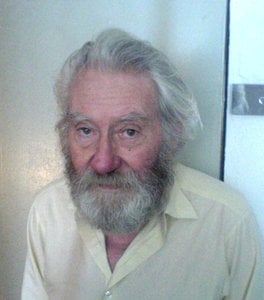
Otto Piene
1928 - 2014 , Poland
Основные сведения
- Full Name: Otto Piene
- Nationality: German-American
- Date Of Birth: 1928
- Date Of Death: 2014
- Place Of Birth: Bad Laaspherode, Poland
- Notable Artworks:
- Rauchbild
- Olympic Rainbow
- Manned Helium Sculpture
- Artistic Movement Or Style: Kinetic art, ZERO group
- Artists Who Influenced This Artist:
- László Moholy-Nagy
- Fernand Léger
- Artists Or Movements Influenced By This Artist:
- Light art
- Kinetic artists