


Картина подстраивается под ваш выбор: , .
Описание предмета коллекционирования
Explore Max Klinger’s 'Bather,' a poignant bronze sculpture embodying Symbolist realism & emotional depth. Discover its expressive form & studio-lit beauty.
 Читать далее
Биография художника
Макс Клингер – немецкий художник-символист, мастер гравюры и скульптуры. Его работы исследуют тайны человеческой души, мифы и мечты. Познайте мир его мрачных и завораживающих творений!
Закажите ваш в четыре простых шага
Не торопитесь. Вы можете изменить любой ответ; цена в вашей корзине будет обновляться после каждого выбора.
1 Шаг первый из четырех
On which medium should it be printed?
Canvas is printed with giclée inks and can be stretched or framed like a painting; paper comes flat, or framed behind glass.
2 Шаг второй из четырех
Какой размер вы бы хотели выбрать?
Эти размеры сохраняют пропорции оригинальной картины. На рисунке показано, как выбранный вами вариант будет смотреться на стене над двухметровым диваном.
Или укажите свои размеры
Выберите один из наших стандартных размеров, соответствующих оригинальным пропорциям произведения искусства.

Введите необходимую ширину и высоту, чтобы репродукция подошла к вашей раме или стене. При печати изображение можно только уменьшить, но нельзя увеличить больше оригинала, поэтому при выборе другого формата часть изображения может быть обрезана. Перед печатью мы отправим вам цифровой макет на утверждение. Изображение на этой странице не отображает реальную обрезку — ее можно увидеть только на макете.
3 Третий шаг из четырех
Как его подготовить: в рулоне, на подрамнике или в раме?
Ниже указаны цены для размера, выбранного вами на первом этапе.
Выберите тип обработки краев холста
Выберите свою раму

Белый торцевой край $1

Размытый край $1

С продолжением изображения $1

P118B $10

P118H $10

P118W $10

P438Z $10

P508JH $12

P508YH $12

P805H $10

P805Z $10

P919BZ $10

P919G $10

P919XJ $10

P959ZH $10

P968JZ $12

W106C $8

W218G $10

W218JH $8

W218Y $10

W307PJ $10

W316G $10

W316PJ $8

W316Y $10

W398PJ $8

W4111J $10

W500HY $15

W500JH $15

W692G $12

W849H $8

W940BG $15

W953PJ $8

H24-GOLD $30

H24-SILVER $30

H36-GOLD $45

H36-SILVER $45
В раме
Багет: . Общий размер в раме: .
4 Четвертый шаг из четырех
Несколько вариантов отделки
Все они являются необязательными. Выбранные ответы не влекут за собой дополнительных расходов.
Доставка по всему миру () за 2 недели вместо стандартных 4–5 недель. (22 Ноябрь)
Табличка, как в музее?
Детали гравировки на бронзовой плакетке
This elegant plaque features the artist's name and the title of the artwork, finely engraved for a timeless presentation.
It is made from bronze with a refined, elegant finish. The text is precisely laser-engraved for a sharp and permanent result. Measuring 9x2 cm, the plaque is compact yet easy to read. It's built to be durable and scratch-resistant, offering a professional, museum-quality look. Mounting is simple thanks to the included adhesive backing.
Детали прозрачной акриловой таблички
The plaque includes essential engraved details such as the artist's name, the title of the artwork, the date it was created, the type of media used-like oil on canvas or watercolor-a brief description of the piece, and a QR code that links to the complete artwork information.
It is crafted from clear acrylic, offering a sleek, modern appearance. The text is UV-engraved in black to ensure strong visual contrast. With a size of 10x15 cm, it ensures optimal readability. It comes equipped with two metal hooks for secure wall mounting. The plaque is designed to be weather-resistant, making it suitable for various environments, and it includes interactive features that work seamlessly with smartphone scanning.
Информация о чёрной акриловой табличке
This elegant plaque includes engraved information such as the artist's name, the title of the artwork, the date it was created, the type of media used (like oil on canvas or watercolor), a short description of the artwork, and a QR code for quick access to more information.
The plaque itself is made from refined black acrylic with a premium finish. The text is laser-engraved in white for high contrast and readability. Its size is 10x15 cm, designed to be easy to read. It comes with two metal hooks for professional mounting. The design is sleek and fits any interior style. It is also weather-resistant and durable, with built-in digital integration for mobile compatibility.
Защитный лак?
Когда вам нужна доставка?
✓ Проверить и заказать
Your print, as you ordered it

Bather
Техника репродукции
Размер репродукции
-

Оформление репродукции
-
-
Для произведений искусства или репродукций, размер которых превышает 105 см (приблизительно 41 дюйм) по любой из сторон, рама будет доставлена в разобранном виде (в виде комплекта). Этот метод обеспечивает безопасную доставку и предотвращает повреждения при транспортировке.
Требуется профессиональная сборка — это не продукт для самостоятельной сборки (DIY).
Комплект должен быть собран, а холст натянут опытным мастером по багетным рамам с использованием клеевого ПВА (не входит в комплект), струбцин для натяжки холста и зажимов, чтобы удерживать подрамник ровным до полного высыхания клея. Неправильная сборка или неравномерное натяжение холста могут привести к необратимому повреждению произведения искусства и не являются гарантийным случаем.
 Для произведений искусства или репродукций, размер которых превышает 105 см (приблизительно 41 дюйм) по любой из сторон, рама будет доставлена в разобранном виде (в виде комплекта). Этот метод обеспечивает безопасную доставку и предотвращает повреждения при транспортировке.
В комплект входят все бруски из массива дерева, точно вырезанные по размеру.
Собирается с помощью предоставляемых винтов, а также столярного клея для угловых соединений, который не входит в комплект и должен быть приобретен вашим мастером.
Требуются профессиональные инструменты, не входящие в комплект: щипцы для натяжки холста (натяжитель) и зажимы, чтобы удерживать рейки ровно во время высыхания клея.
Важно:
Для соединения углов требуется клей для дерева, перекладины необходимо зафиксировать струбцинами до полного высыхания клея, а для натяжки холста на собранную раму требуются щипцы для натяжки холста. Ни один из этих инструментов не входит в комплект. Пожалуйста, убедитесь в наличии опытного мастера по багетным работам перед заказом рамы такого размера.

Этикетка
-
-

Защитный лак
Глянцевый лак (насыщает цвета, защищает от воздействия света и влаги)
-

Экспресс-доставка
Доставка по всему миру () за 2 недели вместо стандартных 4–5 недель. (22 Ноябрь)
-
Экспресс-доставка
Доставка по всему миру () в течение 4–5 недель. (29 Ноябрь).
Включено в стоимость
Итоговая стоимость
$ 63
Вариант со стеклом доступен только для размеров менее 110 см
Включено в каждый заказ
- Бесплатная экспресс-доставка по всему миру
- Высококачественный льняной холст
- Полное страхование при доставке
- Гарантия возмещения таможенных пошлин
- Гарантия точного цветового соответствия
- 100-дневная гарантия возврата (только при обнаружении дефектов)
- Гарантия возврата 100% средств
- Скидка при оптовом заказе


A Silent Reflection: The Soul of Max Klinger’s Bather
In the quiet intersection where the tangible world of Realism meets the ethereal realm of Symbolism, Max Klinger’s “Bather” resides as a profound masterpiece of psychological depth. Created in 1908, this bronze sculpture does not merely present a figure submerged in water; it captures a fleeting, heavy moment of introspection. To gaze upon the Bather is to witness more than a physical form; it is to encounter a state of being—a serene yet sorrowful stillness that speaks to the universal human experience of vulnerability and contemplation. The figure’s posture, draped in subtle, flowing lines, invites the viewer into a private sanctuary of thought, making it an ideal centerpiece for those who appreciate art that stirs the subconscious.
The technical mastery displayed in this work is nothing short of extraordinary. Executed in bronze, the sculpture utilizes a sophisticated patination process that grants the metal an almost otherworldly glow. The dark, rich tones of the bronze create a striking contrast against its surroundings, allowing the light to dance across the contours of the female form and the intricate folds of her drapery. Klinger’s dedication to realism is evident in the way he captures the weight and texture of the material, yet he transcends mere imitation through his use of organic, curvilinear shapes. This harmony between the physical accuracy of the bronze and the fluid, rhythmic lines of the composition creates a visual melody that is both soothing and deeply moving.
Symbolism and the Dawn of Modern Anxiety
As a pioneer of German Symbolism, Klinger was deeply invested in exploring the hidden currents of the human psyche. During the dawn of the 20th century, a period marked by rapid industrialization and shifting social structures, "Bather" serves as an anchor for the era's collective anxieties and dreams. The sculpture moves beyond the literal depiction of a woman bathing to become a vessel for unspoken burdens and quiet resilience. Every curve of the body and every shadow cast by the studio lighting suggests a narrative complexity—a story of loss, longing, or perhaps a momentary escape from the pressures of the modern world.
For the discerning collector or interior designer, this piece offers an unparalleled opportunity to introduce emotional intelligence into a space. Whether placed in a minimalist contemporary gallery or a richly textured classical study, the Bather commands attention through its quiet intensity. It is not a work that shouts for recognition; rather, it waits to be discovered by those who seek depth and meaning in their surroundings. Owning a high-quality reproduction of this work allows one to bring the haunting beauty of Klinger’s vision into the home, providing a constant source of inspiration and a window into the profound mysteries of the human spirit.
Вопросы и ответы
Где я могу купить цифровое изображение «Bather», Макс Клингер?
Цифровое изображение работы «Bather», Макс Клингер можно приобрести на странице заказа Цифровое изображение в высоком разрешении: скачивание цифрового изображения в высоком разрешении.
Является ли «Bather», Макс Клингер картиной, рисунком или принтом?
«Bather», Макс Клингер относится к категории Sculpture. Данная категория определяет тип оригинального произведения искусства.
К какой эпохе относится «Bather»?
Исторический период произведения «Bather», Макс Клингер — Modern. Данная классификация определяет место работы в истории искусства.
Подробнее об этой картине
 Купить картину ручной работы
 Поделиться
 Поделиться
 Детали произведения
 Руководство

 Скачать
 Похожие предметы
 Слайд-шоу
 Вопросы и ответы
 Статистика просмотров
Похожие произведения


Макс Клингер
1857 - 1920, Германия
Биография художника
The Shadowed World of Max Klinger: A Pioneer of Symbolism
Max Klinger, born in Leipzig in 1857, wasn’t simply an artist; he was a translator of the unseen—a chronicler of dreams and anxieties that lay just beneath the surface of everyday life. His artistic journey began not with immediate acclaim but with a slow, deliberate descent into a world of psychological depth, a realm where symbols held more power than mere representation. From his early training at the Academy of Fine Arts in Karlsruhe, under the guidance of Karl Gussow, Klinger absorbed the lessons of traditional techniques—the meticulous rendering of form and light—but it was his fascination with the etchings of masters like Menzel and Goya that truly ignited his imagination. These artists demonstrated a remarkable ability to convey narrative complexity and profound emotional intensity through printmaking – qualities Klinger would masterfully harness throughout his career. He wasn’t interested in merely depicting what *was*; he sought to unveil what *felt*, what resonated with the hidden currents of the human soul.From Realism's Embrace to Symbolic Depths
Klinger’s artistic evolution was marked by a conscious and deliberate shift away from the prevailing aesthetic of realism—the detailed, often superficial depictions of everyday life that dominated the art world at the time. Initially, his work reflected this trend, showcasing scenes of urban life with considerable detail. However, this phase proved merely a stepping stone towards something far more profound. The turning point arrived with his groundbreaking series of etchings, *Paraphrase on the Finding of a Glove* (1881). This ambitious project wasn’t a literal illustration of an event; instead, it was a fragmented, dreamlike exploration of desire, loss, and the intricate complexities of human relationships. The glove itself became a potent symbol—a relic imbued with memory, longing, and the ephemeral nature of connection. The series' ten plates unfolded not as a straightforward narrative but as a collection of evocative images, each contributing to a larger, more ambiguous whole. This work established Klinger as a leading voice within the burgeoning Symbolist movement, demonstrating his unique ability to transform ordinary objects into vehicles for profound psychological insight—to imbue them with layers of meaning that extended far beyond their physical appearance. He wasn’t interested in simply *showing* what something looked like; he wanted to convey what it *represented*, what it evoked within the viewer's subconscious.Sculpture, Printmaking and the Exploration of Myth
Klinger’s artistic output was remarkably diverse, encompassing not only painting and printmaking but also sculpture—though it is arguably in the realm of graphic arts that he achieved his most enduring legacy. His prints are characterized by their meticulous technique, dramatic use of light and shadow, and haunting imagery. He wasn't afraid to tackle challenging themes – mortality, sexuality, and the darker aspects of the human psyche – often exploring them through allegorical figures and symbolic landscapes. Beyond *Paraphrase on the Finding of a Glove*, works like his depictions of Faustian bargains and mythological scenes reveal a fascination with archetypal narratives and universal human struggles. He experimented extensively with various intaglio techniques, including etching, drypoint, and aquatint, skillfully blending them to create a rich tapestry of tonal and formal effects. His sculptural work, though less prolific than his prints, was equally ambitious—often deliberately unsettling in its form and challenging conventional notions of beauty. A prime example is his monumental installation in homage to Beethoven at the Vienna Secession in 1902 – a powerful testament to the composer’s genius and a bold statement of artistic innovation. Klinger's sculptures weren't simply representations; they were explorations of emotion, often imbued with a sense of mystery and unease.Influences and Legacy: A Bridge to Modernity
Max Klinger’s influence extended far beyond his own lifetime. He wasn’t merely a product of his time; he was a catalyst for change, paving the way for Expressionism, Surrealism, and other avant-garde movements that sought to explore the inner world of human experience. His emphasis on symbolism, psychological depth, and subjective interpretation resonated deeply with artists grappling with the anxieties and uncertainties of the modern age. He anticipated the work of later Surrealists like Salvador Dalí and René Magritte through his exploration of dreamlike states and subconscious desires. Klinger’s art wasn't simply historical; it remains strikingly relevant today. In an era defined by rapid change and a pervasive sense of unease, his exploration of psychological themes – anxiety, alienation, and the search for meaning – continues to resonate with audiences worldwide. His legacy is a reminder that true artistic innovation lies not in merely replicating reality but in revealing its hidden depths and challenging our preconceived notions about the world around us. The artist’s willingness to confront uncomfortable truths and explore the darker corners of the human psyche cemented his place as a pivotal figure in the transition from 19th-century academic traditions to the radical experimentation of the 20th century.Notable Works & Continued Relevance
Beyond the celebrated *Paraphrase on the Finding of a Glove*, Klinger’s oeuvre boasts numerous significant pieces that continue to captivate and inspire. Paintings like “Karl Haberstock,” showcasing his influence on fellow artists, and works such as those included in collections at Kunstsammlungen und Museen Augsburg demonstrate his broad artistic range. His monochrome photographs, including "Days Of March III," with their intriguing UFO sightings, reveal a willingness to embrace the unconventional and explore the boundaries of perception. Klinger’s art isn't merely historical; it remains strikingly relevant today. In an era defined by uncertainty and rapid change, his exploration of psychological themes—anxiety, alienation, and the search for meaning—continues to resonate with audiences worldwide. His legacy is a reminder that true artistic innovation lies not in simply replicating reality but in revealing its hidden depths and challenging our preconceived notions about the world around us.Похожие статьи

Топ-10 шедевров XIX века: искусство, история и декор от ArtsDot.com
Погрузитесь в мир искусства XIX века! От реализма до импрессионизма – 10 величайших картин, истории художников и вдохновение для вашего интерьера. Репродукции высокого качества на ArtsDot.com. Откройте всю коллекцию онлайн!

Max Klinger: Symbolism, Science & the Subconscious – A German Master's Legacy
Explore the captivating world of Max Klinger, a pivotal German Symbolist artist. Discover his groundbreaking prints, psychological themes, & influence on modern art movements like Expressionism. Expert analysis and insights.
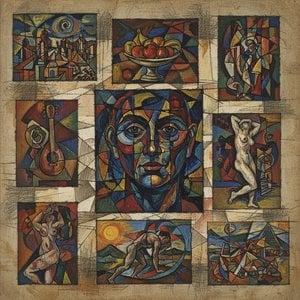
10 шедевров кубизма и экспрессионизма: искусство, изменившее мир | ArtsDot
Погрузитесь в мир кубизма и экспрессионизма! 10 шедевров от Picasso, Braque, Kandinsky и других гениев. Узнайте историю создания культовых картин и найдите идеальную репродукцию для вашего интерьера на ArtsDot.com