


 Предпросмотр
 Поделиться
 Поделиться
 Детали произведения
 Руководство

 Скачать
 Похожие работы
 Рентгенография
 Слайд-шоу
 Статистика
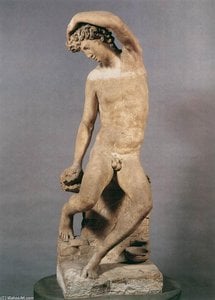
St sebastian

 Читать далее
Приобретите цифровое изображение высокого разрешения в улучшенном качестве, которое значительно превосходит онлайн-превью.
Каждый файл тщательно подготавливается нашими специалистами с использованием передовых инструментов и экспертной ручной ретуши. Мы гарантируем исключительную четкость, точную цветопередачу и детальную проработку каждого изображения.
Финальный файл доставляется по электронной почте в течение 72 часов и оптимизирован для немедленного использования в профессиональной среде, при верстке и печати. Это тот же уровень качества, которому доверяют ведущие дизайнерские студии, издательства и галереи.
Цифровое изображение
Скачайте файл высокого разрешения для личного использования, печати и творческих проектов. ( Перейти к печати Купить картину ручной работы)
Включено в каждый заказ цифровых изображений
Гарантия экспертной цифровой доставки
Выбирая ArtsDot.com, вы получаете не просто изображение — вы приобретаете профессионально обработанное цифровое произведение искусства, созданное с безупречной точностью и под защитой гарантии качества. Вот всё, что автоматически входит в ваш заказ:

Мгновенная доставка по e-mail
Ваш цифровой файл в высоком разрешении будет отправлен вам по электронной почте в течение 72 часов после оформления заказа — и сразу станет доступен для использования.

Цифровой файл с ИИ-улучшением
Ваше произведение искусства проходит профессиональную оптимизацию с использованием передовых инструментов ИИ и ручной обработки, что гарантирует максимальную детализацию, четкость и точность цветопередачи.

Бессрочная бесплатная повторная доставка
Случайно удалили или потеряли файл? Не беспокойтесь — мы отправим его вам повторно в любое время и совершенно бесплатно.

Без импортных пошлин — навсегда
Наслаждайтесь вашим произведением искусства мгновенно без таможенных пошлин, сборов или затрат на доставку — цифровые загрузки всегда не облагаются налогом.

Гарантия точности цветопередачи
Мы гарантируем, что ваше цифровое изображение максимально точно передает оригинальные цвета благодаря использованию профессиональных инструментов и систем управления цветом.

Гарантия удовлетворенности 100 дней
Если вы не будете удовлетворены своим цифровым изображением, мы внесем правки или вернем 100% стоимости в течение 100 дней — без лишних вопросов.

100% Гарантия возврата средств
Не удовлетворены покупкой? Получите полный возврат средств в течение 100 дней после получения цифрового файла — без лишних вопросов.

Скидки на оптовые заказы
Купите 3 изображения, сэкономьте 10% — Купите 5, сэкономьте 15% — Купите 10+, сэкономьте 20%. Отличное решение для творческих проектов, галерей и агентств.
Похожие произведения



Биография художника
The Renaissance Spirit of Lucca: The Life of Matteo Civitale
In the heart of the Italian Renaissance, amidst the burgeoning cultural dynamism of Lucca, a singular talent emerged to bridge the worlds of stone and pigment. Matteo Civitale (c. 1436 – 1501) stands as a profound testament to the multifaceted artistic spirit of his era. While historical records suggest a life of surprising transitions—with some accounts even suggesting he practiced as a surgeon before dedicating himself fully to the chisel—his legacy is indelibly etched into the marble and wood of the Tuscan landscape. Born in Lucca on June 5, 1436, Civitale became a leading artistic personality of the Early Renaissance, embodying the humanist ideal of the polymath who masters both the physical and the aesthetic realms.
His formative years were shaped by the rigorous traditions of his hometown, yet his vision was expanded through essential training in Florence. It was there that he encountered the transformative styles of Antonio Rossellino and Mino da Fiesole, masters whose delicate handling of form and classical grace would deeply inform his mature style. This exposure to Florentine innovation allowed Civitale to infuse his work with a sophisticated elegance that transcended local boundaries, blending the sturdy traditions of Lucchese craftsmanship with the burgeoning anatomical precision and classical revival sweeping through Italy.
A Mastery of Form: Sculpture and the Human Soul
Civitale’s true renown rests upon his extraordinary ability to breathe life into inanimate matter. As a sculptor, he was perhaps the most significant marble artist working outside of Florence during the latter half of the fifteenth century. His work is characterized by a remarkable textural detail and an ability to capture the profound emotional depth of his subjects. One of his most poignant achievements is the wooden sculpture of St. Sebastian, currently housed in the Palermo Cathedral. This piece exemplifies his mastery of carving, utilizing painstaking techniques to create a sense of physical presence and spiritual vulnerability. The figure reflects the influence of Flemish sculptural traditions, where meticulous detail serves to heighten the viewer's emotional connection to the divine.
Beyond the monumental, Civitale possessed a keen eye for the subtle nuances of human expression. His sculptures often reflect the humanist preoccupation with moral virtue and spiritual contemplation. Whether working in the enduring strength of marble or the warmer, more organic medium of wood, his hands sought to translate the complexities of the human condition into permanent form. This dedication to capturing the essence of his subjects—be they saints or civic patrons—ensured that his work functioned not merely as decoration, but as a profound dialogue between the earthly and the eternal.
The Elusive Brush: Painting and Architectural Legacy
While history primarily remembers him as a master of sculpture, Civitale’s artistic reach extended into the delicate realms of painting and even engineering. His painting career, though more elusive and often collaborative, reveals an artist capable of great versatility. The discovery of historical contracts has illuminated his work on altarpieces, such as the triptych for the church of San Michele di Antraccoli, where he worked alongside the Florentine painter Baldassarre di Biagio. In works like the Madonna and Child with Saints, one can observe a profound reverence for the masters of the past; his painted figures often echo the iconic strength of Donatello’s sculptures, showcasing a seamless integration of his sculptural sensibilities into the medium of oil and tempera.
The breadth of Civitale's contribution to the Renaissance cannot be measured by a single medium alone. His intellect and technical skill led him to engage with architecture and engineering, further cementing his role as a vital figure in the reconstruction of the classical world. His life’s work represents a harmonious convergence of several key artistic elements:
- Versatility: The rare ability to move between the heavy demands of marble carving and the delicate precision of portrait painting.
- Humanism: A dedication to portraying the dignity, emotion, and spiritual depth of the human figure.
- Cultural Synthesis: The blending of local Lucchese traditions with the high-style innovations of Florentine masters.
- Enduring Legacy: A body of work that remains a cornerstone of Early Renaissance art in Italy.
Ultimately, Matteo Civitale was more than a craftsman; he was an architect of the Renaissance spirit. Through his hands, the stone became flesh, and the wood became a vessel for the divine, leaving behind a legacy that continues to inspire awe in all who encounter the quiet strength of his creations.

matteo civitale
1436 - 1501 , Italy
Основные сведения
- Artistic Movement Or Style: Renaissance
- Date Of Birth: Lucca, Italy (1436)
- Date Of Death: 1501
- Full Name: Matteo Civitale
- Nationality: Italian
- Notable Artworks:
- St Sebastian
- Untitled
- Place Of Birth: Lucca