

 Предпросмотр
 Поделиться
 Поделиться
 Детали произведения

 Скачать
 Похожие работы
 Рентгенография
 Слайд-шоу
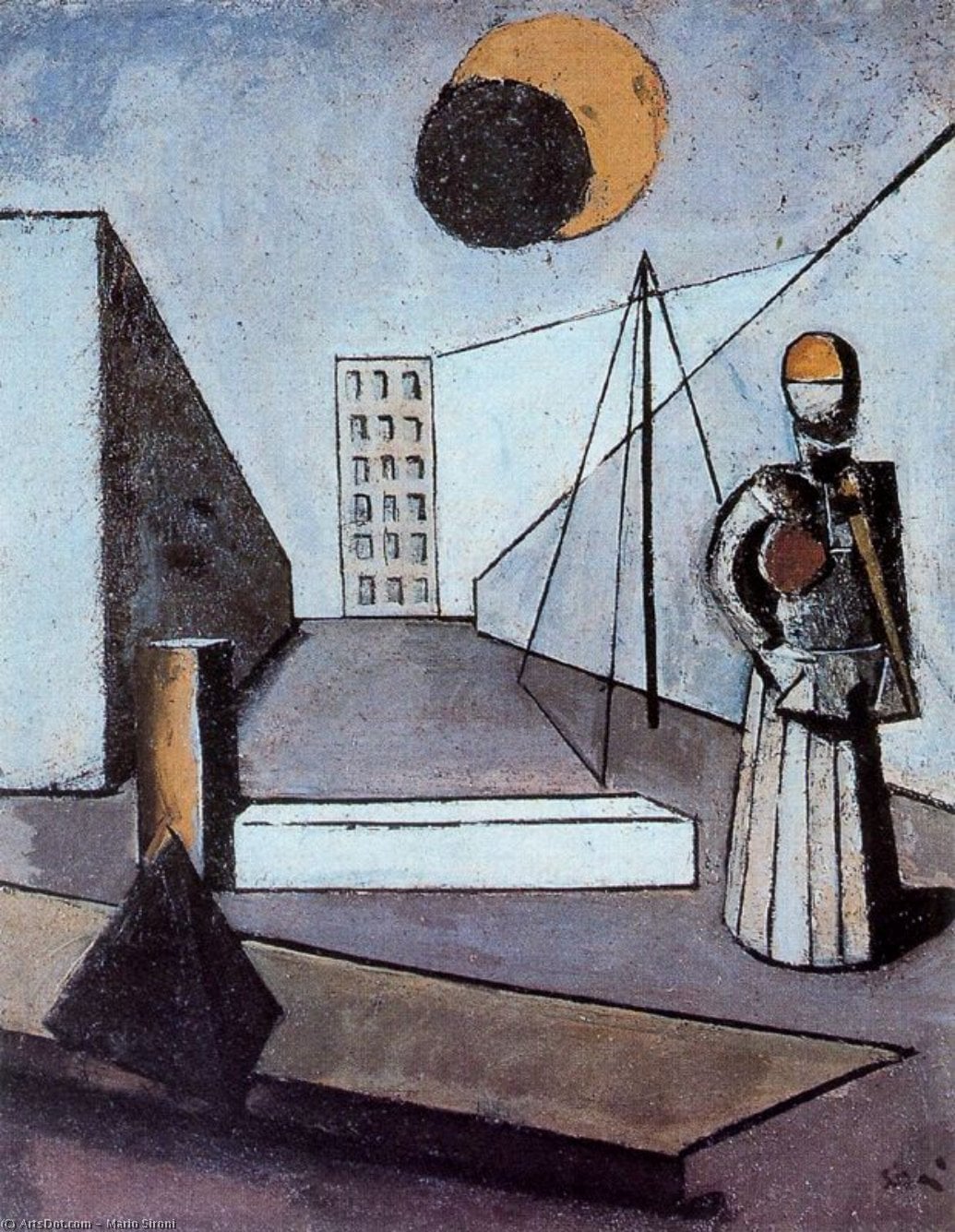
The eclipse

 Читать далее
Жикле / Арт-принт
Печать (жикле) или холст музейного качества с быстрыми сроками изготовления и широким выбором вариантов отделки. ( Купить картину ручной работы Купить изображение)




P118B $10

P118H $10

P118W $10

P438Z $10

P508JH $12

P508YH $12

P805H $10

P805Z $10

P919BZ $10

P919G $10

P919XJ $10

P959ZH $10

P968JZ $12

W106C $8

W218G $10

W218JH $8

W218Y $10

W307PJ $10

W316G $10

W316PJ $8

W316Y $10

W398PJ $8

W4111J $10

W500HY $15

W500JH $15

W692G $12

W849H $8

W940BG $15

W953PJ $8




Выберите один из наших стандартных размеров, соответствующих оригинальным пропорциям произведения искусства.

Вы можете указать свои собственные размеры, чтобы репродукция идеально подошла под конкретную раму или пространство. Если выбранный вами размер не будет соответствовать пропорциям оригинала, мы либо обрежем произведение, либо дополним изображение зеркальным отражением краев или однотонной заливкой. Перед началом производства вам будет отправлен цифровой макет для утверждения.
Пожалуйста, обратите внимание, что предварительный просмотр на экране не отображает фактическую обрезку или расширение изображения. Только макет точно покажет финальную композицию.
Несмотря на возможность заказа индивидуальных размеров, мы рекомендуем выбирать размер из предопределенного списка, чтобы сохранить оригинальные пропорции.
Доставка по всему миру () за 2 недели вместо стандартных 4/5 недель. (17 Август)

Бесплатная экспресс-доставка по всему миру

Высококачественный льняной холст

Полное страхование доставки

Гарантия возмещения таможенных пошлин

Гарантия точного соответствия цветов

Политика возврата в течение 60 дней (только при наличии дефектов)

Гарантия возврата 100% средств

Предложение оптовых скидок
 Вариант со стеклом доступен только для размеров менее 110 см

The eclipse
Жикле / Арт-принт
Размер репродукции
-


Итоговая стоимость
$ 62
Похожие произведения


Биография художника
Мэрио Сирони: Жизнь в современном итальянском искусстве
Ранние годы и образование
- Родился 12 мая 1885 года в Сассари, Сардиния, Италия.
- Его отец был инженером, а дед по материнской линии, Иньяцио Вилла, был уважаемым архитектором и скульптором, что обеспечило художнику раннее знакомство с миром прекрасного.
- Первоначально он изучал инженерное дело в Римском университете, но оставил учебу в 1903 году после нервного срыва. Этот кризис стал поворотным моментом, направившим его к искусству.
- Свое официальное художественное обучение он начал в Scuola Libera del Nudo при Римской академии изящных искусств, где встретил своего первого значимого наставника — Джакомо Балла.
Художественное развитие и влияния
- Ранние работы мастера находились под сильным влиянием дивизионизма — техники, использующей разделение цветов для создания эффекта свечения, что ярко проявилось в таких произведениях, как «Студент».
- В районе 1914 года он ненадолго экспериментировал с футуризмом, выставляясь в галерее Спровиери в Риме. Однако вскоре он перерос увлечение скоростью и динамизмом, характерными для этого направления.
- Коренной перелом произошел после Первой мировой войны: сформировался стиль, отличающийся массивными, неподвижными формами и геометрическими фигурами. На это повлияли его военный опыт и растущее чувство изоляции.
- Ключевыми источниками вдохновения стали Джакомо Балла (раннее обучение), Джорджо де Кирико и Карло Карра (влияние метафизической живописи на форму), а также элементы неоклассицизма и примитивистского классицизма.
Novecento Italiano и зрелый стиль
- В 1922 году Сирони стал одним из основателей движения Novecento Italiano — стремления к «возвращению к порядку» в послевоенном европейском искусстве, делавшего акцент на ясности и традициях.
- Его зрелый стиль характеризуется следующими чертами:
- Акцент на геометрических формах и упрощенных силуэтах.
- Намеренно тяжеловесная, грузная эстетика в поздних работах.
- Темы одиночества, отчуждения и человеческого существования.
- Исследование индустриальных ландшафтов и жизни рабочего класса.
- Знаковыми произведениями этого периода являются «Венера» (1921–1923) и «Solitudine» («Одиночество», 1925).
Политические взгляды и поздние годы
- Сирони был сторонником Бенито Муссолини и внес огромный вклад в фашистские издания, создав более 1700 карикатур.
- Он верил в неразрывное единство искусства и архитектуры, стремясь создавать монументальные произведения для общественных пространств, что отражало идеалы фашистского режима.
- После Второй мировой войны его связь с фашизмом привела к падению популярности и утрате признания критиков.
- В значительной степени он ушел из общественной жизни, продолжая писать картины в относительной изоляции до самой смерти.
Главные достижения и историческое значение
- Творчество Сирони представляет собой важнейший вклад в итальянский модернизм, став мостом между футуризмом и последующими художественными течениями.
- Его исследование тем одиночества и отчуждения нашло глубокий отклик в тревогах человека XX века.
- Несмотря на споры вокруг его политических взглядов, его искусство выставлялось на крупнейших мировых площадках, включая Центр Помпиду (1981) и Королевскую академию в Лондоне (1989).
- Скончался 13 августа 1961 года в Милане.
- Его наследие заключается в уникальном стилистическом синтезе и мощном изображении человеческой судьбы в стремительно меняющемся мире.

Марио Сиро́ни
1885 - 1961 , Италия
Основные сведения
- Artistic Movement Or Style: Новеченто Итальянское
- Artists Or Movements Influenced By This Artist: ['Эрнесто Черико']
- Artists Who Influenced This Artist: ['Джакомо Балла']
- Date Of Birth: 1885-05-12
- Date Of Death: 1961-08-13
- Full Name: Mario Sironi
- Nationality: Итальянский
- Notable Artworks:
- Венера (1921–1923)
- Одиночество (1925)
- Place Of Birth: Саррази, Италия
Похожие статьи

Mario Sironi: A Poetic of Modern Italian Identity Through Symbolism & Social Commentary
Explore the profound works of Mario Sironi, a key figure in Italian Modernism. Discover his evolution from Futurism to Metaphysical painting and his powerful social commentary. Learn about his legacy at ArtsDot.

The Art of Italian Living: Transform Your Home with Timeless Landscapes and Renaissance Masterpieces
Elevate your home with the timeless romance of Italy. Discover expert-curated, hand-painted Italian landscapes and Renaissance-inspired masterpieces. From bespoke oil reproductions to custom portraits from photos, transform your space with elegance and artistic passion.

Giovanni Fattori: Realism, Identity & the Tuscan Landscape – A Macchiaioli Master
Explore the life & art of Giovanni Fattori, a leading figure of the Macchiaioli movement. Discover his revolutionary realism, captivating Tuscan landscapes, and lasting impact on Italian painting. Learn more at ArtsDot.

Carlo Carrà: Futurist Visions & Metaphysical Transformations in Early 20th-Century Italian Painting
Explore the artistic journey of Carlo Carrà, a pivotal figure in Italian Futurism & Metaphysical painting. Discover his dynamic compositions, collaborations with de Chirico, and lasting influence on modern art history.
Civic Virtue and Artistic Rivalry: Patronage and Innovation in the Italian Renaissance Republics, 1400–1600
Explore the Italian Renaissance! Discover how competitive patronage & humanist ideals fueled artistic innovation in republics like Florence & Venice. Expert insights for art lovers and collectors.


