


Картина подстраивается под ваш выбор: , .
Описание предмета коллекционирования
Explore Marcel Duchamp’s Rotoreliefs – six vibrant plates featuring dynamic circles and swirls, a playful yet challenging exploration of form and perception from the Dada artist. Discover this iconic artwork and bring its unique aesthetic into your space.
 Читать далее
Биография художника
Пионер дадаизма Марсель Дюшан изменил искусство своими реди-мейдами. Откройте для себя его революционные работы и идеи прямо сейчас.
Масляная репродукция ручной работы
Картина маслом на холсте в выбранном вами размере и раме, написанная на заказ нашими художниками. ( Перейти к печатным копиям Перейти к цифровым изображениям)
Данное произведение защищено авторским правом
Произведение искусства, представленное на этой странице, защищено законом об авторском праве, что исключает возможность законного создания или продажи его точной репродукции. Данная защита обеспечивается международными соглашениями, такими как Бернская конвенция и национальным законодательством, включая положения, изложенные в Закон США об авторском праве — Раздел 17.
В качестве достойной и законной альтернативы мы предлагаем авторские картины ручной работы, вдохновленные оригиналом. Наши опытные профессиональные художники тщательно изучают стиль, настроение и художественную суть оригинала, чтобы создать новое, уникальное произведение, которое вызывает те же чувства, оставаясь при этом самостоятельным оригинальным творением.
Этот метод полностью соответствует нормам авторского права, так как он не предполагает копирования или дублирования защищенного произведения. Напротив, это творческая реинтерпретация — создание новой картины, которая вдохновлена оригиналом, но не является его точной копией.
Подробнее об этой картине
 Поделиться
 Поделиться
 Детали произведения
 Руководство

 Скачать
 Похожие предметы
 Слайд-шоу
 Вопросы и ответы
 Статистика просмотров
Закажите свою картину в четыре простых шага
Не торопитесь. Вы можете изменить любой ответ; цена в вашей корзине будет обновляться после каждого выбора.
1 Шаг первый из четырех
Какой размер вы бы хотели выбрать?
Эти размеры сохраняют пропорции оригинальной картины. На рисунке показано, как выбранный вами вариант будет смотреться на стене над двухметровым диваном.
Или укажите свои размеры
Выберите один из наших стандартных размеров, соответствующих оригинальным пропорциям произведения искусства.

Введите необходимую ширину и высоту, чтобы репродукция подошла к вашей раме или стене. Поскольку работа выполняется вручную, при изменении пропорций художник может немного увеличить область вокруг картины или, наоборот, обрезать края — выбор за вами. Перед началом работы мы пришлем вам цифровой макет на утверждение. Изображение на этой странице не является точным результатом — увидеть реальный вид можно только на макете.
2 Шаг второй из четырех
Как его подготовить: в рулоне, на подрамнике или в раме?
Ниже указаны цены для размера, выбранного вами на первом этапе.
Выберите тип обработки краев холста
Выберите свою раму

Белый торцевой край $1

Размытый край $1

С продолжением изображения $1

P118B $10

P118H $10

P118W $10

P438Z $10

P508JH $12

P508YH $12

P805H $10

P805Z $10

P919BZ $10

P919G $10

P919XJ $10

P959ZH $10

P968JZ $12

W106C $8

W218G $10

W218JH $8

W218Y $10

W307PJ $10

W316G $10

W316PJ $8

W316Y $10

W398PJ $8

W4111J $10

W500HY $15

W500JH $15

W692G $12

W849H $8

W940BG $15

W953PJ $8

H24-GOLD $30

H24-SILVER $30

H36-GOLD $45

H36-SILVER $45
В раме
Багет: . Общий размер в раме: .
3 Третий шаг из четырех
Желаете ли вы внести какие-либо изменения в картину?
Большинство людей отвечают «нет». Но поскольку каждая картина создается вручную, наш художник может адаптировать ее специально для вас.
После оформления заказа команда ArtsDot.com свяжется с клиентом по электронной почте для получения инструкций и предоставит предварительный макет
4 Четвертый шаг из четырех
Несколько вариантов отделки
Все они являются необязательными. Выбранные ответы не влекут за собой дополнительных расходов.
Кто автор?
Доставка по всему миру () за 3–4 недели вместо стандартных 5 недель. (11 Ноябрь). Без компромиссов в качестве.
Табличка, как в музее?
Детали гравировки на бронзовой плакетке
This elegant plaque features the artist's name and the title of the artwork, finely engraved for a timeless presentation.
It is made from bronze with a refined, elegant finish. The text is precisely laser-engraved for a sharp and permanent result. Measuring 9x2 cm, the plaque is compact yet easy to read. It's built to be durable and scratch-resistant, offering a professional, museum-quality look. Mounting is simple thanks to the included adhesive backing.
Детали прозрачной акриловой таблички
The plaque includes essential engraved details such as the artist's name, the title of the artwork, the date it was created, the type of media used-like oil on canvas or watercolor-a brief description of the piece, and a QR code that links to the complete artwork information.
It is crafted from clear acrylic, offering a sleek, modern appearance. The text is UV-engraved in black to ensure strong visual contrast. With a size of 10x15 cm, it ensures optimal readability. It comes equipped with two metal hooks for secure wall mounting. The plaque is designed to be weather-resistant, making it suitable for various environments, and it includes interactive features that work seamlessly with smartphone scanning.
Информация о чёрной акриловой табличке
This elegant plaque includes engraved information such as the artist's name, the title of the artwork, the date it was created, the type of media used (like oil on canvas or watercolor), a short description of the artwork, and a QR code for quick access to more information.
The plaque itself is made from refined black acrylic with a premium finish. The text is laser-engraved in white for high contrast and readability. Its size is 10x15 cm, designed to be easy to read. It comes with two metal hooks for professional mounting. The design is sleek and fits any interior style. It is also weather-resistant and durable, with built-in digital integration for mobile compatibility.
Защитный лак?
Когда вам нужна доставка?
✓ Проверить и заказать
Ваша картина в соответствии с вашим заказом

Rotoreliefs
Техника репродукции
Размер репродукции
-

Выдающийся мастер высокого класса
Более высокая детализация, изысканность и дополнительное время на создание работы
-

Оформление репродукции
-
-
Для произведений искусства или репродукций, размер которых превышает 105 см (приблизительно 41 дюйм) по любой из сторон, рама будет доставлена в разобранном виде (в виде комплекта). Этот метод обеспечивает безопасную доставку и предотвращает повреждения при транспортировке.
Требуется профессиональная сборка — это не продукт для самостоятельной сборки (DIY).
Комплект должен быть собран, а холст натянут опытным мастером по багетным рамам с использованием клеевого ПВА (не входит в комплект), струбцин для натяжки холста и зажимов, чтобы удерживать подрамник ровным до полного высыхания клея. Неправильная сборка или неравномерное натяжение холста могут привести к необратимому повреждению произведения искусства и не являются гарантийным случаем.
 Для произведений искусства или репродукций, размер которых превышает 105 см (приблизительно 41 дюйм) по любой из сторон, рама будет доставлена в разобранном виде (в виде комплекта). Этот метод обеспечивает безопасную доставку и предотвращает повреждения при транспортировке.
В комплект входят все бруски из массива дерева, точно вырезанные по размеру.
Собирается с помощью предоставляемых винтов, а также столярного клея для угловых соединений, который не входит в комплект и должен быть приобретен вашим мастером.
Требуются профессиональные инструменты, не входящие в комплект: щипцы для натяжки холста (натяжитель) и зажимы, чтобы удерживать рейки ровно во время высыхания клея.
Важно:
Для соединения углов требуется клей для дерева, перекладины необходимо зафиксировать струбцинами до полного высыхания клея, а для натяжки холста на собранную раму требуются щипцы для натяжки холста. Ни один из этих инструментов не входит в комплект. Пожалуйста, убедитесь в наличии опытного мастера по багетным работам перед заказом рамы такого размера.

Этикетка
-
-

Защитный лак
Глянцевый лак (насыщает цвета, защищает от воздействия света и влаги)
-

Персонализация картины
Примеры возможных изменений: замена лица на фото клиента; добавление домашнего питомца (например, замена кошки на собаку); добавление скрытого сообщения на фоне; изменение пейзажа или элементов фона.
-

Экспресс-доставка
Доставка по всему миру () за 3–4 недели вместо стандартных 5 недель. (11 Ноябрь). Без компромиссов в качестве.
-
Экспресс-доставка
Доставка по всему миру () в течение 5 недель. (18 Ноябрь).
Включено в стоимость
Итоговая стоимость
$ 263
Вариант со стеклом доступен только для размеров менее 110 см
Включено в каждый заказ
- Бесплатная экспресс-доставка по всему миру
- Высококачественный льняной холст
- Полное страхование при доставке
- Гарантия возмещения таможенных пошлин
- Гарантия точного цветового соответствия
- 100-дневная гарантия возврата (только при обнаружении дефектов)
- Гарантия возврата 100% средств
- Скидка при оптовом заказе


A Study in Controlled Chaos: Exploring Duchamp’s Rotoreliefs
Marcel Duchamp's Rotoreliefs represent a radical departure from traditional artistic representation, embodying the core tenets of Dada and challenging the very definition of art itself. These kinetic sculptures, rarely seen in their original form, are not merely static objects but rather portals to a disorienting, almost hallucinatory experience. The photograph presented here offers a glimpse into the meticulously crafted foundation of these works – six precisely arranged plates, each a microcosm of Duchamp’s conceptual explorations.
The Genesis of Movement
Duchamp conceived the Rotoreliefs in 1935, during a period marked by profound social and political upheaval. The rise of totalitarian regimes, coupled with the devastation of World War I, fueled a widespread disillusionment with established values and artistic conventions. Responding to this climate, Duchamp sought to dismantle traditional notions of beauty and skill through mechanical reproduction. He began with a series of small, hand-painted plates depicting simple geometric forms – circles, spirals, and crosses – which he then meticulously reproduced using a photographic process. This process was key; the photographs served as templates for mass production, highlighting the inherent artificiality of art.
- Technique: The original Rotoreliefs were constructed by applying layers of lacquer to these photographic plates, creating a glossy surface that reflected light and intensified the visual impact.
- Scale: These plates were mounted on rotating mechanisms, allowing viewers to experience them in motion – a deliberate disruption of the viewer’s expectations.
- Repetition: The repetition of the same image across multiple plates created a mesmerizing effect, blurring the lines between individual objects and generating a sense of disorientation.
Symbolism and Conceptual Layers
While seemingly simple in their design, the Rotoreliefs are laden with symbolic meaning. The circles and spirals, recurring motifs throughout Duchamp’s work, represent infinity, chaos, and the subconscious mind – themes central to Dadaist thought. The deliberate use of color—three blues, one red, and two whites—adds another layer of complexity. These colors were not chosen for their aesthetic qualities but rather as arbitrary selections, further emphasizing the conceptual nature of the artwork. Duchamp famously stated that he was interested in “the idea” behind the work, rather than its visual appearance.
A Reflection of Modern Anxiety
The Rotoreliefs can be interpreted as a reflection of the anxieties and uncertainties of the modern age. The disorienting effect of the rotating plates mirrors the feeling of being overwhelmed by information and the breakdown of traditional structures. Duchamp’s work anticipates later developments in art, such as Pop Art and Conceptual Art, which similarly challenged conventional notions of artistic skill and representation. These works are a testament to Duchamp's genius – his ability to provoke thought, disrupt expectations, and redefine the boundaries of art.
Recreating the Experience: High-Quality Reproductions
ArtsDot offers meticulously crafted hand-painted reproductions of Marcel Duchamp’s Rotoreliefs, capturing the essence of these iconic works. Utilizing traditional painting techniques and archival quality materials, our artists recreate the glossy surface and mesmerizing movement of the original plates. Each reproduction is a unique piece of art, embodying Duchamp's revolutionary spirit and offering a tangible connection to one of the most influential figures in 20th-century art. Bring this challenging and evocative artwork into your home or office – a conversation starter and a powerful statement about the nature of art itself.
Вопросы и ответы
О чем повествует «Rotoreliefs» и какая атмосфера в ней царит?
На полотне «Rotoreliefs», Марсель Дюшан запечатлены duchamp, rotoreliefs, plates, design, circles, swirls, black and white, передающие Minimalist настроение. Сочетание сюжета и атмосферы полностью раскрывает суть произведения.
Как в работе «Rotoreliefs», Марсель Дюшан направление Cubism перекликается с родиной художника?
Работа в стиле Cubism «Rotoreliefs» была создана художником, уроженцем Франция.
К какой эпохе относится «Rotoreliefs»?
«Rotoreliefs», Марсель Дюшан относится к эпохе Modern. Этот период определяет исторический контекст произведения.
Похожие произведения


Марсель Дюшан
1887 - 1968, Франция
Биография художника
Жизнь и искусство Марселя Дюшана
Рожденный 28 июля 1887 года в Бленвиле, Нормандия, Франция, Марсель Дюшан вошел в мир, где творческий импульс был глубоко укоренен в самой его крови. Он был четвертым из семи детей в семье Эжена и Люси Дюшан. Это был дом творцов и мыслителей; его братья Жак Вийон и Раймон Дюшан-Виллон, а также сестра Сюзанна Дюшан-Кротти, разделяли это созидательное беспокойство, выбрав свой путь в искусстве. И хотя со временем он стал фигурой невероятной сложности, объединившей во себе французские и американские корни, его истоки навсегда остались связаны с безмятежной тишиной Нормандии.
Его жизнь никогда не была лишь однообразным служением кисти или резцу. Он был человеком множества масок и интересов, странствующим по миру как художник, изобретатель и преданный мастер шахматной игры. Он даже создал женское альтер-эго, Rrose Sélavy, чтобы еще сильнее размыть границы идентичности. Этот неукротимый дух заставлял его перемещаться между культурными центрами Парижа и Нью-Йорка, вечно стремясь разрушить догмы своей эпохи. Он не просто хотел запечатлеть мир на холсте; он стремился переосмыслить сами механизмы нашего восприятия реальности.
Его вклад в современную эпоху был столь же многогранным, сколь и неожиданным. Он обратился к машине и повседневным предметам, чтобы найти новый язык для интеллекта. Его работы часто воплощались в таких формах, как:
- Фонтан
- Обнаженная, спускающаяся по лестнице, №2
- Большое стекло
- Велосипедное колесо
Ранние годы, семья и обучение
В безмятежной тишине Бленвиль-сюр-Мер, в Нормандии, юный Анри-Робер-Марсель Дюшан начал свой жизненный путь, которому суждено было в конечном итоге пошатнуть сами основы творчества. Он родился в семье, где искусство было привычным языком общения; его братья, Жак Вийон и Раймон Дюшан-Виллон, позже найдут свои собственные пути в качестве художников и скульпторов. Эта домашняя атмосфера самовыражения взрастила его ранние склонности, направив его к формальному изучению искусства. Он искал встречи с Академией Джулиан в Париже, где проводил свое время в период с 1904 по 1905 год, хотя его сердце зачастую тянулось к бильярдному столу, а не к мольберту в студии. Он также провел год в Школе изящных искусств — период обучения, который так и не обернулся долгосрочной приверженностью академической традиции.
Цвета и формы его юности формировались под влиянием переменчивых течений эпохи: он чувствовал влечение к интенсивным палитрам фовизма и структурным изысканиям постимпрессионизма. Однако его путь не был прямой линией академического прогресса. В 1905 году государственные требования призвали его начать обязательную военную службу в 39-м пехотном полку. В это время он оказался в Руане, работая у печатника. Именно здесь, среди запаха типографской краски и ритмичного стука пресса, он освоил тонкости типографики и различные процессы печати. Эти практические навыки, полученные вдали от высоких парижских салонов, позже обогатили его понимание того, как объекты и изображения воспроизводятся и воспринимаются.
Художественная эволюция в Париже
Пока молодой художник бродил по улицам Парижа, его присутствие в мире искусства постепенно обретало очертания благодаря крупнейшим выставкам того времени. К 1909 году он уже экспонировал свои работы на Salon des Indépendants и Salon d’Automne, стремясь найти свое место среди творцов своей эпохи. Его непреодолимо тянуло к идеям Поля Сезанна, чей подход к форме и структуре наложил неизгладимый отпечаток на его формирующееся видение. Этот период был посвящен не просто обучению живописи, но поиску способа выразить всю сложность и многогранность стремительно меняющегося мира.
1911 год принес значительный сдвиг: он вошел в круги кубистов. Это увлечение фрагментированными формами и множественными перспективами увлекло его прочь от традиционного репрезентативного искусства. Именно в это время он создал Кофемолку — произведение, ознаменовавшее его растущий интерес к механическому и концептуальному. Его разум был поглощен идеей четвертого измерения; он искал способы запечатлеть движение и время в статичных пределах холста. Этот интеллектуальный голод заставлял его заглядывать глубже поверхности вещей, ставя под сомнение саму суть искусства: сколько в нем предназначено исключительно для глаза, а сколько — для разума?
Радикальные годы в Нью-Йорке
Оказавшись в Соединенных Штатах, Марсель Дюшан обнаружил среду, которая была максимально созвучна тем разрушительным идеям, что он носил в своем сознании. Прошло менее двух лет с момента его прибытия в страну, когда он совершил свой самый знаменитый акт подрывного искусства. В бурлящих интеллектуальных кругах Нью-Йорка его встретили с нескрываемым любопытством; он нашел свое место среди мыслителей и творцов, жаждущих раздвинуть границы традиций. Чтобы обеспечивать себя в эти годы становления, он преподавал французский язык — практическая необходимость, которая давала ему свободу заниматься своими более глубокими, интеллектуальными интересами.
Именно в этой атмосфере он стал центральной фигурой нью-йоркского прото-дадаизма New York. Он шел по улицам города бок о бок с такими именами, как Francis Picabia, Man Ray и Beatrice Wood, внося свой вклад в дух бунтарства, стремившийся демонтировать устоявшийся порядок. Его присутствие помогло заложить сами основы нью-йоркского движения Дада, превратив город в лабораторию идей, которые бросали вызов самому определению того, что может делать художник. Он не был просто участником этих потрясений; он был их катализатором.
Связь Марселя Дюшана с американским ландшафтом крепла десятилетиями. Хотя он прибыл как гость, ищущий новые способы выражения интеллекта, в итоге в 1955 году он стал полноправным гражданином США. Этот период его жизни был отмечен решительным отказом от комфортной роли профессионального живописца; вместо этого он выбрал путь исследования города как пространства для глубоких, зачастую тревожных концептуальных изысканий.
Техника, стиль и реди-мейд
Его утомляло то, что он называл «ретинальным искусством» — произведения, предназначенные лишь для того, чтобы услаждать глаз своей поверхностной красотой. Чтобы избежать этой ловушки, он обратил свой разум к концепции, стоящей за объектом, сместив акцент с визуального удовольствия на интеллект. Этот переход привел его к созданию реди-мейдов около 1914 года. Эти предметы выбирались не из-за их красоты или уродства, а на основе чувства визуального безразличия. Выбирая обыденные, промышленные вещи и представляя их как искусство, он лишил творчество необходимости в традиционном мастерстве. Он стремился полностью исключить руку художника, отдавая предпочтение силе осознанного выбора, а не виртуозности кисти.
Его творческий метод был беспокойным и изменчивым, он отказывался подчиняться единому стилю. Исследуя раздробленные перспективы кубизма, он одновременно прокладывал путь сквозь хаос дадаизма и интеллектуальные глубины концептуализма. Он работал с огромным разнообразием медиа: от тактильной природы скульптуры и коллажа до мимолетности короткометражных фильмов и даже использования собственного тела. Он часто играл с границами идентичности, используя женское альтер-эго, известное как Rrose Sélavy, чтобы исследовать текучесть гендера. Через игру слов и элемент случайности он превратил акт созидания в игру логики и подрывных идей.
- Fountain (1917)
- Bicycle Wheel (1913)
- Bottle Rack (1914)
- Comb (1916)
Ключевые произведения и великие инновации
Переход от живописи к концептуализму начал обретать свои очертания через его глубокое увлечение движением и фрагментацией формы. В 1912 году он создал Обнаженную, спускающуюся по лестнице, № 2 — работу, запечатлевшую механическое движение фигуры через серию перекрывающих друг друга, наложенных друг на друга граней. Этот подход был направлен на изображение самого процесса движения, а не статичной позы. К 1913 году его интересы сместились в сторону ассамбляжа из найденных объектов, что нашло отражение в Велосипедном колесе, где колесо и вилка были установлены на деревянный табурет. Этот акт выбора ознаменовал отказ от традиционного мастерства в пользу идеи, которая стала важнее ручного исполнения объекта.
Когда Марсель Дюшан оказался в радикальной атмосфере Нью-Йорка, его провокации стали еще более прямыми. В 1917 году он взял обычный фарфоровый писсуар, подписал его «R. Mutt» и представил как Фонтан. Эта скульптура-реди-мейд бросила вызов самому определению того, чем занимается художник, предполагая, что сам акт выбора объекта может являться искусством. Он продолжал этот путь деструкции с Подставкой для бутылок в 1914 году, а позже, в 1919 году, взял открытку с Моной Лизой и осквернил её усами и бородкой, назвав работу L.H.O.O.Q.. Эти произведения были призваны разрушить ожидания зрителя и заставить его пересмотреть саму суть эстетического суждения.
Его самая сложная и загадочная конструкция, Большое стекло, занимала его мысли на протяжении многих лет, пока он работал над ней в период с 1915 по 1923 год. Это произведение, также известное как Невеста, обнаженная даже холостяками, использовало свинцовую фольгу и проволоку для исследования запутанных, символических образов. Через эти разнообразные эксперименты он перенес фокус искусства от зрения к разуму.
Поздние годы и смерть
После своих беспокойных лет в Америке, Марсель Дюшан вернулся в Париж в 1923 году. Он оставался в городе до 1942 года — в этот период он во многом отстранился от традиционного мира искусства. Интеллектуальная строгость, которая когда-то питала его радикальные провокации, нашла новое воплощение в тихой, стратегической сложности шахмат. Большую часть этого времени он посвятил игре — занятию, требовавшему той же ментальной интенсивности, которую он когда-то вкладывал в свои концептуальные изыскания.
В 1954 году он встретил свою спутницу жизни, Алексину Саттлер, на которой женился в Нью-Йорке. Их совместная жизнь была наполнена преданностью и нежностью, охватив годы, в течение которых он искал свое место в меняющемся культурном ландшафте. В конечном итоге в 1955 году он стал гражданином Соединенных Штатов, хотя его корни по-прежнему были глубоко связаны с французской землей. Он ушел из жизни 2 октября 1968 года в Нёйи-сюр-Сен, Франция.
Наследие и непреходящее влияние
Эхо его провокаций разнеслось далеко за пределы узких кругов авангарда, со временем перекроив сами основы нашего восприятия творчества. Марсель Дюшан часто признается первопроходцем концептуального искусства — сдвига, который перенес фокус внимания с физического объекта на человеческий интеллект. Отдав приоритет идее перед визуальным результатом, он коренным образом изменил траекторию развития изобразительного искусства в первые десятилетия XX века. Эта перемена не была внезапным разрывом с прошлым; скорее, она представляла собой медленную, глубокую трансформацию, которая подготовила почву для появления сюрреализма, минимализма и поп-арта. Он помог определить начало новой эры, где именно замысел художника стал главным двигателем смыслов.
Его влияние ощущалось особенно остро в том, как он разрушил саму необходимость в традиционном мастерстве. Он предложил концепцию, известную как «художественный коэффициент» — идею, исследующую взаимосвязь между тем, что художник намерен выразить, и тем, что воплощается на самом деле. Это понятие заложило фундамент для последующих поколений художников, которые продолжили исследовать границы апроприации и роль зрителя в процессе сотворчества. Он не просто создавал объекты; он создавал новые способы осмысления самого акта созидания. Его присутствие в истории искусства остается неизменным, постоянно бросая вызов границам того, что вообще может считаться произведением искусства.
- Фонтан (1917)
- Обнаженная, спускающаяся по лестнице, № 2 (1912)
- Большое стекло (1915–1923)
- Велосипедное колесо (1913)
Где можно увидеть его работы сегодня
Чтобы проследить путь его неукротимого интеллекта, можно отправиться в Филадельфийский музей искусства. Это учреждение хранит крупнейшую коллекцию его работ, воссоздавая весь масштаб карьеры человека, который отказывался стоять на месте. Именно здесь влияние Марселя Дюшана ощущается наиболее осязаемо, поскольку музей собрал воедино бесчисленное множество его идей и объектов, созданных на протяжении всей его жизни.
В Лондоне Тейт Модерн бережно хранит тот самый фарфоровый писсуар, ставший известным как «Фонтан». Этот объект, когда-то вызвавший небывалый скандал при представлении на выставке, остается центральным экспонатом городской коллекции. Тем временем в парижском Центре Помпиду представлены его более экспериментальные, кинетические изыскания, включая «Роторелиф №11» и «Роторелиф №12». Эти произведения отражают его страсть к движению и тому, как предмет способен обмануть зрение.
Другие его творения нашли приют в специализированных институциях, отражающих многогранность его интересов. В Монетном дворе Парижа находится «Требюше» (Ловушка) — работа, свидетельствующая о его непрерывном поиске формы и концепции даже спустя десятилетия после ранних экспериментов. Увидеть эти произведения — значит столкнуться с физическим воплощением воли человека, стремившегося перенести искусство из области зрения в область чистого разума.
- «Обнаженная, спускающаяся по лестнице, №2» (1912)
- «Большое стекло» (1915–1923)
- «Велосипедное колесо» (1913)
- «Подставка для бутылок» (1914)


Похожие статьи
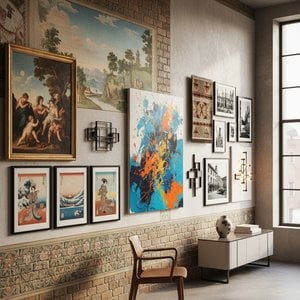
Transforming Spaces: A Comprehensive Exploration of Wall Decor Through Art History & Contemporary Practice
Explore the art of transforming spaces with our comprehensive guide to wall decor. From historical movements to contemporary trends, discover how to curate impactful interiors and commission bespoke artwork for a truly personalized aesthetic.

Giclée Prints: Archival Quality & Aesthetic Nuances for the Discerning Collector
Explore the world of giclée prints with ArtsDot. Learn about archival quality, aesthetic nuances & investment potential. Expert guidance for discerning art collectors seeking museum-quality reproductions and lasting value.

Echoes of Time: Exploring the Enduring Appeal & Historical Context of Vintage Art Prints
Explore the captivating world of vintage art prints! Discover their history, collecting tips & enduring appeal. Expert insights on chromolithography and building a legacy collection with ArtsDot.