

 Предпросмотр
 Поделиться
 Поделиться
 Детали произведения
 Руководство

 Скачать
 Похожие предметы
 Рентгенография
 Слайд-шоу
 Вопросы и ответы
 Статистика просмотров
Man sitting beside a window


 Читать далее
Произведение искусства, представленное на этой странице, защищено законом об авторском праве, что исключает возможность законного создания или продажи его точной репродукции. Данная защита обеспечивается международными соглашениями, такими как Бернская конвенция и национальным законодательством, включая положения, изложенные в Закон США об авторском праве — Раздел 17.
Этот метод полностью соответствует нормам авторского права, так как он не предполагает копирования или дублирования защищенного произведения. Напротив, это творческая реинтерпретация — создание новой картины, которая вдохновлена оригиналом, но не является его точной копией.
Жикле и арт-принты
Печать (жикле) или холст музейного качества с быстрыми сроками изготовления и широким выбором вариантов отделки. ( Купить картину ручной работы Перейти к цифровым изображениям)




P118B $10

P118H $10

P118W $10

P438Z $10

P508JH $12

P508YH $12

P805H $10

P805Z $10

P919BZ $10

P919G $10

P919XJ $10

P959ZH $10

P968JZ $12

W106C $8

W218G $10

W218JH $8

W218Y $10

W307PJ $10

W316G $10

W316PJ $8

W316Y $10

W398PJ $8

W4111J $10

W500HY $15

W500JH $15

W692G $12

W849H $8

W940BG $15

W953PJ $8




Выберите один из наших стандартных размеров, соответствующих оригинальным пропорциям произведения искусства.

Введите необходимую ширину и высоту, чтобы репродукция подошла к вашей раме или стене. При печати изображение можно только уменьшить, но нельзя увеличить больше оригинала, поэтому при выборе другого формата часть изображения может быть обрезана. Перед печатью мы отправим вам цифровой макет на утверждение. Изображение на этой странице не отображает реальную обрезку — ее можно увидеть только на макете.
Доставка по всему миру () за 2 недели вместо стандартных 4–5 недель. (12 Ноябрь)

Бесплатная экспресс-доставка по всему миру

Высококачественный льняной холст

Полное страхование при доставке

Гарантия возмещения таможенных пошлин

Гарантия точного цветового соответствия

100-дневная гарантия возврата (только при обнаружении дефектов)

Гарантия возврата 100% средств

Скидка при оптовом заказе
 Вариант со стеклом доступен только для размеров менее 110 см

Man sitting beside a window
Жикле и арт-принты
Размер репродукции
-


Итоговая стоимость
$ 63
A Moment of Quietude: The Soul of Duchamp’s Early Mastery
In the vast, often turbulent history of modern art, there exists a rare, fleeting moment where the revolutionary spirit of Marcel Duchamp was still anchored in the serene beauty of the visible world. Man Seated by a Window, painted in 1907, captures this exquisite tension. Before he became the iconoclast who would dismantle the very definition of art through Dada and Readymades, Duchamp was a painter deeply engaged with the sensory delights of his surroundings. This piece invites the viewer into a private sanctuary, presenting a solitary figure lost in thought, framed by the soft light of a window and the vibrant life of blossoming flora. It is not merely a depiction of a man at rest; it is an invitation to pause, to breathe, and to find resonance in the quiet intervals of existence.
The composition functions as a delicate dialogue between the interior and the exterior worlds. As the eye wanders across the canvas, one encounters a masterful use of Post-Impressionist techniques that prioritize emotional atmosphere over rigid anatomical precision. The artist employs loose, gestural brushstrokes that imbue the scene with a sense of living movement—the gentle sway of leaves, the dappled light filtering through the glass, and the soft texture of the man's clothing. This stylistic choice creates a luminous quality, where the muted blues and greens of the background harmonize with warmer, sun-drenched hues from the garden outside, establishing a visual equilibrium that is both soothing and intellectually stimulating.
Technique and the Art of Atmosphere
Executed in oil on canvas, the painting showcases Duchamp’s formidable command over medium and light. The texture of the oil paint allows for a rich layering of color, which lends depth to the shadows within the room and brilliance to the petals of the flowers. For the discerning collector or interior designer, this work offers a sophisticated interplay of tones that can anchor a room with its tranquil energy. Unlike the starker, more clinical works of later modernism, this painting possesses a tactile warmth; it feels inhabited, as if the scent of the garden could drift through the frame. The way the light interacts with the subject suggests a daytime setting filled with the gentle vitality of spring or summer, making it an ideal centerpiece for spaces designed for contemplation and repose.
Beyond its aesthetic charm, the painting serves as a profound historical document. It captures a period of transition in art history, where the boundaries between Impressionism and the burgeoning movements of Cubism were still being negotiated. In this work, we see the seeds of Duchamp’s later philosophical inquiries—the way he uses the window not just as a physical object, but as a metaphorical lens through which we perceive reality. To possess a reproduction of this masterpiece is to hold a piece of the very foundation of modern thought, wrapped in the beautiful, accessible language of classical beauty.
An Inspiration for the Modern Interior
For those looking to curate an environment of elegance and intellectual depth, Man Seated by a Window offers unparalleled versatility. Its palette—a sophisticated blend of organic greens, deep blues, and soft floral accents—complements a wide array of interior styles, from contemporary minimalism to classic European aesthetics. The painting’s ability to evoke a sense of peace makes it a transformative element in a study, a library, or a quiet corner of a living space. It does not demand attention through noise, but rather commands respect through its profound stillness, acting as a window into a more thoughtful and reflective way of being.
Вопросы и ответы
Можно ли скачать изображение «Man sitting beside a window» в высоком разрешении?
Чтобы приобрести цифровую копию работы «Man sitting beside a window», Марсель Дюшан, оформите скачивание цифрового изображения в высоком разрешении на странице Цифровое изображение в высоком разрешении.
Какое национальное происхождение лежит в основе Post-Impressionism произведения «Man sitting beside a window»?
«Man sitting beside a window» связывает направление Post-Impressionism с Франция через родину его создателя.
Как мне найти произведения, похожие на «Man sitting beside a window», Марсель Дюшан?
На странице Похожие работы для работы «Man sitting beside a window», Марсель Дюшан представлены похожие произведения.
Похожие произведения


Биография художника
Жизнь и искусство Марселя Дюшана
Рожденный 28 июля 1887 года в Бленвиле, Нормандия, Франция, Марсель Дюшан вошел в мир, где творческий импульс был глубоко укоренен в самой его крови. Он был четвертым из семи детей в семье Эжена и Люси Дюшан. Это был дом творцов и мыслителей; его братья Жак Вийон и Раймон Дюшан-Виллон, а также сестра Сюзанна Дюшан-Кротти, разделяли это созидательное беспокойство, выбрав свой путь в искусстве. И хотя со временем он стал фигурой невероятной сложности, объединившей во себе французские и американские корни, его истоки навсегда остались связаны с безмятежной тишиной Нормандии.
Его жизнь никогда не была лишь однообразным служением кисти или резцу. Он был человеком множества масок и интересов, странствующим по миру как художник, изобретатель и преданный мастер шахматной игры. Он даже создал женское альтер-эго, Rrose Sélavy, чтобы еще сильнее размыть границы идентичности. Этот неукротимый дух заставлял его перемещаться между культурными центрами Парижа и Нью-Йорка, вечно стремясь разрушить догмы своей эпохи. Он не просто хотел запечатлеть мир на холсте; он стремился переосмыслить сами механизмы нашего восприятия реальности.
Его вклад в современную эпоху был столь же многогранным, сколь и неожиданным. Он обратился к машине и повседневным предметам, чтобы найти новый язык для интеллекта. Его работы часто воплощались в таких формах, как:
- Фонтан
- Обнаженная, спускающаяся по лестнице, №2
- Большое стекло
- Велосипедное колесо
Ранние годы, семья и обучение
В безмятежной тишине Бленвиль-сюр-Мер, в Нормандии, юный Анри-Робер-Марсель Дюшан начал свой жизненный путь, которому суждено было в конечном итоге пошатнуть сами основы творчества. Он родился в семье, где искусство было привычным языком общения; его братья, Жак Вийон и Раймон Дюшан-Виллон, позже найдут свои собственные пути в качестве художников и скульпторов. Эта домашняя атмосфера самовыражения взрастила его ранние склонности, направив его к формальному изучению искусства. Он искал встречи с Академией Джулиан в Париже, где проводил свое время в период с 1904 по 1905 год, хотя его сердце зачастую тянулось к бильярдному столу, а не к мольберту в студии. Он также провел год в Школе изящных искусств — период обучения, который так и не обернулся долгосрочной приверженностью академической традиции.
Цвета и формы его юности формировались под влиянием переменчивых течений эпохи: он чувствовал влечение к интенсивным палитрам фовизма и структурным изысканиям постимпрессионизма. Однако его путь не был прямой линией академического прогресса. В 1905 году государственные требования призвали его начать обязательную военную службу в 39-м пехотном полку. В это время он оказался в Руане, работая у печатника. Именно здесь, среди запаха типографской краски и ритмичного стука пресса, он освоил тонкости типографики и различные процессы печати. Эти практические навыки, полученные вдали от высоких парижских салонов, позже обогатили его понимание того, как объекты и изображения воспроизводятся и воспринимаются.
Художественная эволюция в Париже
Пока молодой художник бродил по улицам Парижа, его присутствие в мире искусства постепенно обретало очертания благодаря крупнейшим выставкам того времени. К 1909 году он уже экспонировал свои работы на Salon des Indépendants и Salon d’Automne, стремясь найти свое место среди творцов своей эпохи. Его непреодолимо тянуло к идеям Поля Сезанна, чей подход к форме и структуре наложил неизгладимый отпечаток на его формирующееся видение. Этот период был посвящен не просто обучению живописи, но поиску способа выразить всю сложность и многогранность стремительно меняющегося мира.
1911 год принес значительный сдвиг: он вошел в круги кубистов. Это увлечение фрагментированными формами и множественными перспективами увлекло его прочь от традиционного репрезентативного искусства. Именно в это время он создал Кофемолку — произведение, ознаменовавшее его растущий интерес к механическому и концептуальному. Его разум был поглощен идеей четвертого измерения; он искал способы запечатлеть движение и время в статичных пределах холста. Этот интеллектуальный голод заставлял его заглядывать глубже поверхности вещей, ставя под сомнение саму суть искусства: сколько в нем предназначено исключительно для глаза, а сколько — для разума?
Радикальные годы в Нью-Йорке
Оказавшись в Соединенных Штатах, Марсель Дюшан обнаружил среду, которая была максимально созвучна тем разрушительным идеям, что он носил в своем сознании. Прошло менее двух лет с момента его прибытия в страну, когда он совершил свой самый знаменитый акт подрывного искусства. В бурлящих интеллектуальных кругах Нью-Йорка его встретили с нескрываемым любопытством; он нашел свое место среди мыслителей и творцов, жаждущих раздвинуть границы традиций. Чтобы обеспечивать себя в эти годы становления, он преподавал французский язык — практическая необходимость, которая давала ему свободу заниматься своими более глубокими, интеллектуальными интересами.
Именно в этой атмосфере он стал центральной фигурой нью-йоркского прото-дадаизма New York. Он шел по улицам города бок о бок с такими именами, как Francis Picabia, Man Ray и Beatrice Wood, внося свой вклад в дух бунтарства, стремившийся демонтировать устоявшийся порядок. Его присутствие помогло заложить сами основы нью-йоркского движения Дада, превратив город в лабораторию идей, которые бросали вызов самому определению того, что может делать художник. Он не был просто участником этих потрясений; он был их катализатором.
Связь Марселя Дюшана с американским ландшафтом крепла десятилетиями. Хотя он прибыл как гость, ищущий новые способы выражения интеллекта, в итоге в 1955 году он стал полноправным гражданином США. Этот период его жизни был отмечен решительным отказом от комфортной роли профессионального живописца; вместо этого он выбрал путь исследования города как пространства для глубоких, зачастую тревожных концептуальных изысканий.
Техника, стиль и реди-мейд
Его утомляло то, что он называл «ретинальным искусством» — произведения, предназначенные лишь для того, чтобы услаждать глаз своей поверхностной красотой. Чтобы избежать этой ловушки, он обратил свой разум к концепции, стоящей за объектом, сместив акцент с визуального удовольствия на интеллект. Этот переход привел его к созданию реди-мейдов около 1914 года. Эти предметы выбирались не из-за их красоты или уродства, а на основе чувства визуального безразличия. Выбирая обыденные, промышленные вещи и представляя их как искусство, он лишил творчество необходимости в традиционном мастерстве. Он стремился полностью исключить руку художника, отдавая предпочтение силе осознанного выбора, а не виртуозности кисти.
Его творческий метод был беспокойным и изменчивым, он отказывался подчиняться единому стилю. Исследуя раздробленные перспективы кубизма, он одновременно прокладывал путь сквозь хаос дадаизма и интеллектуальные глубины концептуализма. Он работал с огромным разнообразием медиа: от тактильной природы скульптуры и коллажа до мимолетности короткометражных фильмов и даже использования собственного тела. Он часто играл с границами идентичности, используя женское альтер-эго, известное как Rrose Sélavy, чтобы исследовать текучесть гендера. Через игру слов и элемент случайности он превратил акт созидания в игру логики и подрывных идей.
- Fountain (1917)
- Bicycle Wheel (1913)
- Bottle Rack (1914)
- Comb (1916)
Ключевые произведения и великие инновации
Переход от живописи к концептуализму начал обретать свои очертания через его глубокое увлечение движением и фрагментацией формы. В 1912 году он создал Обнаженную, спускающуюся по лестнице, № 2 — работу, запечатлевшую механическое движение фигуры через серию перекрывающих друг друга, наложенных друг на друга граней. Этот подход был направлен на изображение самого процесса движения, а не статичной позы. К 1913 году его интересы сместились в сторону ассамбляжа из найденных объектов, что нашло отражение в Велосипедном колесе, где колесо и вилка были установлены на деревянный табурет. Этот акт выбора ознаменовал отказ от традиционного мастерства в пользу идеи, которая стала важнее ручного исполнения объекта.
Когда Марсель Дюшан оказался в радикальной атмосфере Нью-Йорка, его провокации стали еще более прямыми. В 1917 году он взял обычный фарфоровый писсуар, подписал его «R. Mutt» и представил как Фонтан. Эта скульптура-реди-мейд бросила вызов самому определению того, чем занимается художник, предполагая, что сам акт выбора объекта может являться искусством. Он продолжал этот путь деструкции с Подставкой для бутылок в 1914 году, а позже, в 1919 году, взял открытку с Моной Лизой и осквернил её усами и бородкой, назвав работу L.H.O.O.Q.. Эти произведения были призваны разрушить ожидания зрителя и заставить его пересмотреть саму суть эстетического суждения.
Его самая сложная и загадочная конструкция, Большое стекло, занимала его мысли на протяжении многих лет, пока он работал над ней в период с 1915 по 1923 год. Это произведение, также известное как Невеста, обнаженная даже холостяками, использовало свинцовую фольгу и проволоку для исследования запутанных, символических образов. Через эти разнообразные эксперименты он перенес фокус искусства от зрения к разуму.
Поздние годы и смерть
После своих беспокойных лет в Америке, Марсель Дюшан вернулся в Париж в 1923 году. Он оставался в городе до 1942 года — в этот период он во многом отстранился от традиционного мира искусства. Интеллектуальная строгость, которая когда-то питала его радикальные провокации, нашла новое воплощение в тихой, стратегической сложности шахмат. Большую часть этого времени он посвятил игре — занятию, требовавшему той же ментальной интенсивности, которую он когда-то вкладывал в свои концептуальные изыскания.
В 1954 году он встретил свою спутницу жизни, Алексину Саттлер, на которой женился в Нью-Йорке. Их совместная жизнь была наполнена преданностью и нежностью, охватив годы, в течение которых он искал свое место в меняющемся культурном ландшафте. В конечном итоге в 1955 году он стал гражданином Соединенных Штатов, хотя его корни по-прежнему были глубоко связаны с французской землей. Он ушел из жизни 2 октября 1968 года в Нёйи-сюр-Сен, Франция.
Наследие и непреходящее влияние
Эхо его провокаций разнеслось далеко за пределы узких кругов авангарда, со временем перекроив сами основы нашего восприятия творчества. Марсель Дюшан часто признается первопроходцем концептуального искусства — сдвига, который перенес фокус внимания с физического объекта на человеческий интеллект. Отдав приоритет идее перед визуальным результатом, он коренным образом изменил траекторию развития изобразительного искусства в первые десятилетия XX века. Эта перемена не была внезапным разрывом с прошлым; скорее, она представляла собой медленную, глубокую трансформацию, которая подготовила почву для появления сюрреализма, минимализма и поп-арта. Он помог определить начало новой эры, где именно замысел художника стал главным двигателем смыслов.
Его влияние ощущалось особенно остро в том, как он разрушил саму необходимость в традиционном мастерстве. Он предложил концепцию, известную как «художественный коэффициент» — идею, исследующую взаимосвязь между тем, что художник намерен выразить, и тем, что воплощается на самом деле. Это понятие заложило фундамент для последующих поколений художников, которые продолжили исследовать границы апроприации и роль зрителя в процессе сотворчества. Он не просто создавал объекты; он создавал новые способы осмысления самого акта созидания. Его присутствие в истории искусства остается неизменным, постоянно бросая вызов границам того, что вообще может считаться произведением искусства.
- Фонтан (1917)
- Обнаженная, спускающаяся по лестнице, № 2 (1912)
- Большое стекло (1915–1923)
- Велосипедное колесо (1913)
Где можно увидеть его работы сегодня
Чтобы проследить путь его неукротимого интеллекта, можно отправиться в Филадельфийский музей искусства. Это учреждение хранит крупнейшую коллекцию его работ, воссоздавая весь масштаб карьеры человека, который отказывался стоять на месте. Именно здесь влияние Марселя Дюшана ощущается наиболее осязаемо, поскольку музей собрал воедино бесчисленное множество его идей и объектов, созданных на протяжении всей его жизни.
В Лондоне Тейт Модерн бережно хранит тот самый фарфоровый писсуар, ставший известным как «Фонтан». Этот объект, когда-то вызвавший небывалый скандал при представлении на выставке, остается центральным экспонатом городской коллекции. Тем временем в парижском Центре Помпиду представлены его более экспериментальные, кинетические изыскания, включая «Роторелиф №11» и «Роторелиф №12». Эти произведения отражают его страсть к движению и тому, как предмет способен обмануть зрение.
Другие его творения нашли приют в специализированных институциях, отражающих многогранность его интересов. В Монетном дворе Парижа находится «Требюше» (Ловушка) — работа, свидетельствующая о его непрерывном поиске формы и концепции даже спустя десятилетия после ранних экспериментов. Увидеть эти произведения — значит столкнуться с физическим воплощением воли человека, стремившегося перенести искусство из области зрения в область чистого разума.
- «Обнаженная, спускающаяся по лестнице, №2» (1912)
- «Большое стекло» (1915–1923)
- «Велосипедное колесо» (1913)
- «Подставка для бутылок» (1914)

Марсель Дюшан
1887 - 1968 , Франция
Об авторе
- Artistic Movement Or Style:
- Кубизм
- Дадаизм
- Концептуализм
- Artists Or Movements Influenced By This Artist:
- Концептуализм
- Минимализм
- Поп-арт
- Сюрреализм
- Artists Who Influenced This Artist: ['Сезанн']
- Date Of Birth: 1887
- Date Of Death: 1968
- Full Name: Анри-Робер-Марсель Дюшан
- Nationality: Франко-американец
- Notable Artworks:
- Фонтан
- L.H.O.O.Q
- Большое стекло
- Обнаженная, спускающаяся по лестнице, №2
- Place Of Birth: Бленвиль-сюр-Мер, Франция
Похожие статьи

Топ-10 шедевров импрессионизма: искусство мгновения для вашего интерьера
Погрузитесь в мир импрессионизма! Откройте для себя 10 шедевров Моне, Ренуара и других великих мастеров. Узнайте историю создания культовых картин и вдохновитесь для декора интерьера. Репродукции музейного качества на ArtsDot.com.

За пределами света и цвета: Импрессионизм против постимпрессионизма для взыскательного коллекционера
Углубленное исследование импрессионизма и постимпрессионизма для ценителей искусства. Анализ ключевых художников, инвестиционный потенциал и коллекционная ценность шедевров.
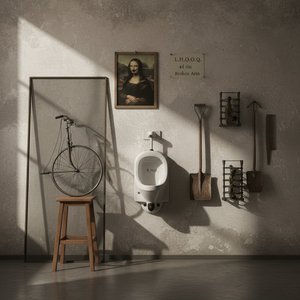
Marcel Duchamp: Challenging Conventions & Redefining Art in the 20th Century
Explore the revolutionary art of Marcel Duchamp! Discover how his Dadaist readymades challenged artistic conventions & redefined modern art. A deep dive into 'Fountain', conceptual shifts, and his lasting impact.

10 Шедевров Постимпрессионизма, Определивших Эпоху | ArtsDot.com
Погрузитесь в мир постимпрессионизма! Откройте 10 шедевров Ван Гога, Моне, Сезанна и других великих художников. История искусства, техники живописи и вдохновение для вашего интерьера на ArtsDot.com. Изысканные репродукции картин ждут вас!

Beyond Impressionism: Exploring the Emotional Depth of Post-Impressionist Painting
Explore the profound emotional depth & innovative techniques of Post-Impressionism with ArtsDot. Discover Cézanne, Van Gogh, Gauguin & more – and their lasting impact on modern art.


