


Картина подстраивается под ваш выбор: , .
Описание предмета коллекционирования
Experience 'Nacht' by Lyonel Feininger – an evocative Expressionist cityscape bathed in moonlight. Explore the artist’s unique blend of Cubism & architectural themes.
 Читать далее
Биография художника
Льонель Феингера – немецко-американский экспрессионист и мастер Баухауса. Известен уникальным стилем, сочетающим кубизм, эстетику витражей и архитектурные мотивы. Его работы – это яркие картины моря, городские пейзажи и новаторские графические эксперименты.
Order your in four simple steps
Не торопитесь. Вы можете изменить любой ответ; цена в вашей корзине будет обновляться после каждого выбора.
1 Шаг первый из четырех
Какой размер вы бы хотели выбрать?
Эти размеры сохраняют пропорции оригинальной картины. На рисунке показано, как выбранный вами вариант будет смотреться на стене над двухметровым диваном.
Или укажите свои размеры
Выберите один из наших стандартных размеров, соответствующих оригинальным пропорциям произведения искусства.

Введите необходимую ширину и высоту, чтобы репродукция подошла к вашей раме или стене. Поскольку работа выполняется вручную, при изменении пропорций художник может немного увеличить область вокруг картины или, наоборот, обрезать края — выбор за вами. Перед началом работы мы пришлем вам цифровой макет на утверждение. Изображение на этой странице не является точным результатом — увидеть реальный вид можно только на макете.
2 Шаг второй из четырех
Как его подготовить: в рулоне, на подрамнике или в раме?
Ниже указаны цены для размера, выбранного вами на первом этапе.
Выберите тип обработки краев холста
Выберите свою раму

Белый торцевой край $1

Размытый край $1

С продолжением изображения $1

P118B $10

P118H $10

P118W $10

P438Z $10

P508JH $12

P508YH $12

P805H $10

P805Z $10

P919BZ $10

P919G $10

P919XJ $10

P959ZH $10

P968JZ $12

W106C $8

W218G $10

W218JH $8

W218Y $10

W307PJ $10

W316G $10

W316PJ $8

W316Y $10

W398PJ $8

W4111J $10

W500HY $15

W500JH $15

W692G $12

W849H $8

W940BG $15

W953PJ $8

H24-GOLD $30

H24-SILVER $30

H36-GOLD $45

H36-SILVER $45
В раме
Багет: . Общий размер в раме: .
3 Третий шаг из четырех
Желаете ли вы внести какие-либо изменения в картину?
Большинство людей отвечают «нет». Но поскольку каждая картина создается вручную, наш художник может адаптировать ее специально для вас.
После оформления заказа команда ArtsDot.com свяжется с клиентом по электронной почте для получения инструкций и предоставит предварительный макет
4 Четвертый шаг из четырех
Несколько вариантов отделки
Все они являются необязательными. Выбранные ответы не влекут за собой дополнительных расходов.
Кто автор?
Доставка по всему миру () за 3–4 недели вместо стандартных 5 недель. (18 Ноябрь). Без компромиссов в качестве.
Табличка, как в музее?
Детали гравировки на бронзовой плакетке
This elegant plaque features the artist's name and the title of the artwork, finely engraved for a timeless presentation.
It is made from bronze with a refined, elegant finish. The text is precisely laser-engraved for a sharp and permanent result. Measuring 9x2 cm, the plaque is compact yet easy to read. It's built to be durable and scratch-resistant, offering a professional, museum-quality look. Mounting is simple thanks to the included adhesive backing.
Детали прозрачной акриловой таблички
The plaque includes essential engraved details such as the artist's name, the title of the artwork, the date it was created, the type of media used-like oil on canvas or watercolor-a brief description of the piece, and a QR code that links to the complete artwork information.
It is crafted from clear acrylic, offering a sleek, modern appearance. The text is UV-engraved in black to ensure strong visual contrast. With a size of 10x15 cm, it ensures optimal readability. It comes equipped with two metal hooks for secure wall mounting. The plaque is designed to be weather-resistant, making it suitable for various environments, and it includes interactive features that work seamlessly with smartphone scanning.
Информация о чёрной акриловой табличке
This elegant plaque includes engraved information such as the artist's name, the title of the artwork, the date it was created, the type of media used (like oil on canvas or watercolor), a short description of the artwork, and a QR code for quick access to more information.
The plaque itself is made from refined black acrylic with a premium finish. The text is laser-engraved in white for high contrast and readability. Its size is 10x15 cm, designed to be easy to read. It comes with two metal hooks for professional mounting. The design is sleek and fits any interior style. It is also weather-resistant and durable, with built-in digital integration for mobile compatibility.
Защитный лак?
Когда вам нужна доставка?
✓ Проверить и заказать
Ваша картина в соответствии с вашим заказом

Nacht
Техника репродукции
Размер репродукции
-

Выдающийся мастер высокого класса
Более высокая детализация, изысканность и дополнительное время на создание работы
-

Оформление репродукции
-
-
Для произведений искусства или репродукций, размер которых превышает 105 см (приблизительно 41 дюйм) по любой из сторон, рама будет доставлена в разобранном виде (в виде комплекта). Этот метод обеспечивает безопасную доставку и предотвращает повреждения при транспортировке.
Требуется профессиональная сборка — это не продукт для самостоятельной сборки (DIY).
Комплект должен быть собран, а холст натянут опытным мастером по багетным рамам с использованием клеевого ПВА (не входит в комплект), струбцин для натяжки холста и зажимов, чтобы удерживать подрамник ровным до полного высыхания клея. Неправильная сборка или неравномерное натяжение холста могут привести к необратимому повреждению произведения искусства и не являются гарантийным случаем.
 Для произведений искусства или репродукций, размер которых превышает 105 см (приблизительно 41 дюйм) по любой из сторон, рама будет доставлена в разобранном виде (в виде комплекта). Этот метод обеспечивает безопасную доставку и предотвращает повреждения при транспортировке.
В комплект входят все бруски из массива дерева, точно вырезанные по размеру.
Собирается с помощью предоставляемых винтов, а также столярного клея для угловых соединений, который не входит в комплект и должен быть приобретен вашим мастером.
Требуются профессиональные инструменты, не входящие в комплект: щипцы для натяжки холста (натяжитель) и зажимы, чтобы удерживать рейки ровно во время высыхания клея.
Важно:
Для соединения углов требуется клей для дерева, перекладины необходимо зафиксировать струбцинами до полного высыхания клея, а для натяжки холста на собранную раму требуются щипцы для натяжки холста. Ни один из этих инструментов не входит в комплект. Пожалуйста, убедитесь в наличии опытного мастера по багетным работам перед заказом рамы такого размера.

Этикетка
-
-

Защитный лак
Глянцевый лак (насыщает цвета, защищает от воздействия света и влаги)
-

Персонализация картины
Примеры возможных изменений: замена лица на фото клиента; добавление домашнего питомца (например, замена кошки на собаку); добавление скрытого сообщения на фоне; изменение пейзажа или элементов фона.
-

Экспресс-доставка
Доставка по всему миру () за 3–4 недели вместо стандартных 5 недель. (18 Ноябрь). Без компромиссов в качестве.
-
Экспресс-доставка
Доставка по всему миру () в течение 5 недель. (25 Ноябрь).
Включено в стоимость
Итоговая стоимость
$ 263
Вариант со стеклом доступен только для размеров менее 110 см
Включено в каждый заказ
- Бесплатная экспресс-доставка по всему миру
- Высококачественный льняной холст
- Полное страхование при доставке
- Гарантия возмещения таможенных пошлин
- Гарантия точного цветового соответствия
- 100-дневная гарантия возврата (только при обнаружении дефектов)
- Гарантия возврата 100% средств
- Скидка при оптовом заказе


Nacht by Lyonel Feininger: A Dreamlike Expressionist Vision
“Nacht,” meaning “Night” in German, is a captivating artwork by Lyonel Feininger that exemplifies the core tenets of Expressionism while demonstrating influences from Cubism. Created sometime during an unknown date, this piece transports viewers to a stylized and abstracted cityscape bathed in the ethereal glow of moonlight or artificial light.
Subject and Style: An Abstracted Nightscape
The artwork depicts an abstracted cityscape at night, likely inspired by German towns or villages. Feininger doesn't aim for photographic realism; instead, he prioritizes conveying a feeling—a mood of quiet contemplation tinged with melancholy. The style is distinctly Expressionist, characterized by its subjective interpretation of reality and emphasis on emotional expression over objective representation. Geometric simplification of forms, reminiscent of Cubism, further enhances the artwork’s unique visual language. Buildings are rendered as geometric blocks with pointed roofs, arranged in a seemingly chaotic yet balanced composition. A large circular form, likely representing the moon, dominates the right side of the canvas, while scattered stars punctuate the upper portion.
Technique and Materials: Watercolor's Fluidity
Feininger masterfully employs watercolor as his primary technique. The loose brushstrokes and washes of color create a fluid and atmospheric effect. Lines are used sparingly but effectively to define edges and structure, often appearing as thin, sketchy outlines that suggest movement or impermanence. The palette is predominantly cool and muted—shades of blue-green, purple, grey, and touches of orange—contributing to the somber yet peaceful mood. This technique lends a dreamlike quality to the scene, blurring the lines between reality and imagination.
Symbolism and Emotional Impact: Towers, Stars, and Contemplation
Beyond its visual appeal, “Nacht” is rich in symbolic elements. The tall, angular tower that dominates the composition could symbolize power, aspiration, or even spirituality—reaching towards the heavens amidst the nocturnal setting. The scattered stars evoke a sense of wonder and mystery, hinting at the vastness of the universe beyond the confines of the cityscape. Overall, the artwork evokes a feeling of quiet contemplation, inviting viewers to reflect on the stillness and solitude of night. It’s a powerful exploration of emotion through abstraction, characteristic of Feininger's artistic vision.
Вопросы и ответы
Является ли произведение «Nacht», Лионель Фейнингер общественным достоянием?
Что касается авторских прав, произведение «Nacht» находится в общественное достояние — срок действия авторского права истёк.
Кто является автором работы «Nacht»?
«Nacht» был создан Лионель Фейнингер. Информация на этой странице описывает оригинальную работу Лионель Фейнингер.
Цвета в работе «Nacht», Лионель Фейнингер яркие или приглушенные?
В работе «Nacht», Лионель Фейнингер запечатлена Subtle Color насыщенность и Balanced интенсивность цвета.
Подробнее об этой картине
 Предпросмотр
 Перейти к печатным копиям
 Поделиться
 Поделиться
 Детали произведения
 Руководство

 Скачать
 Похожие предметы
 Рентгенография
 Слайд-шоу
 Вопросы и ответы
 Статистика просмотров
Похожие произведения


Лионель Фейнингер
1871 - 1956, США
Биография художника
Ранние годы и становление: от карикатуриста до мастера высокого искусства
- Рождение и семья: Льонель Шарль Адриан Феингера родился 17 июля 1871 года в Нью-Йорке. Его отец, Карл Феингера, был немецко-американским скрипачом и композитором, а мать, Элизабет Феингера, — американской певицей. Эта глубокая художественная среда оказала неоценимое влияние на его раннее развитие.
- Первое образование и европейские путешествия: В 1887 году, в возрасте 16 лет, Феингера отправился в Европу для изучения музыки, но вскоре его призвание сместилось в сторону изобразительного искусства. Он посвятил себя изучению рисунка в Гамбурге и Берлине.
- Карьера в коммерческой графике: Начиная с 1894 года, Феингера построил успешную карьеру карикатуриста для различных немецких, французских и американских журналов. Его комиксы, такие как «The Kin-der-Kids» и «Wee Willie Winkie's World», завоевали огромную популярность и продемонстрировали его уникальный графический стиль.
- Переход к высокому искусству: После двадцатилетнего периода работы в коммерческой сфере, в возрасте 36 лет, Феингера совершил переход к чистому искусству. Это стало поворотным моментом в его творческом пути.
Экспрессионизм и влияние Баухауса
- Присоединение к экспрессионистским группам: Феингера стал одним из ведущих представителей экспрессионизма, вступив в такие влиятельные объединения, как «Die Brücke», «Novembergruppe» и «Gruppe 1919». Его работы этого периода отражали стремление движения к эмоциональной выразительности и субъективному восприятию мира.
- Первая персональная выставка: Его первая сольная выставка в галерее Sturm в Берлине (1917) стала ключевым событием, утвердившим его как значимую фигуру в мире искусства.
- Мастер Баухауса: В 1919 году Вальтер Гропиус назначил Феингера первым преподавателем Баухауса — новаторской школы искусства и дизайна. Он занимал пост мастера, ответственного за мастерскую печатной графики, оказав глубокое влияние на многочисленных учеников. le
- Художественный стиль: Его творчество характеризовалось призматически преломленными формами, полупрозрачными цветами и архитектурными мотивами, что сближало его с эстетикой классического модернизма.
Основные произведения и творческая эволюция
- Ранние морские пейзажи: Во время летних каникул на острове Узедом (1909–1918) Феингера создал множество морских полотен, изображающих Балтийское море, которые демонстрировали эволюцию его стиля.
- Знаковые работы: Среди его наиболее значимых произведений — «Вердер I» (акварель), «Габерндорф II» (бумага) и «Лодки» (кубизм, масло, холст). Эти работы служат идеальным примером его уникального сочетания экспрессионистских техник и архитектурных тем.
- Фотографическое наследие: В период с 1928 года до середины 1950-х годов Феингера создал обширный корпус фотографических работ, продемонстрировав свою невероятную многогранность как художника.
- Музыкальные композиции: Он также писал фортепианные пьесы и фуги для органа, открывая еще одну грань своего музыкального таланта.
Поздние годы и наследие
- Эмиграция в Соединенные Штаты: В связи с приходом нацистов к власти в 1933 году, Феингера вместе с женой был вынужден эмигрировать в США.
- Непрерывное творчество: Он продолжал писать картины и заниматься искусством на протяжении всей своей жизни, сохраняя свой самобытный почерк.
- Смерть и признание: Льонель Феингера скончался 13 января 1956 года. Его творчество оставило неизгладимый след в истории искусства, вдохновляя художников и ценителей своим неповторимым сплавом экспрессионизма, графического эксперимента и архитектурной глубины.
- Историческая значимость: Будучи ключевой фигурой как в экспрессионизме, так и в движении Баухаус, Феингера внес неоценимый вклад в формирование современного искусства. Его новаторское использование цвета, формы и перспективы продолжает находить отклик в сердцах зрителей по всему миру.
Похожие статьи

Clyfford Still's Abstract Expressionism: A Study of Color, Form & the Existential Landscape
Explore the profound world of Clyfford Still's Abstract Expressionism with ArtsDot. Discover his unique style, existential themes & investment potential. Expert analysis for discerning collectors.

Masterpieces of Light: The Top 25 Artworks by James McNeill Whistler
Explore the iconic masterpieces of James McNeill Whistler. Discover the essence of Tonalism and fine art on ArtsDot.com.
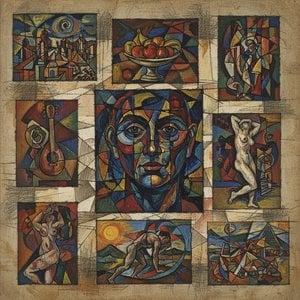
10 шедевров кубизма и экспрессионизма: искусство, изменившее мир | ArtsDot
Погрузитесь в мир кубизма и экспрессионизма! 10 шедевров от Picasso, Braque, Kandinsky и других гениев. Узнайте историю создания культовых картин и найдите идеальную репродукцию для вашего интерьера на ArtsDot.com