


 Предпросмотр
 Поделиться
 Поделиться
 Детали произведения

 Скачать
 Похожие работы
 Рентгенография
 Слайд-шоу
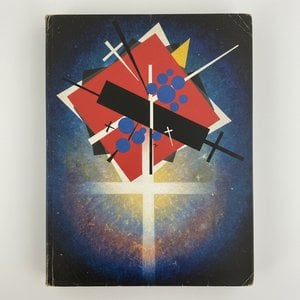
Study for the Front Program Cover for the First Congress of the Committees on Rural Poverty


 Читать далее
Жикле / Арт-принт
Печать (жикле) или холст музейного качества с быстрыми сроками изготовления и широким выбором вариантов отделки. ( Купить картину ручной работы Купить изображение)




P118B $10

P118H $10

P118W $10

P438Z $10

P508JH $12

P508YH $12

P805H $10

P805Z $10

P919BZ $10

P919G $10

P919XJ $10

P959ZH $10

P968JZ $12

W106C $8

W218G $10

W218JH $8

W218Y $10

W307PJ $10

W316G $10

W316PJ $8

W316Y $10

W398PJ $8

W4111J $10

W500HY $15

W500JH $15

W692G $12

W849H $8

W940BG $15

W953PJ $8




Выберите один из наших стандартных размеров, соответствующих оригинальным пропорциям произведения искусства.

Вы можете указать свои собственные размеры, чтобы репродукция идеально подошла под конкретную раму или пространство. Если выбранный вами размер не будет соответствовать пропорциям оригинала, мы либо обрежем произведение, либо дополним изображение зеркальным отражением краев или однотонной заливкой. Перед началом производства вам будет отправлен цифровой макет для утверждения.
Пожалуйста, обратите внимание, что предварительный просмотр на экране не отображает фактическую обрезку или расширение изображения. Только макет точно покажет финальную композицию.
Несмотря на возможность заказа индивидуальных размеров, мы рекомендуем выбирать размер из предопределенного списка, чтобы сохранить оригинальные пропорции.
Доставка по всему миру () за 2 недели вместо стандартных 4/5 недель. (5 Сентябрь)

Бесплатная экспресс-доставка по всему миру

Высококачественный льняной холст

Полное страхование доставки

Гарантия возмещения таможенных пошлин

Гарантия точного соответствия цветов

Политика возврата в течение 60 дней (только при наличии дефектов)

Гарантия возврата 100% средств

Предложение оптовых скидок
 Вариант со стеклом доступен только для размеров менее 110 см

Study for the Front Program Cover for the First Congress of the Committees on Rural Poverty
Жикле / Арт-принт
Размер репродукции
-


Итоговая стоимость
$ 62
A Revolutionary Call to Action: Decoding Malevich’s Program Cover
Kazimir Malevich's *Study for the Front Program Cover for the First Congress of the Committees on Rural Poverty* is far more than a striking abstract composition; it’s a powerful visual statement born from the fervor of post-revolutionary Russia. Created during a period of immense social and political upheaval, this work embodies the Constructivist spirit – art serving as a tool for societal transformation. While seemingly simple in its geometric arrangement, the painting resonates with complex themes of progress, collective action, and the promise of a new world order.Deconstructing Suprematism & Constructivism
Malevich is best known as the founder of Suprematism, an art movement focused on pure feeling and non-objective forms. However, this piece demonstrates his transition towards Constructivism, which prioritized functionality and applied art in service of the revolution. The bold red field evokes energy and urgency – a visual representation of revolutionary zeal. The black rectangles suggest solidity and structure, while the central white circle acts as a focal point, perhaps symbolizing unity or the core principles guiding the Congress. This isn’t merely aesthetic exploration; it's *applied* Suprematism, adapted for propaganda purposes.Technique & Materiality
The painting is executed in oil, allowing Malevich to achieve rich color saturation and precise geometric forms. The brushwork appears deliberate yet economical, emphasizing the clarity of shape over painterly texture. This reflects the Constructivist ideal of efficiency and a rejection of superfluous ornamentation. The flatness of the composition – devoid of traditional perspective – further reinforces its modern aesthetic and its function as a graphic element designed for reproduction and dissemination.Historical Context: Art & Revolution
In 1917, Russia underwent two revolutions that dramatically reshaped its political and social landscape. Following the Bolshevik seizure of power, artists were encouraged to contribute to building a new socialist society. Malevich, initially aligned with the revolutionary cause, saw art as a vehicle for expressing utopian ideals. This program cover was created during a period when the government actively sought artistic contributions to address pressing issues like rural poverty – a significant challenge in post-revolutionary Russia. The Cyrillic text, proclaiming “Session of Village Poverty Committees,” directly links the artwork to this specific political agenda.Symbolism & Interpretation
The symbolism within *Study for the Front Program Cover* is open to interpretation, yet undeniably potent. The red color traditionally represents revolution and sacrifice, while black can symbolize strength and determination. The circle, a recurring motif in Malevich’s work, often signifies infinity or spiritual wholeness – here, it could represent the collective hope for a better future. The arrangement of shapes suggests dynamism and forward momentum, mirroring the Congress's aim to address rural poverty with decisive action.Emotional Impact & Lasting Legacy
Despite its abstract nature, this painting evokes a strong emotional response. It’s not about replicating reality; it’s about conveying *feeling* – a sense of urgency, optimism, and collective purpose. The stark contrast between colors and the bold geometric forms create a visually arresting image that demands attention. Malevich's influence on 20th-century art is immeasurable, and this work stands as a testament to his innovative spirit and his belief in the power of art to shape society. It remains a compelling example of how abstract art can be deeply political and profoundly moving.- Style: Constructivism, Suprematism
- Technique: Oil on canvas
- Key Features: Bold geometric shapes, striking color contrast, Cyrillic text.
- Emotional Impact: Evokes a sense of urgency, optimism, and collective purpose.
Похожие произведения


Биография художника
Казимир Малевич: Пионер абстрактного искусства
Ранние годы и истоки вдохновения
- Родившись в 1878 году в Киевской области в польской семье, Казимир Северинович Малевич с ранних лет впитывал красоту украинского сельского пейзажа и богатство народной культуры.
- Это воспитание привило ему глубокое уважение к традиционным художественным формам, которые впоследствии стали тонким, едва уловимым источником вдохновения для его творчества.
- Его путь начался с классического обучения в Киеве, однако Малевич быстро почувствовал зов более широких горизонтов, устремившись в Москву и со временем включившись в стремительно развивающиеся авангардные движения Европы.
- Ключевые влияния: Раннее знакомство с народным искусством в сочетании с неутолимой жаждой современного самовыражения заложили фундамент его неповторимого стиля.
Художественная эволюция и ключевые течения
- В начале своего пути Малевич исследовал самые разные направления, включая импрессионизм, символизм, фовизм и кубизм. Знаковая поездка в Париж в 1912 году открыла ему глаза на новейшие достижения европейского искусства.
- Постепенно он начал отходить от фигуративности, стремясь обрести чистый художественный язык, основанный исключительно на геометре и цвете.
- Этот поиск привел к рождению супрематизма около 1915 года — абстрактного движения, провозгласившего «превосходство чистого чувства» в искусстве.
- Супрематизм отвергал любые попытки изображать объекты видимого мира, отдавая приоритет базовым геометрическим формам: квадратам, кругам и прямоугольникам.
Великие достижения и знаковые произведения
- Черный квадрат (1915): Пожалуй, его самое знаменитое творение, ставшее радикальным разрывом с традицией и фундаментальной вехой в истории абстрактной живописи.
- Белое на белом (1918): Серия работ, исследующая чистоту формы и цвета, где белые геометрические фигуры на белом фоне доводят идею абстракции до ее предела.
- Строящийся дом (1916): Ранний пример супрематизма, демонстрирующий его уникальный взгляд на украинскую культуру через призму абстрактных форм.
- Малевич также оставил глубокий след в теории искусства, формулируя философские принципы супрематизма и призывая к новому художественному сознанию.
Историческое значение и наследие
- Творчество Малевича оказало колоссальное влияние на развитие абстрактного искусства XX века, предопределив появление таких направлений, как минимализм и конструктивизм.
- Он бросил вызов привычным представлениям о репрезентации и проложил путь к беспредметному искусству.
- Его идеи о чистом чувстве и геометрической абстракции продолжают находить отклик в сердцах художников по сей день.
- Несмотря на политические преследования в сталинскую эпоху — когда его сначала поддерживали, а затем подавляли — Малевич продолжал непоколебимо следовать своему пути в искусстве и преподавании.
- Влияние на последующие поколения: Он оказал прямое воздействие на таких мастеров, как Эль Лисицкий, и косвенно сформировал творчество бесчисленного множества других художников через непреходящее наследие супрематизма.
Поздние годы и уход
- В последние годы жизни Малевич вновь обратился к фигуративной живописи, пытаясь синтезировать свои абстрактные принципы с узнаваемыми формами.
- Он продолжал преподавать и писать об искусстве до самой смерти в Ленинграде (ныне Санкт-Петербург) в 1935 году.
- После его смерти его работы на десятилетия оказались в тени, но во второй половине XX века интерес к ним вспыхнул с новой силой, окончательно закрепив за ним статус одной из самых значимых фигур в истории мирового искусства.

Казимир Малевич
1878 - 1935 , Украина
Основные сведения
- Artistic Movement Or Style: Супрематизм, Абстрактное искусство
- Artists Or Movements Influenced By This Artist:
- Минимализм
- Конструктивизм
- Эль Лисицкий
- Artists Who Influenced This Artist:
- Импрессионизм
- Фовизм
- Кубизм
- Date Of Birth: 1878 г.
- Date Of Death: 1935 г.
- Full Name: Казимир Северинович Малевич
- Nationality: Украинский/Русский
- Notable Artworks:
- Чёрный квадрат
- Белое на белом
- Дом под стройку
- Place Of Birth: Киев, Украина
Похожие статьи

Казимир Малевич: 25 шедевров супрематизма для ценителей искусства и декора интерьера
Погрузитесь в мир супрематизма с Казимиром Малевичем! 25 культовых картин, история создания и значение. Репродукции высокого качества для вашего интерьера на ArtsDot.com. Откройте всю коллекцию онлайн!

Геометрическая абстракция: 10 шедевров, изменивших искусство | ArtsDot.com
Погрузитесь в мир геометрической абстракции! От Кандинского до Малевича – 10 шедевров, изменивших искусство. Узнайте историю создания и значение культовых картин. Репродукции музейного качества на ArtsDot.com. Вдохновение для вашего интерьера!

Kazimir Malevich: Pioneering Suprematism & the Quest for Non-Objective Art
Explore the revolutionary art of Kazimir Malevich & his groundbreaking Suprematism movement. Discover the origins, core principles, and lasting impact of this pivotal force in modern abstract painting.

Топ-25 шедевров Василия Кандинского: Абстрактное искусство для вашего интерьера
Погрузитесь в мир абстрактного искусства с Василием Кандинским! 25 шедевров экспрессионизма, баухауса и русского авангарда. Репродукции картин Кандинского для вдохновения и декора вашего интерьера. Откройте всю коллекцию на ArtsDot.com
Beyond Representation: Exploring the Radical Geometry of Suprematism & Its Spiritual Foundations
Explore the revolutionary world of Suprematism with our expert guide. Discover Kazimir Malevich's groundbreaking art, its spiritual foundations & lasting influence on modern design. Learn about collecting this iconic movement.



