


 Примерить в интерьере
 Отправить
 Поделиться
 Подробнее
 Руководство

 Скачать
 Похожие объекты
 Рентгенография
 Слайд-шоу
 Статистика
Study Sheet
 Acrylic On Canvas
- WallArt
- Expressionist Printmaking
 1931
1931 40.0 x 32.0 cm
 Kunsthalle Bremen
 Развернуть текст
Приобретите цифровое изображение высокого разрешения в улучшенном качестве, которое значительно превосходит онлайн-превью.
Каждый файл проходит тщательную подготовку нашими специалистами с использованием передовых инструментов и экспертной ручной ретуши. Мы гарантируем исключительную четкость, безупречную точность цветопередачи и детальную проработку каждого изображения.
Финальный файл доставляется по электронной почте в течение 72 часов и оптимизирован для немедленного использования в профессиональной среде, при верстке и печати. Это тот же уровень качества, которому доверяют ведущие дизайнерские студии, издательства и галереи.
Цифровое изображение
Скачайте файл высокого разрешения для личного использования, печати и творческих проектов. ( Переключиться на печать Заказать репродукцию ручной работы)
Включено в каждый заказ цифровых изображений
Гарантия профессиональной цифровой доставки
Выбирая ArtsDot.com, вы получаете не просто изображение — вы приобретаете профессионально обработанное цифровое произведение искусства, созданное с безупречной точностью и под защитой гарантии качества. Вот всё, что автоматически входит в ваш заказ:

Быстрая доставка по e-mail
Ваш цифровой файл в высоком разрешении будет отправлен по электронной почте в течение 72 часов после оформления заказа и сразу станет доступен для использования.

Цифровой файл с ИИ-обработкой
Ваше произведение искусства проходит профессиональную оптимизацию с использованием передовых инструментов ИИ и ручной обработки, что гарантирует максимальную детализацию, четкость и точность цветопередачи.

Бессрочная бесплатная повторная отправка
Случайно удалили или потеряли файл? Не беспокойтесь — мы отправим его вам повторно в любое время и совершенно бесплатно.

Без импортных пошлин — навсегда
Наслаждайтесь вашим произведением искусства мгновенно без таможенных пошлин, сборов или затрат на доставку — цифровые загрузки всегда не облагаются налогом.

Гарантия точности цветопередачи
Мы гарантируем максимально точное соответствие цифрового изображения оригиналу благодаря использованию профессиональных инструментов и систем управления цветом.

Гарантия удовлетворенности 100 дней
Если вы не будете удовлетворены своим цифровым изображением, мы внесем правки или вернем 100% стоимости в течение 100 дней — без лишних вопросов.

100% Гарантия возврата средств
Не удовлетворены покупкой? Мы вернем вам полную стоимость в течение 100 дней после получения цифрового файла — без лишних вопросов.

Скидки на оптовые заказы
Купите 3 изображения — скидка 10%; купите 5 — скидка 15%; от 10 изображений — скидка 20%. Отличное решение для творческих проектов, галерей и агентств.
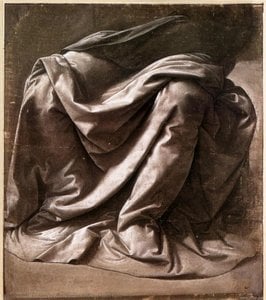
A Portrait of Family Bonds: Käthe Kollwitz’s “Study Sheet”
Käthe Kollwitz's "Study Sheet," created in 1931, transcends mere depiction; it embodies the profound empathy and unwavering commitment to social justice that defined her artistic legacy. This deceptively simple drawing—measuring 40 x 32 cm—offers a glimpse into Kollwitz’s meticulous process and speaks volumes about her enduring fascination with portraying human vulnerability and familial connection. Examining this artwork reveals layers of meaning, reflecting not only the artist's technical prowess but also the socio-political currents shaping early twentieth-century Germany.The Artist’s Vision: Kollwitz’s Style and Technique
Kollwitz’s artistic style is instantly recognizable as Expressionism—a movement characterized by its rejection of idealized beauty in favor of conveying raw emotion and psychological truth. Unlike Impressionists who sought to capture fleeting moments of light, Kollwitz deliberately employed bold lines and muted colors to emphasize the contours of her subjects and imbue them with palpable feeling. The drawing utilizes a charcoal pencil on paper, demonstrating Kollwitz’s mastery of tonal shading—a technique she honed throughout her prolific career. Careful attention is paid to capturing subtle nuances of expression, particularly in the faces of the figures depicted. This deliberate choice underscores Kollwitz's belief that art should serve as a conduit for confronting uncomfortable realities and fostering compassion for those marginalized by society.Historical Context: Weimar Republic Anxiety
“Study Sheet” was produced during the Weimar Republic—a period marked by economic instability, political polarization, and simmering anxieties about the rise of extremist ideologies. Kollwitz’s artistic output coincided with this turbulent era, reflecting a deep concern for the plight of working-class families grappling with poverty and hardship. The depiction of a family huddled together—two adults and two children—immediately evokes images of resilience and solidarity amidst adversity. This motif resonates powerfully within the broader context of Weimar Germany, where anxieties about social upheaval fueled artistic explorations of vulnerability and human dignity. Kollwitz herself was deeply involved in socialist activism, using her art to advocate for social reform and denounce injustice – a commitment that permeated every piece she created.Symbolism Within Simplicity: The Family Unit
The inclusion of three cats within the composition adds another layer of symbolic significance. Cats have long been associated with domestic tranquility and maternal care—representing comfort and protection within the familial sphere. Their presence subtly reinforces Kollwitz’s central theme: the importance of nurturing relationships and safeguarding vulnerable individuals against external pressures. The artist's careful rendering of each feline contributes to the overall atmosphere of warmth and companionship, highlighting Kollwitz’s ability to distill complex emotions into deceptively understated visual elements.Emotional Resonance: A Legacy of Compassion
Ultimately, “Study Sheet” succeeds in capturing a moment of profound human connection—a testament to Kollwitz's unwavering empathy for the suffering masses. The drawing compels viewers to contemplate themes of familial love, resilience, and compassion—values that remain remarkably relevant today. It serves as an enduring reminder that art can illuminate the darkest corners of experience while simultaneously affirming the inherent dignity of every human being. Kollwitz’s masterful technique and her unflinching portrayal of emotion solidify “Study Sheet” as a cornerstone of Expressionist art and a poignant reflection on the human condition.Вопросы и ответы
Кто создал(а) «Study Sheet» и в каком году?
«Study Sheet» был создан(а) Кэте Кольвиц в 1931 году.
Что представляет собой произведение «Study Sheet»?
Произведение «Study Sheet», Кэте Кольвиц классифицируется как WallArt. Данная категория определяет тип оригинального произведения искусства.
Какую атмосферу привносит «Study Sheet», Кэте Кольвиц в интерьер?
Calm атмосфера работы «Study Sheet», Кэте Кольвиц идеально дополняет рекомендуемое пространство: Living Room.
Похожие произведения




Биография художника
Ранние годы и художественное пробуждение
Кэте Кольвиц, родившаяся 8 июля 1867 года в Кёнигсберге (ныне Калининград, Россия) под именем Кэте Шмидт, происходила из семьи, глубоко укорененной как в интеллектуальных исканиях, так и в социальном самосознании. Ее отец, Карл Шмидт, был прогрессивным политическим деятелем — радикальным социал-демократом и масоном, — в то время как дед по материнской линии, Юлиус Рупп, привил юной Кэте мощное сочетание религиозной убежденности и социалистических идеалов. Это уникальное воспитание стало фундаментом, сформировавшим не только ее мировоззренние, но и само ядро ее художественного самовыражения. Еще ребенком Кольвиц демонстрировала врожденный талант к рисованию, который поощрял ее отец, разглядевший и взрастивший ее растущую креативность. Формальное обучение началось в двенадцать лет под руководством местных художников Густава Науйока и Рудольфа Мауэра в Кёнигсберге, что заложило основу для пожизненной преданности визуальному повествованию. Эти ранние уроки не были просто техническими упражнениями; они стали первыми шагами на пути к тому, чтобы стать мощным голосом для маргинализированных и угнетенных слоев общества. Она продолжила свое обучение в Берлине и Мюнхене, погружаясь в художественные течения конца XIX века, но всегда возвращалась к человеческому состоянию как к своей центральной теме.Горнило опыта: искусство и социальный комментарий
Брак Кольвиц с Карлом Кольвицем в 1891 году стал поворотным моментом как в личной, так и в творческой жизни. Пара поселилась в Берлине, где Карл занимался медицинской практикой среди беднейших рабочих кварталов города. Это прямое столкновение с лишениями и страданиями глубоко повлияло на художественное видение Кэре. Поначалу ее работы были сосредоточены на изображении реалий жизни рабочего класса, пронизанных социал-демократическими принципами, которые она впитала от своей семьи. Однако именно «Цикл ткачей» (1894–1898) — серия гравюр, вдохновленная одноименной пьесой Герхарта Гауптмана, — принес Кольвиц широкое признание. Это мощное произведение живописно изобразило отчаяние и бунт силезских ткачей, столкнувшихся с экономической эксплуатацией, став суровым обвинением социальной несправедливости, представленным с непоколебимой честностью. Она не избегала изображения жестокой реальности, которую видела; напротив, она приняла ее как важнейший компонент своей художественной истины. Вслед за «Ткачами» Кольвиц приступила к работе над «Циклом крестьянской войны» (1902–1908), исследуя темы восстания и угнетения через призму немецкой истории XVI века. Эти ранние циклы утвердили ее репутацию художника, глубоко преданного социальному реализму, но уже предвещали эмоциональную интенсивность, которая станет визитной карточкой ее стиля.Утрата, скорбь и экспрессионистский импульс
Первая мировая война принесла в жизнь Кольвиц невообразимую трагедию. Смерть ее сына, Петера, в 1914 году разрушила ее мир и безвозвратно изменила ход ее искусства. Скорбь стала центральной темой, пронизывающей такие работы, как «Смерть с ребенком на руках» — пугающее изображение материнского горя, которое выходит за рамки конкретной утраты, воплощая универсальное траурное чувство. Этот период также ознаменовался сдвигом в ее художественном стиле: от строгого реализма к более эмоционально заряженному экспрессиму. Хотя она никогда полностью не отказывалась от изобразительных форм, Кольвиц начала упрощать формы и усиливать эмоциональное воздействие через резкие контрасты и драматичные композиции. Такие работы, как «Старик с петлей» и «Башня матерей», служат примером этой эволюции — необработанное, висцеральное выражение отчаяния и разрушительных последствий войны. Ее мастерство в техниках печатной графики — офорте, литографии, ксилографии — позволяло ей достигать этих эффектов, используя акватинту и наждачную бумагу для создания драматичных текстур и тональных вариаций.Признание, стойкость и непреходящее наследие
Несмотря на огромные личные трудности, Кольвиц продолжала создавать искусство, которое бросало вызов общественным нормам и давало голос безгласным. В 1919 году она достигла исторической вехи, став первой женщиной, избранной в Прусскую академию искусств, что стало свидетельством ее творческих достижений и растущего влияния. Однако это признание было недолгим. С приходом нацизма в Германии Кольвиц была вынуждена уйти из Академии в 1933 году, а ее работы были запрещены как «дегенеративное искусство». Не сломленная, в свои поздние годы она обратилась к скульптуре, продолжая исследовать темы горя, утраты и стойкости в бронзе и камне. Она умерла недалеко от Дрездена в 1945 году, в последние дни Второй мировой войны — трагический финал для художника, посвятившего свою жизнь тому, чтобы быть свидетелем человеческих страданий. Сегодня Кэте Кольвиц почитается как ключевая фигура экспрессионизма и мощный защитник социальной справедливости. Ее искусство продолжает находить отклик у аудитории по всему миру, напоминая нам о непреходящей силе эмпатии и важности противостояния горькой правде. Музей Кэте Кольвиц в Берлине служит вечным памятником ее наследию, гарантируя, что ее глубокое художественное видение будет продолжать вдохновлять грядущие поколения.Влияния и художественный стиль
Художественное развитие Кольвиц сформировалось под воздействием нескольких ключевых факторов. Графический цикл Макса Клингера «Ein Leben» («Жизнь») оказал глубокое влияние на ее ранние работы, продемонстрировав потенциал графических циклов для повествовательного искусства. Пьесы Герхарта Гауптмана послужили тематическим источником вдохновения для таких работ, как «Ткачи», в то время как медицинская практика ее мужа открыла ей суровые реалии жизни берлинского рабочего класса. Однако Кольвиц не была просто летописцем внешних событий; она обладала исключительной способностью переводить личный опыт в универсальные эмоции. Ее стиль характеризуется необработанной эмоциональной интенсивностью, упрощенными формами и мастерским использованием света и тени. Несмотря на укорененность в реализме, ее работы выходят за рамки простого изображения, погружаясь в психологические глубины человеческих страданий. Она не стремилась к красоте ради красоты; она стремилась создавать искусство, которое побуждало бы к размышлениям, вызывало сопереживание и, в конечном счете, способствовало созданию более справедливого мира. Ее наследие — это не просто инновация в искусстве, но и проявление морального мужества. Кольвиц остается непреходящим символом художника как воплощения социальной совести.
Кэте Кольвиц
1867 - 1945 , Россия
Краткая справка
- Artistic Movement Or Style: Экспрессионизм
- Artists Or Movements Influenced By This Artist: ['Альберт Бёкль']
- Artists Who Influenced This Artist:
- Макс Клингер
- Георг Хауптаман
- Date Of Birth: 8 июля 1867 г.
- Date Of Death: 1945 г.
- Full Name: Кäте Кольвиц
- Nationality: Немецкая
- Notable Artworks:
- Цикл ткачей
- Цикл крестьянской войны
- Place Of Birth: Кöнigsберг, Россия