
- Главная

- Цифровое изображение
- kano motonobu
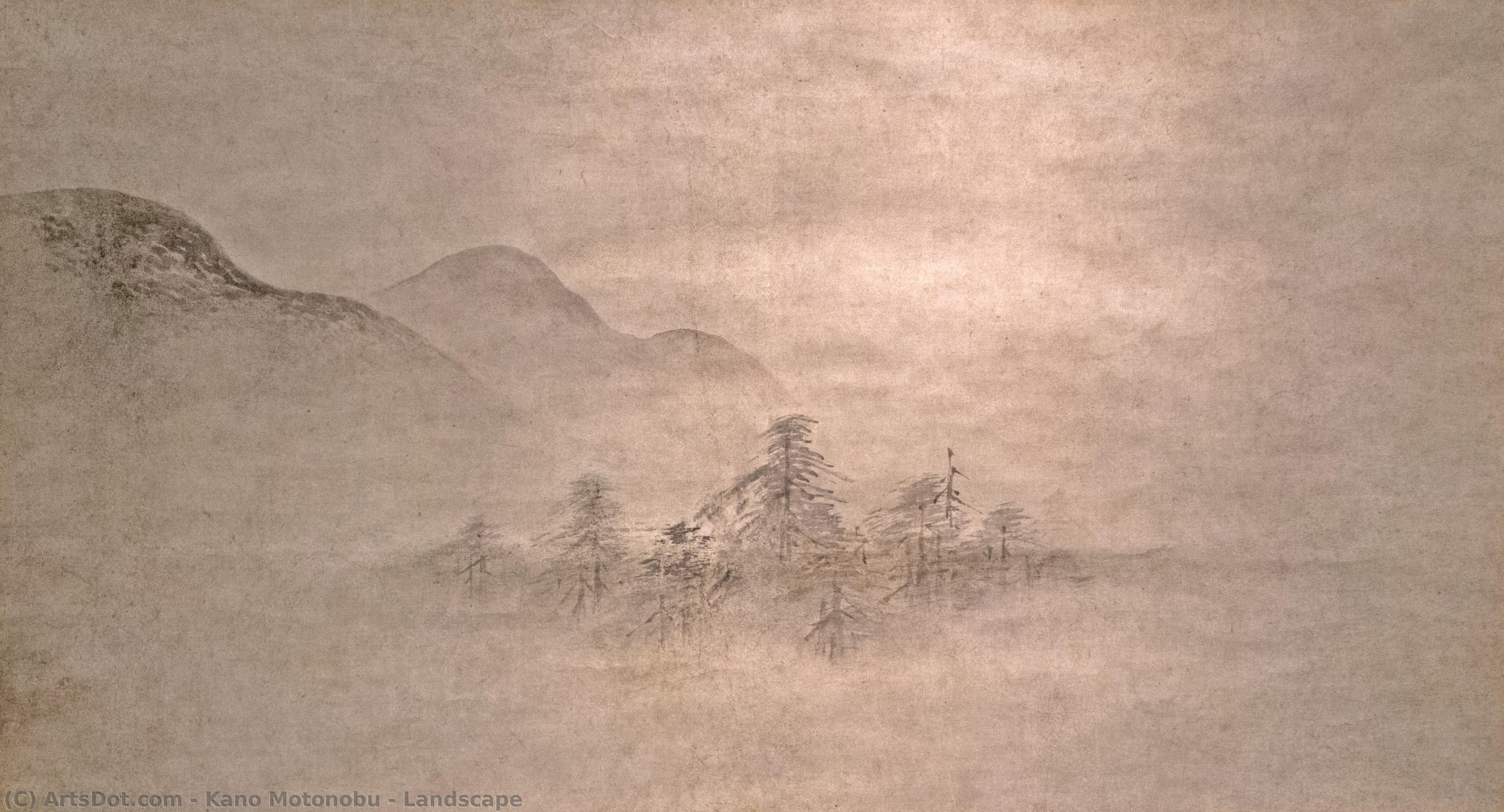
- Landscape
 Предпросмотр
 Поделиться
 Поделиться
 Детали произведения

 Скачать
 Похожие работы
 Рентгенография
 Слайд-шоу
Landscape
 501
501 59.0cm x 108.0cm
 Читать далее
Приобретите цифровое изображение высокого разрешения в улучшенном качестве, которое значительно превосходит онлайн-превью.
Каждый файл тщательно подготавливается нашими специалистами с использованием передовых инструментов и экспертной ручной ретуши. Мы гарантируем исключительную четкость, точную цветопередачу и детальную проработку каждого изображения.
Финальный файл доставляется по электронной почте в течение 72 часов и оптимизирован для немедленного использования в профессиональной среде, при верстке и печати. Это тот же уровень качества, которому доверяют ведущие дизайнерские студии, издательства и галереи.
Цифровое изображение
Скачайте файл высокого разрешения для личного использования, печати и творческих проектов. ( Перейти к печати Перейти к заказу ручной росписи)
Включено в каждый заказ цифровых изображений
Гарантия экспертной цифровой доставки
Выбирая ArtsDot.com, вы получаете не просто изображение — вы приобретаете профессионально обработанное цифровое произведение искусства, созданное с безупречной точностью и под защитой гарантии качества. Вот всё, что автоматически входит в ваш заказ:

Мгновенная доставка по e-mail
Ваш цифровой файл в высоком разрешении будет отправлен вам по электронной почте в течение 72 часов после оформления заказа — и сразу станет доступен для использования.

Цифровой файл с ИИ-улучшением
Ваше произведение искусства проходит профессиональную оптимизацию с использованием передовых инструментов ИИ и ручной обработки, что гарантирует максимальную детализацию, четкость и точность цветопередачи.

Бессрочная бесплатная повторная доставка
Случайно удалили или потеряли файл? Не беспокойтесь — мы отправим его вам повторно в любое время и совершенно бесплатно.

Без импортных пошлин — навсегда
Наслаждайтесь вашим произведением искусства мгновенно без таможенных пошлин, сборов или затрат на доставку — цифровые загрузки всегда не облагаются налогом.

Гарантия точности цветопередачи
Мы гарантируем, что ваше цифровое изображение максимально точно передает оригинальные цвета благодаря использованию профессиональных инструментов и систем управления цветом.

Гарантия удовлетворения в течение 60 дней
Если вы останетесь не удовлетворены покупкой цифрового изображения, мы внесем в него правки или вернем 100% стоимости в течение 60 дней — без лишних вопросов.

100% Гарантия возврата средств
Не удовлетворены покупкой? Мы гарантируем полный возврат средств в течение 60 дней после получения вашего цифрового файла — без лишних вопросов.

Скидки на оптовые заказы
Купите 3 изображения, сэкономьте 10% — Купите 5, сэкономьте 15% — Купите 10+, сэкономьте 20%. Отличное решение для творческих проектов, галерей и агентств.
Описание коллекции
Похожие произведения


Биография художника
Kanō Motonobu: Architect of a Japanese Aesthetic
The world of Japanese art owes an immense debt to Kanō Motonobu (1476-1559), a figure whose influence reverberates through centuries of painting. More than simply a painter, Motonobu was the architect of the Kanō School, a dynasty that shaped the very definition of Japanese aesthetics and profoundly impacted the course of art history. His life unfolded during a turbulent period – the late Muromachi and early Azuchi-Momoyama eras – marked by political upheaval, warring states, and shifting cultural currents. Yet, within this chaos, Motonobu’s artistic vision flourished, establishing a system that would dominate Japanese painting for over three hundred years.
Born into a family deeply intertwined with the imperial court and the powerful Ashikaga shogunate, Motonobu's lineage traced back to Kanō Kagenobu, a warrior-artist who had gained favor by painting a landscape of Mount Fuji for Shogun Ashikaga Yoshinori in 1432. This connection provided a crucial foundation for the school’s early success. His father, Kanō Masanobu (1434–1530), is widely considered the founder of the Kanō School, establishing it as a professional atelier in Kyoto and adopting the Chinese painting style favored by the Ashikaga shogunate. Masanobu's influence was particularly significant; he skillfully blended the refined brushwork and monochromatic palette of Chinese ink paintings with the emerging Japanese aesthetic sensibilities.
The Synthesis: Bridging East and West
Motonobu’s genius lay in his ability to synthesize these disparate influences. Unlike earlier artists who simply copied Chinese styles, Motonobu didn't merely replicate; he adapted and transformed them into something uniquely Japanese. He inherited his father’s foundation of Chinese-style painting but skillfully integrated elements of *Yamato-e*, the native Japanese style characterized by a focus on nature, human figures, and vibrant colors. This fusion resulted in a distinctive visual language—bold brushstrokes, dramatic contrasts between light and shadow, and a masterful use of color that was both refined and expressive.
Crucially, Motonobu’s artistic development was shaped by his marriage to Tosa Mitsunobu's daughter, a union that brought him into contact with the Tosa School, renowned for its depictions of native Japanese subjects. This exchange broadened his repertoire and provided him with new techniques and perspectives. He wasn’t simply a follower; he actively absorbed and reinterpreted these influences, creating a synthesis that was both innovative and deeply rooted in tradition.
A Patron's Legacy: The Kanō School Takes Shape
Motonobu’s influence extended far beyond his own artistic output. He wasn’t just a painter; he was a shrewd administrator and organizer, transforming the Kanō School into a highly structured and influential institution. He established a system of apprenticeships, meticulously documented techniques in *kōrō* (sketchbooks), and oversaw the production of countless works for wealthy patrons – including the Ashikaga shogunate, the imperial court, Kyoto merchant class, and major shrines and temples.
His workshop, typically comprising around ten individuals—including himself, his three sons Shōei, Yusetsu, and Joshin, his younger brother Yukinobu, and various assistants—operated as a sophisticated production center. The hierarchy within the studio was carefully defined: Motonobu oversaw the overall design and direction, while his sons and apprentices specialized in different tasks – grinding pigments, preparing paper, executing backgrounds, and adding details. This collaborative approach ensured both quality control and efficient production, allowing the school to meet the demands of its diverse clientele.
Iconic Works and Enduring Influence
Among Motonobu’s most celebrated works are the “49 Landscapes with Flowers and Birds” (Shiki-sansui-zu) executed for the *houjou* (abbot's chamber) of the former Daisen-in monastery in Kyoto. These monumental hanging scrolls, now housed at the Philadelphia Museum of Art, exemplify his mastery of composition, color, and brushwork. They represent a pivotal moment in the development of the Kanō School’s style, foreshadowing the grand decorative panels that would characterize later generations.
Motonobu's legacy extends far beyond these individual masterpieces. He established a system of training that produced countless skilled artists who carried on the school’s traditions for over three centuries. The Kanō School’s influence permeated Japanese art, shaping not only painting but also calligraphy, ceramics, and lacquerware. Kanō Motonobu's contributions are therefore indispensable to understanding the evolution of Japanese aesthetics and the enduring power of his artistic vision.

kano motonobu
1476 - 1559
Основные сведения
- Artistic Movement Or Style: Kanō School, Monochrome ink painting
- Artists Or Movements Influenced By This Artist:
- Tosa School
- Yamato-e
- Artists Who Influenced This Artist: ['Kanō Masanobu']
- Date Of Birth: August 28, 1476
- Date Of Death: November 5, 1559
- Full Name: Kanō Motonobu
- Nationality: Japanese
- Notable Artworks:
- 49 Landscapes with Flowers and Birds
- Dragon descending from clouds
- Place Of Birth: Kyoto, Japan

