
Self-Portrait Hand-painted in oil, just for your walls


The picture follows your choices: , .
Описание предмета
 Развернуть текст
Биография художника
Жак-Луи Давид (1748–1825): Ведущий французский художник неоклассицизма, создатель таких шедевров как «Обет орхидей» и «Смерть Сократа». Его творчество оказало огромное влияние на европейское искусство XIX века.
Масляная репродукция ручной работы
Картина маслом на холсте в выбранном вами размере и раме, написанная на заказ нашими художниками. ( Переключиться на печать Перейти к цифровым изображениям)
Order your painting in four simple steps
Take your time. You can change any answer; the price in your order card follows each choice.
1 Step one of four
Which size would you like?
These sizes keep the proportions of the original painting. The drawing shows your choice on a wall, above a two-metre sofa.
Or give your own measurements
Выберите один из наших стандартных размеров, соответствующих оригинальным пропорциям произведения искусства.

Введите необходимую ширину и высоту, чтобы репродукция подошла к вашей раме или стене. Поскольку работа выполняется вручную, при изменении пропорций художник может немного увеличить область вокруг картины или, наоборот, обрезать края — выбор за вами. Перед началом работы мы пришлем вам цифровой макет на утверждение. Изображение на этой странице не является точным результатом — увидеть реальный вид можно только на макете.
2 Step two of four
How should it be prepared: rolled, stretched or framed?
The prices below are for the size you chose in step one.
Choose the edges of the stretched canvas
Choose your frame

White $1

Blurside $1

Extended $1

P118B $10

P118H $10

P118W $10

P438Z $10

P508JH $12

P508YH $12

P805H $10

P805Z $10

P919BZ $10

P919G $10

P919XJ $10

P959ZH $10

P968JZ $12

W106C $8

W218G $10

W218JH $8

W218Y $10

W307PJ $10

W316G $10

W316PJ $8

W316Y $10

W398PJ $8

W4111J $10

W500HY $15

W500JH $15

W692G $12

W849H $8

W940BG $15

W953PJ $8

H24-GOLD $30

H24-SILVER $30

H36-GOLD $45

H36-SILVER $45
В раме
Moulding: . Overall size with the frame: .
3 Step three of four
Would you like anything changed in the painting?
Most people answer no. Because each painting is made by hand, our artist can also adapt it for you.
After order, ArtsDot.com team will email client for instructions and provide a mockup preview
4 Step four of four
A few finishing options
All of them are optional. The answers already selected cost nothing extra.
Who paints it?
Доставка по всему миру () за 3–4 недели вместо стандартных 5 недель. (29 Октябрь). Без компромиссов в качестве.
A nameplate, as in a museum?
Детали гравировки на бронзовой плакетке
This elegant plaque features the artist's name and the title of the artwork, finely engraved for a timeless presentation.
It is made from bronze with a refined, elegant finish. The text is precisely laser-engraved for a sharp and permanent result. Measuring 9x2 cm, the plaque is compact yet easy to read. It's built to be durable and scratch-resistant, offering a professional, museum-quality look. Mounting is simple thanks to the included adhesive backing.
Информация об акриловой табличке
The plaque includes essential engraved details such as the artist's name, the title of the artwork, the date it was created, the type of media used-like oil on canvas or watercolor-a brief description of the piece, and a QR code that links to the complete artwork information.
It is crafted from clear acrylic, offering a sleek, modern appearance. The text is UV-engraved in black to ensure strong visual contrast. With a size of 10x15 cm, it ensures optimal readability. It comes equipped with two metal hooks for secure wall mounting. The plaque is designed to be weather-resistant, making it suitable for various environments, and it includes interactive features that work seamlessly with smartphone scanning.
Информация о чёрной акриловой табличке
This elegant plaque includes engraved information such as the artist's name, the title of the artwork, the date it was created, the type of media used (like oil on canvas or watercolor), a short description of the artwork, and a QR code for quick access to more information.
The plaque itself is made from refined black acrylic with a premium finish. The text is laser-engraved in white for high contrast and readability. Its size is 10x15 cm, designed to be easy to read. It comes with two metal hooks for professional mounting. The design is sleek and fits any interior style. It is also weather-resistant and durable, with built-in digital integration for mobile compatibility.
A protective varnish?
When do you need it?
✓ Check and order
Your painting, as you ordered it

Self-Portrait
Материал репродукции
Размер репродукции
-

Ведущий мастер элитного уровня
Более высокая детализация, изысканность и дополнительное время на создание работы
-

Рама для репродукции
-
-
Для произведений искусства или репродукций, размер которых превышает 105 см (приблизительно 41 дюйм) по любой из сторон, рама будет доставлена в разобранном виде (в виде комплекта). Этот метод обеспечивает безопасную доставку и предотвращает повреждения при транспортировке.
Требуется профессиональная сборка — это не продукт для самостоятельной сборки (DIY).
Комплект должен быть собран, а холст натянут опытным мастером по багетным рамам с использованием клеевого ПВА (не входит в комплект), струбцин для натяжки холста и зажимов, чтобы удерживать подрамник ровным до полного высыхания клея. Неправильная сборка или неравномерное натяжение холста могут привести к необратимому повреждению произведения искусства и не являются гарантийным случаем.
 Для произведений искусства или репродукций, размер которых превышает 105 см (приблизительно 41 дюйм) по любой из сторон, рама будет доставлена в разобранном виде (в виде комплекта). Этот метод обеспечивает безопасную доставку и предотвращает повреждения при транспортировке.
В комплект входят все бруски из массива дерева, точно вырезанные по размеру.
Собирается с помощью предоставляемых винтов, а также столярного клея для угловых соединений, который не входит в комплект и должен быть приобретен вашим мастером.
Требуются профессиональные инструменты, не входящие в комплект: щипцы для натяжки холста (натяжитель) и зажимы, чтобы удерживать рейки ровно во время высыхания клея.
Важно:
Для соединения углов требуется клей для дерева, перекладины необходимо зафиксировать струбцинами до полного высыхания клея, а для натяжки холста на собранную раму требуются щипцы для натяжки холста. Ни один из этих инструментов не входит в комплект. Пожалуйста, убедитесь в наличии опытного мастера по багетным работам перед заказом рамы такого размера.

Экспликация
-
-

Защитный лак
Глянцевый лак (насыщает цвета, защищает от воздействия света и влаги)
-

Настроить мою картину
Примеры возможных изменений: замена лица на фото клиента; добавление домашнего питомца (например, замена кошки на собаку); добавление скрытого сообщения на фоне; изменение пейзажа или элементов фона.
-

Срочно
Доставка по всему миру () за 3–4 недели вместо стандартных 5 недель. (29 Октябрь). Без компромиссов в качестве.
-
Экспресс-доставка
Доставка по всему миру () в течение 5 недель. (5 Ноябрь).
Включено
Итоговая стоимость
$ 263
Вариант со стеклом доступен только для размеров менее 110 см
Included with every order
- Бесплатная экспресс-доставка по всему миру
- Высококачественный льняной холст
- Полное страхование при транспортировке
- Гарантия возврата таможенных пошлин
- Гарантия точного цветового соответствия
- 100-дневный период возврата (только при обнаружении дефектов)
- Гарантия возврата 100% средств
- Скидка при заказе нескольких работ


A Portrait of Quiet Intensity: Jacques-Louis David’s Self-Portrait (1790)
Jacques-Louis David's Self-Portrait, painted in 1790, is not merely a likeness rendered on canvas; it’s a carefully constructed statement about an artist grappling with the seismic shifts of his time. This intimate work, measuring a modest 63 x 52 cm, offers a rare glimpse into the mind of a man poised on the precipice of revolution – a man who would become one of its most ardent and controversial figures. The painting immediately draws the viewer in with an arresting directness; David stares out from the canvas, his gaze unwavering and imbued with a subtle melancholy that belies the confident brushwork evident throughout.
The composition is rooted firmly in Neoclassical principles, a stylistic shift David championed after his early apprenticeship under François Boucher. The dark background, almost entirely devoid of detail, serves to amplify the figure’s presence, forcing us to confront his solemn expression and the carefully chosen details of his attire. He wears a meticulously tailored suit, indicative of the late 18th century, yet the wig – a deliberate stylistic choice – subtly nods towards an earlier, more formal era, creating a fascinating tension between tradition and modernity. The pipe in his hand isn’t simply a prop; it speaks to a contemplative nature, suggesting a man accustomed to quiet reflection amidst the clamor of artistic creation.
The Shadow of Revolution
Painted just two years before the execution of Louis XVI, this self-portrait is inextricably linked to the turbulent events unfolding in France. David’s early career had been marked by a flirtation with Rococo aesthetics, but he quickly embraced the ideals of Neoclassicism – an artistic movement that sought inspiration from the art and philosophy of ancient Greece and Rome. This shift reflected a broader cultural yearning for order, reason, and virtue, values increasingly championed in response to the perceived excesses of the Ancien Régime. The somber palette and restrained gestures within this portrait foreshadow the austere aesthetic that would define David’s most famous works during the Revolution – particularly his monumental depictions of heroic figures like *The Death of Marat* and *The Oath of the Horatii*.
Interestingly, the painting also hints at a personal struggle. The slight asymmetry in David's face, a physical characteristic he had dealt with since childhood, is subtly emphasized here. It’s as if he’s acknowledging his own imperfections while simultaneously projecting an image of unwavering self-assurance. This duality – vulnerability and strength – resonates deeply within the artwork and speaks to the complexities of a man navigating a period of profound social and political upheaval.
Technique and Detail: A Master's Hand
David’s technical skill is undeniable in this portrait. The meticulous rendering of fabric, particularly the texture of the suit and the folds of the wig, demonstrates his mastery of chiaroscuro – the dramatic use of light and shadow to create depth and form. Note the subtle gradations of tone, achieved through careful layering of paint, that give the figure a remarkable sense of volume. The artist’s attention to detail extends to the rendering of the hands, which are clasped together in a gesture of quiet contemplation.
- The precise brushwork reveals a deliberate control and an unwavering focus on capturing the likeness with accuracy.
- David's use of color is restrained, favoring muted tones that contribute to the overall sense of seriousness and introspection.
- The subtle modeling of the face – particularly around the eyes and mouth – conveys a remarkable degree of psychological depth.
Symbolism and Emotional Resonance
Beyond its technical brilliance, Self-Portrait is rich in symbolic meaning. The dark background can be interpreted as representing the uncertainties and anxieties of the era, while the figure’s direct gaze invites a sense of intimacy and engagement. The pipe, again, suggests a contemplative spirit, perhaps reflecting David's own internal struggles as he grappled with his role in shaping the future of France. This portrait isn’t simply a representation of a man; it’s an embodiment of the ideals – and the anxieties – of a nation on the brink of transformation. A reproduction offers a powerful way to connect with this pivotal moment in art history, bringing David's introspective gaze into your own space.
Вопросы и ответы
Каковы размеры оригинала «Self-Portrait», Давид?
Размер оригинала произведения «Self-Portrait» составляет 63 x 52 cm. Оригинальные размеры могут служить полезным ориентиром при выборе размера репродукции.
В каком году было создано произведение «Self-Portrait», Давид?
Создание «Self-Portrait», Давид датируется 1790 годом.
Существует ли путеводитель по «Self-Portrait», Давид?
Гид по произведению «Self-Portrait» — это страница Справка для студентов, представляющая собой печатную справку с изображением работы, подписью, указанием авторства и информационной таблицей (художник, даты, техника, оригинальный размер, коллекция).

Давид
1748 - 1800, Франция
Биография художника
A Brushstroke Across Revolution: The Life and Art of Jacques-Louis David
Jacques-Louis David, born in Paris in 1748, was more than just a painter; he was a visual chronicler of an era defined by upheaval, idealism, and the relentless pursuit of new orders. His life mirrored the dramatic shifts unfolding across France – from the waning opulence of the Rococo to the austere clarity of Neoclassicism, and ultimately, through the tumultuous years of revolution and Napoleonic glory. A childhood marked by the early loss of his father and a facial impediment that initially hindered his speech seemed only to sharpen his observational skills and fuel an unwavering dedication to artistic mastery. Though initially apprenticed to François Boucher, David quickly found himself drawn to the more morally resonant work of Joseph-Marie Vien, whose emphasis on history painting and classical subjects resonated with a burgeoning sense of purpose within the young artist. His early attempts to win the prestigious Prix de Rome were fraught with frustration, yet these repeated setbacks only intensified his resolve, forging a relentless perfectionism that would characterize his entire career.The Birth of Neoclassical Drama
David’s artistic evolution wasn't merely a stylistic shift; it was a philosophical statement. He rejected the frivolous ornamentation and playful themes of the Rococo, embracing instead the clarity, order, and moral seriousness inherent in classical antiquity. This commitment was profoundly influenced by archaeological discoveries at Pompeii and Herculaneum, which unveiled a world of Roman art and architecture previously lost to time. These ruins ignited within him a passion for recreating the grandeur and heroic ideals of the ancient world. His breakthrough came with “Oath of the Horatii” (1784), a painting that transcended mere artistic skill to become an emblem of civic virtue and patriotic sacrifice. The stark composition, dramatic lighting – carefully calculated to heighten emotion – and precise draftsmanship were revolutionary, signaling a decisive break from the past. It wasn’t simply *what* he painted but *how* – a deliberate construction designed to evoke powerful emotional responses and inspire contemplation on themes of duty, honor, and self-sacrifice. The figures are rendered with an almost sculptural quality, embodying Roman ideals of strength and virtue. This work didn't just announce a new style; it foreshadowed the ideological currents that would soon sweep across France.Revolution and Remembrance: Art as Political Weapon
As the French Revolution erupted in 1789, David was not merely an observer but an active participant. A fervent supporter of the revolutionary cause and a close associate of Maximilien Robespierre, he saw art as a powerful tool for shaping public opinion and immortalizing the ideals of the new republic. His paintings during this period became potent symbols of revolutionary martyrdom and republican fervor. Perhaps his most iconic work from this era is “The Death of Marat” (1793), a hauntingly realistic depiction of the assassinated journalist, transformed into a secular saint. The pale body, the makeshift desk, the poignant letter clutched in Marat's hand – all contribute to an image of profound sorrow and sacrifice for the cause of liberty. David’s deliberate use of chiaroscuro (strong contrasts between light and dark) intensifies the drama and draws the viewer’s eye directly to the central figure. He served on the Committee of Public Safety during the Reign of Terror, even signing Robespierre’s death warrant, demonstrating his deep entanglement with the political machinations of the time – a controversial act that reflects the complexities of his commitment to revolutionary ideals.From Revolution to Empire: Serving Napoleon
The fall of Robespierre marked another turning point in David's career. With remarkable adaptability, he navigated the shifting political landscape and aligned himself with Napoleon Bonaparte, becoming the First Consul’s official court painter. This new patronage ushered in a period of grand-scale commissions designed to glorify Napoleon’s victories and achievements. “Napoleon Crossing the Alps” (1801-1805) is perhaps the most famous example – a masterful piece of propaganda that presents Napoleon as a heroic, almost mythical figure conquering both nature and adversity. The dramatic lighting, the dynamic composition, and the carefully chosen details all contribute to an image of unparalleled power and authority. “The Coronation of Napoleon” (1807), an immense canvas capturing the opulence and grandeur of the imperial ceremony, further cemented David’s position as the preeminent artist of the Napoleonic era. During this time, his palette subtly shifted, incorporating warmer Venetian colors while maintaining the precision and clarity that defined his style – a reflection of Napoleon's ambition to emulate the splendor of the Roman emperors.Exile, Legacy, and Enduring Influence
The Bourbon Restoration in 1814 brought renewed peril for David, whose association with the fallen Napoleon made him a target of persecution. He chose exile in Brussels in 1816, where he continued to paint and teach until his death on December 29, 1825. Even in exile, his influence remained profound. He trained numerous pupils, including Jean-Auguste-Dominique Ingres, who would become one of the most important neoclassical painters of the 19th century. David’s emphasis on draftsmanship, composition, and historical accuracy left an indelible mark on French art. *His legacy extends beyond mere imitation*; his expressive distortions of form and space even foreshadowed the innovations of later artists like Henri Matisse and Pablo Picasso. Jacques-Louis David was not simply a painter of his time; he *defined* it, capturing its spirit of revolution, ambition, and enduring ideals on canvas for generations to come.- Major Achievements: Established Neoclassicism as the dominant style in French painting.
- Historical Significance: Created iconic images that captured the spirit of the French Revolution and the Napoleonic era.
- Influence: Trained a generation of influential artists who carried on his legacy.
Quick facts about Давид
- Artistic Movement Or Style: Неоклассицизм
- Artists Or Movements Influenced By This Artist:
- Жан-Луи Тоссайн д’Анжубер
- Романтизм
- Artists Who Influenced This Artist:
- Жан-Август-Доминик Дюран
- Жозеф-Мари Виен
- Date Of Birth: 30 августа 1748 г.
- Date Of Death: 29 декабря 1825 г.
- Full Name: Jacques-Louis David
- Nationality: Француз
- Notable Artworks:
- Клятва Горатиев
- Смерть Марата
- Наполеон переходит Альпы
- Place Of Birth: Париж, Франция
Похожие произведения


Похожие статьи

Anne-Louis Girodet: Bridging Neoclassicism & Romanticism with Emotional Truth
Explore the captivating world of Anne-Louis Girodet, a pivotal figure bridging Neoclassicism & Romanticism. Discover his masterpieces and unique artistic vision with ArtsDot.

Illuminating the Enlightenment: A Comprehensive Exploration of 18th-Century Painting
Explore the captivating world of 18th-century painting! Discover Rococo's playful elegance & Neoclassicism’s Enlightenment ideals with expert insights into Fragonard, David, and more. A comprehensive guide for art enthusiasts.
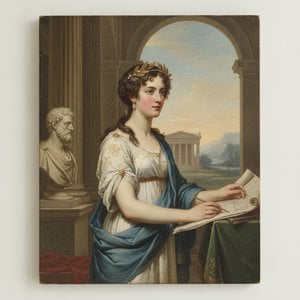
The Revival of Antiquity: Exploring Ideals of Beauty & Power in Neoclassical Portraiture
Explore the captivating world of Neoclassical portraiture! Discover the power & ideals behind masterpieces by David, Girodet & more. Expert analysis, custom reproductions & art appraisal at ArtsDot.

Jacques-Louis David: Neoclassical Ideals & Revolutionary Witness
Explore the life & art of Jacques-Louis David, leading Neoclassical painter of the French Revolution. Discover iconic works like 'The Death of Marat' and his lasting impact on art history. Expert analysis & high-quality reproductions at ArtsDot.

Illuminating the Enlightenment: Artistic Expression in 18th-Century Europe
Explore the artistic brilliance of the Enlightenment era! Discover Rococo's elegance & Neoclassicism’s virtue with expert insights into 18th-century masterpieces. Learn about David, Kauffmann & more.
 Примерить в интерьере
 Отправить
 Поделиться
 Подробнее
 Руководство

 Скачать
 Похожие объекты
 Рентгенография
 Слайд-шоу
 Q&A
Q&A Статистика