

 Предпросмотр
 Поделиться
 Поделиться
 Детали произведения
 Руководство

 Скачать
 Похожие предметы
 Рентгенография
 Слайд-шоу
 Вопросы и ответы
 Статистика просмотров
The King Drinks


 Читать далее
Жикле и арт-принты
Печать (жикле) или холст музейного качества с быстрыми сроками изготовления и широким выбором вариантов отделки. ( Купить картину ручной работы Перейти к цифровым изображениям)




P118B $10

P118H $10

P118W $10

P438Z $10

P508JH $12

P508YH $12

P805H $10

P805Z $10

P919BZ $10

P919G $10

P919XJ $10

P959ZH $10

P968JZ $12

W106C $8

W218G $10

W218JH $8

W218Y $10

W307PJ $10

W316G $10

W316PJ $8

W316Y $10

W398PJ $8

W4111J $10

W500HY $15

W500JH $15

W692G $12

W849H $8

W940BG $15

W953PJ $8




Выберите один из наших стандартных размеров, соответствующих оригинальным пропорциям произведения искусства.

Введите необходимую ширину и высоту, чтобы репродукция подошла к вашей раме или стене. При печати изображение можно только уменьшить, но нельзя увеличить больше оригинала, поэтому при выборе другого формата часть изображения может быть обрезана. Перед печатью мы отправим вам цифровой макет на утверждение. Изображение на этой странице не отображает реальную обрезку — ее можно увидеть только на макете.
Доставка по всему миру () за 2 недели вместо стандартных 4–5 недель. (13 Ноябрь)

Бесплатная экспресс-доставка по всему миру

Высококачественный льняной холст

Полное страхование при доставке

Гарантия возмещения таможенных пошлин

Гарантия точного цветового соответствия

100-дневная гарантия возврата (только при обнаружении дефектов)

Гарантия возврата 100% средств

Скидка при оптовом заказе
 Вариант со стеклом доступен только для размеров менее 110 см

The King Drinks
Жикле и арт-принты
Размер репродукции
-


Итоговая стоимость
$ 63
A Riotous Tableau of Flemish Revelry: Jacob Jordaens’ “The King Drinks”
Jacob Jordaens' "The King Drinks," painted in 1640, isn’t merely a depiction of a feast; it’s a vibrant explosion of Baroque energy captured on canvas. This monumental oil painting, now residing within the Oldmasters Museum in Brussels, transports the viewer directly into the heart of a Twelfth Night celebration – a boisterous gathering steeped in tradition and overflowing with life. Jordaens, a key figure in the Antwerp School, masterfully employs his signature style to create an immersive scene that pulsates with movement, color, and a palpable sense of joyous excess.
The painting’s core is dominated by its dynamic composition – a carefully orchestrated chaos of figures engaged in a multitude of activities. Diagonal lines, created through the arrangement of tables laden with food, overflowing goblets, and the bodies of revelers, propel the eye across the canvas, drawing us into the swirling heart of the celebration. Jordaens’s masterful use of perspective flattens the space, lending an immediate and overwhelming sense of participation. The scene feels less like a distant observation and more like being thrust directly into the midst of the merriment – a truly immersive experience.
The Ritual of Twelfth Night: Symbolism in Excess
“The King Drinks” is deeply rooted in the traditions surrounding Twelfth Night, a pivotal event in the medieval calendar. This celebration marked the end of the old year and the beginning of the new, often involving elaborate feasts, games, and symbolic rituals. The central figure, crowned and holding a goblet high, embodies the role of the “Bean King” – a temporary ruler chosen to preside over the festivities. The abundance of food and drink—roast meats, overflowing platters, and goblets brimming with wine—is not simply decorative; it’s a potent symbol of prosperity, indulgence, and the shedding of old ways. The scattered beans themselves, remnants of the celebratory meal, represent the guiding star that led the Magi to the infant Jesus – a reminder of the religious significance underlying the secular revelry.
A Masterclass in Baroque Technique
Jordaens’s skill as a painter is immediately evident in his meticulous attention to detail and his masterful command of light and shadow. The figures are rendered with remarkable realism, each face capturing a distinct expression of delight, drunkenness, or mischievousness. Notice the subtle variations in texture – the rough weave of fabrics, the glistening sheen of wine, the smooth skin tones of the characters. Jordaens employs a dramatic chiaroscuro technique, utilizing strong contrasts between light and dark to heighten the sense of drama and create a palpable atmosphere of excitement. The brushstrokes are visible yet blended seamlessly, contributing to the painting’s rich texture and vibrant color palette.
A Window into 17th-Century Flemish Life
“The King Drinks” offers a fascinating glimpse into the social customs and values of 17th-century Flanders. The scene depicts a gathering that transcends mere entertainment; it's a celebration of community, tradition, and the release of pent-up energy. The inclusion of children amidst the revelry underscores the importance of family and the acceptance of boisterous behavior as part of the festive spirit. Jordaens’s work reflects a society where pleasure was not merely tolerated but actively embraced – a testament to the vibrant cultural landscape of Antwerp during his time. It's a painting that invites us to step back in time and experience, vicariously, the joyous chaos of a Twelfth Night celebration.
Вопросы и ответы
Как я могу предварительно просмотреть репродукцию «The King Drinks», Якоб Йорданс?
Предварительный просмотр работы «The King Drinks», Якоб Йорданс доступен на странице В интерьере произведения.
Можно ли увидеть «The King Drinks», Якоб Йорданс при другом освещении?
«The King Drinks» можно изучить слой за слоем на странице Рентгеновское исследование, представляющей собой интерактивный просмотрщик, вдохновленный реставрационным световым столом, с одиннадцатью оптическими пластами изображения.
Можно ли с помощью дополненной реальности увидеть «The King Drinks», Якоб Йорданс в своем интерьере?
Страница Просмотр в AR для работы «The King Drinks», Якоб Йорданс использует дополненную реальность, чтобы показать произведение в вашем интерьере на совместимом устройстве.
Похожие произведения


Биография художника
Ранние годы, семья и обучение
На оживленных улицах Антверпена Якоб Йорданс вошел в мир, пронизанный духом коммерции и ремесла. Рожденный в 1593 году, он стал первым из одиннадцати детей в семье Якоба Йорданса, добившегося успеха торговца льном, и его супруги Барбары ван Волсхатен. Это благополучное детство заложило прочный фундамент в жизни мальчика, хотя его путь в конечном итоге увел его прочь от торговли текстилем — к пигментам и кистям в художественной мастерской. Первые годы его жизни были подчинены ритмам большого и деятельного дома в составе Испанских Нидерландов.
Амбиции юноши проявились рано, и уже к четырнадцати годам он встал на путь ремесленника. В 1607 году он был зачислен в местную Гильдию Святого Луки, попав в ученики к мастеру Адаму ван Норту. Это ученичество стало важнейшим периодом становления, требовавшим железной дисциплины и острого взгляда на детали. Под руководством ван Норта Якоб Йорданс постигал основы своего мастерства, впитывая технические секреты композиции и владения светом, которые определят его творчество в зрелые годы. Он был прилежным учеником, и его талант был признан гильдией задолго до того, как он обрел полную творческую независимость.
К 1615 году молодой человек достиг важной вехи в своей профессиональной деятельности. Он был принят в Антверпенскую гильдию Святого Луки в качестве мастера, получив специальную квалификацию waterscilder. Это звание означало, что он обучен работе с темперой — техникой, которая часто использовалась для подготовки эскизов или создания произведений, требующих особой четкости форм. Такое техническое начало заложило основу для карьеры, в ходе которой он перейдет от сдержанного применения темперы к более экспрессивному использованию масляных красок, неизменно сохраняя неразрывную связь со своим родным городом.
Заказчики, мастерская и заказы
В то время как первые годы жизни Якоб Йорданс посвящал совершенствованию мастерства под руководством своего учителя, он вскоре начал уверенно ориентироваться в сложной социальной иерархии Антверпена. Он не искал признания в далеких итальянских дворах, предпочтя им постоянный поток заказов от богатой буржуазии и местных церквей своего родного города. Именно эти покровители заложили фундамент его плодотворной карьеры, требуя полотна, которые отражали бы благочестие и процветание фламандского народа. По мере того как его слава росла, горизонты его деятельности расширялись далеко за пределы границ Испанских Нидерландов. В конечном итоге он привлек внимание королевских особ, получив заказы от короля Англии Карла I и королевы Швеции Кристины. Даже представители сословия статсдейлеров в Республике Соединенных провинций искали его таланта, вовлекая художника в орбиту высоких политических кругов.
Чтобы справляться с таким колоссальным объемом работы, Якоб Йорданс содержал оживленную мастерскую, где под его руководством трудились многочисленные ученики и помощники. В зрелые годы нагрузка от заказов стала настолько велика, что он во многом полагался на поддержку своей мастерской, чтобы поддерживать столь высокую продуктивность. Эта кипучая творческая среда не ограничивалась лишь холстами; он часто сотрудничал с брюссельскими мастерскими, создавая эскизы для тканых изделий. Его способность переносить свои композиции на другие виды искусства гарантировала, что его художественное влияние проникало во многие дома.
- Пиршество Короля Бобов (около 1638 г.)
- Триумф Фредерика Генриха (1647 г.)
Техника и художественный стиль
Рука Якоба Йорданса всегда тяготела к осязаемому и подлинному, предпочитая земную правду идеализированным мечтам придворного искусства. Его манера письма отличалась свободной и экспрессивной работой кисти — этот метод позволял ему с поразительной легкостью улавливать мимолетное движение сцены. Чтобы достичь эффекта глубокого сияния, он виртуозно сочетал масляную живопись с различными техниками лессировки. Такая тщательная многослойность придавала его полотнам особое внутреннее свечение, даже когда сами сюжеты носили сугубо приземленный, бытовой характер. Его палитра оставалась неразрывно связанной с самой землей: он отдавал предпочтение теплым, живым тонам, которые идеально дополняли его пристрастие к мощному, полнотелому реализму.
Свет был главным инструментом в его арсенале, позволяя художнику буквально ваять само пространство внутри композиции. Якоб Йорданс мастерски владел техникой кьяроскуро, создавая резкие контрасты между светом и тенью, которые вовлекали зрителя в драматизм момента. Это взаимодействие светотени никогда не было лишь декоративным приемом; оно придавало вес и объем его фигурам, которые зачастую выглядели массивными, а порой и даже грузными. У мастера был особый дар изображать лица, полные здоровья и жизненной силы: он передавал румянец на щеках или капли пота на лице рабочего с такой прямотой, что персонажи казались пугающе живыми. Благодаря этому виртуозному владению светом и формой, он воссоздавал человеческий опыт во всей его тяжелой, физической полноте.
Ключевые произведения и тематика
Якоб Йорданс обладал неукротимым воображением, которое находило отклик в самых разнообразных темах. Он с поразительной легкостью переходил от сакрального к мирскому, создавая библейские повествования, которые казались укорененными в осязаемой реальности, наряду с мифологическими сказаниями и сложными аллегориями. Его кисть часто обращалась к простому человеку, запечатлевая жанровые сцены и даже иллюстрируя остроумные фламандские пословицы. Эта способность переносить живое слово и повседневные привычки его соседей в визуальную форму позволила ему говорить на одном языке с жителями Антверпена.
В ранние годы творчества он проявил особый талант к передаче драматического напряжения ночных сцен, что наглядно демонстрирует его работа 1616 года — Поклонение пастухов. По мере созревания его мастерства, художник все больше увлекался бурной энергией общественных собраний. Его полотно 1638 года, Пиршество короля, остается глубоким воплощением этого духа, изображая многолюдный, оживленный пир, где радость празднества кажется почти осязаемой. Он также не избегал темы мифических страданий, о чем свидетельствует его работа 1640 года — Прометей прикованный. Даже работая с торжественностью Евангелия, как в его картине 1620 года Четверо евангелистов, он сохранял ощущение живого человеческого присутствия, что отличало его почерк от манеры тех мастеров, кто стремился лишь к идеализации.
- Поклонение пастухов (1616)
- Четверо евангелистов (1620)
- Пиршество короля (1638)
- Прометей прикованный (1640)
Окружение, соперники и ученики
В оживленных художественных кругах антверпенской школы Якоб Йорданс шел плечом к плечу с титанами своей эпохи. Он жил и творил в тени таких великих мастеров, как Питер Пауль Рубенс и Антонис ван Дейк, однако сумел отвоевать и создать собственное, неповторимое пространство. В то время как его современники часто устремляли взоры к придворной элегантности Италии, Якоб Йорданс черпал вдохновение в работах североитальянских живописцев, таких как Якопо Бассано, Паоло Веронезе и Караваджо. Он впитывал их драматическую игру света и пристальное внимание к человеческой форме, но при этом никогда не чувствовал необходимости покидать родной город в поисках своей творческой истины. После ухода Рубенса в 1640 году Якоб Йорданс занял ведущую позицию, став главным соратником великого мастера и поддерживая престиж антверпенской традиции своим неутомимым творческим гением.
Его мастерская была местом непрекращающегося движения — живым организмом, который расцветал по мере того, как росла слава самого художника. Якоб Йорданс был наставником, чье влияние было весьма значительным: он вел многих через суровые испытания ремесла. В период с 1621 по 1667 год Гильдия Святого Луки официально зафиксировала пятнадцать его учеников — людей, которые перенимали его методы композиции и его пристрастие к более прямолинейному, неприкрашенному реализму. Эти последователи перенесли его художественный подход в следующее поколение, гарантируя, что его особый взгляд на мир будет жить и после того, как его кисть окончательно замолкнет.
Наследие и влияние
Престиж антверпенской школы живописи обрел своего могущественного защитника в лице Якоба Йорданса, который встал в один ряд с Рубенсом и Ван Дейком как одна из трех великих фигур, принесших международную славу его родному городу. В то время как его современники часто устремляли взоры к придворной элегантности Италии, Якоб Йорданс черпал свою силу в самой почве Фландрии. Его приверженность неотесанному и подлинному позволила ему создать собственное, ни на что не похожее пространство — мир, воспевающий необузданную жизненную силу человеческого бытия, а не идеализированную грацию аристократии. Эта верность прямому, земному реализму обеспечила его уникальное и незыблемое место в истории фламандского барокко.
Его влияние пронеслось сквозь десятилетия, найдя своего естественного преемника в работах Яна Стена, который разделял его увлечение живыми, зачастую шумными сценами повседневной жизни. Возведя жанр изображения крестьянских празднеств и тавернных разгулов в ранг высокого искусства, Якоб Йорданс бросил вызов традиционной иерархии сюжетов. Он доказал, что обычный человек со всеми его аппетитами и несовершенствами является достойным предметом для масштабного и серьезного художественного исследования. Его классически вдохновленные темы изобилия и человеческого единения оставили неизгладимый след в мире искусства, научив последующих живописцев находить достоинство и энергию в самых обыденных празднованиях.
Даже сегодня те, кто замирает перед его полотнами, ощущают пульс той жизни, за которой он так внимательно наблюдал. Его способность передать ощущение движения и теплоту многолюдного зала продолжает вовлекать зрителя в свои композиции. Энергия, вложенная в каждый мазок кисти, остается почти осязаемой, приглашая к сопереживанию общечеловеческому опыту, который преодолевает границы столетий.
Где можно увидеть его работы сегодня
Чтобы воочию ощутить мощную жизненную силу его мазка, необходимо отправиться в путешествие по великим залам Европы. В Париже Лувр хранит следы его руки, в то время как Музей Прадо в Мадриде позволяет прикоснуться к его умению наделять человеческую форму почти осязаемым присутствием. Те, кто ищет дух фламандского барокко в его самом прямом и первозданном проявлении, могут найти его в Национальной галерее Дании в Копенгагене. Глубокое присутствие мастера ощущается и в Государственном Эрмитаже в Санкт-Петербурге, где в коллекции по-прежнему хранятся несколько его композиций.
Творческий охват художника простирается далеко за пределы его родных Фландрских земель. В Соединенных Штатах Метрополитен-музей в Нью-Йорке хранит его полотна, позволяя новой аудитории познакомиться с его драматичной игрой света и тени. Для тех же, кто интересуется историей антверпенской школы, важнейшим пунктом назначения остается Королевский музей изящных искусств в Брюсселе, где представлены картины, отражающие энергию многих лет его творческого пути. Наследие Якоба Йорданса разбросано по этим великим институциям, ожидая, когда пытливый взгляд обнаружит его шедевры.
- Пиршество (1638)
- Четыре евангелиста (1620)
- Портрет молодой супружеской пары (1615)
- Прометей прикованный (1640)
- Семья художника (1621)

Якоб Йорданс
1593 - 1678 , Бельгия
Об авторе
- Artistic Movement Or Style: Барокко
- Artists Or Movements Influenced By This Artist: ['Ян Стен']
- Artists Who Influenced This Artist:
- Адам ван Норт
- Якопо Бассано
- Паоло Веронезе
- Караваджо
- Date Of Birth: 1593
- Date Of Death: 1678
- Full Name: Якоб Йорданс
- Nationality: Фламандская
- Notable Artworks:
- Король пьет
- Праздник Короля бобов
- Прометей прикованный
- Четыре евангелиста
- Как старые пели, так молодые играют на дудках
- Place Of Birth: Антверпен, Бельгия
Похожие статьи

Топ-10 шедевров голландского барокко: искусство для вашего интерьера от ArtsDot.com
Погрузитесь в мир голландского барокко! От Рембрандта до Вермеера – 10 шедевров, изменивших искусство. Узнайте истории создания и технику великих мастеров. Репродукции картин высочайшего качества для вашего интерьера на ArtsDot.com.

Abraham Hendricksz van Beyeren: Pioneering Dutch Still Life & the Banquet Tradition
Explore the captivating world of Dutch Golden Age still life with Abraham van Beyeren. Discover his innovative techniques, symbolic banquet scenes & lasting influence on art history. Learn about collecting these masterpieces.

William Hogarth: Satire, Social Commentary & the Birth of Modern British Art
Explore the satirical world of William Hogarth, pioneering British painter & engraver. Discover his iconic works like *A Rake's Progress* and insightful social commentary on 18th-century London life.

Jacob Jordaens: Baroque Dynamism & Genre Innovation of the Antwerp School
Discover Jacob Jordaens, a leading Flemish Baroque painter renowned for his dynamic compositions & realistic genre scenes. Explore his life, art, and lasting influence with ArtsDot.
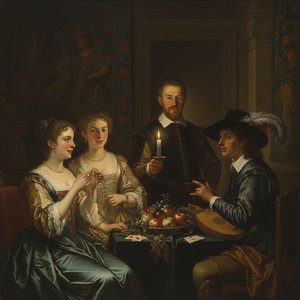
Gerard van Honthorst: Illuminating the Dutch Golden Age with Caravaggism & Courtly Grace
Explore the captivating world of Gerard van Honthorst, a Dutch Golden Age master renowned for his dramatic chiaroscuro & courtly portraits. Discover his life, art, and lasting influence on Baroque painting.


