


 Примерить в интерьере
 Отправить
 Поделиться
 Подробнее
 Руководство

 Скачать
 Похожие объекты
 Рентгенография
 Слайд-шоу
 Статистика
Toyota Ipsum


 Развернуть текст
Произведение искусства, представленное на этой странице, защищено законом об авторском праве, что исключает возможность законного создания или продажи его точной репродукции. Данная защита обеспечивается международными соглашениями, такими как Бернская конвенция и национальным законодательством, включая положения, изложенные в Закон США об авторском праве — Раздел 17.
В качестве достойной и законной альтернативы мы предлагаем авторские картины ручной работы, вдохновленные оригиналом. Наши опытные профессиональные художники тщательно изучают стиль, настроение и художественную суть оригинала, чтобы создать новое, уникальное произведение, которое вызывает те же чувства, оставаясь при этом самостоятельным оригинальным творением.
Этот метод полностью соответствует нормам авторского права, так как он не предполагает копирования или дублирования защищенного произведения. Напротив, это творческая реинтерпретация — создание новой картины, которая вдохновлена оригиналом, но не является его точной копией.
Масляная репродукция ручной работы
Картина маслом на холсте в выбранном вами размере и раме, написанная на заказ нашими художниками. ( Переключиться на печать Перейти к цифровым изображениям)




P118B $10

P118H $10

P118W $10

P438Z $10

P508JH $12

P508YH $12

P805H $10

P805Z $10

P919BZ $10

P919G $10

P919XJ $10

P959ZH $10

P968JZ $12

W106C $8

W218G $10

W218JH $8

W218Y $10

W307PJ $10

W316G $10

W316PJ $8

W316Y $10

W398PJ $8

W4111J $10

W500HY $15

W500JH $15

W692G $12

W849H $8

W940BG $15

W953PJ $8




Выберите один из наших стандартных размеров, соответствующих оригинальным пропорциям произведения искусства.

Введите необходимую ширину и высоту, чтобы репродукция подошла к вашей раме или стене. Поскольку работа выполняется вручную, при изменении пропорций художник может немного увеличить область вокруг картины или, наоборот, обрезать края — выбор за вами. Перед началом работы мы пришлем вам цифровой макет на утверждение. Изображение на этой странице не является точным результатом — увидеть реальный вид можно только на макете.
После оформления заказа команда ArtsDot.com свяжется с клиентом по электронной почте для уточнения деталей и предоставит предварительный макет
Доставка по всему миру () за 3–4 недели вместо стандартных 5 недель. (24 Октябрь). Без компромиссов в качестве.

Бесплатная экспресс-доставка по всему миру

Высококачественный льняной холст

Полное страхование при транспортировке

Гарантия возврата таможенных пошлин

Гарантия точного цветового соответствия

100-дневный период возврата (только при обнаружении дефектов)

Гарантия возврата 100% средств

Скидка при заказе нескольких работ
 Вариант со стеклом доступен только для размеров менее 110 см

Toyota Ipsum
Материал репродукции
Размер репродукции
-


Итоговая стоимость
$ 263
Вопросы и ответы
Под какими еще именами известен Ishida Tetsuya?
Ishida Tetsuya также известен как Tetsuya Ishida.
К какому периоду творчества Ishida Tetsuya относится «Toyota Ipsum», если учитывать дату создания?
Дата создания 1996 позволяет отнести «Toyota Ipsum» к Contemporary творчества Ishida Tetsuya.
Какой основной оттенок у «Toyota Ipsum», Ishida Tetsuya?
В произведении «Toyota Ipsum» преобладает Amber to Saffron оттенок.
Похожие произведения


Биография художника
A Haunting Vision of Modern Japan: The Life and Art of Tetsuya Ishida
Tetsuya Ishida, born in 1973 in Yaizu, Shizuoka Prefecture, emerged as a singular voice within the Japanese contemporary art scene—a voice tragically silenced by his untimely death in 2005. His paintings are not merely depictions of life in late-20th and early-21st century Japan; they are unsettling allegories of isolation, consumerism, and the anxieties that permeated a nation grappling with economic stagnation and societal shifts. Ishida’s work quickly garnered attention for its hyperrealistic style, yet it was the surrealist integration of human figures into everyday objects—machinery, architecture, even animal forms—that truly captivated and disturbed viewers. He offered a glimpse into a world where the boundaries between self and environment blurred, reflecting a profound sense of alienation in an increasingly technological age.- Early Influences & Artistic Awakening: Ishida’s path to becoming an artist was sparked by early exposure to Social Realist art, particularly the illustrations of Ben Shahn. An exhibition of Shahn's work in Yaizu when Ishida was just a child proved pivotal, especially images depicting the aftermath of the Lucky Dragon Incident—a nuclear fallout tragedy that deeply affected him. This encounter instilled a desire to use art as a vehicle for social commentary, a theme that would remain central throughout his career. Even during his youth, he actively participated in creative contests, submitting works focused on human rights and anti-bullying themes, foreshadowing the mature concerns of his later paintings.
- Education & Early Career: Ishida pursued formal art training at Musashino Art University in Tokyo after graduating from Shizuoka Prefectural Yaizu Central High School. Following graduation, he dedicated himself to painting, rapidly establishing a presence within the vibrant Ginza gallery scene. His work quickly distinguished itself through its meticulous detail and unsettling subject matter.
The Lost Generation & The Language of Anxiety
Ishida’s artistic development was inextricably linked to his experience as a member of Japan's “Lost Generation”—those who came of age during the economic recession of the 1990s. This period, marked by high unemployment and social uncertainty, profoundly shaped his worldview and found direct expression in his art. His paintings often feature young men—expressionless or melancholic—fused with inanimate objects, suggesting a loss of identity and agency within a technologically driven society. The integration of bodies into machinery isn’t simply about depicting the physical environment; it's a metaphor for being consumed by work, trapped within systems beyond individual control. “Toyota Ipsum” (1997), one of his most iconic works, exemplifies this theme. A young man is seamlessly incorporated into the interior of a car, becoming part of the vehicle itself—a haunting commentary on consumer culture and the dehumanizing aspects of modern life. Similarly, paintings like “Rise and Shine” (1997), depict figures melded with dump trucks, evoking feelings of isolation and urban decay. These aren’t scenes of futuristic dystopia; they are reflections of a present reality—a bleak outlook on the near-future where individuals feel increasingly disconnected from their surroundings and each other.Themes & Symbolism: Isolation, Consumerism, and Urban Banality
The recurring motifs in Ishida's work speak to a deeper exploration of societal anxieties. The human body, often fragmented or distorted, represents vulnerability and loss of self. Everyday objects—appliances, buildings, industrial machinery—become symbols of consumerism and the overwhelming presence of technology. His paintings frequently depict figures trapped within these structures, unable to escape their confines. The urban landscape itself is rendered with a sense of coldness and alienation. Buildings are often faceless and imposing, reflecting the anonymity of modern city life. The integration of animal forms—crabs, seahorses—adds another layer of symbolism, suggesting a primal connection to nature that has been lost in the face of technological advancement. Ishida’s use of hyperrealism is not about celebrating beauty; it's about creating an unsettling sense of verisimilitude—forcing viewers to confront the uncomfortable realities he depicts.Legacy & Historical Significance
Despite his tragically short career, Tetsuya Ishida left an indelible mark on contemporary art. His work resonated with a generation grappling with similar anxieties and continues to captivate audiences today. He was among the first artists to gain recognition in Christie’s auction of East Asian avant-garde art alongside Takashi Murakami in 1998, solidifying his position within the Japanese art world. Ishida's paintings offer a poignant critique of modern society—a warning about the dangers of unchecked consumerism, technological dependence, and the loss of individual identity. His work is often compared to that of artists like Edward Hopper, known for their depictions of urban alienation, but Ishida’s unique blend of surrealism and hyperrealism sets him apart. In recent years, there has been a renewed interest in his art, with major exhibitions showcasing his work to wider audiences. The Gagosian Gallery's 2023 exhibition, “My Anxious Self,” marked the artist’s New York solo debut—a testament to his enduring legacy and the timeless relevance of his haunting vision. Ishida’s paintings serve as a powerful reminder of the human cost of progress and the importance of preserving our connection to ourselves and the world around us.
Ishida Tetsuya
1973 - 2005 , Japan
Краткая справка
- Full Name: Tetsuya Ishida
- Nationality: Japanese
- Date Of Birth: 1973
- Date Of Death: 2005
- Place Of Birth: Yaizu, Japan
- Notable Artworks:
- Toyota Ipsum
- Rise and Shine
- Artistic Movement Or Style: Surrealism, Hyperrealism
- Artists Who Influenced This Artist: ['Ben Shahn']
Похожие статьи

Léonard Foujita: A Poetic Synthesis of Japanese Sensibility & European Modernism
Discover the captivating world of Léonard Foujita, a master bridging Japanese aesthetics & European Modernism. Explore his signature style, diverse works, and enduring legacy – essential reading for discerning art collectors.

Floating World: The Captivating Art and Legacy of Japanese Ukiyo-e
Explore the profound beauty of Japanese Ukiyo-e. Discover the history, masters like Hokusai, and the enduring legacy of the 'Floating World' through an expert art-historical lens.
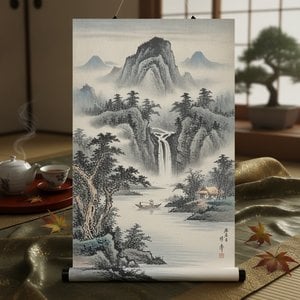
Serenity on Canvas: A Guide to the Timeless Beauty of Japanese Landscape Painting
Discover the serene beauty of Japanese landscape painting. From Hokusai's iconic woodblock prints to meditative sumi-e ink washes, explore a visual journey through the 'floating world' and learn how to bring this timeless Zen aesthetic into your modern home decor.

Japonisme: How Japanese Woodblock Prints Revolutionized Western Art
Explore the profound impact of Japonisme on Western art. Discover how Japanese ukiyo-e woodblock prints revolutionized perspective, color, and composition for masters like Monet and Van Gogh, forever changing the course of modern art history.

Топ-25 шедевров Кацусики Хокусая: Искусство Японии для вашего интерьера
Погрузитесь в мир гения Кацусики Хокусая! 25 легендарных гравюр укиё-э, включая "Великую волну". История искусства Японии и вдохновение для вашего интерьера. Репродукции высокого качества на ArtsDot.com.