


 Заказать репродукцию Купить цифровое изображение
 Поделиться
 Поделиться
 Details
 Добавить в избранное

 Скачать
 Похожие работы
 X-Ray
X-Ray
 Слайд-шоу
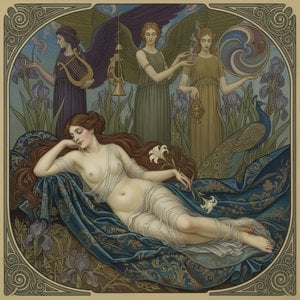
Halcyone

 Читать далее
Жикле / Арт-принт
Печать (жикле) или холст музейного качества с быстрыми сроками изготовления и широким выбором вариантов отделки.




































Выберите один из наших стандартных размеров, соответствующих оригинальным пропорциям произведения искусства.

Вы можете указать свои собственные размеры, чтобы репродукция идеально подошла под конкретную раму или пространство. Если выбранный вами размер не будет соответствовать пропорциям оригинала, мы либо обрежем произведение, либо дополним изображение зеркальным отражением краев или однотонной заливкой. Перед началом производства вам будет отправлен цифровой макет для утверждения.
Пожалуйста, обратите внимание, что предварительный просмотр на экране не отображает фактическую обрезку или расширение изображения. Только макет точно покажет финальную композицию.
Несмотря на возможность заказа индивидуальных размеров, мы рекомендуем выбирать размер из предопределенного списка, чтобы сохранить оригинальные пропорции.
Доставка по всему миру () за 2 недели вместо стандартных 4/5 недель. (2 Июль)

Бесплатная экспресс-доставка по всему миру

Высококачественный льняной холст

Полное страхование доставки

Гарантия возмещения таможенных пошлин

Гарантия точного соответствия цветов

Политика возврата в течение 60 дней (только при наличии дефектов)

Гарантия возврата 100% средств

Предложение оптовых скидок
 Вариант со стеклом доступен только для размеров менее 110 см

Halcyone
Жикле / Арт-принт
Размер репродукции
-


Итоговая стоимость
-
Похожие произведения


Биография художника
Herbert James Draper – A Life Immersed in Myth and Beauty
Herbert James Draper, a name resonating with the echoes of Victorian and Edwardian artistry, was born in London in 1863, a city brimming with both industrial progress and a fervent revival of classical ideals. The son of a fruit merchant, his path diverged from commerce towards the realm of aesthetic expression. His early education at Bruce Castle School provided a foundation, but it was within the hallowed halls of the Royal Academy Schools that Draper’s artistic destiny began to unfold. He demonstrated an immediate aptitude and ambition, qualities recognized in 1889 when he secured both the prestigious Royal Academy Gold Medal and a Travelling Studentship. This invaluable opportunity propelled him on formative journeys through Rome and Paris between 1888 and 1892, experiences that indelibly shaped his artistic sensibility. These European sojourns weren’t merely geographical shifts; they were immersions into the heart of classical tradition, fostering an appreciation for idealized form and graceful composition that would become hallmarks of his style. ## Early Life and Artistic Foundations Herbert James Draper was born on November 26, 1863, in London, England – the seventh child and only son of John James Draper and Emma. His upbringing instilled a deep respect for craftsmanship and artistic endeavor, shaping his lifelong passion for visual art. Bruce Castle School provided him with a robust academic grounding, preparing him for the rigorous demands of formal artistic training. Recognizing his exceptional talent early on, Draper enrolled at the Royal Academy Schools in London in 1887, where he honed his skills under the tutelage of esteemed instructors and absorbed the influence of established masters. The acquisition of the Royal Academy Gold Medal and Travelling Studentship in 1889 proved to be a pivotal moment, granting him access to unparalleled opportunities for artistic exploration – specifically, extended stays in Rome and Paris. These formative years witnessed Draper immersing himself in the grandeur of classical sculpture and architecture, fostering an unwavering devotion to idealized form and harmonious proportion—principles that would permeate his entire oeuvre. ## The Neoclassical Embrace: Influences and Style Draper’s artistic vision crystallized around 1894, marking a decisive turn toward mythological narratives drawn from the rich tapestry of ancient Greek stories. He wasn't merely illustrating myths; he was reimagining them through a lens imbued with his own distinctive sensibilities. His style is undeniably Neoclassical—a profound reverence for classical art and sculpture informs every aspect of his artistic practice. Yet, to reduce Draper solely to a classicist would be an oversight. He skillfully blended elements of the Aesthetic movement, prioritizing beauty and sensual appeal alongside meticulous technical precision. This harmonious fusion created a singular aesthetic that captivated audiences during his lifetime and secured his place among the foremost artists of the Victorian era. The influence of Auguste Rodin’s sculptural explorations—particularly his depictions of human emotion and physicality—is palpable in Draper's own works, mirroring a shared commitment to capturing the essence of human experience through idealized form. Furthermore, Draper’s meticulous attention to detail—evident in the rendering of fabrics, skin textures, and subtle gradations of light—reflects the stylistic conventions championed by Academic painters like Jean-Auguste Dominique Ingres. ## Masterpieces: Mythological Visions Brought to Life Draper's most celebrated achievements reside in his monumental paintings depicting mythological scenes—particularly *The Lament for Icarus* (1898), which garnered widespread acclaim and culminated in a gold medal at the Exposition Universelle in Paris. This masterpiece exemplifies Draper’s mastery of composition, color palette, and expressive brushwork, conveying profound pathos and capturing the tragic beauty of loss. Equally impressive is *Ulysses and the Sirens* (1909), where Draper skillfully portrays the seductive allure of temptation against a backdrop of turbulent sea spray—a testament to his ability to evoke atmosphere and psychological depth. His exploration of human emotion – particularly sorrow, longing, and contemplation – distinguishes him from many of his contemporaries. Beyond these iconic works, Draper’s oeuvre encompasses numerous other paintings exploring themes of heroism, piety, and divine grace—each imbued with a characteristic blend of classical idealism and Victorian sensitivity. Notable amongst them are *The Kelpie* (1903) and *Ariadne*, demonstrating Draper's unwavering dedication to capturing the sublime beauty of mythological narratives. ## Legacy and Recognition Herbert James Draper enjoyed considerable renown during his lifetime, consistently exhibiting at the Royal Academy from 1887 until shortly before his untimely demise in September 22, 1920, from arteriosclerosis—a poignant reminder of mortality amidst artistic triumph. Despite lacking formal membership within the Royal Academy—a regrettable omission considering his prolific output and unwavering devotion to artistic excellence—Draper nonetheless achieved considerable acclaim as a portrait painter, capturing the dignity and grace of aristocratic sitters with remarkable skill. His meticulous technique—characterized by painstaking layering of glazes and subtle manipulation of tonal values—elevated his paintings to levels of unparalleled beauty and sophistication. Draper’s enduring legacy rests in his singular contribution to British art during the Victorian period—a testament to his unwavering commitment to classical ideals blended seamlessly with modern sensibilities. Simon Toll's comprehensive monograph remains the definitive scholarly account of Draper’s artistic life and work, cementing his place as one of the most influential figures within the Neoclassical tradition.
Джеральд Хэмбрэйк Дрейпер
1863 - 1920 , Великобритания
Основные сведения
- Artistic Movement Or Style: Неоклассицизм
- Artists Who Influenced This Artist: ['Ж.В. Ватерхаус']
- Date Of Birth: 26 ноября 1863 г.
- Date Of Death: 22 сентября 1920 г.
- Full Name: Herbert James Draper
- Nationality: Английский
- Notable Artworks:
- Плач Икараса
- Одиссей и Сирены
- Медуза Горгона
- Place Of Birth: Лондон, Великобритания
Похожие статьи
Herbert James Draper: Symbolism, Sensuality & the Aesthetic Movement
Explore the captivating world of Herbert James Draper, a master of Victorian Neoclassical painting. Discover his sensual mythological scenes, symbolic depth & influence on the Aesthetic Movement. Learn more at ArtsDot.

The Pre-Raphaelite Brotherhood: A Rebellion of Beauty & Medieval Revival
Explore the captivating world of the Pre-Raphaelite Brotherhood! Discover their rebellion against academic art, iconic masterpieces, and lasting influence on Victorian aesthetics. Learn about Rossetti, Burne-Jones & more.

Arthur Hughes: Pre-Raphaelite Visions of Beauty & Melancholy
Explore the captivating world of Arthur Hughes (1832-1915), a leading Pre-Raphaelite painter. Discover his dreamy landscapes, poetic narratives & iconic Victorian artworks. Learn about his life, style & collecting today.

Edward Burne-Jones: A Pre-Raphaelite Vision of Myth, Symbolism & Aesthetic Idealism
Discover the enchanting world of Edward Burne-Jones and the Pre-Raphaelite Brotherhood. Explore his mythical paintings, distinctive style, and lasting influence on Victorian art & the Aesthetic Movement. Expert analysis & high-quality reproductions at ArtsDot.

Anthony Frederick Sandys: Pre-Raphaelite Vision & Victorian Aesthetic Exploration
Discover the captivating Pre-Raphaelite world of Anthony Frederick Sandys (1829-1904). Explore his mythological scenes, portraits & Victorian artistry. Learn about his influences and lasting legacy.

