


 Предпросмотр
 Поделиться
 Поделиться
 Детали произведения
 Guide
Guide

 Скачать
 Похожие работы
 Рентгенография
 Слайд-шоу
 Статистика
Winter Landscape


 Читать далее
Масляная репродукция ручной работы
Картина маслом на холсте в выбранном вами размере и раме, написанная на заказ нашими художниками. ( Перейти к печати Перейти к цифровым изображениям)




P118B $10

P118H $10

P118W $10

P438Z $10

P508JH $12

P508YH $12

P805H $10

P805Z $10

P919BZ $10

P919G $10

P919XJ $10

P959ZH $10

P968JZ $12

W106C $8

W218G $10

W218JH $8

W218Y $10

W307PJ $10

W316G $10

W316PJ $8

W316Y $10

W398PJ $8

W4111J $10

W500HY $15

W500JH $15

W692G $12

W849H $8

W940BG $15

W953PJ $8




Выберите один из наших стандартных размеров, соответствующих оригинальным пропорциям произведения искусства.

Вы можете указать собственные размеры, чтобы картина идеально вписалась в выбранную раму или пространство. Если выбранный вами размер не соответствует пропорциям оригинала, мы либо обрежем полотно, либо расширим его за счет дополнительных элементов, написанных вручную. Цифровой макет будет отправлен вам на утверждение перед началом производства.
Обратите внимание, что предварительный просмотр на экране не отражает фактическую обрезку или расширение. Только макет точно покажет окончательную композицию.
Хотя доступны индивидуальные размеры, мы рекомендуем выбирать вариант из предопределенного списка, чтобы сохранить исходные пропорции.
После оформления заказа команда ArtsDot.com свяжется с клиентом по электронной почте для уточнения деталей и предоставит предварительный макет
Доставка по всему миру () за 3–4 недели вместо стандартных 5 недель. (20 Сентябрь). Без компромиссов в качестве.

Бесплатная экспресс-доставка по всему миру

Высококачественный льняной холст

Полное страхование доставки

Гарантия возмещения таможенных пошлин

Гарантия точного соответствия цветов

100-дневная политика возврата (только при обнаружении дефектов)

Гарантия возврата 100% средств

Предложение оптовых скидок
 Вариант со стеклом доступен только для размеров менее 110 см

Winter Landscape
Техника репродукции
Размер репродукции
-


Итоговая стоимость
$ 263
A Frozen Moment in Time: Hendrick Avercamp’s “Winter Landscape with Skaters”
Hendrick Avercamp's "Winter Landscape with Skaters," painted around 1608, isn’t merely a depiction of a winter scene; it’s a vibrant snapshot of Dutch life frozen in time. This remarkable work, now residing within the hallowed halls of the Rijksmuseum in Amsterdam, transports us to a world where ice skating wasn't just recreation but a cornerstone of community and livelihood. Avercamp, a figure shrouded in intriguing circumstance – known as “de Stomme van Kampen” (the Mute of Kampen) due to his presumed deafness and muteness – possessed an extraordinary ability to translate the nuances of the Dutch winter onto canvas with startling clarity and warmth. He wasn’t simply painting snow; he was capturing a bustling, layered reality—a testament to human activity amidst the stark beauty of a frozen landscape.The Painter's Technique: A Symphony of Ink and Texture
Avercamp’s genius lay not in meticulous detail but in his masterful manipulation of ink – a technique heavily influenced by the Chinese landscape painters he studied during his pivotal journey to Ming China. He eschewed the smooth, blended brushstrokes favored by some contemporaries, instead embracing “hatsuboku,” or splattered ink. This method created a dynamic, almost chaotic texture that perfectly mirrored the unevenness and unpredictability of winter’s embrace. Notice how the snow drifts aren't uniformly white; they shimmer with subtle variations in tone, conveying depth and volume. The trees, rendered in dark, brooding hues, stand as silent witnesses to the revelry below. The use of aerial perspective—lighter colors receding into the distance—further enhances the illusion of space, drawing the eye deep into the winter scene. Avercamp’s choice of a wooden panel for this work also contributed to its unique character, allowing for a slightly textured surface that complements his expressive technique.A Window into 17th-Century Dutch Life
“Winter Landscape with Skaters” offers an unparalleled glimpse into the daily rhythms of early 17th-century Holland. It’s far more than just a winter scene; it's a social tableau, teeming with activity and human interaction. We see families bundled in furs, children building snowmen, men engaged in lively conversation, and even a dog scavenging amongst the frozen remains of a horse – a poignant reminder of the harsh realities beneath the festive surface. The inclusion of elements like a boat struggling to break free from the ice, a hunting scene, and a group of fishermen highlights the diverse occupations that sustained the Dutch populace during this period. Avercamp’s work isn't romanticized; it presents a realistic portrayal of life lived in close proximity to nature’s power, where survival depended on skill, resilience, and community.Symbolism and Emotional Resonance
Beyond its documentary value, the painting resonates with profound symbolism. The act of ice skating itself held significant cultural importance in the Netherlands – a time for social gatherings, friendly competition, and celebrating the arrival of winter. The presence of the church in the background subtly anchors the scene within a religious context, suggesting a connection between earthly pleasures and spiritual values. The painting’s overall mood is one of joyful exuberance tempered by an underlying awareness of nature's indifference. It evokes a sense of nostalgia for a simpler time, inviting us to contemplate the beauty and challenges of life in harmony with the seasons. The vibrant colors, despite depicting a cold landscape, create a feeling of warmth and vitality—a testament to Avercamp’s ability to capture not just what he saw but also what he felt.Bringing “Winter Landscape with Skaters” into Your Space
Reproductions of Hendrick Avercamp's "Winter Landscape with Skaters" offer a remarkable opportunity to infuse your home or office with the spirit of the Dutch Golden Age. The painting’s dynamic composition, rich textures, and evocative subject matter make it an ideal choice for creating a warm, inviting atmosphere. Consider pairing a high-quality reproduction with complementary colors – deep blues, greens, and browns – to evoke the feeling of a crisp winter day. Whether you're drawn to its historical significance or simply captivated by its beauty, this iconic painting is sure to become a cherished centerpiece in your collection.Похожие произведения


Биография художника
Первопроходец голландской зимы: жизнь и искусство Хендрика Аверкампа
Хендрик Аверкамп — имя, ставшее синонимом мерцающих замерзших пейзажей Золотого века Голландии. Он родился в Амстердаме 27 января 1585 года, и история его жизни столь же интригующа, как и его живопись: это повествование, отмеченное как художественным новаторством, так и личными испытаниями. С ранних лет стало очевидно, что Аверкампи мир воспринимался иначе, чем у большинства; он был нем и, вероятно, глух, за что получил ласковое, но определяющее прозвище «de Stomme van Kampen» — Немой из Кампена. Однако это кажущееся ограничение не подавило его творческий голос, а, напротив, обострило наблюдательность, позволив ему переносить нюансы голландской зимы на холст с непревзойденной ясностью и очарованием. Свои первые шаги он сделал в Амстердаме под руководством портретиста Питера Исаакса, а возможно, черпал вдохновение и в работах Давида Винкбоонса, чье влияние заметно в ранних произведениях мастера. В 1608 году он переехал в Кампен, где провел большую часть своей жизни, утвердившись как самобытный и прославленный художник.Запечатлевая замерзший мир: художественный стиль и новаторство
Аверкамп выделяется как один из первых художников, посвятивших себя исключительно пейзажу в Голландии XVII века — в эпоху, где традиционно доминировали портрет, историческая живопись и натюрморт. Он нашел свою нишу, специализируясь на зимних сценах — сюжете, который до него редко исследовался с такой последовательной глубиной. Его полотна — это не просто изображения холодной погоды; это живые мгновения голландской жизни, разворачивающейся на льду. Фигуры катаются на коньках, едут на санях, играют в *колф* (прообраз гольфа на льду) и просто наслаждаются замерзшими водными путями, создавая пестрый гобелен человеческой деятельности на фоне суровой красоты зимнего пейзажа. Мастерство Аверкампа заключается в его способности передать одновременно и холод сезона, и тепло общественного веселья. Он виртуозно использовал воздушную перспективу, тонко меняя цвета и детали для создания убедительного ощущения глубины, вовлекая зрителя в эти ледяные миры. Его техника часто включала наложение акварельных лессировок поверх рисунков пером и тушью, что создавало нежные и светящиеся эффекты. Эти небольшие работы часто продавались как законченные произведения для коллекционных альбомов, что подчеркивает их камерный масштаб и особую притягательность.Влияние и развитие: от Брейгеля к голландскому реализму
Хотя Аверкамп создал свой собственный неповторимый стиль, он не работал в изоляции. Влияние фламандских мастеров, таких как Питер Брейгель Старший, отчетливо прослеживается в его ранних композициях — оживленных сценах, наполненных множеством персонажей, занятых повседневными делазом. Однако Аверкамп вышел за рамки простого подражания, развив уникальное голландское мироощущение, характеризующееся тщательной детализацией и тонким наблюдением за светом и атмосферой. Он принял растущую тенденцию к реализму в голландской живописи, точно изображая одежду, инструменты и обычаи своего времени. Его творчество также отражает климатические условия Малого ледникового периода — эпохи необычайно суровых зим в Европе, что, несомненно, подпитывало его увлечение замерзшими ландшафтами. В отличие от некоторых современников, склонных к идеализации, Аверкамп представлял реалистичный — и часто юмористический — взгляд на жизнь, включая игривые детали, намекающие на человеческие слабости и повседневные происшествия.Наследие и историческое значение
Влияние Хендрика Аверкампа на голландскую живопись огромно. Он не только популяризировал зимний пейзаж как достойный предмет для художественного исследования, но и помог определить самобытный голландский подход к жанру — подход, основанный на реализме, атмосферных эффектах и изображении повседневности. Его работы служили источником вдохновения для последующих поколений художников и продолжают очаровывать публику и сегодня. Среди выдающихся коллекций, демонстрирующих его мастерство, — Рейксмюсеум в Амстердаме, хранящий значительное количество его полотен, и Маурицхейс в Гааге. Наследие Аверкампа выходит за рамки его художественных достижений; он является символом триумфа над невзгодами, демонстрируя, что творческое самовыражение может процветать даже перед лицом личных трудностей. Он скончался в Кампене 15 мая 1634 года, оставив после себя наследие, которое и по сей день служит окном в яркий, но часто забытый мир Голландии XVII века — мир, застывший во времени, но преисказанный жизнью.Знаковые работы
- Зимний пейзаж с конькобежцами: Пожалуй, его самая иконическая работа, которая служит эталоном мастерства Аверкампа в передаче энергии и атмосферы голландской зимней сцены.
- Улица в Делфте: Редкий пример того, как Аверкамп выходил за рамки пейзажа, демонстрируя свое умение изображать городскую жизнь.
- Наслаждение льдом у города: Демонстрирует его способность создавать динамичные композиции, наполненные множеством фигур, занятых различными занятиями.

Хендрик Аверкамп
1585 - 1634 , Нидерланды
Основные сведения
- Artistic Movement Or Style: Dutch Golden Age painting
- Artists Who Influenced This Artist:
- Pieter Isaacsz
- David Vinckboons
- Date Of Birth: January 27, 1585
- Date Of Death: May 15, 1634
- Full Name: Hendrick Avercamp
- Nationality: Dutch
- Notable Artworks:
- Winter Landscape with Skaters
- Street in Delfi
- Place Of Birth: Amsterdam, Netherlands
Похожие статьи

Jacob van Ruisdael: Master of Dutch Landscape & the Evocation of National Identity
Explore the life & work of Jacob van Ruisdael, the preeminent Dutch landscape painter. Discover his technical brilliance, symbolic depth, and lasting influence on art history. Learn about collecting Ruisdael's masterpieces.

Charles Leickert: Capturing the Dutch Golden Age Light – A Comprehensive Study of Technique, Context, and Legacy
Explore the captivating winter landscapes of Charles Leickert, a master of Dutch Golden Age light & atmosphere. Discover his techniques, symbolism, and lasting legacy – a comprehensive study for art enthusiasts and collectors.

Golden Light & Dutch Skies: Bringing the Magic of Dutch Golden Age Landscapes into Your Home
Transform your home with the breathtaking light of Dutch Golden Age landscapes. Discover how hand-painted oil reproductions of masterworks like Ruisdael and Vermeer bring timeless elegance, atmosphere, and soulful texture to modern interiors. Elevate your space with museum-quality art.
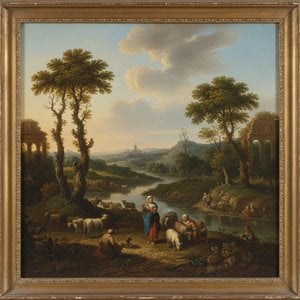
Nicolaes Berchem: Dutch Golden Age Pastoralism & the Evolution of Landscape Painting
Explore the captivating world of Nicolaes Berchem, a leading Dutch Golden Age painter. Discover his idyllic landscapes, masterful technique & lasting influence on art history. Learn more at ArtsDot.

Jan van Goyen: Master of Dutch Landscape & Atmospheric Perspective
Discover Jan van Goyen, the master of Dutch landscape painting. Explore his subtle technique, atmospheric realism & lasting influence on art history. Learn about this 17th-century pioneer at ArtsDot.
