


 Примерить в интерьере
 Отправить
 Поделиться
 Подробнее
 Руководство

 Скачать
 Похожие объекты
 Рентгенография
 Слайд-шоу
 Статистика
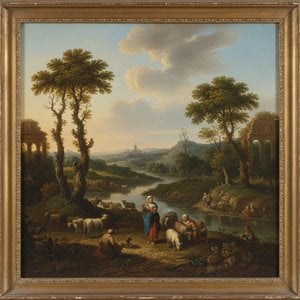
Winter Landscape
 Oil On Panel
- WallArt
- Dutch Golden Age Painting
 1605
1605- Early Modern
 25.0 x 34.0 cm
 Музей Вальраф-Рихарта
 Развернуть текст
Жикле / Арт-принты
Печать (жикле) или холст музейного качества с быстрыми сроками изготовления и широким выбором вариантов отделки. ( Заказать репродукцию ручной работы Перейти к цифровым изображениям)




P118B $10

P118H $10

P118W $10

P438Z $10

P508JH $12

P508YH $12

P805H $10

P805Z $10

P919BZ $10

P919G $10

P919XJ $10

P959ZH $10

P968JZ $12

W106C $8

W218G $10

W218JH $8

W218Y $10

W307PJ $10

W316G $10

W316PJ $8

W316Y $10

W398PJ $8

W4111J $10

W500HY $15

W500JH $15

W692G $12

W849H $8

W940BG $15

W953PJ $8




Выберите один из наших стандартных размеров, соответствующих оригинальным пропорциям произведения искусства.

Введите необходимую ширину и высоту, чтобы репродукция подошла к вашей раме или стене. При печати изображение можно только уменьшить, но нельзя увеличить больше оригинала, поэтому при выборе другого формата часть изображения может быть обрезана. Перед печатью мы отправим вам цифровой макет на утверждение. Изображение на этой странице не отображает реальную обрезку — ее можно увидеть только на макете.
Доставка по всему миру () за 2 недели вместо стандартных 4–5 недель. (23 Октябрь)

Бесплатная экспресс-доставка по всему миру

Высококачественный льняной холст

Полное страхование при транспортировке

Гарантия возврата таможенных пошлин

Гарантия точного цветового соответствия

100-дневный период возврата (только при обнаружении дефектов)

Гарантия возврата 100% средств

Скидка при заказе нескольких работ
 Вариант со стеклом доступен только для размеров менее 110 см

Winter Landscape
Жикле / Арт-принты
Размер репродукции
-


Итоговая стоимость
$ 62
A Frozen Symphony of the Dutch Golden Age
To gaze upon Hendrick Avercamp’s Winter Landscape is to step through a window into a bygone era, where the biting chill of a Northern winter is transformed into a vibrant tapestry of human connection and seasonal resilience. Painted around 1605, this masterpiece serves as a breathtaking window into the Dutch Golden Age, capturing much more than a mere meteorological event. It is a meticulously orchestrated scene of life in motion, where the frozen expanses of the Netherlands become a stage for both communal joy and the quiet, rhythmic toil of daily existence. The atmosphere is palpable; one can almost feel the crisp, invigorating air and hear the muffled sounds of skates slicing through ice and the distant calls of villagers navigating the snowy terrain.
Avercamp, often remembered by the poignant moniker “de Stomme van Kampen” (the Mute of Kampen), possessed an extraordinary ability to translate visual observation into profound narrative. Without the need for spoken word, his brush spoke volumes, capturing the subtle interplay of light and shadow across a frost-covered world. In this work, the artist employs a sophisticated aerial perspective, a technique that draws the viewer’s eye from the intimate, detailed figures in the foreground toward the ethereal, hazy silhouettes of distant mountains and horizons. This sense of receding depth creates an immersive experience, inviting collectors and art enthusiasts to wander through the landscape, discovering new details with every lingering glance.
The Artistry of Detail and Symbolic Depth
The technical brilliance of this piece lies in Avercamp’s masterful command of light and texture. Utilizing thin, translucent layers that allow for a luminous quality, he achieves a remarkable realism in the depiction of snow, ice, and heavy winter garments. The composition is a bustling microcosm of society; scattered throughout the frozen landscape are individuals engaged in a variety of pursuits. We see figures skating with grace, laborers hauling essential logs, and families tending to livestock, all contributing to a sense of a living, breathing community. This density of detail ensures that the painting remains a captivating subject for any interior space, offering endless visual rewards for those who appreciate the fine nuances of Northern Renaissance brilliance.
Beyond the surface beauty, the painting is rich with the symbolic language of the 17th century. The presence of a church rising above the horizon serves as a silent sentinel of piety and faith, reflecting the spiritual bedrock of Dutch society during the Reformation. Even the more somber elements—the frozen sailboat or the presence of animals navigating the cold—speak to the themes of human ambition and the inevitable rhythms of nature. For the discerning decorator or collector, this artwork offers a profound emotional resonance; it is a celebration of endurance and the ability to find beauty and warmth in the heart of winter. Bringing a reproduction of such a masterpiece into a home does not merely add decoration; it introduces a storied piece of history that inspires contemplation and a deep appreciation for the enduring spirit of life.
Вопросы и ответы
Какая палитра и преобладающий цвет определяют "Winter Landscape"?
В произведении «Winter Landscape» преобладает Earthy палитра, в которой доминирует Rosy Brown (#bfa397).
Где рекомендуется размещать работу "Winter Landscape" в формате Landscape?
Формат (Landscape) и рекомендуемое пространство (Living Room) — две характеристики размещения, указанные для «Winter Landscape», Хендрик Аверкамп.
Кто является автором «Winter Landscape» и к какому направлению относится это произведение?
«Winter Landscape» был создан Хендрик Аверкамп в стиле Dutch Golden Age Painting. Автор и направление определяют художественную традицию этого произведения.
Похожие произведения


Биография художника
Первопроходец голландской зимы: жизнь и искусство Хендрика Аверкампа
Хендрик Аверкамп — имя, ставшее синонимом мерцающих замерзших пейзажей Золотого века Голландии. Он родился в Амстердаме 27 января 1585 года, и история его жизни столь же интригующа, как и его живопись: это повествование, отмеченное как художественным новаторством, так и личными испытаниями. С ранних лет стало очевидно, что Аверкампи мир воспринимался иначе, чем у большинства; он был нем и, вероятно, глух, за что получил ласковое, но определяющее прозвище «de Stomme van Kampen» — Немой из Кампена. Однако это кажущееся ограничение не подавило его творческий голос, а, напротив, обострило наблюдательность, позволив ему переносить нюансы голландской зимы на холст с непревзойденной ясностью и очарованием. Свои первые шаги он сделал в Амстердаме под руководством портретиста Питера Исаакса, а возможно, черпал вдохновение и в работах Давида Винкбоонса, чье влияние заметно в ранних произведениях мастера. В 1608 году он переехал в Кампен, где провел большую часть своей жизни, утвердившись как самобытный и прославленный художник.Запечатлевая замерзший мир: художественный стиль и новаторство
Аверкамп выделяется как один из первых художников, посвятивших себя исключительно пейзажу в Голландии XVII века — в эпоху, где традиционно доминировали портрет, историческая живопись и натюрморт. Он нашел свою нишу, специализируясь на зимних сценах — сюжете, который до него редко исследовался с такой последовательной глубиной. Его полотна — это не просто изображения холодной погоды; это живые мгновения голландской жизни, разворачивающейся на льду. Фигуры катаются на коньках, едут на санях, играют в *колф* (прообраз гольфа на льду) и просто наслаждаются замерзшими водными путями, создавая пестрый гобелен человеческой деятельности на фоне суровой красоты зимнего пейзажа. Мастерство Аверкампа заключается в его способности передать одновременно и холод сезона, и тепло общественного веселья. Он виртуозно использовал воздушную перспективу, тонко меняя цвета и детали для создания убедительного ощущения глубины, вовлекая зрителя в эти ледяные миры. Его техника часто включала наложение акварельных лессировок поверх рисунков пером и тушью, что создавало нежные и светящиеся эффекты. Эти небольшие работы часто продавались как законченные произведения для коллекционных альбомов, что подчеркивает их камерный масштаб и особую притягательность.Влияние и развитие: от Брейгеля к голландскому реализму
Хотя Аверкамп создал свой собственный неповторимый стиль, он не работал в изоляции. Влияние фламандских мастеров, таких как Питер Брейгель Старший, отчетливо прослеживается в его ранних композициях — оживленных сценах, наполненных множеством персонажей, занятых повседневными делазом. Однако Аверкамп вышел за рамки простого подражания, развив уникальное голландское мироощущение, характеризующееся тщательной детализацией и тонким наблюдением за светом и атмосферой. Он принял растущую тенденцию к реализму в голландской живописи, точно изображая одежду, инструменты и обычаи своего времени. Его творчество также отражает климатические условия Малого ледникового периода — эпохи необычайно суровых зим в Европе, что, несомненно, подпитывало его увлечение замерзшими ландшафтами. В отличие от некоторых современников, склонных к идеализации, Аверкамп представлял реалистичный — и часто юмористический — взгляд на жизнь, включая игривые детали, намекающие на человеческие слабости и повседневные происшествия.Наследие и историческое значение
Влияние Хендрика Аверкампа на голландскую живопись огромно. Он не только популяризировал зимний пейзаж как достойный предмет для художественного исследования, но и помог определить самобытный голландский подход к жанру — подход, основанный на реализме, атмосферных эффектах и изображении повседневности. Его работы служили источником вдохновения для последующих поколений художников и продолжают очаровывать публику и сегодня. Среди выдающихся коллекций, демонстрирующих его мастерство, — Рейксмюсеум в Амстердаме, хранящий значительное количество его полотен, и Маурицхейс в Гааге. Наследие Аверкампа выходит за рамки его художественных достижений; он является символом триумфа над невзгодами, демонстрируя, что творческое самовыражение может процветать даже перед лицом личных трудностей. Он скончался в Кампене 15 мая 1634 года, оставив после себя наследие, которое и по сей день служит окном в яркий, но часто забытый мир Голландии XVII века — мир, застывший во времени, но преисказанный жизнью.Знаковые работы
- Зимний пейзаж с конькобежцами: Пожалуй, его самая иконическая работа, которая служит эталоном мастерства Аверкампа в передаче энергии и атмосферы голландской зимней сцены.
- Улица в Делфте: Редкий пример того, как Аверкамп выходил за рамки пейзажа, демонстрируя свое умение изображать городскую жизнь.
- Наслаждение льдом у города: Демонстрирует его способность создавать динамичные композиции, наполненные множеством фигур, занятых различными занятиями.

Хендрик Аверкамп
1585 - 1634 , Нидерланды
Краткая справка
- Artistic Movement Or Style: Dutch Golden Age painting
- Artists Who Influenced This Artist:
- Pieter Isaacsz
- David Vinckboons
- Date Of Birth: January 27, 1585
- Date Of Death: May 15, 1634
- Full Name: Hendrick Avercamp
- Nationality: Dutch
- Notable Artworks:
- Winter Landscape with Skaters
- Street in Delfi
- Place Of Birth: Amsterdam, Netherlands
Похожие статьи
Nicolaes Berchem: Dutch Golden Age Pastoralism & the Evolution of Landscape Painting
Explore the captivating world of Nicolaes Berchem, a leading Dutch Golden Age painter. Discover his idyllic landscapes, masterful technique & lasting influence on art history. Learn more at ArtsDot.

Golden Light & Dutch Skies: Bringing the Magic of Dutch Golden Age Landscapes into Your Home
Transform your home with the breathtaking light of Dutch Golden Age landscapes. Discover how hand-painted oil reproductions of masterworks like Ruisdael and Vermeer bring timeless elegance, atmosphere, and soulful texture to modern interiors. Elevate your space with museum-quality art.

Charles Leickert: Capturing the Dutch Golden Age Light – A Comprehensive Study of Technique, Context, and Legacy
Explore the captivating winter landscapes of Charles Leickert, a master of Dutch Golden Age light & atmosphere. Discover his techniques, symbolism, and lasting legacy – a comprehensive study for art enthusiasts and collectors.

Golden Age Reflections: Dutch Baroque Painting & Cultural Innovation
Explore the Dutch Golden Age of painting! Discover key artists like Vermeer & ter Borch, their innovative techniques, and the rich cultural context behind these Baroque masterpieces. Learn about collecting & appreciating this iconic art period.

Золотой век Голландии: 10 шедевров, изменивших искусство | ArtsDot.com
Погрузитесь в эпоху Золотого века Нидерландов! 10 шедевров Рембрандта, Вермеера и других мастеров. Узнайте истории создания культовых картин и вдохновитесь для интерьера. Репродукции музейного качества на ArtsDot.com.


