


 Примерить в интерьере
 Отправить
 Поделиться
 Подробнее
 Руководство

 Скачать
 Похожие объекты
 Рентгенография
 Слайд-шоу
 Статистика
Ema
 Acrylic On Canvas
- WallArt
- Contemporary Realism
 1992
1992- Contemporary
 153.0 x 227.0 cm
 Развернуть текст
Произведение искусства, представленное на этой странице, защищено законом об авторском праве, что исключает возможность законного создания или продажи его точной репродукции. Данная защита обеспечивается международными соглашениями, такими как Бернская конвенция и национальным законодательством, включая положения, изложенные в Закон США об авторском праве — Раздел 17.
Этот метод полностью соответствует нормам авторского права, так как он не предполагает копирования или дублирования защищенного произведения. Напротив, это творческая реинтерпретация — создание новой картины, которая вдохновлена оригиналом, но не является его точной копией.
Жикле / Арт-принты
Печать (жикле) или холст музейного качества с быстрыми сроками изготовления и широким выбором вариантов отделки. ( Заказать репродукцию ручной работы Перейти к цифровым изображениям)




P118B $10

P118H $10

P118W $10

P438Z $10

P508JH $12

P508YH $12

P805H $10

P805Z $10

P919BZ $10

P919G $10

P919XJ $10

P959ZH $10

P968JZ $12

W106C $8

W218G $10

W218JH $8

W218Y $10

W307PJ $10

W316G $10

W316PJ $8

W316Y $10

W398PJ $8

W4111J $10

W500HY $15

W500JH $15

W692G $12

W849H $8

W940BG $15

W953PJ $8




Выберите один из наших стандартных размеров, соответствующих оригинальным пропорциям произведения искусства.

Введите необходимую ширину и высоту, чтобы репродукция подошла к вашей раме или стене. При печати изображение можно только уменьшить, но нельзя увеличить больше оригинала, поэтому при выборе другого формата часть изображения может быть обрезана. Перед печатью мы отправим вам цифровой макет на утверждение. Изображение на этой странице не отображает реальную обрезку — ее можно увидеть только на макете.
Доставка по всему миру () за 2 недели вместо стандартных 4–5 недель. (23 Октябрь)

Бесплатная экспресс-доставка по всему миру

Высококачественный льняной холст

Полное страхование при транспортировке

Гарантия возврата таможенных пошлин

Гарантия точного цветового соответствия

100-дневный период возврата (только при обнаружении дефектов)

Гарантия возврата 100% средств

Скидка при заказе нескольких работ
 Вариант со стеклом доступен только для размеров менее 110 см

Ema
Жикле / Арт-принты
Размер репродукции
-


Итоговая стоимость
$ 62
A Reflection on Movement and Memory: Exploring Gerhard Richter’s Ema
Gerhard Richter's *Ema*, painted in 1992, stands as a masterful distillation of photographic influence combined with Richter’s signature artistic exploration. More than just an image captured on canvas; it’s a meditation on perception itself—a dialogue between stillness and the fleeting impression of motion, mirroring the anxieties and uncertainties that characterized Richter's formative years amidst the turbulent backdrop of post-war Germany. The painting’s genesis lies in a photograph taken by Richter himself of his first wife descending a staircase – an act of deliberate repetition designed to interrogate the very nature of representation. This conceptual underpinning is powerfully reinforced by its connection to Marcel Duchamp’s groundbreaking *Nude Descending a Staircase*, a work rejected by Cubists but subsequently recognized as a pivotal cubo-futurist masterpiece. Richter's response wasn’t merely stylistic imitation; it was an acknowledgement of artistic lineage while forging his own distinctive path, firmly rooted in European Pop Art sensibilities.- Style and Technique: Richter employs a technique known as ‘photogram,’ where he lays the photographic print directly onto canvas and exposes it to ultraviolet light. This process creates a hazy, ethereal image—a ghost of the original photograph—that simultaneously captures and obscures its subject matter. The resulting surface possesses an almost velvety texture, achieved through multiple layers of paint applied with a squeegee, further blurring the boundaries between painting and photography.
- Compositional Analysis: The central figure – a woman – occupies the staircase’s upper section, her back turned to the viewer. This deliberate positioning invites contemplation on vulnerability and unspoken emotion. The steps themselves serve as compositional anchors, guiding the eye upwards while simultaneously emphasizing the woman's solitary journey. Richter skillfully utilizes tonal variations to create depth and atmosphere, subtly conveying a sense of quiet dignity.
- Emotional Impact: *Ema* evokes a profound sense of melancholy and introspection. The painting's muted palette contributes to its contemplative mood, inviting viewers to consider themes of solitude, vulnerability, and the elusive nature of experience. It’s a piece that lingers in the mind long after viewing, prompting reflection on the complexities of human emotion and the enduring power of memory.
Вопросы и ответы
Как выстроена цветовая композиция в «Ema», Герхард Рихтер?
В работе «Ema» Bold контраст сочетается с Strong Color Unity гармонией.
Каков реальный размер произведения «Ema», Герхард Рихтер?
Размер оригинала произведения «Ema» составляет 153 x 227 cm. Оригинальные размеры могут служить полезным ориентиром при выборе размера репродукции.
Для чего рекомендуется использовать репродукцию «Ema», Герхард Рихтер?
Рекомендуемый способ использования репродукции «Ema», Герхард Рихтер — Accent. Она также может служить для других целей.
Похожие произведения


Биография художника
A Life Shaped by Division: The Early Years and Artistic Formation of Gerhard Richter
Gerhard Richter’s жизнь неразрывно связана с трагической историей 20-го века Германии. Родился он в Дрездене в 1932 году, и его детство прошло в тени нарастающей нацистской машины. Эта формирующаяся эпоха, отмеченная перемещениями – семья несколько раз переезжала во время войны, – поселила в нем глубокое чувство неопределенности и критический дух, которые пронизывали его художественную практику на протяжении десятилетий. Идиллические пейзажи его ранней жизни в Рейхнау и Вальтерсдорфе вскоре были нарушены конфликтом, оставив неизгладимый след в его душе. Его отец, хотя и не был ярым сторонником нацистской партии, ориентировался в сложностях жизни под авторитарным режимом, а его мать воспитывала любовь к литературе и музыке в семье. Эта двойственность – прагматичное принятие обстоятельств наряду с стремлением к культурному самовыражению – стала определяющей чертой художественного подхода Рихтера. Он начал формальное обучение в Дрезденской академии искусств в 1951 году, изначально погрузившись в традиции социалистического реализма, требуемой Восточной Германией. Однако даже в этой ограниченной среде зрело стремление к художественной свободе, подпитываемое растущим недовольством идеологическими ограничениями и жаждой исследовать более широкие творческие возможности.Escaping Constraints: Düsseldorf and the Exploration of Style
1961 год стал поворотным моментом. Рихтер, вместе со своей женой Марианной Эйферинг, смело решил бежать из Восточной Германии, ища убежище в развивающейся художественной среде Дюссельдорфа. Этот шаг ознаменовал радикальный сдвиг в его художественном пути. Западная Германия предложила освобождающую среду, где эксперименты и инновации не только допускались, но и активно поощрялись. В Дюссельдорфе он столкнулся с ярким сообществом художников, которые боролись с вопросами идентичности, репрезентации и наследием истории. Он быстро начал разрушать жесткие стилистические конвенции социалистического реализма, начав период интенсивного исследования, который определил его раннюю зрелую работу. Этот период был отмечен колебаниями между кажущимися разнородными подходами – от фотореализма, тщательно воспроизводящего фотографии с поразительной точностью, до абстрактных композиций, характеризующихся смелыми цветами и динамичными мазками. Его сотрудничество с Зигмаром Полке привело к появлению термина «Капиталистический Реализм», намеренно неоднозначной метки, которая отражала их общую скептическую позицию по отношению к устоявшимся художественным нормам и их использование образов из рекламы и массовых медиа. Этот период не был направлен на поиск *одного* стиля, а скорее заключался в вопросах о самом понятии стилистической согласованности, принимая противоречия как фундаментальный принцип.Blurring Boundaries: Photorealism, Abstraction, and the Power of Chance
Художественный словарь Рихтера расширился на протяжении 1960-х и далее, охватывая широкий спектр техник и тем. Его фотореалистичные картины, часто основанные на семейных фотографиях или изображениях из газет, не являются простыми копиями реальности, а скорее исследованиями природы восприятия и репрезентации. Тщательно воспроизводя эти изображения с почти клинической отстраненностью, он заставляет зрителей столкнуться с присущей неопределенностью фотографической истины. Одновременно Рихтер углубился в абстракцию, создавая полотна, усыпанные яркими цветами и жестикулирующими мазками. Эти абстрактные работы часто создаются с использованием уникальной техники, включающей использование гусениц – инструментов, обычно используемых для очистки окон – которые он тянет по поверхности холста, манипулируя краской непредсказуемыми способами. Это принятие случая и спонтанности является центральным элементом его художественной философии, позволяя ему отказаться от контроля и призвать неожиданные результаты. Его «Цветовые карты», систематизированные расположения квадратных цветов, еще больше бросают вызов традиционным представлениям об художественном выражении, ставя под сомнение само понятие живописи. Эти работы не являются о индивидуальных эстетических предпочтениях, а скорее об исследовании присущих свойств цвета и его организационных возможностей.Legacy and Influence: A Master of Contemporary Art
Влияние Герхарда Рихтера на современное искусство неоспоримо. Его готовность бросать вызов нормам, неустанные эксперименты с техникой и глубокое вовлечение в исторические и политические темы закрепили его место как одного из самых важных художников нашего времени. Он последовательно сопротивлялся легкому категорированию, оспаривая попытки поместить его работу в один стилистический каркас. Это отрицание определения, а также его техническое мастерство и интеллектуальная строгость принесли ему широкую критическую похвалу и коммерческий успех – его картины регулярно достигают рекордных цен на аукционах. Помимо рыночной стоимости, лежит более глубокий смысл. Искусство Рихтера говорит о сложностях современного существования, борясь с проблемами памяти, идентичности и поиска смысла в фрагментированном мире. Он не предлагает ответов, а скорее ставит вопросы, побуждая зрителей столкнуться со своими предубеждениями и участвовать в критическом диалоге. *Его влияние можно увидеть в работе бесчисленного количества художников, которые последовали по его стопам*, привлеченных его инновационными техниками и неуклонной приверженностью художественному исследованию. Рихтер остается жизненно важной силой в современном искусстве, продолжая вдохновлять и провоцировать аудиторию своим сложным и глубоко резонирующим творчеством.
Герхард Рихтер
1932 - , Германия
Краткая справка
- Artistic Movement Or Style:
- Фотореализм
- Абстракция
- Капиталистический реализм
- Artists Or Movements Influenced By This Artist: ['Современные художники']
- Artists Who Influenced This Artist:
- П. Пикассо
- Ж. Арп
- Date Of Birth: 9 февраля 1932 г.
- Full Name: Герхард Рихтер
- Nationality: Немецкий
- Notable Artworks:
- Облака
- Вальтер Боурнс
- Place Of Birth: Дрезден, Германия
Похожие статьи
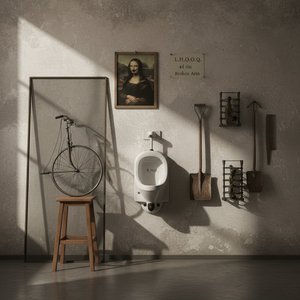
Marcel Duchamp: Challenging Conventions & Redefining Art in the 20th Century
Explore the revolutionary art of Marcel Duchamp! Discover how his Dadaist readymades challenged artistic conventions & redefined modern art. A deep dive into 'Fountain', conceptual shifts, and his lasting impact.

Marcel Dyf: A Study in Belgian Surrealist Landscape and the Poetics of Memory
Explore the captivating landscapes of Marcel Dyf (1899-1985). Discover his Impressionist roots, subtle Surrealism, and enduring legacy. Learn about his life, art, and value with ArtsDot.

The Enduring Allure of the Nude: A Historical & Artistic Exploration of the Human Form
Explore the captivating history of nude art! Discover iconic paintings & artists from classical to modern eras. Uncover symbolism, techniques & find museum-quality reproductions at ArtsDot.

The Eloquent Form: A Historical & Aesthetic Exploration of the Nude in Art
Explore the captivating history of the nude in art! From ancient Greece to modern masters, discover its evolving symbolism, techniques & enduring beauty. Expert insights for collectors and enthusiasts.

Gerhard Richter: A Retrospective on Abstraction, Memory & the Photographic Source
Explore the profound world of Gerhard Richter's abstract paintings. Discover his techniques, influences, and lasting impact on contemporary art – a guide for discerning collectors.


