

Картина подстраивается под ваш выбор: , .
Биография художника
French Orientalist painter Georges Washington captured North Africa in Nomades dans le Sahara en Hiver. Discover his masterful works today.
 Читать далее
Масляная репродукция ручной работы
Картина маслом на холсте в выбранном вами размере и раме, написанная на заказ нашими художниками. ( Перейти к печатным копиям Перейти к цифровым изображениям)
Подробнее об этой картине
 Предпросмотр
 Поделиться
 Поделиться
 Детали произведения
 Руководство

 Скачать
 Похожие предметы
 Рентгенография
 Слайд-шоу
 Вопросы и ответы
 Статистика просмотров
Закажите свою картину в четыре простых шага
Не торопитесь. Вы можете изменить любой ответ; цена в вашей корзине будет обновляться после каждого выбора.
1 Шаг первый из четырех
Какой размер вы бы хотели выбрать?
Эти размеры сохраняют пропорции оригинальной картины. На рисунке показано, как выбранный вами вариант будет смотреться на стене над двухметровым диваном.
Или укажите свои размеры
Выберите один из наших стандартных размеров, соответствующих оригинальным пропорциям произведения искусства.

Введите необходимую ширину и высоту, чтобы репродукция подошла к вашей раме или стене. Поскольку работа выполняется вручную, при изменении пропорций художник может немного увеличить область вокруг картины или, наоборот, обрезать края — выбор за вами. Перед началом работы мы пришлем вам цифровой макет на утверждение. Изображение на этой странице не является точным результатом — увидеть реальный вид можно только на макете.
2 Шаг второй из четырех
Как его подготовить: в рулоне, на подрамнике или в раме?
Ниже указаны цены для размера, выбранного вами на первом этапе.
Выберите тип обработки краев холста
Выберите свою раму

Белый торцевой край $1

Размытый край $1

С продолжением изображения $1

P118B $10

P118H $10

P118W $10

P438Z $10

P508JH $12

P508YH $12

P805H $10

P805Z $10

P919BZ $10

P919G $10

P919XJ $10

P959ZH $10

P968JZ $12

W106C $8

W218G $10

W218JH $8

W218Y $10

W307PJ $10

W316G $10

W316PJ $8

W316Y $10

W398PJ $8

W4111J $10

W500HY $15

W500JH $15

W692G $12

W849H $8

W940BG $15

W953PJ $8

H24-GOLD $30

H24-SILVER $30

H36-GOLD $45

H36-SILVER $45
В раме
Багет: . Общий размер в раме: .
3 Третий шаг из четырех
Желаете ли вы внести какие-либо изменения в картину?
Большинство людей отвечают «нет». Но поскольку каждая картина создается вручную, наш художник может адаптировать ее специально для вас.
После оформления заказа команда ArtsDot.com свяжется с клиентом по электронной почте для получения инструкций и предоставит предварительный макет
4 Четвертый шаг из четырех
Несколько вариантов отделки
Все они являются необязательными. Выбранные ответы не влекут за собой дополнительных расходов.
Кто автор?
Доставка по всему миру () за 3–4 недели вместо стандартных 5 недель. (9 Ноябрь). Без компромиссов в качестве.
Табличка, как в музее?
Детали гравировки на бронзовой плакетке
This elegant plaque features the artist's name and the title of the artwork, finely engraved for a timeless presentation.
It is made from bronze with a refined, elegant finish. The text is precisely laser-engraved for a sharp and permanent result. Measuring 9x2 cm, the plaque is compact yet easy to read. It's built to be durable and scratch-resistant, offering a professional, museum-quality look. Mounting is simple thanks to the included adhesive backing.
Детали прозрачной акриловой таблички
The plaque includes essential engraved details such as the artist's name, the title of the artwork, the date it was created, the type of media used-like oil on canvas or watercolor-a brief description of the piece, and a QR code that links to the complete artwork information.
It is crafted from clear acrylic, offering a sleek, modern appearance. The text is UV-engraved in black to ensure strong visual contrast. With a size of 10x15 cm, it ensures optimal readability. It comes equipped with two metal hooks for secure wall mounting. The plaque is designed to be weather-resistant, making it suitable for various environments, and it includes interactive features that work seamlessly with smartphone scanning.
Информация о чёрной акриловой табличке
This elegant plaque includes engraved information such as the artist's name, the title of the artwork, the date it was created, the type of media used (like oil on canvas or watercolor), a short description of the artwork, and a QR code for quick access to more information.
The plaque itself is made from refined black acrylic with a premium finish. The text is laser-engraved in white for high contrast and readability. Its size is 10x15 cm, designed to be easy to read. It comes with two metal hooks for professional mounting. The design is sleek and fits any interior style. It is also weather-resistant and durable, with built-in digital integration for mobile compatibility.
Защитный лак?
Когда вам нужна доставка?
✓ Проверить и заказать
Ваша картина в соответствии с вашим заказом

Setting up camp
Техника репродукции
Размер репродукции
-

Выдающийся мастер высокого класса
Более высокая детализация, изысканность и дополнительное время на создание работы
-

Оформление репродукции
-
-
Для произведений искусства или репродукций, размер которых превышает 105 см (приблизительно 41 дюйм) по любой из сторон, рама будет доставлена в разобранном виде (в виде комплекта). Этот метод обеспечивает безопасную доставку и предотвращает повреждения при транспортировке.
Требуется профессиональная сборка — это не продукт для самостоятельной сборки (DIY).
Комплект должен быть собран, а холст натянут опытным мастером по багетным рамам с использованием клеевого ПВА (не входит в комплект), струбцин для натяжки холста и зажимов, чтобы удерживать подрамник ровным до полного высыхания клея. Неправильная сборка или неравномерное натяжение холста могут привести к необратимому повреждению произведения искусства и не являются гарантийным случаем.
 Для произведений искусства или репродукций, размер которых превышает 105 см (приблизительно 41 дюйм) по любой из сторон, рама будет доставлена в разобранном виде (в виде комплекта). Этот метод обеспечивает безопасную доставку и предотвращает повреждения при транспортировке.
В комплект входят все бруски из массива дерева, точно вырезанные по размеру.
Собирается с помощью предоставляемых винтов, а также столярного клея для угловых соединений, который не входит в комплект и должен быть приобретен вашим мастером.
Требуются профессиональные инструменты, не входящие в комплект: щипцы для натяжки холста (натяжитель) и зажимы, чтобы удерживать рейки ровно во время высыхания клея.
Важно:
Для соединения углов требуется клей для дерева, перекладины необходимо зафиксировать струбцинами до полного высыхания клея, а для натяжки холста на собранную раму требуются щипцы для натяжки холста. Ни один из этих инструментов не входит в комплект. Пожалуйста, убедитесь в наличии опытного мастера по багетным работам перед заказом рамы такого размера.

Этикетка
-
-

Защитный лак
Глянцевый лак (насыщает цвета, защищает от воздействия света и влаги)
-

Персонализация картины
Примеры возможных изменений: замена лица на фото клиента; добавление домашнего питомца (например, замена кошки на собаку); добавление скрытого сообщения на фоне; изменение пейзажа или элементов фона.
-

Экспресс-доставка
Доставка по всему миру () за 3–4 недели вместо стандартных 5 недель. (9 Ноябрь). Без компромиссов в качестве.
-
Экспресс-доставка
Доставка по всему миру () в течение 5 недель. (16 Ноябрь).
Включено в стоимость
Итоговая стоимость
$ 263
Вариант со стеклом доступен только для размеров менее 110 см
Включено в каждый заказ
- Бесплатная экспресс-доставка по всему миру
- Высококачественный льняной холст
- Полное страхование при доставке
- Гарантия возмещения таможенных пошлин
- Гарантия точного цветового соответствия
- 100-дневная гарантия возврата (только при обнаружении дефектов)
- Гарантия возврата 100% средств
- Скидка при оптовом заказе


Похожие произведения


Georges Washington
1827 - 1910, France
Биография художника
The Enigmatic Journey of Georges Washington
Born in Marseille, France, the painter known as Georges Washington carried a name that whispered of distant admiration for America’s first president, a pseudonym bestowed upon him by a father who held the figure in high regard. His early life was marked by complexity, born out of wedlock and navigating a childhood where his mother did not officially recognize him until many years later. Despite these personal shadows, Washington sought the light of artistic mastery, enrolling at the École des Beaux-Arts in Paris. Under the tutelage of the history painter François Edouard Picot, he developed a rigorous foundation in draughtsmanship and composition, skills that would later allow him to capture the kinetic energy of horses and the dramatic tension of battle scenes with unparalleled precision.
Driven by an insatiable thirst for new perspectives, Washington found himself dissatisfied with the confines of traditional academic instruction. This restlessness led him toward the sun-drenched landscapes of North Africa, a journey that would fundamentally redefine his artistic soul. His travels through Algeria and Morocco provided more than just new scenery; they offered a profound connection to the vibrant cultures and rugged terrains of the Middle East. Influenced heavily by the Romantic spirit of Eugène Delacroix and the naturalistic Orientalist approach of Eugène Fromentin, Washington began to weave the exoticism of the Maghals into his canvases, creating works that felt both deeply observed and romantically heightened.
Mastery of the Orientalist Vision
The hallmark of Washington’s oeuvre lies in his ability to breathe life into the subjects of the Orient, particularly through his expertise as an equestrian painter. His brushstrokes, often described as bright, naturalistic, and fluid, served to accentuate the dynamism of his most beloved subjects: Arab cavalry, nomadic tribes, and the spirited movement of stallions. In masterpieces such as Nomades dans le Sahara en Hiver, he captured the quiet majesty of desert life, while other works like Cavaliers Arabes showcased a bold, dramatic style that celebrated the strength of the mounted warrior. His deep understanding of Arab customs and costumes, gleaned from firsthand observation during his many expeditions, lent an authenticity to his work that resonated deeply with the Parisian Salon audience.
Beyond the sands of North Africa, Washington’s artistic curiosity spanned continents. He journeyed through Bulgaria, Hungary, and Turkey, and even crossed the Atlantic to the United States. In America, he contributed his talents to the monumental task of assisting his brother-in-law, Paul Dominique Philippoteaux, with the creation of the massive Battle of Gettysburg cyclorama in Philadelphia. This period of his life demonstrated his versatility, as he moved between the intimate, atmospheric studies of nomadic life and the grand, panoramic scale of historical commemoration. His career was a continuous dialogue between the observed reality of his travels and the epic storytelling required by the great traditions of French painting.
A Legacy Preserved in Color
Throughout a prolific career that saw him exhibiting at the Paris Salon for fifty years, Washington achieved significant recognition, including being awarded a third-class medal in 1893. His works became part of the permanent fabric of European art history, finding homes in prestigious institutions such as:
- Musée de Lille, which holds his acclaimed Nomades dans le Sahara en Hiver
- Musée de Dunkerque, home to his powerful Cavaliers Arabes
- Musée Paul Valéry in Sète, containing works like Fantasia Arabe
- Dolmabahçe Palace in Istanbul, showcasing the international reach of his vision
- Musée des Beaux-Arts in Limoges and Dijon
In his later years, after facing the financial hardships that followed an unsuccessful attempt to establish a farm in Brittany, Washington eventually retired to the coast of Douarnenez. Though his life was marked by periods of struggle and relocation, his contribution to the Orientalist movement remains indelible. He left behind a body of work that serves as a window into a vanished era of exploration and romanticism, capturing the spirit of the desert and the nobility of the horse with a brilliance that continues to captivate the art world.
Похожие статьи

Жорж Сёра: 25 шедевров великого мастера пуантилизма | ArtsDot
Откройте для себя 25 шедевров Жоржа Сёра – пионера пуантилизма! Узнайте историю создания культовых картин, технику письма и влияние импрессионизма. Репродукции высокого качества на ArtsDot.com. Искусство для вашего интерьера.

Mastering Light: The Top 25 Essential Artworks by Georges Seurat
Immerse yourself in the luminous world of Georges Seurat. Explore 25 iconic Pointillism masterpieces, from color theory to timeless beauty. Find inspiration for museum-quality art reproductions and curated decor. Discover all masterpieces on ArtsDot.com.
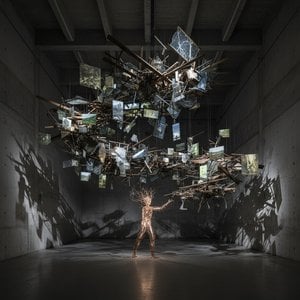
Richard Wilson: Deconstructing Landscape & Memory in Contemporary Installation Art
Explore Richard Wilson's groundbreaking landscape paintings & his enduring influence on contemporary installation art. Discover investment opportunities, provenance insights & the materiality of memory in this expert analysis.