

 Примерить в интерьере
 Отправить
 Поделиться
 Подробнее
 Руководство

 Скачать
 Похожие объекты
 Рентгенография
 Слайд-шоу
 Q&A
Q&A Статистика
Mill at Charenton

- 113.0 x 146.0 cm


 Развернуть текст
Жикле / Арт-принты
Печать (жикле) или холст музейного качества с быстрыми сроками изготовления и широким выбором вариантов отделки. ( Заказать репродукцию ручной работы Перейти к цифровым изображениям)




P118B $10

P118H $10

P118W $10

P438Z $10

P508JH $12

P508YH $12

P805H $10

P805Z $10

P919BZ $10

P919G $10

P919XJ $10

P959ZH $10

P968JZ $12

W106C $8

W218G $10

W218JH $8

W218Y $10

W307PJ $10

W316G $10

W316PJ $8

W316Y $10

W398PJ $8

W4111J $10

W500HY $15

W500JH $15

W692G $12

W849H $8

W940BG $15

W953PJ $8




Выберите один из наших стандартных размеров, соответствующих оригинальным пропорциям произведения искусства.

Введите необходимую ширину и высоту, чтобы репродукция подошла к вашей раме или стене. При печати изображение можно только уменьшить, но нельзя увеличить больше оригинала, поэтому при выборе другого формата часть изображения может быть обрезана. Перед печатью мы отправим вам цифровой макет на утверждение. Изображение на этой странице не отображает реальную обрезку — ее можно увидеть только на макете.
Доставка по всему миру () за 2 недели вместо стандартных 4–5 недель. (2 Ноябрь)

Бесплатная экспресс-доставка по всему миру

Высококачественный льняной холст

Полное страхование при транспортировке

Гарантия возврата таможенных пошлин

Гарантия точного цветового соответствия

100-дневный период возврата (только при обнаружении дефектов)

Гарантия возврата 100% средств

Скидка при заказе нескольких работ
 Вариант со стеклом доступен только для размеров менее 110 см

Mill at Charenton
Жикле / Арт-принты
Размер репродукции
-


Итоговая стоимость
$ 62
A Glimpse of Pastoral Grandeur: François Boucher’s “Mill at Charenton”
François Boucher's "Mill at Charenton," painted in 1758, isn’t merely a landscape; it’s an invitation to step into a meticulously crafted world of Rococo delight. This idyllic scene, depicting a water mill nestled along the banks of the Charente River near Charenton-le-Château, captures the essence of 18th-century aristocratic leisure and Boucher's masterful ability to infuse even the most commonplace subject with an air of fantastical beauty. The painting immediately draws the eye with its vibrant palette—lush greens, cerulean blues reflecting in the water, and the warm ochres and yellows of the mill’s architecture—creating a sense of warmth and abundance that speaks to the prosperity and pleasure enjoyed by France's elite.
Boucher, a pivotal figure within the Rococo movement, was renowned for his ability to seamlessly blend classical motifs with playful sensuality. His work frequently served as decoration for aristocratic salons, designed to evoke feelings of tranquility, beauty, and refined taste. “Mill at Charenton” exemplifies this perfectly; it’s not a realistic portrayal of rural life but rather an idealized vision—a carefully constructed fantasy where nature is both generous and subtly suggestive. The artist deliberately departs from the strict conventions of academic painting, embracing a looser brushstroke and a heightened sense of color to create a dreamlike atmosphere.
The Art of Illusion: Technique and Composition
Boucher’s technique is characterized by its delicate layering of colors and meticulous attention to detail. He employs *sfumato*, a subtle blurring of lines and edges, to soften the forms and create an atmospheric haze that enhances the painting's sense of depth. The composition itself is carefully balanced, drawing the eye from the foreground—where a small group of impeccably dressed peasants appear to be engaged in their work—through the mill’s intricate structure and out towards the distant riverbank. Note the strategic placement of white doves soaring above the scene; they aren't simply decorative but contribute to the painting’s feeling of lightness, purity, and abundance.
The artist masterfully utilizes light to create a sense of drama and highlight key elements. Sunlight streams through the trees, illuminating the mill and casting dappled shadows across the water. This interplay of light and shadow not only adds visual interest but also reinforces the painting’s overall mood—a harmonious blend of serenity and vitality. The use of perspective is subtly manipulated to create a sense of spaciousness, drawing the viewer into this idyllic world.
Symbolism and Context: A World of Leisure
“Mill at Charenton” offers a glimpse into the lifestyle of France’s aristocracy in the mid-18th century. Excursions to picturesque locations like Charenton were popular among wealthy men and women seeking respite from the formality and pressures of Parisian court life. The painting reflects this desire for escape, presenting a world where nature provides endless opportunities for pleasure and entertainment. The peasants depicted are not portrayed as laborers but rather as charming figures engaged in seemingly effortless activities—a deliberate choice that reinforces the aristocratic viewer’s sense of detachment from the realities of everyday life.
The inclusion of expensive glass windows and decorative swags, elements conspicuously absent in actual mills, is a testament to Boucher's artistic license. He deliberately embellishes the scene with fantastical details—the doves, the meticulously manicured bushes, the perfectly dressed peasants—to create an idealized vision that aligns with the aesthetic sensibilities of the Rococo era. The painting speaks to a broader cultural fascination with beauty, luxury, and the pursuit of pleasure.
A Timeless Masterpiece: Emotional Resonance
Beyond its technical brilliance and historical context, “Mill at Charenton” possesses a profound emotional resonance. The painting evokes a sense of tranquility, serenity, and boundless optimism—a feeling that lingers long after viewing. It’s a celebration of nature's beauty, the pleasures of leisure, and the idealized world envisioned by Boucher and his aristocratic patrons. Reproductions of this captivating work offer a chance to bring this timeless masterpiece into your own home, transforming any space into a sanctuary of refined elegance and artistic inspiration.
Вопросы и ответы
Для каких целей и в каком интерьере рекомендуется использовать «Mill at Charenton»?
Рекомендуется использовать «Mill at Charenton», Франсуа Буше для Statement, в идеале — в помещении типа Living Room. Сочетание способа использования и пространства поможет определить, где именно будет уместна репродукция.
Находится ли произведение «Mill at Charenton» в родной стране своего автора?
Нет — произведение находится за границей. Франсуа Буше родился в Франция, а оригинал произведения «Mill at Charenton» хранится в музее в Соединенные Штаты Америки.
Какой размер репродукции рекомендуется для «Mill at Charenton», Франсуа Буше?
Для работы «Mill at Charenton», Франсуа Буше рекомендуется репродукция размером Large. Размер можно изменить, сохраняя пропорции.
Похожие произведения


Биография художника
François Boucher: The Painter of Rococo Dreams
Франсуа Буше (1703-1770) – фигура поистине выдающаяся в искусстве XVIII века, один из самых почитаемых художников эпохи Рококо. Его работы воплощают собой элегантность, чувственность и игривый дух этого влиятельного стиля, создавая мир роскоши и утонченного наслаждения.
Ранние Годы и Обучение
Родившийся 29 сентября 1703 года в Париже, Франсуа Буше начал свой художественный путь под руководством своего отца, Жана Буше – художника, работавшего на императорском дворе. В возрасте семнадцати лет его талант заметил Франсуа Лемон, что привело к краткой, но плодотворной практике у известного мастера. Далее он совершенствовал свои навыки под руководством гравёра Жан-Франсуа Карса, прежде чем добиться значимой победы – выиграть престижный Гран-При в Риме в 1720 году. Этот конкурс стал отправной точкой для его карьеры и открыл двери в мир искусства.
Восхождение к Знаменитости и Художественное Развитие
После победы на Гран-При Буше отправился в Италию, где провел несколько лет, изучая работы великих мастеров эпохи Возрождения. Это путешествие стало для него настоящим откровением, сформировав его художечный взгляд. Вернувшись во Францию, он был принят в Королевскую Академию Живописи и Скульптуры в 1731 году. Его дебютное произведение – “Триумф Венеры” (1734 год) мгновенно закрепил за ним статус мастера Рококо. В этот период сформировался его уникальный стиль, характеризующийся деликатностью мазка, пастельными тонами и акцентом на мифологические и пасторальные сюжеты.
Ключевые Работы и Темы
Творчество Буше поражает своим разнообразием: он писал мифологические сцены, портреты, жанровые картины и декоративные панно. Среди его наиболее известных работ:
- “Завтрак” (1739 год): Изящное изображение домашней жизни с его женой и детьми – картина, наполненная уютом и нежностью.
- “Триумф Венеры” (1740-1751 годы): Серия картин, демонстрирующая мастерство Буше в изображении мифологических историй. В этих работах он воссоздает мир богов и героев с поразительной легкостью и грацией.
- Множество портретов Мадам де Помпадур – влиятельной любовницы короля Людовика XV – закрепили его положение при дворе. Эти портреты отражают роскошь и изысканность жизни аристократии того времени.
- Пейзажные работы, такие как “Закат”, демонстрируют лирическое и идиллическое видение природы, наполненное светом и красотой.
В его произведениях часто встречаются темы любви, красоты, отдыха и идеализированного мира мифологии. Его картины вызывают ощущение игривой эротичности и изысканной элегантности.
Влияние и Наследие
Влияние Буше распространилось далеко за пределы живописи. Он разрабатывал костюмы и декорации для театра, создавал гобелены для мастерских Боваля и сотрудничал с фабрикой «Гобельины». Его назначение на пост “Первого художника короля” в 1765 году укрепило его статус ведущего художника Франции эпохи Рококо.
Несмотря на то, что некоторые критики позже сомневались в поверхностности искусства Рококо, вклад Буше в развитие искусства неоклассицизма через своих учеников несомненен. Его работы до сих пор восхищают своей красотой и изяществом, являясь ярким символом эпохи.
Историческая Значимость
Творчество Франсуа Буше дает ценное представление о вкусах и ценностях французского общества XVIII века. Его картины отражают аристократическую культуру того времени, характеризующуюся роскошью, изысканностью и стремлением к удовольствиям. Он остается важной фигурой в истории искусства, знаменитым своим техническим мастерством, художественным новаторством и непреходящим вкладом в стиль Рококо.

Франсуа Буше
1703 - 1770 , Франция
Краткая справка
- Artistic Movement Or Style: Рококо
- Artists Or Movements Influenced By This Artist: ['Жан-Оноре Фрагонар']
- Artists Who Influenced This Artist:
- Ф. Лемон
- Ж.-Ф. Карз
- Date Of Birth: 29 сентября 1703 г.
- Date Of Death: 1770 г.
- Full Name: François Boucher
- Nationality: Француз
- Notable Artworks:
- Рinaldo и Армида
- Завтрак
- Мадам Буше
- Закат
- Place Of Birth: Париж, Франция
Похожие статьи

The Rococo Aesthetic: Opulence, Rebellion & the Pursuit of Pleasure in 18th-Century Art
Explore the opulent world of Rococo art! Discover its origins, key artists like Watteau & Boucher, and lasting influence on design. Expert insights for collectors & enthusiasts.

The Rococo Style: Aristocratic Leisure & the Pursuit of Delight in 18th-Century Art
Explore the opulent world of Rococo art! Discover Watteau, Boucher & Nattier's masterpieces. Expert insights for collectors seeking museum-quality reproductions and custom portraits at ArtsDot.

Топ-10 шедевров рококо: искусство, изменившее интерьеры | ArtsDot.com
Погрузитесь в мир рококо! Откройте для себя 10 шедевров искусства от Watteau, Boucher и Fragonard. Узнайте историю создания культовых картин и вдохновитесь для декора интерьера. Репродукции высокого качества на ArtsDot.com.
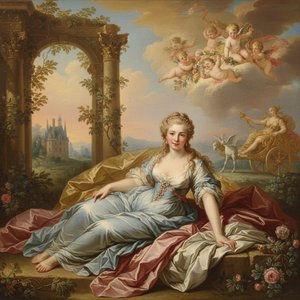
François Boucher: Rococo Master of Myth, Sensuality, and the French Court
Explore the captivating world of François Boucher, master of Rococo painting! Discover his iconic works, aristocratic patronage, and lasting influence on French art history. Learn more at ArtsDot.

The Allure of Elegance in Art: A Historical & Aesthetic Exploration of Refinement & Grace
Explore the exquisite world of Rococo art! Discover its history, masters (Watteau, Boucher & more), and defining elegance. Expert insights for collectors seeking museum-quality reproductions & custom portraits.

