

 Предпросмотр
 Поделиться
 Поделиться
 Детали произведения
 Руководство

 Скачать
 Похожие предметы
 Рентгенография
 Слайд-шоу
 Вопросы и ответы
 Статистика просмотров
Intermission (small)

 Читать далее
Произведение искусства, представленное на этой странице, защищено законом об авторском праве, что исключает возможность законного создания или продажи его точной репродукции. Данная защита обеспечивается международными соглашениями, такими как Бернская конвенция и национальным законодательством, включая положения, изложенные в Закон США об авторском праве — Раздел 17.
Этот метод полностью соответствует нормам авторского права, так как он не предполагает копирования или дублирования защищенного произведения. Напротив, это творческая реинтерпретация — создание новой картины, которая вдохновлена оригиналом, но не является его точной копией.
Жикле и арт-принты
Печать (жикле) или холст музейного качества с быстрыми сроками изготовления и широким выбором вариантов отделки. ( Купить картину ручной работы Перейти к цифровым изображениям)




P118B $10

P118H $10

P118W $10

P438Z $10

P508JH $12

P508YH $12

P805H $10

P805Z $10

P919BZ $10

P919G $10

P919XJ $10

P959ZH $10

P968JZ $12

W106C $8

W218G $10

W218JH $8

W218Y $10

W307PJ $10

W316G $10

W316PJ $8

W316Y $10

W398PJ $8

W4111J $10

W500HY $15

W500JH $15

W692G $12

W849H $8

W940BG $15

W953PJ $8




Выберите один из наших стандартных размеров, соответствующих оригинальным пропорциям произведения искусства.

Введите необходимую ширину и высоту, чтобы репродукция подошла к вашей раме или стене. При печати изображение можно только уменьшить, но нельзя увеличить больше оригинала, поэтому при выборе другого формата часть изображения может быть обрезана. Перед печатью мы отправим вам цифровой макет на утверждение. Изображение на этой странице не отображает реальную обрезку — ее можно увидеть только на макете.
Доставка по всему миру () за 2 недели вместо стандартных 4–5 недель. (11 Ноябрь)

Бесплатная экспресс-доставка по всему миру

Высококачественный льняной холст

Полное страхование при доставке

Гарантия возмещения таможенных пошлин

Гарантия точного цветового соответствия

100-дневная гарантия возврата (только при обнаружении дефектов)

Гарантия возврата 100% средств

Скидка при оптовом заказе
 Вариант со стеклом доступен только для размеров менее 110 см

Intermission (small)
Жикле и арт-принты
Размер репродукции
-


Итоговая стоимость
$ 63
Edward Hopper’s Solitary Stage: Unpacking “Intermission”
Edward Hopper's "Intermission" (1963) isn’t merely a painting; it’s a distilled moment of American solitude, a poignant tableau captured with the artist’s signature mastery of light and shadow. Completed in the twilight years of his career, this work represents a culmination of Hopper’s lifelong fascination with theater and urban life—a subject that consistently explored themes of isolation, detachment, and the quiet dramas unfolding within everyday spaces. The painting depicts a woman seated alone in an empty theater, bathed in the cool, diffused light of the house lights, suggesting a pause between acts, a moment of reflection before returning to the performance. It’s a scene both familiar and profoundly unsettling, instantly transporting the viewer into Hopper's carefully constructed world of understated emotion. The deliberate simplicity of the composition—the woman, the seats, the darkened stage—amplifies the sense of loneliness, creating an atmosphere that lingers long after the eye has moved on.A Masterclass in Realist Light and Composition
Hopper’s technical skill is immediately apparent in "Intermission." He employs a restrained palette – primarily blues, greens, and browns – to create a mood of quiet melancholy. The use of light is particularly striking; it doesn't illuminate the scene with warmth or vibrancy but rather casts long shadows, emphasizing the emptiness and highlighting the woman’s isolation. Notice how Hopper uses directional lighting to sculpt the space, drawing attention to the architectural details of the theater while simultaneously obscuring any sense of depth or perspective. The composition itself is carefully balanced—the woman occupies a central position, yet she feels utterly detached from her surroundings. The diagonal lines created by the rows of seats and the stage wall subtly guide the viewer’s eye through the scene, reinforcing the feeling of being an observer rather than a participant. The painting's dimensions – 40 x 60 inches – contribute to its impact, allowing Hopper to render intricate details with precision while maintaining a sense of scale that anchors the subject within a recognizable space.Symbolism and the American Psyche
“Intermission” resonates deeply because it taps into a fundamental aspect of the American experience: the feeling of being alone in a crowd. The theater, traditionally a place of communal engagement, becomes here a stage for individual contemplation. Hopper’s choice to depict a woman—a figure often associated with domesticity and social roles—in this solitary state is particularly significant. It speaks to the changing role of women in American society during his time, as well as the broader anxieties about identity and belonging that characterized the mid-20th century. The closed curtain and darkened exit door further reinforce the sense of being trapped or suspended in a moment of uncertainty. Some art historians interpret this image as reflecting Hopper’s own feelings of alienation and detachment, while others see it as a more generalized representation of the human condition—a recognition that even within moments of shared experience, individuals can remain profoundly isolated.The Legacy of Hopper's Theater Series
“Intermission” is part of a larger series of paintings by Hopper focused on theaters and cinemas, reflecting his lifelong passion for these spaces. These works aren’t simply depictions of theatrical settings; they are explorations of the human psyche—portraying individuals grappling with loneliness, boredom, and the unspoken dramas of everyday life. Hopper meticulously studied theater productions, taking notes and sketching scenes, imbuing his paintings with a deep understanding of stagecraft and performance. "Intermission" stands as one of the most poignant examples of this series, capturing the essence of Hopper’s unique vision—a world where light and shadow reveal not just physical spaces but also the hidden emotions within the human heart. Its enduring appeal lies in its ability to evoke a sense of familiarity and recognition, reminding us that even in the midst of bustling urban life, moments of quiet solitude can be profoundly moving.Bringing “Intermission” Home: A High-Quality Reproduction
ArtsDot offers meticulously hand-painted reproductions of Edward Hopper’s "Intermission," allowing you to experience this iconic masterpiece in stunning detail and vibrant color. Our skilled artists replicate Hopper's masterful use of light, shadow, and composition with the utmost care, ensuring that your reproduction captures the essence of the original painting. Whether for a living room wall or a study, a ArtsDot reproduction of “Intermission” will serve as a timeless reminder of Hopper’s profound insights into the human condition—a testament to the beauty and melancholy of modern American life. Explore our collection today and bring this evocative image into your space.Вопросы и ответы
Где лучше всего повесить репродукцию «Intermission (small)», Эдвард Хоппер?
Формат (Landscape) и рекомендуемое пространство (Living Room) — две характеристики размещения, указанные для «Intermission (small)», Эдвард Хоппер.
Насколько выражен светотеневой контраст в работе «Intermission (small)»?
Светотеневой контраст произведения «Intermission (small)» составляет Statement. Контраст определяет степень различия между светлыми и темными участками.
Как работа «Intermission (small)» соотносится с общим творчеством Эдвард Хоппер?
В творческом наследии Эдвард Хоппер работа «Intermission (small)» относится к стилю American Realism и созвучна темам hopper’s realism, urban isolation, theater as metaphor for life, american modernism, solitude themes, late period introspective scenes, exploring human experience quietly.
Похожие произведения


Биография художника
Тишина американского пейзажа
Эдвард Хоппер родился в Аппер-Ньяке, Соединенные Штаты Америки. Его ранние годы прошли в созерцании мира пристальным, не отрываящимся взглядом — эта привычка зародилась еще в детстве, когда он создавал тщательно датированные и подписанные наброски. Хотя родители прочили ему практичный путь в коммерческой иллюстрации, его сердце принадлежало чистому искусству. Он обучался в Нью-Йоркской школе искусств под руководством Уильяма Мерритта Чеза и Роберта Генри. Эти годы заложили технический фундамент, необходимый для того, чтобы изображать мир без прикрас и честно. Он не стремился к мимолетным мазкам импрессионистов, с которыми познакомился в Париже. Напротив, он выработал свой уникальный взгляд, в котором застывшее мгновение ценилось выше, чем суета толпы.
В центре его творчества часто оказывается обыденность. Его взору представали дома, закусочные, офисы и гостиничные номера. Он отсекал все лишние детали, чтобы обнажить скрытую эмоциональную истину сцены. В картине Дом у железнодорожного пути (1925) простая композиция раскрывает чувство тайны и изоляции. Он использовал свет и тень не просто для описания пространства, но для создания настроения. Точное изображение тени на стене или того, как свет падает на окно, стало его способом передачи психологического состояния его героев.
Свет и городской интерьер
То, как свет проникает в пространство, становится полноправным действующим лицом в его полотнах. В картине Ночные посетители (1942) резкий флуоресцентный свет ночной закусочной прорезает тьму пустынной городской улицы. Фигуры внутри находятся физически близко друг к другу, но кажутся погруженными в собственные мысли, отчужденными друг от друга. Это чувство анонимности в переполненном городе стало повторяющейся темой. Он уловил напряжение одиночества в общественном месте — чувство, которое находит отклик в таких работах, как Автомат и Офис в маленьком городе. Его интересовало, как искусственный свет взаимодействует с естественной ночной темнотой.
Его жена, Джозефина Нивисон Хоппер, была его постоянным спутником. Она была художницей и часто служила его моделью. Ее присутствие ощущается в образах многих его женских персонажей. Вместе они вели скромную жизнь, часто проводя лето в Новой Англии, что наложило отпечаток на пейзажи, которые он писал. Его изображения американского ландшафта, как сельского, так и городского, часто подчеркивают определенную суровость или пустоту. Будь то придорожная заправка в картине Бензин (1940) или тихая комната в отеле, предметом всегда остается пересечение физического места и глубокого внутреннего переживания.
Наследие созерцания
Влияние Хоппера распространяется на визуальный язык кино и литературы. Его способность создавать ощущение психологического напряжения через композицию была замечена многими исследователями того, как истории рассказываются с помощью образов. Его картины хранятся в крупнейших музеях мира, в таких коллекциях, как Музей американского искусства Уитни и Музей изящных искусств в Бостоне. Он не стремился к грандиозным историческим повествованиям. Он находил свои сюжеты в тихих уголках повседневной жизни, превращая простое окно или случайного прохожего в исследование человеческого бытия. Его творчество остается исследованием тишины, которая существует между людьми.

Эдвард Хоппер
1931 - 1967 , Соединенные Штаты Америки
Об авторе
- Artistic Movement Or Style: Американский реализм
- Artists Or Movements Influenced By This Artist: ['Пьер Сэнфорд Росс']
- Artists Who Influenced This Artist:
- Уильям Мерритт Чейс
- Роберт Генри
- Эдгар Дега
- Эдуар Мане
- Date Of Birth: 1931
- Date Of Death: 1967
- Full Name: Эдвард Хоппер
- Nationality: Американец
- Notable Artworks:
- Ночные посетители
- Газ
- Дом у железнодорожного пути
- Автомат
- Офис в маленьком городе
- Лето
- Place Of Birth: Аппер-Няк, Соединенные Штаты Америки
Похожие статьи

Эдвард Хоппер: 25 шедевров американского реализма для вашего интерьера
Погрузитесь в мир Эдварда Хоппера! 25 культовых картин американского реализма, полных света и тени. История искусства, техника живописи и вдохновение для вашего интерьера. Репродукции музейного качества на ArtsDot.com.

Concrete Visions: Exploring the Urban Landscape in Painting – From Realism to Contemporary Art
Explore the evolution of cityscape painting from Realism to contemporary art with ArtsDot. Discover key artists & invest in timeless urban visions. Expert guidance, museum-quality reproductions.

Romantic Realism's Finest: 10 Masterpieces for Your Home | ArtsDot
Explore 10 defining masterpieces of Romantic Realism! Discover Courbet, Millet & Daumier's powerful paintings—capturing emotion and social realities. Find museum-quality reproductions for your home at ArtsDot.com.
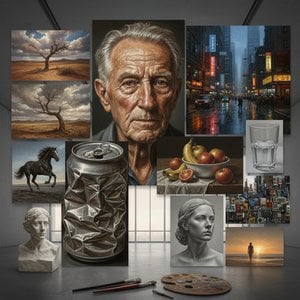
Современный реализм: 10 шедевров, изменивших искусство | ArtsDot.com
Погрузитесь в мир современного реализма! 10 шедевров, изменивших искусство. Узнайте истории художников и секреты техники. Купите репродукции картин высокого качества для вашего интерьера на ArtsDot.com.

10 Шедевров Американского Реализма: Искусство Правды и Жизни | ArtsDot
Погрузитесь в мир американского реализма! 10 шедевров от Эндрю Уайета, Эдварда Хоппера и других. История искусства, техники живописи и вдохновение для вашего интерьера. Купите репродукции картин на ArtsDot.com!


