

 Предпросмотр
 Поделиться
 Поделиться
 Детали произведения

 Скачать
 Похожие работы
 Рентгенография
 Слайд-шоу
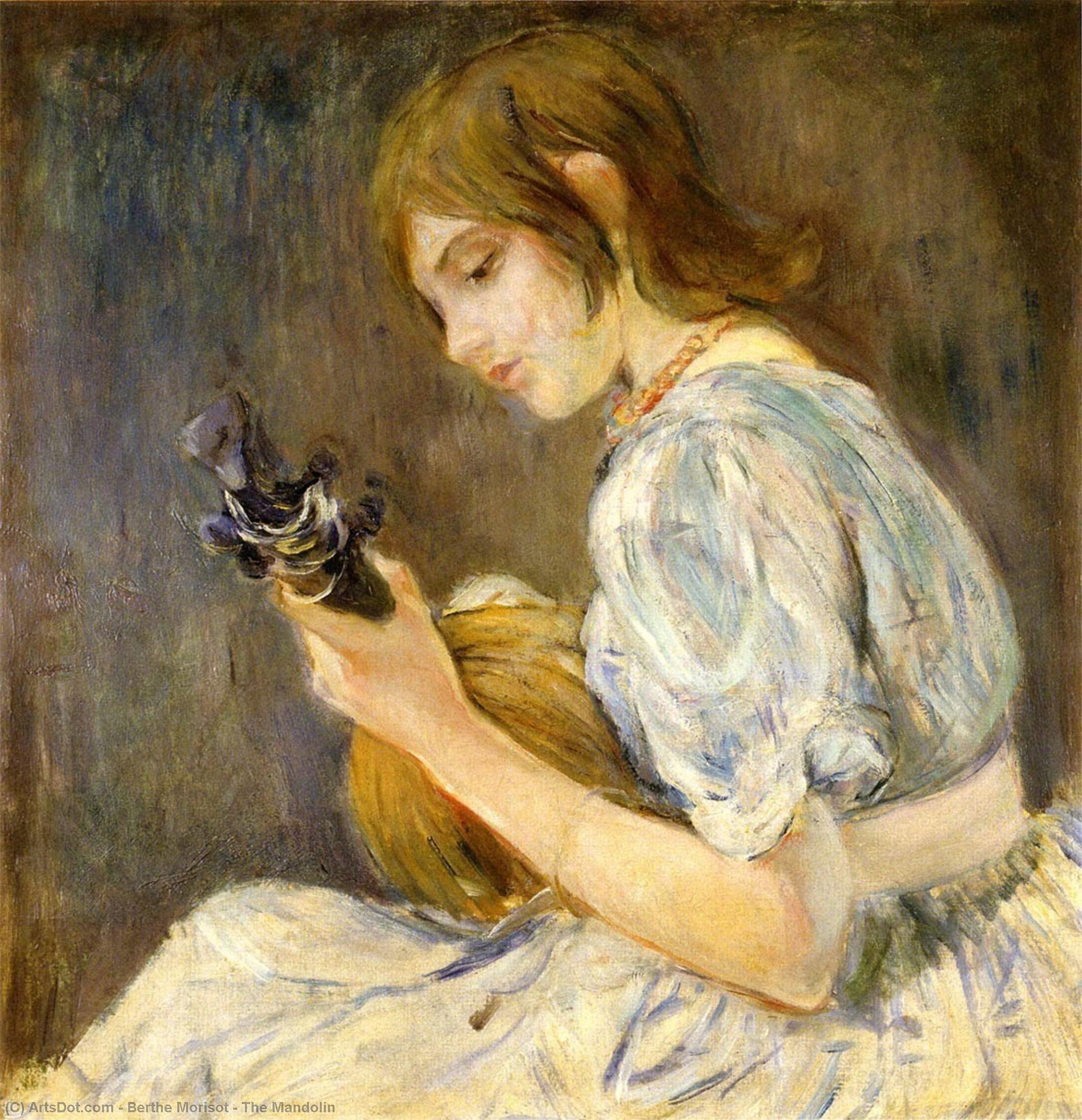
The Mandolin


 Читать далее
Масляная репродукция ручной работы
Картина маслом на холсте в выбранном вами размере и раме, написанная на заказ нашими художниками. ( Купить принт Купить изображение)




P118B $10

P118H $10

P118W $10

P438Z $10

P508JH $12

P508YH $12

P805H $10

P805Z $10

P919BZ $10

P919G $10

P919XJ $10

P959ZH $10

P968JZ $12

W106C $8

W218G $10

W218JH $8

W218Y $10

W307PJ $10

W316G $10

W316PJ $8

W316Y $10

W398PJ $8

W4111J $10

W500HY $15

W500JH $15

W692G $12

W849H $8

W940BG $15

W953PJ $8




Выберите один из наших стандартных размеров, соответствующих оригинальным пропорциям произведения искусства.

Вы можете указать собственные размеры, чтобы картина идеально вписалась в выбранную раму или пространство. Если выбранный вами размер не соответствует пропорциям оригинала, мы либо обрежем полотно, либо расширим его за счет дополнительных элементов, написанных вручную. Цифровой макет будет отправлен вам на утверждение перед началом производства.
Обратите внимание, что предварительный просмотр на экране не отражает фактическую обрезку или расширение. Только макет точно покажет окончательную композицию.
Хотя доступны индивидуальные размеры, мы рекомендуем выбирать вариант из предопределенного списка, чтобы сохранить исходные пропорции.
После оформления заказа команда ArtsDot.com свяжется с клиентом по электронной почте для уточнения деталей и предоставит предварительный макет
Доставка по всему миру () за 3–4 недели вместо стандартных 5 недель. (16 Август). Без компромиссов в качестве.

Бесплатная экспресс-доставка по всему миру

Высококачественный льняной холст

Полное страхование доставки

Гарантия возмещения таможенных пошлин

Гарантия точного соответствия цветов

Политика возврата в течение 60 дней (только при наличии дефектов)

Гарантия возврата 100% средств

Предложение оптовых скидок
 Вариант со стеклом доступен только для размеров менее 110 см

The Mandolin
Техника репродукции
Размер репродукции
-


Итоговая стоимость
$ 263
Описание произведения
A Symphony of Light and Intimacy
In the delicate brushstrokes of Berthe Morisot’s The Mandolin, we find ourselves transported to a private, melodic moment captured within the fleeting essence of the Impressionist era. The painting presents a captivating portrait of a woman, her form gracefully entwined with the wooden curves of her instrument. As she cradles the mandolin, her gaze drifts away from the music, suggesting a profound internal monologue or perhaps a momentary distraction by the world around her. This sense of captured movement—a breath held, a note suspended—is the hallmark of Morisot’s genius. The presence of figures in the soft-focus background adds a layer of social texture, creating a scene that feels less like a posed studio portrait and more like an intimate glimpse into a lively, breathing Parisian afternoon.
The technique employed in this masterpiece is a testament to the revolutionary spirit of 1889. Morisot utilizes a fluid, almost ethereal application of paint, where edges blur and light seems to dance across the canvas. Rather than relying on harsh outlines, she uses patches of color and rhythmic strokes to define the woman's long, flowing hair and the elegant shimmer of her necklace. This approach allows the subject to merge harmoniously with her environment, embodying the Impressionist obsession with the transient nature of light. For the discerning collector or interior designer, this piece offers a sophisticated interplay of texture and luminosity, making it an ideal focal point for spaces that require a touch of classical elegance blended with modern, airy movement.
Symbolism and the Impressionist Soul
Beyond its visual beauty, The Mandolin serves as a profound exploration of femininity and the domestic sphere through an artistic lens. The mandolin itself acts as more than just a musical prop; it symbolizes the harmony between art and life, and the rhythmic pulse of human emotion. Morisot, a pioneer who navigated the complexities of being a woman in a male-dominated movement, imbues her subjects with a quiet strength and intellectual depth. There is a subtle tension in the way the subject interacts with her surroundings—a balance between the private world of melody and the public presence of the figures in the background.
For those looking to adorn a curated collection or a high-end residential space, this reproduction offers an emotional resonance that transcends mere decoration. It invites the viewer to slow down, to listen to the silent music within the frame, and to appreciate the delicate beauty of a moment preserved forever in oil. The painting’s palette, characterized by its soft tones and luminous highlights, brings a sense of calm and cultured sophistication to any room, serving as a timeless window into the heart of French Impressionism.
Похожие произведения


Биография художника
A Life Immersed in Light and Intimacy
Berthe Morisot, born in Bourges, France, in 1841, stands as a remarkably significant figure within the Impressionist movement – yet her story transcends simply being labeled a “female Impressionist.” To reduce her artistic vision to gender alone diminishes the profound originality of her approach and her unwavering dedication to capturing the fleeting moments of modern life. Her lineage traces back to a distinguished artistic family; she was related to the celebrated Rococo painter Jean-Honoré Fragonard, providing her with an early connection to the world of art. She received an education uncommon for women of her era – one that nurtured her innate talent and fostered a lifelong commitment to painting. Initial lessons with Geoffroy-Alphonse Chocarne and Joseph Guichard provided foundational skills, but it was exposure to the masterpieces housed within the Louvre, meticulously copying works by Old Masters, that truly ignited her artistic sensibility. This period of rigorous training laid the groundwork for her later explorations of light, color, and form – a deep understanding of technique combined with an appreciation for established styles. Crucially, she encountered the influence of Jean-Baptiste-Camille Corot, whose emphasis on *plein air* painting – working directly from nature outdoors – became a cornerstone of Morisot’s artistic practice. This approach allowed her to capture the ephemeral qualities of light and atmosphere with extraordinary sensitivity, becoming a defining characteristic of her work.Navigating the Impressionist Circle
Morisot's artistic journey was inextricably linked to that of Édouard Manet, whom she met in 1864. Their relationship blossomed into one of mutual respect and intellectual exchange; Manet served as both a mentor and a close friend, frequently painting her portrait and incorporating her presence within his evolving style. However, Morisot’s role extended far beyond being merely a subject; she actively participated in the burgeoning Impressionist movement, becoming a founding member alongside Monet, Degas, Renoir, and Pissarro. In 1874, she boldly exhibited with this group of “rejected” artists at the first Impressionist exhibition, defying the conservative standards upheld by the official Salon. This pivotal event marked a significant challenge to established artistic norms, demonstrating a willingness to embrace new approaches and paving the way for future generations of avant-garde painters. Morisot’s participation signaled a shift in the art world, moving away from academic traditions towards a more subjective and immediate representation of reality. Her commitment to this movement was unwavering; she continued to exhibit with the Impressionists throughout the 1870s and 1880s, consistently showcasing her unique perspective and solidifying her position within the group.A Distinctive Artistic Voice
What truly distinguishes Berthe Morisot’s work is not simply *what* she depicted but *how* she painted it – her distinctive technique and approach to capturing light and emotion. Her brushwork is characterized by a remarkable delicacy and fluidity, conveying an impression of spontaneity and immediacy. Unlike many of her contemporaries who focused on grand landscapes or bustling cityscapes, Morisot often chose intimate interior scenes and portraits, exploring the nuances of human relationships and the quiet beauty of everyday life. Her palette is typically soft and harmonious, favoring pastel shades and subtle gradations of color – a deliberate choice that contributes to the overall atmosphere of her paintings. A key element of her style was the use of *broken color* – applying small strokes of pure pigment side-by-side rather than blending them together, creating a shimmering effect of light and atmosphere. This technique, combined with her loose brushwork, gives her paintings a sense of vibrancy and movement. Furthermore, Morisot’s compositions are often asymmetrical and unconventional, reflecting the fleeting nature of modern life and challenging traditional notions of balance and harmony.Themes and Subject Matter
Morisot's artistic focus frequently centered on domestic scenes – women reading, mothers with children, leisurely moments spent in gardens or at social gatherings. These intimate portrayals offered a distinctly feminine perspective, exploring themes of motherhood, family, and female companionship. Her paintings are not merely representations of these subjects; they capture the subtle emotions, fleeting expressions, and quiet interactions that define human relationships. She skillfully depicted the play of light on fabrics, the delicate details of clothing, and the intimate gestures of her subjects – all rendered with remarkable sensitivity and precision. While she occasionally painted landscapes, it was her ability to convey emotion and atmosphere through portraits and domestic scenes that truly defined her artistic legacy. Her work offers a glimpse into the private lives of women in 19th-century France, revealing their roles as mothers, wives, and members of society.Legacy and Historical Significance
Berthe Morisot’s life was tragically cut short in 1895, but her artistic legacy endures. Married to Eugène Manet, brother of Édouard, she navigated a world that often underestimated female artists, yet she persevered with unwavering determination. She exhibited under her full maiden name – a subtle act of independence and self-assertion – and consistently challenged conventional expectations. Her work continues to captivate audiences today, celebrated for its delicate beauty, emotional honesty, and innovative technique. Morisot’s influence extends beyond the realm of Impressionism; she paved the way for future generations of female artists, demonstrating that women could achieve artistic excellence and contribute meaningfully to the evolution of art history. Her paintings are held in prestigious collections around the world, serving as a testament to her enduring talent and her pivotal role in shaping modern art – a quiet revolution captured on canvas.
Берта Моризо
1841 - 1895 , Франция
Основные сведения
- Artistic Movement Or Style: Импрессионизм
- Artists Or Movements Influenced By This Artist: ['Манэ']
- Artists Who Influenced This Artist:
- Коро
- Манэ
- Date Of Birth: 14 января 1841
- Date Of Death: 2 марта 1895
- Full Name: Берта Моризо
- Nationality: Французская
- Notable Artworks:
- Женщина в зеленом платье
- Колыбель
- Летний день
- Place Of Birth: Бурж, Франция
Похожие статьи

Beyond the Shadows: The Powerful Legacies of Artemisia Gentileschi and Berthe Morisot
Explore the profound legacies of Artemisia Gentileschi and Berthe Morisot. Discover how these female masters redefined the Baroque and Impressionist eras through dramatic chiaroscuro and luminous light, leaving an indelible mark on art history and modern aesthetics.
Harmonies on Canvas: Exploring the Visual Representation of Music in Art History
Explore the fascinating history of music's visual representation in art! From ancient symbolism to modern abstraction, discover how artists have captured sound and emotion on canvas. Expert insights & stunning examples.

Impressionistic Realism's Finest: 10 Masterpieces for Your Home | ArtsDot
Journey through Impressionistic Realism with 10 iconic masterpieces by Monet, Renoir & Van Gogh. Explore art history, techniques & find museum-quality reproductions for your home at ArtsDot.com. Discover all masterpieces online!
Топ-10 шедевров импрессионизма: пейзажи, изменившие искусство | ArtsDot
Погрузитесь в мир импрессионизма! Откройте 10 шедевров Моне, Ренуара и других великих художников. Узнайте историю создания культовых пейзажей и вдохновитесь для декора вашего дома. Репродукции картин высокого качества на ArtsDot.com.

Топ-10 шедевров импрессионизма: пейзажи, изменившие искусство | ArtsDot
Погрузитесь в мир импрессионизма! Откройте топ-10 шедевров Моне, Ренуара и других великих художников. Узнайте историю создания культовых пейзажей и вдохновитесь для декора интерьера. Репродукции картин высокого качества на ArtsDot.com



