


 Отправить
 Поделиться
 Подробнее
 Руководство

 Скачать
 Похожие объекты
 Слайд-шоу
 Статистика
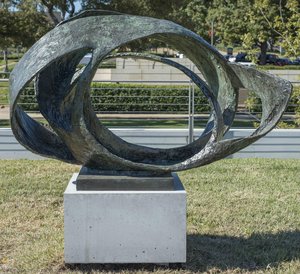
Rhythmic Form


 Развернуть текст
Произведение искусства, представленное на этой странице, защищено законом об авторском праве, что исключает возможность законного создания или продажи его точной репродукции. Данная защита обеспечивается международными соглашениями, такими как Бернская конвенция и национальным законодательством, включая положения, изложенные в Закон США об авторском праве — Раздел 17.
Этот метод полностью соответствует нормам авторского права, так как он не предполагает копирования или дублирования защищенного произведения. Напротив, это творческая реинтерпретация — создание новой картины, которая вдохновлена оригиналом, но не является его точной копией.
Жикле / Арт-принты
Печать (жикле) или холст музейного качества с быстрыми сроками изготовления и широким выбором вариантов отделки. ( Заказать репродукцию ручной работы Перейти к цифровым изображениям)




































Выберите один из наших стандартных размеров, соответствующих оригинальным пропорциям произведения искусства.

Введите необходимую ширину и высоту, чтобы репродукция подошла к вашей раме или стене. При печати изображение можно только уменьшить, но нельзя увеличить больше оригинала, поэтому при выборе другого формата часть изображения может быть обрезана. Перед печатью мы отправим вам цифровой макет на утверждение. Изображение на этой странице не отображает реальную обрезку — ее можно увидеть только на макете.
Доставка по всему миру () за 2 недели вместо стандартных 4–5 недель. (24 Октябрь)

Бесплатная экспресс-доставка по всему миру

Высококачественный льняной холст

Полное страхование при транспортировке

Гарантия возврата таможенных пошлин

Гарантия точного цветового соответствия

100-дневный период возврата (только при обнаружении дефектов)

Гарантия возврата 100% средств

Скидка при заказе нескольких работ
 Вариант со стеклом доступен только для размеров менее 110 см

Rhythmic Form
Жикле / Арт-принты
Размер репродукции
-


Итоговая стоимость
$ 62
Rhythmic Form: A Dialogue Between Space and Spirit
Barbara Hepworth’s “Rhythmic Form,” created in 1949, stands as a testament to the profound influence of Surrealist ideas on British sculpture during World War II. More than just an aesthetically pleasing object, it embodies Hepworth's unwavering belief that sculpture could translate thought into tangible form—a conviction deeply rooted in her engagement with artists like Arp and Brancusi who championed direct carving and explored the relationship between art and nature. The piece itself is a striking example of Hepworth’s signature style: monumental forms sculpted from wood, meticulously shaped to evoke movement and resonance. Its central hole isn't merely an incision; it’s a deliberate gesture that seeks to unify opposing forces—a visual metaphor for Hepworth’s exploration of duality and balance within the creative process.- Material & Technique: Crafted from Rosewood, “Rhythmic Form” utilizes a technique honed during Hepworth's formative years in Paris – a method characterized by careful consideration of material properties and an intuitive understanding of how form interacts with space. The sculptor’s hand meticulously removes wood shavings to reveal the underlying structure, resulting in a surface that is both smooth and subtly textured.
- Historical Context: Hepworth's work emerged from a period marked by significant artistic experimentation and intellectual ferment. The Unit One group—which included Nicholson, Gabo, and Nash—challenged conventional sculptural approaches, prioritizing abstraction and responding to the anxieties of wartime Britain with an embrace of geometric forms and organic shapes.
- Symbolism & Inspiration: Hepworth drew inspiration from Neolithic Menhirs – monolithic stones erected as memorials to ancient rituals – recognizing their ability to convey timelessness and spiritual significance. She likened her sculptures to these stones, emphasizing the desire for them to “furnish a means of egress for the soul,” reflecting her belief in sculpture’s capacity to transcend mere visual representation.
- Hepworth's Philosophy: Hepworth famously described sculpture as "the plastic projection of thought," highlighting its role in capturing intangible ideas and emotions. She insisted that the work should “put no pressure on anything,” signifying a rejection of didacticism and an affirmation of art’s autonomy—a stance that aligns with her broader philosophical commitment to embracing spontaneity and responding authentically to the material at hand.
- Legacy & Influence: Hepworth's pioneering approach to sculpture continues to inspire artists today, particularly those interested in exploring spatial relationships and investigating the interplay between form and gesture. Her enduring impact is evident in the work of subsequent sculptors who adopted similar techniques and pursued similar conceptual concerns—a legacy cemented by her inclusion in Tate’s collection and celebrated as a cornerstone of British Modernism.
Вопросы и ответы
Насколько сильно цвета в произведении «Rhythmic Form» кажутся отражающими свет?
Цвета произведения «Rhythmic Form» обладают Luminous яркостью.
В каком году было создано произведение «Rhythmic Form», Барбара Хэпворд?
Создание «Rhythmic Form», Барбара Хэпворд датируется 1949 годом.
Какой размер печати Rhythmic Form лучше всего подойдет для моей комнаты?
Для помещения Living Room для работы «Rhythmic Form» рекомендуется размер печати Large.
Похожие произведения



Биография художника
Ранние годы и образование
Дама Барбара Хэпворд, выдающаяся английская художница и скульптор, родилась 10 января 1903 года в Уэйкфилде, Йоркшир. Ее путь в мир искусства начался с обучения в Лидской школе искусств в 1920 году, а позже она получила престижную окружную стипендию для учебы в Королевском колледже искусств (RCA) в Лондоне, где занималась с 1enc1921 года и успешно завершила обучение, получив диплом в 1924 году.Творческая карьера
- Творчество дамы Барбары Хэпворд является воплощением модернизма, особенно в его скульптурном проявлении; она стала одной из немногих женщин-художниц, достигших мирового признания.
- В 1933 году она выступила соосновательницей художественного движения «Unit One» вместе с Беном Николсоном, Полом Нэшем и другими коллегами, стремясь объединить сюрреализм и абстракцию в британском искусстве.
- Ранние работы Хэпворд отличались выраженной абстрактностью и были тесно связаны с ее участием в парижском художественном движении «Abstraction-Création».
Знаковые произведения и выставки
- Бронзовая скульптура «Овальная форма (Trezion)» входит в коллекцию Музея искусств Кимбелл в Форт-Уорте, США. (просмотреть на ArtsDot)
- Скульптура «Две формы» экспонируется в музее Хэпворд Уэйкфилд в Уэйкфилде, Великобритания. (просмотреть на ArtsDot)
- Мраморная скульптура «Тотем» также является частью коллекции Хэпворд Уэйкфилд. (просмотреть на ArtsDot)
Наследие и музейные коллекции
Работы Барбары Хэпворд получили всеобщее признание, а ее скульптуры и живопись стали важной частью различных музейных собраний по всему миру. Музей Хэпворд Уэйкфилд, названный в честь самой художницы, хранит многочисленные шедевры прославленных мастеров, включая собственные работы Хэпворд. (узнать больше о музее Хэпворд Уэйкфилд на ArtsDot)Заключение
Дама Барбара Хэпворд своим новаторским трудом в современной британской скульптуре оставила неизгладимый след в истории искусства. Ее наследие продолжает вдохновлять художников и ценителей прекрасного, а ее произведения остаются живым свидетельством ее новаторского духа и художественного гения. узнать больше о Барбаре Хэпворд на Wikipedia
Барбара Хэпворд
1903 - 1975 , Великобритания
Краткая справка
- Artistic Movement Or Style: Модернизм
- Artists Or Movements Influenced By This Artist: ['Абстракция']
- Artists Who Influenced This Artist:
- Генри Мор
- Наум Габо
- Date Of Birth: 10 января 1903 г.
- Date Of Death: 20 мая 1975 г.
- Full Name: Jocelyn Barbara Hepworth
- Nationality: Английская
- Notable Artworks:
- Овальная форма
- Две формы
- Place Of Birth: Уикфорд, Англия
Похожие статьи

Топ-25 шедевров Василия Кандинского: Абстрактное искусство для вашего интерьера
Погрузитесь в мир абстрактного искусства с Василием Кандинским! 25 шедевров экспрессионизма, баухауса и русского авангарда. Репродукции картин Кандинского для вдохновения и декора вашего интерьера. Откройте всю коллекцию на ArtsDot.com

The Enduring Form: Exploring Themes & Techniques in Sculpture Across Historical Periods
Explore the rich history of sculpture from ancient masterpieces to contemporary innovations. Discover key techniques, influential artists & investment potential for discerning art collectors.

Геометрическая абстракция: 10 шедевров, изменивших искусство | ArtsDot.com
Погрузитесь в мир геометрической абстракции! От Кандинского до Малевича – 10 шедевров, изменивших искусство. Узнайте историю создания и значение культовых картин. Репродукции музейного качества на ArtsDot.com. Вдохновение для вашего интерьера!

10 легендарных бронзовых скульптур, изменивших искусство навсегда | ArtsDot
Погрузитесь в мир великих бронзовых скульптур! От Давида Микеланджело до работ Родена – история искусства, техники и вдохновения. Купите репродукции шедевров для вашего интерьера на ArtsDot.com

Barbara Hepworth: A Sculptural Dialogue with Form, Space & the Human Condition
Explore the profound world of Barbara Hepworth's sculpture. Discover her artistic evolution, iconic forms, and lasting influence on modern art. A guide for collectors & enthusiasts.


