

 Предпросмотр
 Поделиться
 Поделиться
 Детали произведения

 Скачать
 Похожие работы
 Рентгенография
 Слайд-шоу
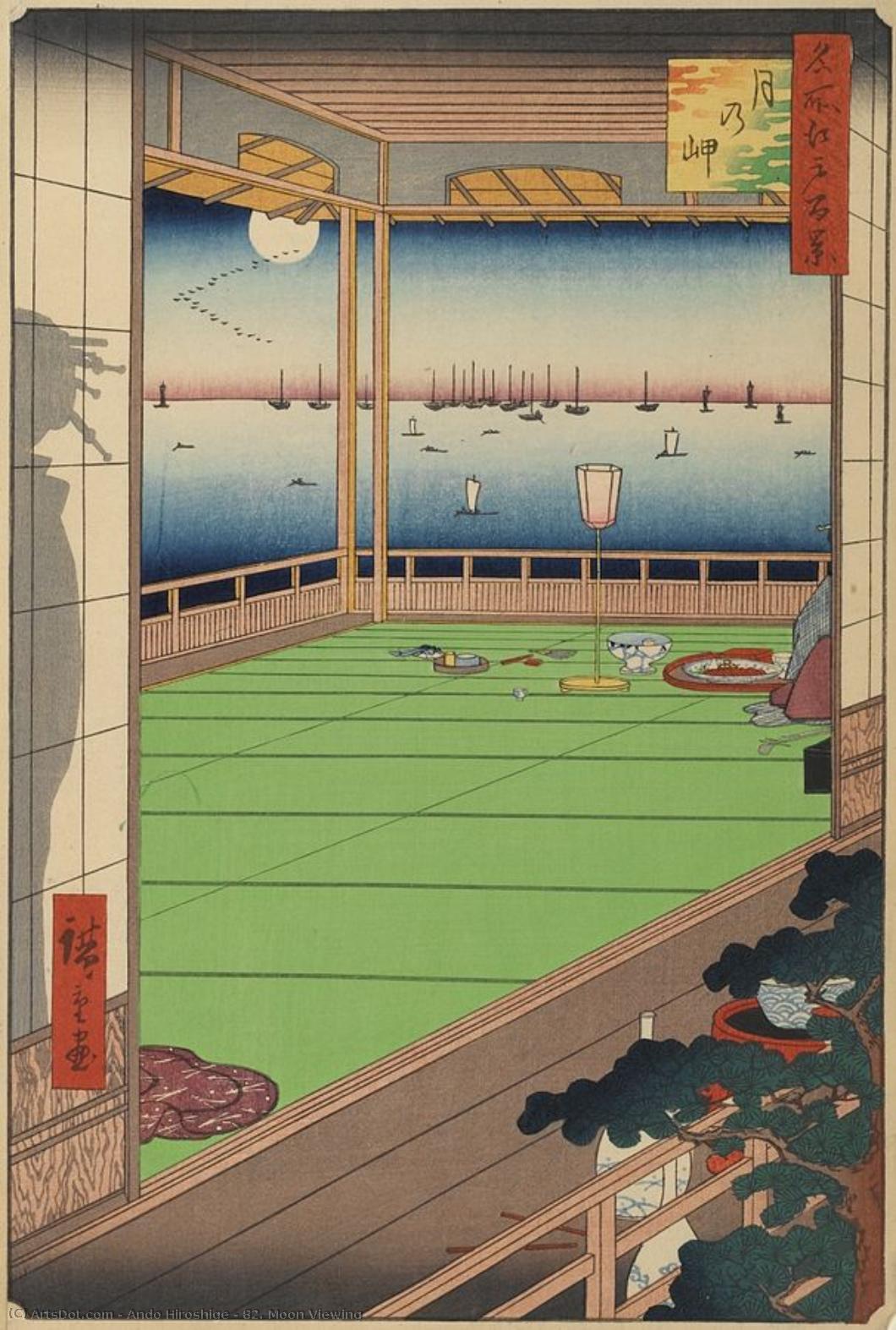
82. Moon Viewing


 Читать далее
Жикле / Арт-принт
Печать (жикле) или холст музейного качества с быстрыми сроками изготовления и широким выбором вариантов отделки. ( Купить картину ручной работы Купить изображение)




P118B $10

P118H $10

P118W $10

P438Z $10

P508JH $12

P508YH $12

P805H $10

P805Z $10

P919BZ $10

P919G $10

P919XJ $10

P959ZH $10

P968JZ $12

W106C $8

W218G $10

W218JH $8

W218Y $10

W307PJ $10

W316G $10

W316PJ $8

W316Y $10

W398PJ $8

W4111J $10

W500HY $15

W500JH $15

W692G $12

W849H $8

W940BG $15

W953PJ $8




Выберите один из наших стандартных размеров, соответствующих оригинальным пропорциям произведения искусства.

Вы можете указать свои собственные размеры, чтобы репродукция идеально подошла под конкретную раму или пространство. Если выбранный вами размер не будет соответствовать пропорциям оригинала, мы либо обрежем произведение, либо дополним изображение зеркальным отражением краев или однотонной заливкой. Перед началом производства вам будет отправлен цифровой макет для утверждения.
Пожалуйста, обратите внимание, что предварительный просмотр на экране не отображает фактическую обрезку или расширение изображения. Только макет точно покажет финальную композицию.
Несмотря на возможность заказа индивидуальных размеров, мы рекомендуем выбирать размер из предопределенного списка, чтобы сохранить оригинальные пропорции.
Доставка по всему миру () за 2 недели вместо стандартных 4/5 недель. (19 Август)

Бесплатная экспресс-доставка по всему миру

Высококачественный льняной холст

Полное страхование доставки

Гарантия возмещения таможенных пошлин

Гарантия точного соответствия цветов

Политика возврата в течение 60 дней (только при наличии дефектов)

Гарантия возврата 100% средств

Предложение оптовых скидок
 Вариант со стеклом доступен только для размеров менее 110 см

82. Moon Viewing
Жикле / Арт-принт
Размер репродукции
-


Итоговая стоимость
$ 62
Описание предмета коллекционирования
A Serene Escape: Ando Hiroshige’s “82. Moon Viewing”
- Subject & Composition: This exquisite ukiyo-e woodblock print transports viewers to a tranquil scene of Edo-era Japan, capturing the intimate atmosphere of a tea ceremony unfolding on a veranda. Hiroshige masterfully divides the composition into distinct layers: the foreground showcasing the delicate architecture and garden setting; the midground focusing on the veranda itself, inviting us into the space; and the background revealing a breathtaking vista of sky and distant mountains. The perspective, characteristic of the Ukiyo-e style, is intentionally flattened, creating depth through skillful layering and atmospheric effects.
- Artistic Style & Technique: “82. Moon Viewing” exemplifies Hiroshige’s mastery of ukiyo-e – "pictures of the floating world." The print showcases his signature poetic sensibility and emotional landscapes. Created using traditional woodblock techniques, the image was meticulously carved onto a wooden block, inked, and then pressed onto Japanese mulberry paper (washi). This process results in a slightly grainy texture and allows for nuanced variations in line weight – from bold outlines defining structures to delicate strokes rendering foliage. The layering of colors achieves subtle tonal shifts and atmospheric depth.
- Historical Context & the “One Hundred Famous Views of Edo” Series: Created in 1857, this print is part of Hiroshige’s celebrated series, “One Hundred Famous Views of Edo” (formerly Tokyo). This ambitious project aimed to depict iconic locations within the city and its surrounding landscapes. The series was immensely popular, not only in Japan but also internationally, influencing Western artists like Monet, Van Gogh, and Degas with its innovative compositions and atmospheric effects. It provides a valuable glimpse into daily life and cultural practices of 19th-century Japan.
- Symbolism & Meaning: The artwork is rich in symbolic meaning. The prominent moon represents serenity, reflection, and the passage of time – themes central to Japanese aesthetics. The tea ceremony itself embodies harmony, respect, purity, and tranquility—core tenets of Zen Buddhism and Japanese culture. The natural landscape, rendered with delicate precision, underscores the importance of nature in Japanese spirituality and artistic expression. The overall scene evokes a sense of peaceful contemplation and escape from the bustling city life.
- Color Palette & Emotional Impact: A harmonious palette of greens, blues, and browns dominates the print, fostering a calming and tranquil atmosphere. The soft, diffused lighting suggests either an overcast day or twilight, enhancing the sense of serenity and introspection. “82. Moon Viewing” is not merely a depiction of a place; it’s an evocation of a mood – a feeling of quietude, harmony, and connection with nature.
- For Collectors & Interior Designers: This print offers timeless elegance and cultural significance. Its serene composition and muted color palette make it a versatile addition to any interior space, complementing both traditional and contemporary décor. A reproduction of “82. Moon Viewing” can bring a touch of Japanese artistry and tranquility into homes, offices, or galleries, serving as a focal point for contemplation and aesthetic appreciation.
Похожие произведения


Биография художника
A Poetic Vision of Edo Japan: The Life and Art of Ando Hiroshige
Ando Hiroshige, born Andō Tokutarō in 1797 within the vibrant heart of Edo (modern Tokyo), wasn’t initially destined for a life immersed in the world of art. His lineage traced back to samurai roots—a legacy of honor and duty—yet fate intervened with a poignant shift. The untimely loss of his parents during his childhood propelled him into an apprenticeship under Utagawa Toyohiro, a highly respected figure within the *ukiyo-e* tradition – a captivating realm of woodblock prints that captured the ephemeral beauty of everyday Japanese life. This unexpected turn set in motion a remarkable artistic journey, transforming a young orphan into one of Japan’s most celebrated and influential artists. Early works didn't immediately garner widespread acclaim, but Hiroshige diligently honed his skills, patiently refining his technique and steadily building a path toward recognition. He even briefly fulfilled familial obligations as a fire warden – a stark contrast to the delicate landscapes that would ultimately define his enduring legacy. This unique blend of responsibility and burgeoning artistic passion shaped a distinctive perspective, deeply attuned to both the grandeur and the quiet moments of Edo society.Landscapes That Breathe: Hiroshige’s Artistic Development
Hiroshige's true breakthrough arrived with his unwavering dedication to landscape prints – a genre that was, at the time, considered somewhat secondary within the *ukiyo-e* world. He didn’t simply replicate what he saw; instead, he imbued his scenes with an emotional resonance that deeply moved audiences. His work wasn’t merely about depicting places; it was about capturing the *feeling* of being in those locations – the gentle mist clinging to Mount Fuji, the bustling energy of the Tokaido Road, the serene beauty of a plum orchard bursting into bloom. His series became windows into the soul of Japan. The iconic “Thirty-Six Views of Mount Fuji” stands as a testament to this mastery, presenting the sacred mountain from countless perspectives – each revealing a unique facet of its symbolic power and spiritual significance. Equally celebrated is "Fifty-Three Stations of the Tokaido," a meticulously detailed chronicle of the vital trade route connecting Edo and Kyoto. These weren’t just maps; they were vibrant snapshots of life in motion, capturing the travelers, merchants, and landscapes that defined this crucial artery of Japanese commerce. One Hundred Famous Views of Edo, his most ambitious undertaking, offered a panoramic vision of the capital city – showcasing its diverse neighborhoods, scenic vistas, and cultural landmarks with unparalleled detail and sensitivity. Hiroshige’s innovative use of color—often achieved through multiple printing impressions—and his subtle manipulation of light and shadow created an atmosphere of remarkable depth and realism.The Influence of Japonisme: A Bridge to the West
By the late 19th century, as Japan began its journey toward modernization, Hiroshige’s art embarked on an extraordinary voyage westward, becoming a cornerstone of the *Japonisme* movement that captivated Europe. European artists – including Monet, Van Gogh, and Degas – were utterly mesmerized by the unique aesthetic sensibilities of Japanese prints. They eagerly absorbed Hiroshige's innovative techniques, his masterful use of color palettes, and his distinctive compositional approaches. The impact was profound: Western painters began to emulate Hiroshige’s style, incorporating elements of *ukiyo-e* into their own work. Vincent van Gogh, deeply moved by Hiroshige’s ability to capture the fleeting beauty of nature, created his own interpretations of several prints – demonstrating a clear admiration for the Japanese master's poetic vision. Claude Monet, another leading figure in Impressionism, also drew inspiration from Hiroshige’s atmospheric effects and emphasis on capturing ephemeral moments. The influence extended beyond painting; elements of Hiroshige’s designs can be seen in the flowing lines and natural motifs of Art Nouveau – a testament to his enduring artistic legacy. Hiroshige's work wasn't merely copied but served as a catalyst for artistic innovation, prompting Western artists to re-evaluate their own approaches to color, composition, and subject matter.A Lasting Legacy: Hiroshige’s Historical Significance
Ando Hiroshige passed away in 1858, leaving behind a body of work that continues to captivate and inspire art lovers worldwide. He is often regarded as the last great master of *ukiyo-e*, marking a significant turning point in Japanese art history. His emphasis on landscape, his poetic sensibility, and his innovative use of color and composition set him apart from his contemporaries and paved the way for future generations of artists.- His prints offer invaluable insights into life in Edo-period Japan – capturing its bustling markets, serene temples, and everyday customs.
- He elevated landscape painting to new heights within the *ukiyo-e* tradition, transforming it from a simple depiction of scenery into a powerful expression of emotion and atmosphere.
- His work played a crucial role in introducing Japanese art and aesthetics to the West – sparking a global fascination with Japanese culture and inspiring countless artists.

Андро Хиросиге
1797 - 1858 , Япония
Основные сведения
- Artistic Movement Or Style: *Ukiyo-e*
- Artists Or Movements Influenced By This Artist:
- Моне
- Ван Гог
- Artists Who Influenced This Artist:
- Toyohiro
- Hokusai
- Date Of Birth: 1797
- Full Name: Andō Hiroshige
- Nationality: Японский
- Notable Artworks:
- 36 видов Фудзи
- 53 станции Тōkaidō
- 100 знаменитых видов Эдо
- Place Of Birth: Токио, Япония
Похожие статьи

Топ-25 шедевров Кацусики Хокусая: Искусство Японии для вашего интерьера
Погрузитесь в мир гения Кацусики Хокусая! 25 легендарных гравюр укиё-э, включая "Великую волну". История искусства Японии и вдохновение для вашего интерьера. Репродукции высокого качества на ArtsDot.com.

Ukiyo-e's Greatest Hits: 10 Masterpieces That Shaped a Movement | ArtsDot
Journey into Japan's 'Floating World'! Explore 10 Ukiyo-e masterpieces by Hokusai, Hiroshige & more. Discover the stories behind these iconic woodblock prints and bring timeless Japanese art to your home with ArtsDot.com. Explore the full collection online.

Ukiyo-e's Poetic Visionary: Hiroshige Ando & the Transformation of Landscape in 19th-Century Japan
Explore the life & art of Ando Hiroshige, Japan's last great ukiyo-e master. Discover his iconic landscapes, poetic style, and profound influence on Western Impressionism. Learn about The Fifty-Three Stations & more!

Ukiyo-e: Exploring Japan's Floating World & Enduring Artistic Legacy
Explore the captivating world of Ukiyo-e – Japan's iconic woodblock prints! Discover masters like Hokusai & Hiroshige, learn about Edo period culture, and find expert art collecting guidance at ArtsDot.
The Enduring Legacy of Woodblock Printmaking: Technique, History & Artistic Expression
Explore the rich history of woodblock printmaking – from ancient techniques to Ukiyo-e masterpieces. Discover expert insights on collecting, preserving & appreciating this enduring art form.

