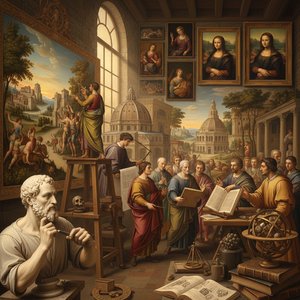
Palazzo Quirinale: A Symphony of Power and Art
The Palazzo Quirinale breathes with Italian history—a palpable legacy etched into its sandstone walls and echoing through its opulent halls. Rising majestically atop Monte Cavallo, Rome’s highest hill, it stands as a testament to centuries of papal grandeur, regal ambition, and the evolving spirit of the nation itself. More than just a building, it's a living chronicle, meticulously preserved and now welcoming visitors eager to immerse themselves in its extraordinary narrative.
-
Origins & Founding Myth:
Legend recounts Romulus and Remus—sons of Mars—abandoned as infants and nurtured by a she-wolf—establishing Rome around 753 BC. This myth embodies the Roman ethos of resilience and divine favor, reflected in the earliest monuments adorning the hill.
-
Early Kings & Expansion:
From the Etruscan kings onward, Rome steadily consolidated its dominion over central Italy, forging alliances and waging wars that shaped the peninsula’s political landscape. The Regia palace—constructed during this period—served as a symbol of royal authority and religious observance.
-
The Roman Republic & Architectural Innovation:
The overthrow of Etruscan rule ushered in an era of republican governance, marked by civic virtue and military prowess. Domenico Fontana spearheaded the construction of monumental structures like Castelporziano Palace and Villa Borghese Gardens, demonstrating Rome’s mastery of engineering and shaping its urban identity.
-
Imperial Splendor & Artistic Patronage:
The ascension of Augustus inaugurated a golden age of imperial splendor—characterized by artistic patronage and architectural innovation. Carlo Maderno and Gian Lorenzo Bernini transformed Piazza Navona into a baroque masterpiece, embodying the grandeur and theatricality of the Roman Empire.
-
The Quirinale Today:
Since 1946, Palazzo Quirinale has served as the official residence of Sergio Mattarella, President of Italy—a symbol of continuity and stability amidst turbulent times. Contemporary art exhibitions continue to enrich its collections, fostering dialogue between past and present and reaffirming Rome’s role as a cultural crossroads.
A Tapestry of Art and Architectural Grandeur
Stepping inside Palazzo Quirinale feels akin to entering a living museum—a carefully curated journey through Roman artistic evolution. Vast halls unfold one after another, adorned with breathtaking frescoes and sculptures that recount Italy’s artistic heritage. The palace doesn't simply *house* art; it *is* art. Celebrated Italian masters have left their indelible mark on these walls, creating a visual feast for the discerning eye. Among the most renowned spaces is the Hall of Mirrors—a dazzling display of ornamentation and historical significance where echoes of past state occasions seem to linger in the air. Beyond these celebrated masterpieces lies a wealth of lesser-known treasures—historic furnishings, intricate tapestries, and an exquisite collection of porcelain that collectively paint a vivid portrait of Italian life through the ages.
Notable Exhibitions:
-
“Quirinale Contemporaneo”: Launched in 2019, this ongoing project showcases works by prominent Italian artists—Giorgio de Chirico, Lucio Fontana, Arnaldo Pomodoro and many others—creating a dynamic dialogue between artistic traditions and contemporary perspectives.
-
Recurring exhibitions explore themes of Roman history, art, and culture, attracting scholars and visitors alike from around the globe.
Gardens Offering Panoramic Vistas
Beyond the opulent interiors, Palazzo Quirinale boasts beautifully maintained gardens—a tranquil oasis overlooking Rome’s skyline. Spanning approximately four hectares, these gardens are a testament to Italian landscape design—featuring geometric flowerbeds, rare tree species, and enchanting pergolas. The Fontana dell'Organo—a remarkable fountain with a still-functioning mechanical organ—adds a touch of whimsical charm. From various vantage points within the gardens, visitors can enjoy breathtaking panoramic views of St. Peter’s Basilica and the Colosseum—capturing the essence of Rome’s iconic landmarks.
A Legacy Preserved
The Palazzo Quirinale stands as a powerful symbol of Italy’s rich cultural heritage—a place where history breathes alongside art—inviting exploration and contemplation. A visit here is not merely an aesthetic experience but an immersion into the soul of Rome—a journey that resonates long after you leave its magnificent halls.