Tinerețea și Formarea Artistică
Născut în Veneția în jurul anului 1465, Vittore Carpaccio a crescut într-un oraș definit de comerțul maritim și de o lumină unică, aproape mistică. În perioada tinereții sale, fiind parte din vibrantă școală veneziană, el a căutat îndrumarea maestrului Gentile Bellini. Această perioadă de ucenicie a reprezentat un moment de formare esențial, care i-a modelat abordarea tehnică și i-a oferit fundația necesară pentru succesul său viitor în lumea picturii.
Pregătirea primită de Carpaccio sub îndrumarea lui Bellini i-a permis să își dezvolte o mână sigură și un ochi extrem de fin pentru detaliile specifice ale vieții veneziane. El a învățat să stăpânească complexitățile compoziției și ale culorii, elemente fundamentale pentru epoca în care trăia. Această educație timpurie l-a ajutat să se impună într-un peisaj artistic competitiv din cadrul Republicii, pregătind scena pentru o carieră dedicată documentării atât a poveștilor sacre, cât și a realităților cotidiene ale orașului său natal.
Stilul Artistic și Influențele Sale
Abordarea lui Vittore Carpaccio față de pictură a rămas remarcabil de conservatoare, chiar și în contextul unei lumi în continuă transformare. În timp ce mulți dintre contemporanii săi îmbrățișau tendințele umaniste de amploare care redefiniau arta Renașterii italiene, el a ales adesea să privească într-o direcție diferită. Opera sa poartă un sentiment de fantezie, căutând frecvent esența romantismului medieval, în loc să adopte idealurile pastorale preferate de următoarea generație de pictori. Această preferință a conferat scenelor sale o atmosferă unică, una care părea distinctă de gusturile în evoluție ale continentului venezian.
Limbajul său vizual a fost modelat de o combinație specifică de influențe. El a împrumutat elemente din stilul lui Antonello da Messina și din tradițiile meticuloase ale artei flamande timpurii. Această sinteză i-a permis să dezvolte o stăpânire a perspectivei și o precizie în detaliul arhitectural care l-au separat de alți artiști ai timpului său. Avea o metodă de a plasa subiectele sale în medii extrem de specifice și structurate, utilizând lumina și umbra pentru a construi un sentiment de adâncime care părea, în același timp, ancorat în realitate și supranatural.
Această atenție sporită la detalii este deosebit de evidentă în lucrările sale narative de mari dimensiuni, unde putea să țese povești complexe în însăși textura decorului. Capacitatea sa de a reda texturile materialelor vestimentare și geometria exactă a unei clădiri a ajutat la crearea unui sentiment de realism care să susțină o narativă mult mai imaginară. Concentrându-se pe aceste elemente precise, el a construit o lume care părea plină de viață, chiar și atunci când tematica se îndrepta spre realmul legendar sau sacru.
Opere Remarcabile și Cicluri Narrative
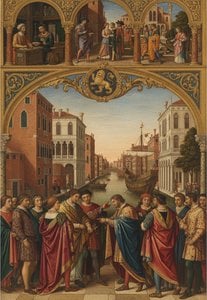
Vittore Carpaccio și-a găsit cea mai profundă expresie prin narațiunea picturală de amploare. Cea mai faimoasă realizare a sa a fost ciclul de nouă picturi cunoscut sub numele de Legenda Sfântului Ursula, un proiect început în anul 1490. Aceste lucrări i-au permis să construiască lumi complexe, captivând privirea spectatorului prin detaliile specifice ale vieții sfintei. Totodată, artistul a posedat un talent aparte pentru a surprinde spiritul orașului său natal. În opera Mucaiul Relicvei Crucii la Ponte di Rialto, el a ilustrat Veneția în apogeu, utilizând peisajul urban pentru a ancora narațiunile sale religioase într-o realitate recognoscibilă și vibrantă.
Capacitatea sa de a aborda subiecte diverse este evidentă în diversele sale comenzi artistice. A realizat Portretul Dogelui Leonardo Loredan, o operă ce reflectă statutul său de figură semnificativă în Renașterea veneziană. De asemenea, a pictat Sfântul Gheorgie și Dragonul, o pictură pe panou de lemn realizată cu tempera, care se află în prezent la Scuola di San Giorgio degli Schiavoni din Veneția. Această lucrare reușește să surprindă o puternică senzație de dramă prin compoziția sa și prin interacțiunea dinamică a figurilor reprezentate.
Printre cele mai importante lucrări ale sale se numără:
- Legenda Sfântului Ursula (începută în 1490)
- Mucaiul Relicvei Crucii la Ponte di Rialto
- Sfântul Gheorgie și Dragonul
- Portretul Dogelui Leonardo Loredan
Carieră și Comenzi Majore
Cei mai productivi ani ai lui Vittore Carpaccio au fost cei cuprinși între 1490 și 1519. În această perioadă, artistul a devenit o prezență constantă în viața religioasă a Veneției, primind diverse comenzi de la biserici, care i-au permis să exploreze narațiuni complexe și pline de încărcătură spirituală. Operele sale pășesc adesea prin străzile orașului, capturând esența Republicii prin scene urbane de o amploare impresionantă. Un astfel de exemplu este „Mucahul Relicvei Crucii la Ponte di Rialto”, o lucrare care ilustrează Veneția în apogeu, în plină strălucire a mândriei sale civice.
Pe măsură ce cariera sa evolua, natura patronajului său a început să se transforme. Dacă primii ani au fost definiți de cicluri religioase de mare anvergură și lucrări de caracter public, producția sa de după anul 1510 a migrat spre sfera privată. Artistul a început să lucreze în principal pentru patroni venezieni individuali, creând piese care reflectau gusturile personale ale clasei comerciale în continuă expansiune a orașului. Această tranziție l-a îndepărtat de măreția narativă a tinereții sale, conducându-l spre interacțiuni mai intime și personale cu colecționarii săi.
Producția sa religioasă a rămas constantă pe parcursul primului deceniu al secolului al XVI-lea. Printre cele mai notabile comenzi din această perioadă se numără:
- Sfântul Tomaer Aquinast tronează (1507)
- Prezentarea lui Hristos în Templu (1510)
Moștenire și statut istoric
Vittore Carpaccio ocupă un loc aparte printre primii maeștri ai Renașterii veneziane, o perioadă marcată de schimbări profunde în peisajul artistic italian. În timp ce contemporanii săi se îndreptau spre noile tendințe umaniste, Carpaccio a rămas adesea ancorat într-o manieră de a vedea mult mai tradițională. Până în anul 1510, cei care trăiau și lucrau alături de el începuseră să perceapă stilul său ca fiind prea conservator. El nu a urmărit curenții schimbători ai erei sale, preferând în schimb o metodă care privea înapoi către tradițiile narative și detaliate ale trecutului.
Această neclintire a făcut ca numele său să fie, uneori, trecut cu totul cu părul peste ochi, pierdut în umbra unor figuri monumentale precum Giovanni Bellini sau Giorgione. În timp ce alții evoluau spre un alt tip de limbaj vizual, Carpaccio a continuat să își construiască universurile prin detalii arhitecturale de o precizie minuțioasă și printr-o fascinație pentru exotic. Opera sa rămâne o fereastră deschisă către un moment specific din istoria Veneției, capturând mândria civică a orașului și legăturile sale cu Levantul, printr-o lentilă care părea tot mai învechimată în ochii colegilor săi. Artistul a murit în 1526, lăsând în urmă o creație care reflectă o devotare unică, deși uneori încăpățânată, față de măiestria sa artistică.
- Legenda Sfântului Ursula
- Mucahul Relicvei Sângelui Crucii la Ponte di Rialto
- Sfântul Gheorghe și Dragonul
Întrebări și răspunsuri
Care sunt cele mai vizionate opere ale lui Vittore Carpaccio?
Există o pagină Statistici pentru Vittore Carpaccio, care prezintă statistici despre operele de artă ale acestuia pe acest site web.
Ce stări exprimă operele lui Vittore Carpaccio?
Lucrările lui Vittore Carpaccio pot fi explorate în funcție de starea de spirit pe pagina Galerie pe stări de spirit a artistului, unde operele sunt organizate după stările lor de spirit.
Din ce epocă face parte Vittore Carpaccio?
Vittore Carpaccio a activat în perioada Renașterea. Această perioadă situează activitatea artistului în context istoric.