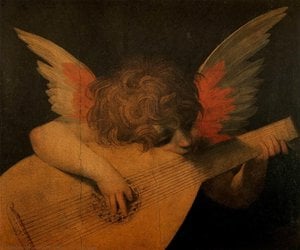
The Mannerist names to know

Famous Mannerist Pictori: Our Top 71

If you remember one Mannerist pictor, make it El Greco (1541–1614), the name behind The Disrobing of Christ (El Espolio) și St. Sebastian. After that come Tintoretto, Giuseppe Arcimboldo, Agnolo Bronzino și Sofonisba Anguissola. Our 71 picks go from Amico Aspertini (born 1475) to Cristofano Allori (born 1577), from 14 countries.

How we picked them. We list the artists our catalogue links to Mannerist, from the most famous down. Artists born after 1955 that we cannot yet check on Wikidata are left out. The Wikipedia number shows in how many of our 32 languages Wikipedia writes about them.

  1. The Disrobing of Christ (El Espolio) de El Greco1El Greco
  2. Ultima Cină (detaliu) de Tintoretto2Tintoretto
  3. Vertumno de Giuseppe Arcimboldo3Giuseppe Arcimboldo

Quick facts

Mannerist in a nutshell

  • 71Artiști
  • 1475–1577Anii de naștere
  • 14Țări de origine
  • 2Femei
  • 5.179Lucrări din catalogul nostru
Orașele cu cele mai multe nașteri
Florența (8), Florence (6), Bologna (4), Veneția (3)
Femeile din această listă
Sofonisba Anguissola, Lavinia Fontana

Meet them one by one

The 71 famous Mannerist pictori, from most famous down

1of 71

El Greco

Greacă-Spaniolă From Heraklion Mannerism, Barroco On Wikipedia in 31 of 32 languages

El Greco

Doménikos Theotokópoulos, cunoscut de istorie sub numele de El Greco, și-a început călătoria în 1541 pe insula Creta. În Republica Venetiană, a descoperit operele lui Titian și Tintoretto, absorbind măiestria lor în utilizarea culorii și a luminii pentru a defini forma. După o perioadă petrecută la Roma, unde a întâlnit formele alungite și compozițiile sofisticate ale manierismului, El Greco s-a stabilit în Toledo, Spania, în anul 1577.

Works to know · Their 100 best-known works

2of 71

Tintoretto

Italian From Veneția Maniereism, școala venețiană On Wikipedia in 31 of 32 languages

Tintoretto

Născut sub numele de Jacopo Robusti în jurul anului 1518 în Veneția, Italia, omul care avea să devină cunoscut sub numele de Jacopo Tintoretto a fost modelat de atmosfera activă și muncitorească a căminului său. Originea Căii Lactee (Scuola Grande di San Rocco, Veneția). Momentum-ul timpuriu al carierei sale a găsit expresie în biserica Carmine din Veneția, prin pictura Prezentarea lui Isus în Templu, realizată în jurul anului 1542.

Works to know · Their 100 best-known works

3of 71

Giuseppe Arcimboldo

Italian From Milano Mannerism, Surrealism On Wikipedia in 30 of 32 languages

Giuseppe Arcimboldo

Născut în Milano, Italia, în 1527, Giuseppe Arcimboldo a pășit într-o lume în care limitele reprezentării vizuale erau deja puse la încercare. El a căutat îndrumarea unor maeștri consacrați, studiind sub îndrumarea pictorului milanez Giuseppe Meda și a lui Bernardino Campi. Serviciul său a început la Viena, în Austria, sub patronajul Împăratului Sfânt Roman Lege Sfânt, Ferdinand I.

Works to know · Their 100 best-known works

4of 71

Agnolo Bronzino

Italian From Florența Mannerism On Wikipedia in 29 of 32 languages

Agnolo Bronzino

Agnolo di Cosimo, known to history as Bronzino, emerged from the vibrant artistic landscape of Renaissance Florence in 1503, a period already brimming with genius. As Vasari famously noted, Pontormo instilled in Bronzino “a love for the grotesque and for the art of representing emotion.” The resulting style—often described as “early Mannerism”—was marked by elongated figures, swirling draperies, and a deliberate avoidance of naturalistic perspective.

Taught Alessandro Allori #20

Works to know · Their 100 best-known works

5of 71

Sofonisba Anguissola

Italian From Cremona Manierismo On Wikipedia in 29 of 32 languages

Sofonisba Anguissola

Născută în jurul anului 1532 la Cremona, de părinții Amilcare Anguissola și Bianca Ponzoni, ea a beneficiat de o educație neobișnuit de progresivă pentru o femeie de atunci.

Works to know · Their 100 best-known works

6of 71

Jacopo da Pontormo

Italian From Empoli Mannerismo On Wikipedia in 28 of 32 languages

Jacopo da Pontormo

Jacopo Pontormo, născut Jacopo Carucci în Pontorme, Toscana, circa 1494, reprezintă o figură unică în cadrul mișcării artistice florentine Manneristă – un pictor care a sfidat convențiile și a creat propriul drum către inovație artistică.

Works to know · Their 100 best-known works

7of 71

Parmigianino

From Parma On Wikipedia in 28 of 32 languages

Parmigianino

Girolamo Francesco Maria Mazzola, cunoscut istoriei ca Parmigianino – „cel mic din Parma” – a apărut în timpul Renașterii de Trecere, dar a devenit rapid o figură definitorie a stilului manierist emergent. Născut în Parma pe 11 ianuarie 1503, viața sa timpurie a fost marcată de pierderi familiale; tatăl său, Filippo Mazzola, a murit când Girolamo avea doar doi ani.

Works to know · Their 100 best-known works

8of 71

Giorgio Vasari

Italian From Arezzo Mannerism On Wikipedia in 31 of 32 languages

Giorgio Vasari

Giorgio Vasari, born in Arezzo, Tuscany, on July 30, 1511, was more than simply a painter; he was a quintessential embodiment of the Italian Renaissance spirit. His monumental work, Lives of the Most Excellent Painters, Sculptors, and Architects, published in 1550 (with a revised edition in 1568), revolutionized the way art was understood and appreciated.

Taught Jacopo Zucchi #54, Federico Zuccari #41

Works to know · Their 100 best-known works

9of 71

Giulio Romano

Italian From Roma Mannerismo On Wikipedia in 28 of 32 languages

Giulio Romano

Giulio Romano, born Giulio Pippi around 1499 in Rome, emerged during a period of intense artistic transformation. He wasn't merely a studio assistant; Giulio rapidly evolved into an indispensable collaborator, contributing significantly to projects of immense scale and importance, including the lavish decoration of the Vatican Stanze – those magnificent rooms commissioned by Popes Julius II and Leo X.

Works to know · Their 100 best-known works

10of 71

Rosso Fiorentino

Italian From Florența Manevism On Wikipedia in 27 of 32 languages

Rosso Fiorentino

Giovanni Battista di Jacopo, cunoscut lumii întregi sub numele de Rosso Fiorentino – „Roșul Florentin” – era un nume șoptit cu o combinație de admirație și un strop de neliniște în timpul Renașterii italiene. Educația artistică a lui Rosso a început în atelierul estimat al lui Andrea del Sarto, unul dintre marii maeștri ai Florenței.

Works to know · Their 100 best-known works

11of 71

Sebastiano del Piombo

Italian From Veneția Renascimentul Timpuriu, Mannerism On Wikipedia in 23 of 32 languages

Sebastiano del Piombo

Sebastiano del Piombo, născut Sebastiano Luciani în jurul anului 1485 într-un colț vibrant al Veneției, nu este un artist despre care se vorbește des, dar povestea sa este una de adaptare remarcabilă, de migrație și, mai presus de toate, de o fuziune unică a sensibilității venetiane cu forța gravimetrică a Romei.

Works to know · Their 100 best-known works

12of 71

Hendrik Goltzius

Olandez From Bracht Mannerism & gravură baroca On Wikipedia in 19 of 32 languages

Hendrik Goltzius

Hendrik Goltzius, a name synonymous with the vibrant dynamism of Northern Mannerism in Dutch art, emerged from humble beginnings in the Rhineland region of Germany. His father, Jan Goltz II, continued the family legacy, establishing a workshop dedicated to creating intricate glass designs.

Works to know · Their 100 best-known works

13of 71

Domenico Beccafumi

Italian From Castelnuovo Berardenga Mannerism On Wikipedia in 21 of 32 languages

Domenico Beccafumi

Domenico’s formative years were marked by a grounding in Sienese artistic practices, shaped by the legacy of Fra Bartolommeo and Giovanni Battista Baldinelli Pacchiarotto—artists who championed expressive fervor and decorative richness.

Works to know · Their 100 best-known works

14of 71

Pieter Aertsen

Dutch From Amsterdam Northern Mannerism On Wikipedia in 28 of 32 languages

Pieter Aertsen

Pieter Aertsen, a name often whispered in the halls of art history, stands as a pivotal figure bridging the gap between Northern Mannerism and the burgeoning realism of the Dutch Golden Age. Here, he joined the esteemed Guild of Saint Luke, earning the moniker “Langhe Peter,” or Tall Peter, reflecting his imposing stature, a detail often incorporated into his portraits.

Works to know · Their 100 best-known works

15of 71

Bartholomeus Spranger

Flemish From Antwerp Maniereismul Nordic On Wikipedia in 18 of 32 languages

Bartholomeus Spranger

Bartholomäus Spranger (1546-1611), un nume care rezonează prin sălile Manierismului Nordic, a fost mai mult decât un simplu pictor; a fost o figură pivotantă în modelarea sensibilităților artistice ale epocii sale.

Works to know · Their 100 best-known works

16of 71

Lavinia Fontana

Italiană From Bologna Mannerism, Baroc On Wikipedia in 26 of 32 languages

Lavinia Fontana

Prospero Fontana’s workshop in Bologna served as Lavinia's initial classroom, where she honed her skills under his tutelage. Bologna at the time was a vibrant hub of artistic exchange, drawing in influences from across Italy and beyond.

Works to know · Their 100 best-known works

17of 71

Federico Barocci

From Urbino On Wikipedia in 24 of 32 languages

Federico Barocci

Federico Fiori, cunoscut mai târziu sub numele de Federico Barocci (1535-1612), s-a născut în Urbino, un oraș italian renumit pentru atmosfera sa culturală vibrantă. Primele lecții de artă le-a primit de la tatăl său, Ambrogio Barocci, un sculptor respectat localnic, dar adevărata sa formare artistică a început sub îndrumarea lui Battista Franco în Urbino.

Works to know · Their 100 best-known works

18of 71

Hans Von Aachen

German From Köln Pictură manieristă On Wikipedia in 26 of 32 languages

Hans Von Aachen

Hans von Aachen, un pictor german de o finețe rară, s-a născut în anul 1552 în orașul Köln. Deși detaliile despre primii săi ani de viață rămân ascunse în negura istoriei, se crede că fundamentul său artistic a fost pus în atelierul lui Leonardus Sievenhoven, un pictor local deopotrivă talentat.

Works to know · Their 100 best-known works

19of 71

Cristofano Allori

Italian From Florența Mannerism On Wikipedia in 23 of 32 languages

Cristofano Allori

În amurgul Renașterii, pe măsură ce armoniile echilibrate ale secolului precedent lăsau locul energiei neliniștite a Maniereismului, Cristofano Allori a apărut ca o voce vitală în școala florentină. Născut în 1577 într-un oraș îmbibat de prestigiu artistic, Allori era destinat pensulei.

Learned from Alessandro Allori #20

Works to know · Their 100 best-known works

20of 71

Alessandro Allori

Italian From Florența Manierism On Wikipedia in 24 of 32 languages

Alessandro Allori

Pentru a-și completa pregătirea inițială, Allori a studiat anatomia – chiar și efectuând disecții la Spitalul Santa Maria Nuova – demonstrând un angajament față de înțelegerea formei umane care stătea la baza reprezentărilor sale stilizate. A ocupat rolul de Prim Consul al Accademia del Disegno în 1573, iar ulterior a fost numit șef al atelierului statal de pânze Arazzeria Medicea, responsabil pentru decorarea palatelor familiei Medici.

Taught Cristofano Allori #19

Works to know · Their 100 best-known works

21of 71

Niccolò Dell'Abbate

Italian From Modena Maniereism On Wikipedia in 25 of 32 languages

Niccolò Dell'Abbate

Născut la Modena, în Italia, în jurul anului 1512, Niccolò Dell'Abbate a apărut ca o figură esențială în cadrul mișcării manieriste italiene. Anii de formare ai lui Dell'Abbate au fost petrecuți la Modena, unde a absorbit elementele stilistice ale pictorilor ferreze, precum Garofalo și Dosso Dossi.

Works to know · Their 100 best-known works

22of 71

Giovanni Battista Moroni

From Albino On Wikipedia in 16 of 32 languages

Giovanni Battista Moroni

Giovanni Battista Moroni (cunoscut și sub numele de Giambattista Moroni) s-a născut în Albino, lângă Bergamo, Italia, în anul 1520. Întreruperea primelor sale lecții sub îndrumarea lui Alessandro Bonvicino, cunoscut sub numele de Moretto, în Brescia, a reprezentat un moment definitoriu.

Works to know · Their 100 best-known works

23of 71

Benvenuto Cellini

From Florența

Benvenuto Cellini

Născut în Florența la 1 noiembrie 1500, Cellini a personificat idealul renascentist al "uomo universale", un om capabil să exceleze în multiple domenii, lăsând o amprentă profundă asupra artei și culturii epocii sale. La vârsta de cincisprezece ani, cu o tenacitate demnă de admirație, a convins pe tatăl său să îl dea în ucenicie lui Antonio di Sandro Marcone, un maestru respectat al artei aurare.

Works to know · Their 100 best-known works

24of 71

Francesco Salviati

Italian From Florența Mannerism On Wikipedia in 17 of 32 languages

Francesco Salviati

Francesco Salviati, un nume adeseori împletuit cu Cecchino del Salviati și Francesco Rossi, reprezintă o figură pivot în tapiseria vibrantă a artei italiene din secolul al XVI-lea. Născut la Florența în jurul anului 1510 și decedat tragic la Roma în 1563, viața sa a fost o călătorie prin ucenicie artistică, patronaj și, în final, stăpânirea complexităților dramatice ale Mannerismului.

Works to know · Their 100 best-known works

25of 71

Giambologna

Flandrez From Douai Sculptură Manneristă

Giambologna

Jean Boulogne, cunoscut ulterior sub numele de Giambologna (1529 – 1608), se impune ca unul dintre cei mai influenți sculptori ai perioadelor Renașterii italiene și ale Barocului. Născut la Douai, în Flandra — astăzi Franța —, călătoria sa artistică a început cu studii formative sub îndrumarea lui Jacques Du Broeucq în Antwerpen, înainte de a porni spre o relocare transformatoare la Roma în 1550.

Works to know · Their 100 best-known works

26of 71

Karel Van Mander Cel Mai Tânăr

Flandrean From Meulebeke Maniereismul Nordic On Wikipedia in 20 of 32 languages

Karel Van Mander Cel Mai Tânăr

Născut: Mellebeke, Belgia (1548) Decedat: 1606 Karel Van Mander Cel Mai Tânăr s-a născut într-o familie nobilă în Meulebeke, în județul Flandra, într-o epocă în care spiritul artistic începea să se împletească profund cu tradiția culturală europeană.

Works to know · Their 100 best-known works

27of 71

Daniele Da Volterra

Italian From Volterra Manevism On Wikipedia in 17 of 32 languages

Daniele Da Volterra

Daniele Ricciarelli, născut în vechiul oraș etrusc Volterra în jurul anului 1509, a devenit în cele din urmă cunoscut sub numele de Daniele da Volterra – un nume indisolubil legat atât de strălucirea artistică, cât și de controverse.

Works to know · Their 100 best-known works

28of 71

Jean Goujon

Francez From Normandia Manevism

Jean Goujon

Jean Goujon (aprox. 1510 – aprox. 1567) se impune ca o piatră de temelie a sculpturii și arhitecturii Renașterii franceze, întruchipând fervoare stilistică a manierismului, oferind în același timp o ancorare profundă în idealurile clasice. Călătoria lui Goujon a început prin experiențele formative din Italia, unde a absorbit măreția sculpturii romane și a integrat principiile acesteia în propriul său stil distinctiv.

Works to know · Their 100 best-known works

29of 71

Prospero Fontana

Italian From Bolognia Renaștere tardivă și Manehism On Wikipedia in 18 of 32 languages

Prospero Fontana

Născut la Bologna în 1512, Prospero Fontana a apărut ca o figură esențială în peisajul artistic vibrant al Renașterii italiene de la fine de secol. În jurul anului 1550, cariera lui Fontana a cunoscut un punct de cotitură decisiv: introducerea la Papa Ioan Paul al III-lea prin intermediul lui însuși Michelangelo.

Works to know · Their 100 best-known works

30of 71

Joachim Wtewael

Olandez From Utrecht Mannerism On Wikipedia in 14 of 32 languages

Joachim Wtewael

Joachim Anthonisz Wtewael, un nume șoptit printre cunoscătorii Epocii de Aur olandeze, rămâne o figură captivantă a cărei artă sfidează orice încercare de categorisire simplistă. Născut în 1566 și decedat în 1638, viața sa s-a dovedit a fi la fel de multifacetată ca propriile sale pântece de pictură. O perioadă de cotitură a apărut atunci când, începând cu anul 1586, a pornit în călătorii prin Italia și Franța.

Works to know · Their 100 best-known works

31of 71

Francesco Primaticcio

Italian From Bologna Mannerism On Wikipedia in 22 of 32 languages

Francesco Primaticcio

Născut în Bologna, Italia, parcursul său artistic a început sub îndrumarea riguroasă a lui Giulio Romano la Mantua, unde a absorbit estetica complexă și plină de tensiune care îi va defini ulterior cariera.

Learned from Giulio Romano #9

Works to know · Their 100 best-known works

32of 71

Otto van Veen

Flemish From Leiden Mannerism On Wikipedia in 15 of 32 languages

Otto van Veen

From approximately 1594 or 1595 until 1598, Van Veen served as Rubens’ teacher, instilling in the young artist a rigorous classical education and a deep appreciation for humanist principles. His Quinti Horatii Flacci Emblemata (1607), Amorum Emblemata (1608), and Amoris Divini Emblemata (1615) are prime examples of this form, showcasing his skill as both an artist and a scholar.

Learned from Federico Zuccari #41

Works to know · Their 100 best-known works

33of 71

Luca Cambiaso

Italian From Moneglia Școala Genovese, Mannerism On Wikipedia in 15 of 32 languages

Luca Cambiaso

Luca Cambiaso (1527-1585) se impune ca o figură esențială în istoria artei Renașterii italiene, fiind renumit în special pentru rolul său pionier în fondarea Școlei de pictură genoveză. Născut în Moneglia, un mic oraș de coastă din Republica Genova, călătoria artistică a lui Cambiaso a început sub îndrumarea tatălui său, Giovanni Cambiasi, un artizan priceput care i-a transmis o înțelegere fundamentală a tehnicilor picturale.

Works to know · Their 100 best-known works

34of 71

Giuseppe Cesari

Italian From Arpino Maniereism On Wikipedia in 14 of 32 languages

Giuseppe Cesari

Giuseppe Cesari, născut la Arpino în jurul anului 1568 și decedat tragic la Roma în 1640, rămâne o figură fascinantă, deși somewhat enigmatică, în ricoșa bogată a istoriei artei italiene.

Works to know · Their 100 best-known works

35of 71

Francesco Bassano Cel Tânăr

Italian From Bassano del Grappa Renașterea Venetiană On Wikipedia in 12 of 32 languages

Francesco Bassano Cel Tânăr

Povestea lui Francesco Bassano Cel Tânăr este una a liniei de sânge, a luminii și a spiritului durabil al Renașterii venetiene. Născut sub numele de Jacopo dal Ponte în peisajul pitoresc din Bassano del Grappa, însăși identitatea sa a fost împletită în țesătura unei dinastii artistice profunde.

Works to know · Their 100 best-known works

36of 71

Hendrick De Clerck

Flemish Late Mannerism

Hendrick De Clerck

Early Life & Training: De Clerck’s formative years are shrouded in obscurity, though evidence suggests he received training under Jan Brueghel the Elder, a titan of Flemish landscape painting and a pivotal influence on de Clerck's artistic approach. Brussels Court Painter: In 1594, De Clerck ascended to the prestigious role of court painter to Archduke Ernest I of Habsburg Austria, securing patronage that afforded him considerable freedom and resources.

Works to know · Their 100 best-known works

37of 71

Leandro Bassano

Italian From Bassano del Grappa Maniereism On Wikipedia in 13 of 32 languages

Leandro Bassano

Jacopo Carucci, cunoscut mult mai bine sub numele de Jacopo Pontormo, rămâne o figură de o fascinație profundă și adesea perplexing în istoria artei. Născut în 1494, în micul oraș toscan Pontorme, de lângă Empoli, destinul său nu era unul marcat de o educație artistică convențională.

Works to know · Their 100 best-known works

38of 71

Perino del Vaga

Italian From Florence Mannerist Painting On Wikipedia in 15 of 32 languages

Perino del Vaga

Pietro Buonaccorsi, known to history through the evocative moniker Perino del Vaga, remains one of the most captivating figures of the transition from the High Renaissance to the intricate complexities of Mannerism. Born in Florence around 1501 into a lineage of artistic talent, his very name— Vaga, meaning wandering or idle—suggests a restless creative energy that would eventually carry him far beyond the borders of his native Tuscany.

Works to know · Their 100 best-known works

39of 71

Stradanus

Flemish From Bruges Renaissance, 16th Century Painting On Wikipedia in 15 of 32 languages

Stradanus

Jan van der Straet, better known as Johannes Stradanus or Giovanni Stradano, was a pivotal figure in 16th-century European art, primarily recognized for his masterful depictions of mythological scenes, allegorical representations, and refined portraiture.

Taught Antonio Tempesta #56

Works to know · Their 100 best-known works

40of 71

Il Pordenone

Italian From Pordenone Pictură Renașterea On Wikipedia in 16 of 32 languages

Il Pordenone

Giovanni Antonio de’ Sacchis, cunoscut universal sub numele de Il Pordenone, a apărut pe scena Renașterii italiene ca o forță a naturii, mai degrabă decât ca produsul unei instruiri academice riguroase. Născut în jurul anului 1484 în Fruili-Visenza, Italia, originile sale nu se aflau în centrele artistice consacrate ale Florenței sau Romei, ci în orașul relativ provincial Pordenone – un loc care avea să îi modeleze inconfundabil stilul distinctiv.

Works to know · Their 100 best-known works

41of 71

Federico Zuccari

Italian From Sant'Angelo in Vado Mannerism On Wikipedia in 18 of 32 languages

Federico Zuccari

Federico Zuccaro stands as a pivotal figure in the Italian Renaissance, specifically within the burgeoning Roman Mannerist movement. Their collaborative spirit yielded masterpieces such as “The Holy Family ” in Palazzo Vecchio, a work that serves as a testament to their unified artistic language. This ambition is perhaps most tangibly felt in Casa Zuccari in Florence, a residence built around 1578.

Learned from Giorgio Vasari #8

Works to know · Their 100 best-known works

42of 71

Cecchino Del Salviati

Italian From Florența Pictură manieristă

Cecchino Del Salviati

În peisajul vibrant și schimbător al secolului al XVI-lea, puțini artiști au surprins energia neliniștită a mișcării manieriste atât de profund precum Francesco Salviati, cunoscut istoriei prin apelativul său evocator, Cecchino del Salviati. Născut în Florența în jurul anului 1510, într-o linie de talente creative — tatăl său fiind pictorul Francesco Rossi — Cecchino era destinat unei vieți îmbibate în complexitățile estetice ale Renașterii italiene.

Works to know · Their 100 best-known works

43of 71

Cornelis Ketel

Dutch From Gouda Mannerism On Wikipedia in 13 of 32 languages

Cornelis Ketel

His apprenticeship began at the young age of eleven with his uncle, Cornelis Jacobsz., a painter who instilled in him the fundamentals of the craft.

Works to know · Their 100 best-known works

44of 71

Gillis Mostaert

Flemish From Hulst Mannerism, Renaissance On Wikipedia in 8 of 32 languages

Gillis Mostaert

Born in the small Dutch town of Hulst around 1528, Gillis Mostaert the Elder emerged as a significant figure within the vibrant artistic landscape of Antwerp during the Renaissance. From approximately 1550, Gillis formally trained with the landscape painter Jan Mandijn, an influence that would become strikingly apparent in his own mature work.

Works to know · Their 100 best-known works

45of 71

Francesco Bacchiacca

Italian From Florența Maniereismul florentin On Wikipedia in 11 of 32 languages

Francesco Bacchiacca

Născut sub numele de Francesco d’Ubertino Verdi în Florența, la 1 martie 1494, și cunoscut universal sub numele de il Bacchiacca (care înseamnă „cel cocoșat” – un pseudon care făcea referire la nasul său proeminent), acest pictor italian reprezintă o figură pivotală ce face puntea între Renașterea tardivă și stilul Mannerist în plină expansiune.

Works to know · Their 100 best-known works

46of 71

Scipione Pulzone

From Gaeta On Wikipedia in 11 of 32 languages

Scipione Pulzone

Povestea artistică a lui Scipione Pulzone (1544 – 1 februarie 1598), cunoscut și sub numele de Il Gaetano, este una care definește spiritul Renașterii italiene tardive. Născut în Gaeta în jurul anului 1550, acest pictor prominent de origine napolitană și-a început călătoria creativă în atelierul lui Jacopino del Conte, la Roma. Cariera sa artistică, care s-a desfășurat între Napoli, Florența și Roma, a generat un corpus diversificat de lucrări.

Works to know · Their 100 best-known works

47of 71

Santi di Tito

Italian From Florence Proto-Baroque & Counter-Maniera On Wikipedia in 14 of 32 languages

Santi di Tito

In the vibrant, shifting landscape of late 16th-century Italy, few figures played as pivotal a role in redefining the visual language of Florence as Santi di Tito. Between 1558 and 1564, di Tito’s presence was felt in the grand halls of Rome, where he worked alongside talented peers such as Giovanni de’ Vecchi and Niccolò Circignani.

Works to know · Their 100 best-known works

48of 71

Polidoro Da Caravaggio

Italian From Caravaggio Maniereism On Wikipedia in 10 of 32 languages

Polidoro Da Caravaggio

Polidoro Caldara, cunoscut de istorie sub numele de Polidoro Da Caravaggio, a apărut în orășelul Caravaggio din Lombardia în jurul anului 1499, un nume pe care îl va adopta ulterior pentru sine — o prefigurare a identității sale artistice.

Works to know · Their 100 best-known works

49of 71

Vincenzo Campi

Italian From Cremona Stil Flandrez / Naturalism Lombard On Wikipedia in 13 of 32 languages

Vincenzo Campi

În peisajul artistic vibrant al Cremonei secolului al XVI-lea, o perioadă adesea definită de artificiul sofisticat al manierismului, Vincenzo Campi a apărut ca o voce profundă de claritate și adevăr. Născut în jurul anului 1536 într-o familie în care pensula era o limbă primară, Campi a fost modelat de atmosfera creativă bogată a strămoșilor săi.

Works to know · Their 100 best-known works

50of 71

Andrea Schiavone

Italian From Zadar Baroque Sculpture; Mannerism On Wikipedia in 14 of 32 languages

Andrea Schiavone

In the vibrant, sun-drenched tapestry of the sixteenth-century Venetian Republic, few names evoke as much intrigue and stylistic complexity as Andrea Schiavone. Born Andrea Meldolla, his very moniker—meaning "Andrew the Slav"—serves as a poetic testament to his dual identity. Though his roots lay in the Dalmatian city of Zara, now Zadar, Croatia, his artistic spirit was forged in the heart of Venice.

Works to know · Their 100 best-known works

51of 71

Jacopo Ligozzi

Italian From Verona Renaștere târzie și Manehism On Wikipedia in 11 of 32 languages

Jacopo Ligozzi

În era vibrantă și transformatoare a Italiei de la sfârșitul Renașterii și din perioada Manierismului, puține figuri au întruchipat intersecția dintre grația estetică și curiozitatea empirică atât de profund precum Jacopo Ligozzi. Născut în Verona în 1547, fiul respectatului artist Giovanni Ermano Ligozzi, Jacopo a fost scufundat încă de la naștere într-o lume în care măiestria și narativul vizual erau esențiale.

Works to know · Their 100 best-known works

52of 71

Bartolomeo Passarotti

Italian From Bologna Mannerism On Wikipedia in 10 of 32 languages

Bartolomeo Passarotti

In the vibrant, shifting landscape of the late sixteenth century, few artists captured the transition from the structured elegance of the High Renaissance to the dramatic intensity of the Baroque as skillfully as Bartolomeo Passarotti. Born in Bologna in 1529, Passarotti emerged not merely as a painter, but as a pivotal bridge between eras.

Works to know · Their 100 best-known works

53of 71

Andrea Vicentino

Italian From Vicenza Late Renaissance/Mannerist On Wikipedia in 5 of 32 languages

Andrea Vicentino

Under the watchful eye and expert tutelage of Giovanni Battista Maganza, Vicentino developed a command over monumental compositions and refined aesthetics that would later define his career. Known variously as Andrea Michieli or Michelli, his movement toward Venice in the mid-1570s marked a transformative era in his development. By 1583, he had officially registered with the Fraglia, the prestigious Venetian guild of painters.

Works to know · Their 100 best-known works

54of 71

Jacopo Zucchi

Italian From Florence Mannerist Painting On Wikipedia in 11 of 32 languages

Jacopo Zucchi

Jacopo Zucchi stands as a pivotal figure in the evolution of the Florentine Baroque, embodying the stylistic complexities and dramatic grandeur characteristic of Mannerism. Born in Florence around 1542, Zucchi’s formative years were deeply rooted in the prestigious artistic traditions fostered by Giorgio Vasari. His involvement in the decoration of the Palazzo Vecchio, specifically within the Studiolo and the Salone dei Cinquecento, showcased his ability to execute ambitious, large-scale commissions.

Learned from Giorgio Vasari #8

Works to know · Their 100 best-known works

55of 71

Domenico Tintoretto

Italian From Veneția Maniereism On Wikipedia in 9 of 32 languages

Domenico Tintoretto

Născut în Veneția în jurul anului 1560, Domenico a crescut printre mirosul de vopsea de ulei și tensiunea dramatică a atelierului tatălui său. Opera lui Domenico servește ca o fereastră către țesătura socială a Veneției secolului al XVI-lea. Prin pensula sa, figuri precum Mario Barbarigo și Francesco Maria Veneto au fost randate cu o grație ce echilibra greutatea titlurilor lor cu o vulnerabilitate umană palpabilă.

Works to know · Their 100 best-known works

56of 71

Antonio Tempesta

Italian From Florence Mannerism On Wikipedia in 11 of 32 languages

Antonio Tempesta

Born in Florence in 1555, during a period marked by intense intellectual ferment and artistic experimentation, Tempesta’s career unfolded across the prestigious corridors of Italy and the vibrant art markets of Flanders. His formative years were shaped by the prestigious Accademia delle Arti del Disegno, where he enrolled in 1576.

Learned from Stradanus #39

Works to know · Their 100 best-known works

57of 71

Amico Aspertini

Italian From Bologna Maniereism On Wikipedia in 11 of 32 languages

Amico Aspertini

Amico Aspertini, născut în Bologna în jurul anului 1474 și decedat în 1552, se impune ca o figură fascinantă în cadrul Renașterii italiene — un pictor care a anticipat și a sfidat, în același timp, tendințele artistice dominante. Istoria familială a lui Aspertini era profund înrădăcinată în artă; tatăl său, Giovanni Antonio Aspertini, era el însuși un pictor recunoscut.

Works to know · Their 100 best-known works

58of 71

Wenzel Jamnitzer

German From Vienna Northern Mannerism

Wenzel Jamnitzer

Wenzel Jamnitzer (circa 1507 – December 19, 1585) emerged from a distinguished Moravian German family known for its artistic endeavors under various spellings—Jamnitzer, Jemniczer, Gemniczer, and Jamitzer.

Works to know · Their 100 best-known works

59of 71

Vincenzo Scamozzi

Italian From Vicenza

Vincenzo Scamozzi

Born in Vicenza, Italy, he emerged from a lineage of builders, being the son of Gian Domenico Scamozzi, a surveyor and contractor who served as his first teacher. Following Palladio's death in 1580, Scamozzi found himself entrusted with several unfinished projects, most notably the prestigious Teatro Olimpico at Vicenza.

Works to know · Their 100 best-known works

60of 71

Domenico Fontana

Italian From Melide Late Renaissance

Domenico Fontana

Domenico Fontana, a name often overshadowed by the titans of the High Renaissance, stands as a pivotal figure in 16th-century Italian architecture and engineering. Born in Melide, a small village nestled on the shores of Lake Lugano in Switzerland – a region then caught between Swiss cantons and Italy – in 1543, Fontana’s life was one of relentless innovation and service to the Papal States.

Works to know · Their 100 best-known works

61of 71

Jan De Beer

From Antwerp Antwerp Mannerism On Wikipedia in 9 of 32 languages

Jan De Beer

Active primarily in Antwerp, he was a central protagonist in a loose but influential group of painters known as the Antwerp Mannerists. By 1504, he had achieved the prestigious status of master within the Antwerp Guild of Saint Luke, eventually rising to the esteemed position of dean. The work of Jan De Beer is characterized by a breathtaking marriage of Northern Renaissance realism and a burgeoning sense of theatricality.

Works to know · Their 100 best-known works

62of 71

Marcello Venusti

Italian From Mazzo di Valtellina Mannerist On Wikipedia in 10 of 32 languages

Marcello Venusti

Born near Como in the rugged terrain of Mazzo di Valtellina around 1512, Venusti emerged from the Italian foothills to become a vital conduit for the Mannerist aesthetic. This formative connection anchored him within the sophisticated stylistic currents of Rome, preparing him to translate the monumental language of the High Renaissance into the more stylized, elongated, and emotive vocabulary of Mannerism.

Works to know · Their 100 best-known works

63of 71

Toussaint Dubreuil

France From Paris Second School Fontainebleau; Mannerism; Italian Art Influence On Wikipedia in 8 of 32 languages

Toussaint Dubreuil

Toussaint Dubreuil (c. 1561 – 1602), a French painter born in Paris, stands as a pivotal figure within the Second School of Fontainebleau—a movement that skillfully blended the stylistic grandeur of Mannerism with the vibrant aesthetics of Italian Renaissance art.

Works to know · Their 100 best-known works

64of 71

Tobias Stimmer

Swiss From Schaffhausen Mannerism On Wikipedia in 7 of 32 languages

Tobias Stimmer

Tobias Stimmer, născut în aglomeratul oraș elvețian Schaffhausen în anul 1539, a devenit o figură centrală într-o perioadă de profundă transformare artistică și religioasă.

Works to know · Their 100 best-known works

65of 71

Jacopino del Conte

Italian From Florence Mannerist On Wikipedia in 10 of 32 languages

Jacopino del Conte

Jacopino del Conte (c. 1510 – 1598) stands as a compelling figure within the vibrant tapestry of 16th-century Italian art, a painter whose career unfolded across both the artistic heartland of Florence and the papal seat of Rome.

Works to know · Their 100 best-known works

66of 71

Paolo Fiammingo

Flemish From Antwerp Landscape with mythological and allegorical On Wikipedia in 8 of 32 languages

Paolo Fiammingo

The story of Paolo Fiammingo, born Pauwels Franck, is a captivating tale of artistic migration and the seamless blending of Northern precision with Italian grandeur. Emerging from the vibrant artistic traditions of Antwerp around 1540, this master crossed the Alps to find his true calling in the shimmering atmosphere of Venice.

Works to know · Their 100 best-known works

67of 71

Jacques Bellange

French From Bassigny Northern Mannerism On Wikipedia in 9 of 32 languages

Jacques Bellange

A master of the Northern Mannerist style, his life was lived in the twilight of the late Renaissance, a period defined by elongated forms, theatrical tension, and an almost feverish psychological intensity. Born around 1575 in the Bâse-les-Vosges region of France, Bellange emerged from a landscape of shifting borders and intense religious fervor, eventually finding his creative home within the sophisticated courtly circles of Nancy.

Works to know · Their 100 best-known works

68of 71

Girolamo Mazzola Bedoli

Italian From Parma Mannerist Painting On Wikipedia in 8 of 32 languages

Girolamo Mazzola Bedoli

In the vibrant, swirling currents of the Italian Mannerist period, few names capture the elegance and stylistic complexity of the Parma school quite like Girolamo Mazzola Bedoli. Born in Viadana around 1500, Bedoli emerged from a landscape deeply enriched by the artistic legacies of Lombardy and the sophisticated atmosphere of Parma.

Works to know · Their 100 best-known works

69of 71

Lelio Orsi

Italian From Novellara Mannerist On Wikipedia in 7 of 32 languages

Lelio Orsi

In the twilight of the Italian Renaissance, as the harmonious balance of High Renaissance classicism began to fracture into the restless energy of Mannerism, there emerged a voice from the fertile plains of Emilia-Romagna that captured the profound anxieties of a changing world. Born in the small town of Novellara around 1508 or 1511, Orsi navigated an era defined by shifting theological certainties and the complex intellectual currents of humanism.

Works to know · Their 100 best-known works

70of 71

Michele Tosini

Italian From Florence Renaissance and Mannerism On Wikipedia in 5 of 32 languages

Michele Tosini

In the vibrant, sun-drenched landscape of sixteenth-century Florence, a period where the boundaries between the earthly and the divine were often blurred by the brushstrokes of masters, emerged the distinctive talent of Michele Tosini.

Works to know · Their 100 best-known works

71of 71

Juan Correa De Vivar

Spanish From Mascaraque Renaissance, Mannerism On Wikipedia in 6 of 32 languages

Juan Correa De Vivar

Born around 1510 in Mascaraque, a small town in Castile, his life unfolded against the backdrop of a burgeoning artistic landscape shaped by both Renaissance ideals and emerging Mannerist sensibilities. Records indicate he joined the workshop of Juan de Borgoña in Toledo around 17 or 18 years old, an environment teeming with aspiring artists, including Pedro de Cisneros, a connection that undoubtedly shaped his artistic development.

Works to know · Their 100 best-known works

Pictures worth knowing

Famous Mannerist works to recognise

  1. The Disrobing of Christ (El Espolio) de El Greco

    The Disrobing of Christ (El Espolio)

    El Greco

    1577 · Catedrala din Toledo

  2. Ultima Cină (detaliu) de Tintoretto

    Ultima Cină (detaliu)

    Tintoretto

    1579 · Scuola Grande di San Rocco, Veneția

  3. Vertumno de Giuseppe Arcimboldo

    Vertumno

    Giuseppe Arcimboldo

    1590 · Skoklosters Slott, Balsta

  4. Venus, Cupid și Timpul (Allegoria Frumuseții) de Agnolo Bronzino

    Venus, Cupid și Timpul (Allegoria Frumuseții)

    Agnolo Bronzino

    1540 · National Gallery, Londra

  5. Portrait of the Artist's Sisters Playing Chess de Sofonisba Anguissola

    Portrait of the Artist's Sisters Playing Chess

    Sofonisba Anguissola

    1555 · Muzeum Narodowe w Pozaniu, Poznań

  6. Vizitarea de Jacopo da Pontormo

    Vizitarea

    Jacopo da Pontormo

    1528

  7. Madonna with the Long Neck de Parmigianino

    Madonna with the Long Neck

    Parmigianino

    1540

  8. Judecata cea de Ultime de Giorgio Vasari

    Judecata cea de Ultime

    Giorgio Vasari

    1572 · Duomo di Firenze, Florența

When it happened

Mannerist, step by step

  1. 1526
  2. 1532
  3. 1537
  4. 1540
  5. 1545
  6. 1550
  7. 1555
  8. 1555
  9. 1567
  10. 1572
  11. 1579
  12. 1590
  13. 1592
  14. 1595

Fun figures

The numbers behind the list

Țara de naștere
Italia35
Italy14
Țările de Jos3
Franța3
Belgium3
Germania2
Belgia2
Netherlands2
Deceniul de naștere
1470s2
1480s3
1490s5
1500s11
1510s10
1520s8
1530s7
1540s11
1550s7
1560s4
1570s3
Muzee care dețin operele lor cheie
Muzeul Kunsthistorisches din Viena21
Colecțiile Statale de Pictură din Bavaria11
Muzeul Prado9
National Gallery8
Muzeul Ermitaj7
Rijksmuseum5
Museo di Capodimonte4
Galleria degli Uffizi4

Just the names

List of 71 famous Mannerist pictori to know

  1. 1El GrecoEl GrecoGreacă-Spaniolă · 1541–1614
  2. 2TintorettoTintorettoItalian · 1519–1594
  3. 3Giuseppe ArcimboldoGiuseppe ArcimboldoItalian · 1527–1593
  4. 4Agnolo BronzinoAgnolo BronzinoItalian · 1503–1572
  5. 5Sofonisba AnguissolaSofonisba AnguissolaItalian · 1532–1625
  6. 6Jacopo da PontormoJacopo da PontormoItalian · 1494–1556
  7. 7ParmigianinoParmigianino1503–1540
  8. 8Giorgio VasariGiorgio VasariItalian · 1511–1574
  9. 9Giulio RomanoGiulio RomanoItalian · 1499–1546
  10. 10Rosso FiorentinoRosso FiorentinoItalian · 1494–1540
  11. 11Sebastiano del PiomboSebastiano del PiomboItalian · 1485–1547
  12. 12Hendrik GoltziusHendrik GoltziusOlandez · 1558–1617
  13. 13Domenico BeccafumiDomenico BeccafumiItalian · 1484–1551
  14. 14Pieter AertsenPieter AertsenDutch · 1508–1575
  15. 15Bartholomeus SprangerBartholomeus SprangerFlemish · 1546–1611
  16. 16Lavinia FontanaLavinia FontanaItaliană · 1552–1614
  17. 17Federico BarocciFederico Barocci1535–1612
  18. 18Hans Von AachenHans Von AachenGerman · 1552–1615
  19. 19Cristofano AlloriCristofano AlloriItalian · 1577–1621
  20. 20Alessandro AlloriAlessandro AlloriItalian · 1535–1607
  21. 21Niccolò Dell'AbbateNiccolò Dell'AbbateItalian · 1512–1571
  22. 22Giovanni Battista MoroniGiovanni Battista Moroni1525–1578
  23. 23Benvenuto CelliniBenvenuto Cellini1500–1571
  24. 24Francesco SalviatiFrancesco SalviatiItalian · 1510–1563
  25. 25GiambolognaGiambolognaFlandrez · 1529–1608
  26. 26Karel Van Mander Cel Mai TânărKarel Van Mander Cel Mai TânărFlandrean · 1548–1606
  27. 27Daniele Da VolterraDaniele Da VolterraItalian · 1509–1566
  28. 28Jean GoujonJean GoujonFrancez · 1510–1567
  29. 29Prospero FontanaProspero FontanaItalian · 1512–1597
  30. 30Joachim WtewaelJoachim WtewaelOlandez · 1566–1638
  31. 31Francesco PrimaticcioFrancesco PrimaticcioItalian · 1504–1570
  32. 32Otto van VeenOtto van VeenFlemish · 1556–1629
  33. 33Luca CambiasoLuca CambiasoItalian · 1527–1585
  34. 34Giuseppe CesariGiuseppe CesariItalian · 1568–1640
  35. 35Francesco Bassano Cel TânărFrancesco Bassano Cel TânărItalian · 1549–1592
  36. 36Hendrick De ClerckHendrick De ClerckFlemish · 1570–1630
  37. 37Leandro BassanoLeandro BassanoItalian · 1557–1622
  38. 38Perino del VagaPerino del VagaItalian · 1501–1547
  39. 39StradanusStradanusFlemish · 1523–1605
  40. 40Il PordenoneIl PordenoneItalian · 1484–1539
  41. 41Federico ZuccariFederico ZuccariItalian · 1539–1609
  42. 42Cecchino Del SalviatiCecchino Del SalviatiItalian · 1510–1563
  43. 43Cornelis KetelCornelis KetelDutch · 1548–1616
  44. 44Gillis MostaertGillis MostaertFlemish · 1528–1598
  45. 45Francesco BacchiaccaFrancesco BacchiaccaItalian · 1494–1557
  46. 46Scipione PulzoneScipione Pulzone1550–1598
  47. 47Santi di TitoSanti di TitoItalian · 1536–1603
  48. 48Polidoro Da CaravaggioPolidoro Da CaravaggioItalian · 1499–1543
  49. 49Vincenzo CampiVincenzo CampiItalian · 1536–1591
  50. 50Andrea SchiavoneAndrea SchiavoneItalian · 1522–1563
  51. 51Jacopo LigozziJacopo LigozziItalian · 1547–1627
  52. 52Bartolomeo PassarottiBartolomeo PassarottiItalian · 1529–1592
  53. 53Andrea VicentinoAndrea VicentinoItalian · 1542–1617
  54. 54Jacopo ZucchiJacopo ZucchiItalian · 1542–1596
  55. 55Domenico TintorettoDomenico TintorettoItalian · 1560–1635
  56. 56Antonio TempestaAntonio TempestaItalian · 1555–1630
  57. 57Amico AspertiniAmico AspertiniItalian · 1475–1552
  58. 58Wenzel JamnitzerWenzel JamnitzerGerman · 1507–1585
  59. 59Vincenzo ScamozziVincenzo ScamozziItalian · 1548–1616
  60. 60Domenico FontanaDomenico FontanaItalian · 1543–1607
  61. 61Jan De BeerJan De Beer1475–1528
  62. 62Marcello VenustiMarcello VenustiItalian · 1510–1579
  63. 63Toussaint DubreuilToussaint DubreuilFrance · 1561–1602
  64. 64Tobias StimmerTobias StimmerSwiss · 1539–1584
  65. 65Jacopino del ConteJacopino del ConteItalian · 1510–1598
  66. 66Paolo FiammingoPaolo FiammingoFlemish · 1540–1596
  67. 67Jacques BellangeJacques BellangeFrench · 1575–1616
  68. 68Girolamo Mazzola BedoliGirolamo Mazzola BedoliItalian · 1500–1569
  69. 69Lelio OrsiLelio OrsiItalian · 1508–1587
  70. 70Michele TosiniMichele TosiniItalian · 1503–1577
  71. 71Juan Correa De VivarJuan Correa De VivarSpanish · 1510–1566

Good questions

What people ask about Mannerist

Read more

More stories on ArtsDot.com

Other styles

Famous artists of other styles

Other eras

Famous artists of other eras

Keep exploring

Where to go next