New to Gothic? Start here

34 Famous Gothic Artiști You Should Know

If you remember one Gothic artist, make it Duccio (1255–1319), the name behind Maestà (Madonna cu îngeri și sfinți) și MaestÓ (în centrul panoului). After that come Simone Martini, Gentile Da Fabriano, Pisanello și Stephan Lochner. Our 34 picks go from Maestrul Mateo (born 1161) to Jan Baegert (born 1465), from 8 countries.

How we picked them. We list the artists our catalogue links to Gothic, from the most famous down. Artists born after 1955 that we cannot yet check on Wikidata are left out. The Wikipedia number shows in how many of our 32 languages Wikipedia writes about them.

  1. Maestà (Madonna cu îngeri și sfinți) de Duccio1Duccio
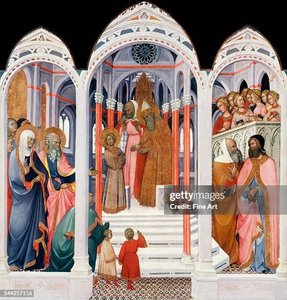
  2. Hristos descoperit în Templu de Simone Martini2Simone Martini
  3. Adoration of the Magi Altarpiece, left hand predella panel depicting the Nativity de Gentile Da Fabriano3Gentile Da Fabriano

Quick facts

Gothic in a nutshell

  • 34Artiști
  • 1161–1465Anii de naștere
  • 8Țări de origine
  • 0Femei
  • 1.535Lucrări din catalogul nostru
Orașele cu cele mai multe nașteri
Florența (5), Siena (3), Fabriano (1), Pisa (1)
Muzee care dețin cele mai importante opere
Metropolitan Museum of Art (7), Galleria degli Uffizi (3), National Gallery (3), National Gallery of Art (2)

Meet them one by one

The 34 famous Gothic artizii, from most famous down

1of 34

Duccio

Italian From Siena Școala Sieneză, Gotic Trecento On Wikipedia in 31 of 32 languages

Duccio

Născut în Siena, Italia, în jurul anului 1255, Duccio Di Buoninsegna a trăit o viață profund împletită cu pulsul religios și civic al Toscanei. The Virgin and Child with Saints Dominic and Aurea (1312). Născut în Siena, Italia, în jurul anului 1255 sau 1256, Duccio Di Buoninsegna a apărut dintr-o ascendență ce i-a modelat însăși identitatea.

Works to know · Their 100 best-known works · Reproducții Duccio

2of 34

Simone Martini

Italian From Siena Gotic internațional On Wikipedia in 28 of 32 languages

Simone Martini

Anunțarea cu Sfânta Margareta și Sfântul Ansanus, 1333 — The Annunciation with St. Ansanus Sfântul Ludovic de Toulouse încoronându-și fratele Robert de Anjou, 1317 Maestà, 1315 Mâinile lui Simone Martini au fost mereu în mișcare pe parcursul călătoriilor sale, lăsând în urmă opere care reflectă nevoile schimbătoare ale patronilor săi.

Taught Lippo Memmi #9

Works to know · Their 100 best-known works · Reproducții Simone Martini

3of 34

Gentile Da Fabriano

Italian From Fabriano International Gothic On Wikipedia in 23 of 32 languages

Gentile Da Fabriano

Gentile da Fabriano, un nume sinonim cu grația opulentă a stilului Gotic Internațional, a apărut în peisajul artistic al Italiei de la sfârșitul secolului al XIV-lea. Deși detaliile despre instruirea sa inițială sunt rare, este evident din cea mai veche lucrare cunoscută, Madonna cu Pruncul (aprox. 1395-1400), aflată acum la Berlin, că a absorbit estetica rafinată a picturii gotice târzii, prevalentă în nordul Italiei.

Works to know · Their 100 best-known works · Reproducții Gentile Da Fabriano

4of 34

Pisanello

Italian From Pisa Gothic Art, Early Renaissance On Wikipedia in 28 of 32 languages

Pisanello

Născut sub numele de Antonio di Puccio Pisano în Pisa, în jurul anului 1395, Pisanello a devenit o figură pivot în tranziția de la stilul Gotic Internațional către Renașterea înfloritoare. În jurul anului 1415-1420, a început un ucenicie crucială sub îndrumarea lui Gentile da Fabriano, consolidându-i traiectoria artistică.

Works to know · Their 100 best-known works · Reproducții Pisanello

5of 34

Stephan Lochner

German From Meersburg Gotic Târziu, Gotic Internațional On Wikipedia in 19 of 32 languages

Stephan Lochner

Născut în jurul anului 1410 în pitorescul oraș Meersburg, din Germania – un loc învăluit în legende și adăpostit de frumusețea spectaculoasă a Lacului Constance – viața lui Stephan Lochner a fost tăiată în întuneric, tragic, la Köln, în jurul anului 1451.

Works to know · Their 100 best-known works · Reproducții Stephan Lochner

6of 34

Agnolo Gaddi

Italian From Florența Gothic, Early Renaissance On Wikipedia in 20 of 32 languages

Agnolo Gaddi

Agnolo Gaddi’s artistic zenith materialized in his monumental frescoes adorning the Basilica di Santa Croce in Florence – a commission that cemented his reputation as one of the foremost painters of his time and solidified his position within the canon of Florentine art history.

Works to know · Their 100 best-known works · Reproducții Agnolo Gaddi

7of 34

Frații Limburg

Olandez From Nimega Gotic Internațional On Wikipedia in 21 of 32 languages

Frații Limburg

În amurgul Evului Mediu, un trio de frați din orașul olandez Nijmegen a apărut pentru a redefini granițele narativului vizual. Herman, Paul și Jean de Limbourg, cunoscuți colectiv sub numele de Frații Limbourg, nu au fost doar pictori, ci arhitecți ai unor lumi în miniatură.

Works to know · Their 100 best-known works · Reproducții Frații Limburg

8of 34

Paolo Veneziano

From Veneția On Wikipedia in 15 of 32 languages

Paolo Veneziano

Paolo Veneziano (aprox. 1333 – 1358) se impune ca o figură monumentală în istoria artei venețiene, fiind recunoscut universal drept cel mai important pictor venețian al secolului al paisprezecea. Născut într-o stirpe artistică chiar în inima Veneției — tatăl său fiind un artist renumit — cariera scurtă, dar strălucitoare, a lui Veneziano a coincis cu o perioate transformatoare în pictura europeană.

Works to know · Their 100 best-known works · Reproducții Paolo Veneziano

9of 34

Lippo Memmi

Italian From Siena Gotic Internațional On Wikipedia in 17 of 32 languages

Lippo Memmi

Lippo Memmi, născut în jurul anului 1291 în inima Siennei, Italia, se distinge ca o figură esențială în tranziția de la tradițiile bizantine medievale la eleganța înfloritoare a stilului Goticului Internațional. Poate cea mai celebră dintre acestea este Anunțarea cu Sfânta Margareta și Sfântul Ansanus (1333), creată în colaborare cu Simone Martini pentru Galeria Uffizi.

Learned from Simone Martini #2

Works to know · Their 100 best-known works · Reproducții Lippo Memmi

10of 34

Spinello Aretino

Italian From Arezzo Legătura dintre școala lui Giotto și școala senese On Wikipedia in 16 of 32 languages

Spinello Aretino

Născut într-o familie de aurari florentini, numele său real era Spinello Di Luca Spinelli, însă istoria îl va cunoaște sub epitetul „Aretino”, semnificând legătura sa cu orașul Arezzo. În primii ani, a lucrat în atelierele aglomerate din Florența, contribuind la lucrări monumentale, precum frescele din biserica Carmine și Santa Maria Novella.

Works to know · Their 100 best-known works · Reproducții Spinello Aretino

11of 34

Bernardo Daddi

Italian From Florența Renaștere timpurie On Wikipedia in 17 of 32 languages

Bernardo Daddi

Bernardo Daddi, născut în Florența în jurul anului 1290 și decedat în 1348, reprezintă o figură pivot în tranziția de la perioada tardogotică către renașterea incipientă a Italiei. La fel de remarcabil este „Martiriul Sfântului Ștefan”, păstrat în Pinacoteca Vaticana — o predella formată din opt panouri pictate în jurul anului 1345.

Works to know · Their 100 best-known works · Reproducții Bernardo Daddi

12of 34

Andrea Pisano

Italian From Pontecorvo Gotic

Andrea Pisano

Andrea Pisano (c. 1290 – 1348 Orvieto) se impune ca o figură monumentală în sculptura Renașterii italiene, însă moștenirea sa artistică este indisolubil legată de era gotică precedentă și profund modelată de influența revoluționară a lui Giotto di Bondone.

Works to know · Their 100 best-known works · Reproducții Andrea Pisano

13of 34

Maestrul Mateo

Spaniol Sculptură Romanică

Maestrul Mateo

Maestrul Mateo, un sculptor al cărui nume rămâne învăluit în mister în ciuda contribuției sale monumentale la Catedrala Santiago de Compostela, se impune ca una dintre cele mai venerate figuri ale artei romanice din Spania. Născut în jurul anului 1161 în Galicia, deși detaliile precise despre viața sa sunt rare, moștenirea lui Mateo se sprijină în principal pe realizarea sa fără egal: Portico de la Gloria.

Works to know · Their 100 best-known works · Reproducții Maestrul Mateo

14of 34

Jean Malouel

Neterlandez (Olandez) From Nijmegen Gotic Internațional On Wikipedia in 16 of 32 languages

Jean Malouel

Jean Malouel, sau Jan Maelwael, așa cum era cunoscut în Țările de Jos natale, ocupă o poziție fascinantă și crucială în tranziția de la arta gotică la cea renascentă. Născut în jurul anului 1375 la Nijmegen, un oraș care făcea parte atunci din Ducatul Guelders, viața sa s-a desfășurat pe fundalul unui patronaj artistic în plină expansiune și al unor curent cultural în continuă schimbare.

Works to know · Their 100 best-known works · Reproducții Jean Malouel

15of 34

Tilman Riemenschneider

German From Heiligenstadt Gotic și Renaștere

Tilman Riemenschneider

Tilman Riemenschneider, a name that echoes through the corridors of German art history, represents a pivotal moment – a bridge between the solemn grandeur of the Late Gothic era and the burgeoning humanism of the Renaissance. Born around 1460 in Heiligenstadt im Eichsfeld, his life unfolded against a backdrop of turbulent political shifts and artistic evolution, shaping him into one of the most compelling sculptors of his time.

Works to know · Their 100 best-known works · Reproducții Tilman Riemenschneider

16of 34

Maestrul Francke (Frater Francke)

Olandez From Cursul Inferior al Rinului Renaștere Gotică On Wikipedia in 14 of 32 languages

Maestrul Francke (Frater Francke)

Johannes Francke, known as Frater Francke, stands as a pivotal figure in the burgeoning artistic landscape of 15th-century Germany – specifically within the vibrant Gothic tradition of Hamburg. Early Life and Training: Precise information regarding Francke's formative years is scarce.

Works to know · Their 100 best-known works · Reproducții Maestrul Francke (Frater Francke)

17of 34

Claus Sluter

Olandez From Haarlem Realism Nordician

Claus Sluter

Claus Sluter (c. 1350-1406) se impune ca unul dintre cei mai influenți sculptori ai erei sale, marcând un punct de cotitură crucial între tradițiile artistice gotice și cele renascentiste din Europa de Nord. Menționarea numelui său în registrul gildei de pietrari din Bruxelles, în jurul anului 1379/1380, confirmă activitatea sa profesională și subliniază importanța măiestriei în cultura artistică medievală.

Works to know · Their 100 best-known works · Reproducții Claus Sluter

18of 34

Jacopo di Cione

Italian From Florence Gothic On Wikipedia in 7 of 32 languages

Jacopo di Cione

Born in Florence sometime between 1320 and 1330, he emerged from a family deeply rooted in artistic tradition—his three elder brothers, Andrea di Cione (Orcagna), Nardo di Cione, and Matteo di Cione—were themselves accomplished painters, establishing a lineage of creative excellence.

Works to know · Their 100 best-known works · Reproducții Jacopo di Cione

19of 34

Jaume Huguet

Catalan From Valls Late Gothic, Flemish influence On Wikipedia in 10 of 32 languages

Jaume Huguet

Between 1440 and 1445, his hand reached into the workshops of Zaragoza and Tarragona, where he encountered the influential Flemish style brought by Luis Dalmau. His ability to command both scale and detail is evident in his diverse body of work: The Archangel St Michael: A celestial sentinel rendered with heroic posture, framed by stylized foliage and a radiant, textured gold leaf that seems to emanate an inner light.

Works to know · Their 100 best-known works · Reproducții Jaume Huguet

20of 34

Lucas Moser

German From Weil der Stadt Late Gothic Art On Wikipedia in 10 of 32 languages

Lucas Moser

Lukas Moser, a name perhaps unfamiliar to many outside the circles of art history, represents a pivotal figure in the transition from the International Gothic style to the burgeoning realism that would characterize early Renaissance painting.

Works to know · Their 100 best-known works · Reproducții Lucas Moser

21of 34

Master Bertram

German From Minden International Gothic On Wikipedia in 13 of 32 languages

Master Bertram

Born in Minden, Germany, around 1345 and passing away in Hamburg circa 1415, Master Bertram remains a captivating figure within the history of European art. Often referred to as Meister Bertram or Master of Minden, he stands as a pivotal artist bridging the International Gothic style with the nascent trends of the early Renaissance in Northern Europe.

Works to know · Their 100 best-known works · Reproducții Master Bertram

22of 34

Pere Serra

Spanish Gothic-Italian

Pere Serra

Pere Serra, also known as Jaume Serra, stands as a compelling figure in the transition from the International Gothic style to the burgeoning Renaissance aesthetic within Catalonia. Born around 1357 and passing away in 1406, his life coincided with a period of significant artistic and cultural change across Europe, yet he maintained a distinctly Catalan sensibility throughout his career.

Works to know · Their 100 best-known works · Reproducții Pere Serra

23of 34

Paolo Di Giovanni Fei

Italian From San Quirico d'Orcia Naturalism, Proto-Renaștere On Wikipedia in 10 of 32 languages

Paolo Di Giovanni Fei

Pietro Lorenzetti, născut în jurul anului 1280 și decedat tragic în 1348 în timpul pandemiei devastatoare a Mortei Negre, rămâne o figură centrală în evoluția picturii italiene.

Works to know · Their 100 best-known works · Reproducții Paolo Di Giovanni Fei

24of 34

Giovannino De' Grassi

Italian From Milan Gothic Illuminations

Giovannino De' Grassi

Giovannino de’ Grassi remains one of the most captivating enigmas of the late medieval period, a figure whose brushstrokes breathed life into the prestigious Visconti court of Milan. He operated in an era where the transition from the rigid structures of the Middle Ages to the burgeoning naturalism of the early Renaissance was beginning to stir, and de’ Grassim stood at the very heart of this aesthetic evolution.

Works to know · Their 100 best-known works · Reproducții Giovannino De' Grassi

25of 34

Lluís Borrassà

Catalan From Girona International Gothic On Wikipedia in 8 of 32 languages

Lluís Borrassà

A pioneer who fundamentally reshaped the visual language of Catalonia, Borrassà emerged from the historic streets of Girona to become a master of the International Gothic style. The foundations of Borrassá’s mastery were laid in his youth, likely under the guidance of his father, Honorat Borrassà, a fellow painter.

Works to know · Their 100 best-known works · Reproducții Lluís Borrassà

26of 34

Michele Giambono

Italian From Venice International Gothic On Wikipedia in 10 of 32 languages

Michele Giambono

In the heart of fifteenth-century Venice, a city defined by its shimmering lagoons and unparalleled maritime wealth, the artistry of Michele Giambono emerged as a luminous bridge between the medieval past and the dawning Renaissance. As a follower of luminaries such as Jacobello del Fiore and Gentile da Fabriano, Giambono inherited a fascination with delicate line work and the use of precious materials to evoke the celestial realm.

Works to know · Their 100 best-known works · Reproducții Michele Giambono

27of 34

Giovanni dal Ponte

Italian From Florența Gotic tardiu/Renasciment timpuriu On Wikipedia in 7 of 32 languages

Giovanni dal Ponte

Giovanni di Marco, known as Giovanni dal Ponte or da Ponte (Florence, 1385 – Florence, 1437), represents a fascinating transition in artistic style within early Renaissance Florence. His very moniker, “dal Ponte” – meaning "from the bridge" – speaks to his roots; it derived from the location of his workshop near the Piazza di Santo Stefano a Ponte, a bustling hub in the city’s vibrant commercial and artistic landscape.

Works to know · Their 100 best-known works · Reproducții Giovanni dal Ponte

28of 34

Teodoric De La Praga

Ceh From Italia Gotic On Wikipedia in 16 of 32 languages

Teodoric De La Praga

El a servit ca pictor preferat al curții lui Carol al IV-lea, Împăratul Sfântului Imperiu Roman. Mâna artistului era strâns legată de curtea lui Carol al IV-lea, Împăratul Sfânt Roman. Între anii 1359 și 1367, Teodoric De La Praga a activat ca pictor principal al curții, operând atât în Praga, cât și la Castelul Karlštejn.

Works to know · Their 100 best-known works

29of 34

Niccolò Di Pietro Gerini

Italian From Florența Gotic târziu On Wikipedia in 6 of 32 languages

Niccolò Di Pietro Gerini

Născut în jurul anului 1368 în Florența și decedat în jurul anului apus al secolului al XV-lea, cariera lui Gerini s-a desfășurat pe fundalul unui ferment artistic, unde tradiția și experimentarea dansau într-un echilibru delicat.

Works to know · Their 100 best-known works · Reproducții Niccolò Di Pietro Gerini

30of 34

Pacino Di Bonaguida

Italian From Florența Art Gotică On Wikipedia in 4 of 32 languages

Pacino Di Bonaguida

Activ fiind în principal în Florența între aproximativ 1303 și 1347, viața lui Pacino rămâne învăluită în mister — o soartă comună multor artiști din epoca sa. Apare pentru prima dată în înregistrări în anul 1303, când dizolvă o asociere cu Tambo di Serraglio, fiind descris la acea vreme ca un „publicus artifex in arte pictorum” – un artist public în arta picturii.

Works to know · Their 100 best-known works · Reproducții Pacino Di Bonaguida

31of 34

Master Of The Life Of The Virgin

German Late Gothic On Wikipedia in 11 of 32 languages

Master Of The Life Of The Virgin

The earliest evidence of his workshop dates back to around 1463, with the completion of a series of eight panels for the Ursulakirche (Ursuline Church) in Cologne. These scenes – including the Annunciation, Visitation, Nativity, Presentation in the Temple, Flight into Egypt, and various episodes from Mary’s childhood and later life – quickly established his reputation.

Works to know · Their 100 best-known works

32of 34

Jan Baegert

From Wesel Late Gothic On Wikipedia in 3 of 32 languages

Jan Baegert

By 1492, Jan Baegert was recognized as a master in Kalkar, a significant milestone that confirmed his ability to manage large-scale commissions independently. Following the death of his father in 1502, Jan Baegert took over the family business in Wesel.

See them at Tracing the physical remains of Jan Baegert’s output requires looking toward the Westphalian and Lower Rhine regions.

Works to know · Their 100 best-known works · Reproducții Jan Baegert

33of 34

Master Of The Osservanza

Italian Late Gothic On Wikipedia in 8 of 32 languages

Master Of The Osservanza

He was born around 1405 in Siena, likely into a family involved in the production of dyes—a profession reflected in his surname, “ di Pietro ” (of Peter).

Works to know · Their 100 best-known works

34of 34

Master of Heiligenkreuz Abbey

Austrian International Gothic On Wikipedia in 5 of 32 languages

Master of Heiligenkreuz Abbey

The earliest known works attributed to the Master are diptychs – two-panel paintings – discovered at the Cistercian Abbey of Heiligenkreuz in southeastern Austria. The left panel depicts the Annunciation, showcasing the Virgin Mary receiving the news of her divine conception, while the reverse portrays the Madonna and Child – a tender scene brimming with serenity.

Works to know · Their 100 best-known works

Pictures worth knowing

Famous Gothic works to recognise

  1. Maestà (Madonna cu îngeri și sfinți) de Duccio

    Maestà (Madonna cu îngeri și sfinți)

    Duccio

    1308 · Museo dell'Opera del Duomo, Siena

  2. Hristos descoperit în Templu de Simone Martini

    Hristos descoperit în Templu

    Simone Martini

    1342 · Walker Art Gallery, Liverpool

  3. Adoration of the Magi Altarpiece, left hand predella panel depicting the Nativity de Gentile Da Fabriano

    Adoration of the Magi Altarpiece, left hand predella panel depicting the Nativity

    Gentile Da Fabriano

    1423 · Galleria degli Uffizi, Florența

  4. Saint George and the Princess de Pisanello

    Saint George and the Princess

    Pisanello

    1435

  5. Madonna of the Rose Bush de Stephan Lochner

    Madonna of the Rose Bush

    Stephan Lochner

    1440 · Wallraf-Richartz-Museum, Cologne

  6. The Last Supper de Agnolo Gaddi

    The Last Supper

    Agnolo Gaddi

    1395 · Lindenau-Museum, Altengau

  7. Les très riches heures du Duc de Berry: Avril (April) de Frații Limburg

    Les très riches heures du Duc de Berry: Avril (April)

    Frații Limburg

    1412 · Musée Condé, Chantilly

  8. Rediscovery of the Relics of St Mark de Paolo Veneziano

    Rediscovery of the Relics of St Mark

    Paolo Veneziano

    1345 · Basilica di San Marco, Veneția

When it happened

Gothic, step by step

  1. 1308
  2. 1333
  3. 1334
  4. 1336
  5. 1340
  6. 1342
  7. 1375
  8. 1383
  9. 1390
  10. 1394
  11. 1395
  12. 1395
  13. 1395
  14. 1410

Fun figures

The numbers behind the list

Just the names

List of 34 famous Gothic artizii to know

  1. 1DuccioDuccioItalian · 1255–1319
  2. 2Simone MartiniSimone MartiniItalian · 1284–1344
  3. 3Gentile Da FabrianoGentile Da FabrianoItalian · 1370–1427
  4. 4PisanelloPisanelloItalian · 1395–1455
  5. 5Stephan LochnerStephan LochnerGerman · 1410–1451
  6. 6Agnolo GaddiAgnolo GaddiItalian · 1350–1396
  7. 7Frații LimburgFrații LimburgOlandez · 1385–1416
  8. 8Paolo VenezianoPaolo Veneziano1333–1358
  9. 9Lippo MemmiLippo MemmiItalian · 1291–1356
  10. 10Spinello AretinoSpinello AretinoItalian · 1350–1410
  11. 11Bernardo DaddiBernardo DaddiItalian · 1290–1348
  12. 12Andrea PisanoAndrea PisanoItalian · 1290–1348
  13. 13Maestrul MateoMaestrul MateoSpaniol · 1161–1217
  14. 14Jean MalouelJean MalouelNeterlandez (Olandez) · 1370–1415
  15. 15Tilman RiemenschneiderTilman RiemenschneiderGerman · 1460–1531
  16. 16Maestrul Francke (Frater Francke)Maestrul Francke (Frater Francke)Olandez · 1380–1435
  17. 17Claus SluterClaus SluterOlandez · 1355–1406
  18. 18Jacopo di CioneJacopo di CioneItalian · 1325–1399
  19. 19Jaume HuguetJaume HuguetCatalan · 1445–1492
  20. 20Lucas MoserLucas MoserGerman · 1390–1443
  21. 21Master BertramMaster BertramGerman · 1345–1415
  22. 22Pere SerraPere SerraSpanish · 1357–1406
  23. 23Paolo Di Giovanni FeiPaolo Di Giovanni FeiItalian · 1345–1411
  24. 24Giovannino De' GrassiGiovannino De' GrassiItalian · 1350–1398
  25. 25Lluís BorrassàLluís BorrassàCatalan · 1360–1425
  26. 26Michele GiambonoMichele GiambonoItalian · 1400–1462
  27. 27Giovanni dal PonteGiovanni dal PonteItalian · 1385–1438
  28. 28Teodoric De La PragaTeodoric De La PragaCeh ·
  29. 29Niccolò Di Pietro GeriniNiccolò Di Pietro GeriniItalian · 1368–1415
  30. 30Pacino Di BonaguidaPacino Di BonaguidaItalian · 1280–1340
  31. 31Master Of The Life Of The VirginMaster Of The Life Of The VirginGerman ·
  32. 32Jan BaegertJan Baegert1465–1535
  33. 33Master Of The OsservanzaMaster Of The OsservanzaItalian ·
  34. 34Master of Heiligenkreuz AbbeyMaster of Heiligenkreuz AbbeyAustrian ·

Good questions

What people ask about Gothic

  • Who is the most famous Gothic artist?

    Duccio (#1) is first in this ranking, followed by Simone Martini (#2) and Gentile Da Fabriano (#3).

  • Who are the 5 most famous Gothic artizii?

  • What techniques did Gothic artizii use?

    “More than simply perpetuating a revered lineage, Gaddi’s artistic journey represents a pivotal moment in Florentine art history: he skillfully bridged the gap between the solemn grandeur of Giotto's frescoes and the burgeoning optimism of a new era.” — from our biography of Agnolo Gaddi (#6).

  • Which Gothic masters trained other famous artizii?

    Simone Martini (#2) taught Lippo Memmi (#9).

  • Which country produced the most Gothic artizii?

    Italia: 15 of the 34 artizii in this list were born there, then Germany (4) și Germania (3).

  • Where are the great works of Gothic art today?

    The museums holding the most key works of this list are Metropolitan Museum of Art (7), Galleria degli Uffizi (3) și National Gallery (3).

  • Who was the first Gothic artist?

    The earliest-born artist in this list is Maestrul Mateo (#13), born in 1161.

  • Who are the great Gothic artizii of Italia?

    The highest-ranked artizii born in Italia are Duccio (#1), Simone Martini (#2), Gentile Da Fabriano (#3), Pisanello (#4) și Agnolo Gaddi (#6).

  • Which city produced the most Gothic artizii?

    Florența: 5 of the artizii in this list were born there.

  • When were most Gothic artizii born?

    Most artizii in this list were born in the Secolul 14th (18 of 34), between 1161 and 1465 overall.

  • Can I order a painting by a famous Gothic artist?

    Our catalogue holds 1,535 works by these artizii. Each one can be ordered as a hand-painted oil reproduction or a print.

Read more

More stories on ArtsDot.com

Other styles

Famous artists of other styles

Other eras

Famous artists of other eras

Keep exploring

Where to go next