O via luminată: Călătoria lui Henry Ossawa Tanner
Născut în Pittsburgh, Pennsylvania, în 1859, Henry Ossawa Tanner a înviat dintr-o familie profund înrădăcinată în credință și activism. Tatăl său, reverendul Benjamin Tucker Tanner, a fost o figură proeminentă în cadrul Bisericii African Methodist Episcopal, în timp ce mama sa, Sarah Elizabeth Tanner, purta cu sine poveștile nescrise ale evadării din sclavie prin Calea Subterană (Underground Railroad). Această moștenire i-a insuflat tânărului Henry un simț profund al identității și al scopului, elemente care urmau să pătrundă în întreaga sa viziune artistică. Încă de la o vârstă fragedă, acesta a dat dovadă de un interes deosebit pentru artă, cultivat prin observația pictorilor locali și încurajat în ciuda barierelor sociale cu care se confruntau artiștii afro-americani de atunci. Mutarea familiei sale la Philadelphia s-a dovedit a fi crucială, expunându-l unui peisaj cultural vibrant și pregătind terenul pentru instruirea formală la Academia de Fine Artă din Pennsylvania în 1879. Acolo, sub îndrumarea lui Thomas Eakins — o figură revoluționară care susținea realismul și studiul anatomic — Tanner și-a perfecționat abilitățile tehnice și a dezvoltat un angajament neclintit de a surprinde adevărul pe pânză. Totuși, chiar și în cadrul academiei, el s-a confruntat cu prejudecata, un memento constant al provocărilor ce îl așteptau.Trezirea pariziană: Găsirea vocii și a recunoașterii
Un punct de cotitură a sosit în odobă anului 1891, când Tanner a pornit într-o călătorie spre Paris, intenționând inițial ca acesta să fie doar o etapă către studii suplimentare în Roma. Totuși, farmecul capitalei franceze s-a dovedit a fi irezistibil. S-a înscris la Académie Julian, scufundându-se în comunitatea artistică înfloritoare a orașului și absorbind influențele artei academice franceze și ale impresionismului incipient. Tocmai în Paris că Tanner și-a găsit cu adevărat vocea, fiind eliberat de unele dintre constrângerile impuse de prejudecățile rasiale din țara sa. Opera sa a început să rezoneze cu publicul european, fiind marcată de un realism distinctiv, îmbogățit cu profunzime spirituală. Acceptarea picturii Daniel în peștera cu lei în prestigiosul Salon din 1896 a reprezentat un moment de referință — o confirmare răsunătoare a talentului său și o descoperire majoră pentru un artist afro-american pe scena internațională. Acest succes i-a deschis porțile către noi expoziții și comenzi, consacrându-l pe Tanner ca o figură respectată în cercurile artistice pariziene. El nu doar supraviețuia, ci înflorea, sfidând așteptările și deschizând calea generațiilor viitoare.Teme ale credinței și umanității: O viziune artistică unică
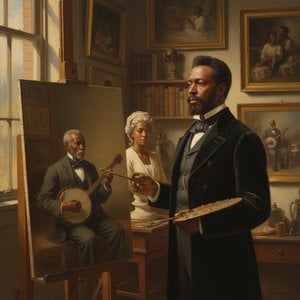
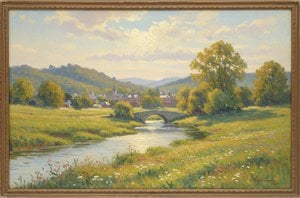
Opera lui Tanner este caracterizată printr-un joc fascinant între realism, simbolism religios și portretări intime ale experienței umane. În timp ce lucrările timpurii, precum Lecția de banjoc (The Banjo Lesson) (1893), ofereau reprezentări demne ale vieții afro-americane — un contrast izbitor cu caricaturile prevalent în acea epocă — el s-a îndreptat tot mai mult către narațiunile biblice ca mijloc de a explora teme universale ale credinței, suferinței și mântuirii. Tablouri precum Hristos mergând pe apă, Învierea lui Lazăr și Bunul Păstor nu sunt doar reprezentări ale scripturii; ele sunt meditații profunde asupra spiritualității, realizate cu un control magistral al luminii, compoziției și nuanțelor emoționale. Adesea, el imbuea scenele sale religioase cu un sentiment de contemplare liniștită, portretizându-l pe Hristos ca pe o figură profund umană, mai degrabă decât ca pe o divinitate detașată. Această abordare a rezonat cu publicul care căuta consolare și sens într-o lume în schimbare rapidă. Dincolo de subiectele biblice, Tanner a explorat și peisajele și vederile panoramice — precum spectaculoasa piesă Vederea panoramică a Palatului și Grădinilor Versailles — demonstrându-și versatilitatea și măiestria tehnică.Moștenire și impact durabil: Sfărâmarea barierelor și inspirarea generațiilor
Henry Ossawa Tanner rămâne o figură monumentală în istoria artei americane, nu doar pentru realizările sale artistice, ci și pentru rolul său de pionier în eliminarea barierelor rasiale. A fost primul pictor afro-american care a obținut o recunoaștere internațională pe scară largă, sfidând stereotipurile și deschizând porțile pentru numeroșii artiști care i-au urmat pașii. Succesul său a contrazis așteptările și a demonstrat că talentul nu cunoaște culoarea. Influența lui Tanner se extinde dincolo de domeniul artei; el a devenit un simbol al speranței și al rezilienței pentru comunitatea afro-americană, dovedind că excelența poate triumfa asupra adversității. În 1923, a fost onorat ca cavaler al Legii Onorii de către guvernul francez, iar în 1927, a devenit membru deplin al Academiei Naționale de Design — dovezi suplimentare ale statutului său artistic. Deși a rămas expat în cea mai mare parte a carierei sale, Tanner nu și-a uitat niciodată rădăcinile, continuând să miluiască egalitatea și să inspire schimbarea prin arta sa. A decedat în Paris în 1937, lăsând în urmă o moștenire care continuă să lumineze și să împuternicească artiștii de astăzi. Opera sa rămâne un memento puternic al puterii transformatoare a artei și al spiritului uman indestructibil.Lucrări remarcabile
- Lecția de banjoc (1893): O reprezentare emoționantă a vieții afro-americane, evidențiind demnitatea și măiestria.
- Daniel în peștera cu lei (1896): Tabloul care l-a catapultat pe Tanner spre aclamația internațională.
- Învierea lui Lazăr (1897): O explorare magistrală a credinței și mântuirii, celebrată pentru iluminarea sa dramatică.
- Anunțarea (1898): O interpretare unică a scenei biblice, plină de o liniște contemplativă.
- Hristos mergând pe apă (aprox. 1910): O reprezentare puternică și evocatoare a unui moment crucial din scriptura creștină.
Întrebări și răspunsuri
Unde pot vedea operele lui Henry Ossawa Tanner în ordine cronologică?
Există o cronologie a lucrărilor lui Henry Ossawa Tanner: pagina Cronologia operelor de artă a artistului ordonează operele în funcție de data creației.
Există o prezentare generală a tuturor subiectelor pictate de Henry Ossawa Tanner?
Pagina Atlas pe teme clasifică operele lui Henry Ossawa Tanner pe teme.
Unde pot vedea toate operele lui Henry Ossawa Tanner?
Toate lucrările lui Henry Ossawa Tanner de pe acest site web pot fi explorate în pagina Toate operele de artă a artistului.