Previzualizare
 Trimite prin felicitare
 Distribuie
 Detalii despre lucrare
 Ghid
Ghid

 Descarcă imaginea
 Produse similare
 Radiografie
 Galerie foto
 Întrebări și răspunsuri
 Statistici
Sheep

- 9.0 x 22.0 cm


 Vezi mai mult
Giclée / Imprimare artistică
Printuri giclée sau pe canvas de calitate muzeală, cu proces de producție rapid și opțiuni flexibile de finisare. ( Comandă pictură realizată manual Comută pe Imagine Digitală)




P118B lei10

P118H lei10

P118W lei10

P438Z lei10

P508JH lei12

P508YH lei12

P805H lei10

P805Z lei10

P919BZ lei10

P919G lei10

P919XJ lei10

P959ZH lei10

P968JZ lei12

W106C lei8

W218G lei10

W218JH lei8

W218Y lei10

W307PJ lei10

W316G lei10

W316PJ lei8

W316Y lei10

W398PJ lei8

W4111J lei10

W500HY lei15

W500JH lei15

W692G lei12

W849H lei8

W940BG lei15

W953PJ lei8




Alegeți dintre dimensiunile noastre prestabilite, care respectă proporțiile originale ale operei de artă.

Introduceți lățimea și înălțimea necesare pentru a se potrivi ramei sau peretelui dumneavoastră. O printare poate fi doar tăiată, niciodată extinsă dincolo de dimensiunea imaginii originale, astfel încât o dimensiune cu o formă diferită va pierde o parte din imagine. Vă trimitem o simulare digitală pentru aprobare înainte de a imprima orice. Imaginea afișată pe această pagină nu prezintă tăierea reală — doar simularea arată acest lucru.
Livrare în întreaga lume () în 2 săptămâni, în loc de cele 4/5 săptămâni standard. (16 Noiembrie)

Livrare expres gratuită la nivel mondial

Pânză de in de înaltă calitate

Asigurare completă pentru transport

Garanție de rambursare a taxelor vamale

Garanția fidelității culorilor

Politica de retur în 100 de zile (doar pentru defecte de fabricație)

Garanție de rambursare 100%

Ofertă pentru comenzi multiple
 Opțiunea cu sticlă este disponibilă doar pentru dimensiuni de sub 110 cm

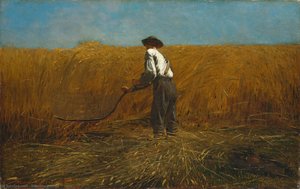
Sheep
Giclée / Imprimare artistică
Dimensiune reproducere
-


Preț total calculat
lei 299
A Moment Frozen in Time: The Quiet Grandeur of Winslow Homer’s ‘Sheep’
In the vast tapestry of American Realism, few works capture the profound stillness of rural existence as poignantly as Winslow Homer’s 1878 masterpiece, “Sheep.” This is not merely a depiction of livestock grazing in a meadow; it is a distilled essence of the American spirit—a quiet observation of pastoral life imbued with an understated, almost monumental grandeur. Through his masterful command of tonal shading and textural detail, Homer invites the viewer into a world where time seems to decelerate, allowing for a deep, meditative connection with the landscape. Executed with a delicate yet powerful hand in dark graphite and white gouache on vat-dyed wove paper, the piece transcends its simple subject matter to become a window into the soul of late 19th-century New England.
The composition presents a flock of sheep scattered across a sunlit meadow, their forms rendered with such precision that one can almost feel the weight of their presence against the earth. Homer deliberately eschewed the grand, sweeping historical narratives favored by many of his contemporaries, choosing instead to find the extraordinary within the ordinary. By focusing on these everyday scenes, he established a visual language rooted in authenticity and truth. The technique is nothing short of remarkable; the graphite underdrawing provides a sturdy, structural foundation, while the application of white gouache lends a luminous quality to the composition. This interplay of light and shadow creates a breathtaking illusion of three-dimensionality, drawing the eye through the depth of the field and making the sheep appear as tangible, living entities standing upon the textured ground.
Symbolism and the Resonance of the Pastoral
Beyond its immediate visual charm, “Sheep” carries a profound symbolic weight that resonates with the themes of the Romantic movement. Throughout art history, sheep have served as enduring symbols of innocence, simplicity, and pastoral tranquility. In this work, Homer utilizes these archetypes to evoke a sense of peace and stability, offering a serene counterpoint to the burgeoning industrialization of the era. The painting captures a quintessential image of rural life that feels both timeless and deeply rooted in a specific historical moment. There is a wistful beauty in the way the light touches the fleece, suggesting a world of quiet dignity and unhurried rhythms.
For the discerning collector or interior designer, this artwork offers more than just aesthetic pleasure; it provides an emotional anchor. The monochromatic palette, characterized by its classic and timeless appearance, allows the piece to integrate seamlessly into a variety of sophisticated environments. Whether placed in a sun-drenched gallery or a moody, contemporary study, the high contrast and masterful shading of Homer’s work command attention without overwhelming the space. It is an invitation to pause, to breathe, and to rediscover the beauty found in the most humble corners of the natural world.
Întrebări și răspunsuri
Este "Sheep" de Winslow Homer o operă de artă cunoscută?
"Sheep" de Winslow Homer are un nivel de popularitate Recognized. Această clasificare reflectă cât de larg este recunoscută lucrarea.
La ce vârstă a creat Winslow Homer opera „Sheep”?
Când „Sheep” a fost creat în 1878, Winslow Homer – născut în 1836 – avea 42 ani.
Ce loc ocupă "Sheep" de Winslow Homer în istoria artei?
"Sheep" de Winslow Homer aparține mișcării American Realism, din perioada 19th Century. Împreună, acestea conferă operei locul său în istoria artei.
Opere similare
![Indian Tobacco Shop Sign [reverse, Indian Facing Right] — Winslow Homer, Contemporary Realism](/media/artworks/images-thumb/74/22/7422432cafc295265ef3b7f7fa62d35d.jpg)


Biografie artist
Viața și originile lui Winslow Homer
Winslow Homer a ajuns în Boston, Massachusetts, pe 24 februarie 1836. El a fost al doilea din trei fii născuți de Charles Savage Homer și Henrietta Maria Benson. Tatăl său, un comerciant, a părăsit în cele din urmă familia pentru a căuta fortuna în timpul căminii de aur din California. Această plecare a lăsat gospodina să fie modelată de prezența mamei sale, Henrietta Maria Benson Homer. Aceasta era o watercoloristă amatoare deosebită, care a devenit prima sa profesoară, transmițându-i o modalitate de a vedea lumea prin aplicarea delicată a culorii.
Copilul a crescut într-un cămin în care munca liniștită a artei era o prezență cunoscută. În timp ce tatăl său urmărea oportunități îndepărtate, influența acuarelelor mamei sale a rămas prezentă. Această expunere timpurie la acest medium a ajutat la formarea fundamentului lucrărilor sale ulterioare. Copilăria sa în zona rurală a orașului Cambridge, Massachusetts, i-a oferit un fundal de viață constantă și observatoare, înainte de a trece la ritmul mai frenetic al muncii comerciale.
Tinerețea, familia și formarea artistică
Creșterea în zonele rurale ale orașului Cambridge, Massachusetts, i-a oferit primii ani de viață un decor liniștit și contemplativ. Încă de la vârsta de unsprezece ani, Winslow Homer a început să schițeze, descoperindu-și propriul drum prin simplul și pur simplu act al desenului. Mama sa, o pictoriță cu acuarelă care realiza studii de plante și flori, a fost prima sa profesoară. Aceasta a cultivat cu el o legătură profundă, transmisându-i nu doar talentul artistic, ci și un anumit temperament observator. În contrast, tatăl său, un comerciant, a fost un om neliniștit, care a ales în cele din urmă să părăsească familia pentru a căuta fortuna în timpul căutării de aur din California și, ulterior, în Europa.
La nouăsprezece ani, el a intrat într-un program de ucenicie de doi ani sub îndrumarea lui J. H. Bufford, un litograf comercial din Boston. A fost o experiență repetitivă, aproape monotonă, în care își petrecea zilele lucrând la copertile pentru partiturile muzicale — o sarcină ce cerea un tip de disciplină riguroasă și o mână fermă. Această perioadă de activitate comercială a ajutat la dezvoltarea acelei clarități și a detaliului care, în anii ce vor urma, i-ar fi definit viziunea artistică. În cele din urmă, s-a îndreptat către studiul formal, participând la cursurile de la National Academy of Design până în 1863, perioadă în care a petrecut, de asemenea, un scurt timp studiind sub îndrumarea lui Frederic Rondel.
Ilustratorul Freelance și Corespondentul de Război
Până în anul 1857, Winslow Homer începuse deja să își traceze propriul drum spre independență artistică, luând decizia de a refuza o poziție stabilă la Harper's Weekly. Își deschise propriul atelier în Boston, dedicând aproape două decenii muncii de ilustrator. Desenul său prindea viață în diverse publicații, printre care și în celebrele Ballou's Pictorial. În 1859, mutarea sa la New York City a reprezentat un moment de cotitură, plasându-l direct în epicentrul activității editoriale a națiunii.
Însă izbucnirea Războiului Civil American a rescris complet natura observațiilor sale. Între 1861 și 1865, Harper's l-a trimis pe front, unde, în calitate de „artist special”, a avut misiunea de a cronica viața trupelor Uniunii în Virginia. El și-a petrecut zilele schițând realitățile dure ale vieții de campanie și scenele tumultuase ale bătăliilor. Aceste schițe nu erau simple ilustrații, ci adevărate mărturii ale mișcării și ale momentelor de liniște, adesea grele și melancolice, princinse în ochii soldaților.
- Sharpshooter on Picket Duty (1862)
- Home, Sweet Home (1863)
- Prisoners from the Front (1866)
Evoluția artistică în New York și Europa
În anul 1859, Winslow Homer a mutat în New York City, unde și-a deschis un atelier în Tenth Street Studio Building. Această mutare a marcat o tranziție crucială, de la activitatea sa anterioară de ilustrator freelance către o căutare mai dedicată și profundă a picturii. Până în 1863, a dedicat timp studiului la National Academy of Design, primind îndrumări de la Frédéric Rondel. Pe parcursul acestor ani, stilul său a început să se îndepărteze de contururile simple ale gravurilor comerciale, evoluind către densitatea și greutatea picturii în ulei. Operele sale din această perioadă reflectau adesea realitățile dure ale epocii, incluzând impactul devastator al războiului asupra vieții de acasă.
Anii care au urmat l-au purtat prin diverse regiuni din New York, Virginia și Massachusetts. În 1867, a petrecut un an în Franța și a vizitat Europa, o experiență care a coincis cu interesul său tot mai crescut pentru peisaj. Până în anii 1870, viziunea sa artistică s-a orientat către scenele care înlănțuiră copilăria și tinerețea feminină, reflectând o anumită nostalgie pentru vremurile mai simple. Winslow Homer dezvolta un stil obiectiv și autentic față de ceea ce observa, evitând rafinamentele excesive și polate care erau adesea întâlnite în academiiile de artă de la acea vreme.
În 1881, a început o ședere de doi ani în Anglia, locuind în Cullercoats, aproape de Newcastle. Această perioadă petrecută în proximitatea coastei avea să îi influențeze profund modul în care va aborda elementul marin în anii de đâu
Anii din Maine și călătoriile tropicale
În anul 1884, Winslow Homer s-a stabilit în Prout's Neck, Maine, un loc care avea să devină centrul lumii sale artistice pentru următoarele trei decenii. A trăit și a pictat într-un atelier care fusese extins și adaptat meticulozios pentru a-i servi nevoilor creative, situat pe o porțiune de coastă unde prezența Oceanului Atlantic era o constantă, aproape hipnotică. A petrecut o mare parte din timpul său acolo, capturând forța elementelor adesea de pe o balcon care dădea peste apele neîmblânzite, menținându-și pasiunea chiar și în lunile aspre de iarnă.
Totuși, iernile grele și melancolice din Maine au determinat o nevoie de schimbare a peisajului. Între anii 1884 și 1905, Winslow Homer a pornit în numeroase călătorii, părăsind coasta Maine pentru lumile calde ale tropicilor. A explorat Bahamas, Florida, Cuba și Bermuda, excursii care l-au purtat de la frumusețile Caribienilor până în peisajele din Adirondacks sau prin vastul teritoriu al Canadei. În aceste regiuni însorite, artistul a apelat la delicateza acuarelui pentru a surprinde jocul luminos și texturile diverse, aproape senzoriale, ale peisajelor exotice.
- Natural Bridge, Bahamas (1898)
- Woman Standing by a Gate, Bahamas (1885)
- Spanish Moss at Tampa (1886)
Tehnică, Stil și Măiestrie Artistică
Primele sale lucrări în domeniul gravurilor comerciale se bazau pe contururi clare și forme simplificate, utilizând un contrast dramatic între lumină și întuneric pentru a-și defini subiectele. Această claritate grafică s-a păstrat și în picturile sale ulterioare. În marile sale lucrări de studio realizate în ulei, pictura emană o senzație de greutate și densitate, apelând adesea la tehnica chiaroscuro, prin care jocul de lumini și umbre sculpta forma și construia o atmosferă profundă pe pânză.
Winslow Homer a fost la fel de prolific în pictura pe acuarelă, abordând acest medium într-un mod fluid și direct. Atunci când picta regiunea Caraibilor, a profitat de transparența inherentă a acuarelui pentru a replica claritatea cristalină a mării din Bahamas. Această capacitate de a stăpâni atât aplicarea densă a uleiului, cât și lavajele delicate ale acuarelui, i-a permis să surprindă diverse aspecte și nuanțe ale lumii naturale.
Opere Cheie și Capodopere
Primele sale lucrări dezvăluie o atenție minuțioasă pentru detaliile intime ale vieții domestice. În Lady Wearing Spectacles, pictată în jurul anului 1840, subiectul stă relaxat pe o scaun, în timp ce ochelarii îi captează lumina într-un joc subtil. Această etapă a creației sale reflectă o observație liniștită a oamenilor din jurul său. Pe măsură ce anii treceau și artistul se îndrepta spre liniile de front ale Războiului Civil, tematica sa s-a transformat radical. A compus Sharpshooter on Picket Duty în 1862 și Home, Sweet Home în 1863, opere care au capturat realitatea brută a conflictului prin intermediul schițelor și picturilor sale pline de încărcătură emoțională.
Marea a devenit o prezență constantă în ultimii săi ani. Breezing Up, realizată în jurul anului 1876, surprinde mișcarea unei barci care prinde un vânt favorabil, plină de energie. Până în 1885, focalizarea sa se mutase asupra luptei omului cu elementele, așa cum se vede în The Fog Warning, Halibut Fishing. Winslow Homer revenea adesea pe coasta accidentată a statului Maine, unde densitatea picturii și textura pânzei oglindeau atmosfera grea și îmbibată de sare a Oceanului Atlantic. În 1896, The Lookout - "All's Well" a oferit o perspectivă de la marginea pământului, privind spre orizontul nesfârșit.
Ultimele sale ani au fost dedicați observării fluxului marei și a forțelor naturii. The Gulf Stream, creată în 1906, înfățișează un om în fața vastității oceanului. Ultima sa operă finalizată, Driftwood, a fost pictată în 1909. Aceste picturi tardive poartă în ele o senzație profundă a lumii fizice — stropii de apă, granulația nisipului și forța implacabilă a curenților marini.
- Lady Wearing Spectacles, circa 1840
- Sharpshooter on Picket Duty, 1862
- Home, Sweet Home, 1863
- Breezing Up, circa 1876
- The Fog Warning, Halibut Fishing, 1885
- The Lookout - "All's Well", 1896
Anii de la următoarele și moartea
Atelierul de la Prout's Neck a devenit centrul universului său. Între anul 1884 și sfârșitul vieții, Winslow Homer a trăit și a pictat în interiorul acestor pereți, într-un spațiu care fusese extins și adaptat pentru a-i servi nevoilor artistice. Și-a petrecut ultimele decenii acolo, lucrând odată cu trecerea anotimpurilor și găsind un ritm propriu în lumina coastieră. Clădirea, o structură pe două etaje cu o suprafață de aproximativ 200 de metri pătrați, a păstrat viața și opera sa într-o prezență liniștită și constantă.
Moartea sa a survenit în Maine, în anul 1910. Ultimul său răspiroaer a avut loc în propriul atelier, pe data de 30 septembrie 1910. A fost un om care și-a dedicat întreaga existență observării mișcării mării și a greutății aerului, rămânând ancorat în acel spațiu până la cel din urmă. Cenotafurile sale de memorie rămân în conștiința artelor, în timp ce resturile sale au fost depozitate la Mount Auburn, în Lotul 563, pe Lily Path.
Moștenire și Importanță Istorică
Winslow Homer rămâne o figură centrală în dezvoltarea Realismului american. Opera sa deschide o fereastră spre experiența americană a secolului al XIX-lea, capturând o națiune aflată în mijlocul unei schimbări rapide. El nu a căutat stilurile academice, lucioase, ale Europei, ci s-a concentrat, în schimb, pe realitățile oneste și adesea dificile ale propriei sale țări. Această dedicare de a vedea lucrurile așa cum sunt — de la consecințele Războiului Civil până la peisajele schimbătoare ale coastelor — îi asigură locul printre cei mai importanți artiști din tradiția americană.
Capacitatea sa de a documenta tensiunea dintre viața umană și lumea naturală continuă să influențeze modul în care artiștii contemporani își abordează subiectele. El s-a îndepărtat de scenele idilice ale tinereții pentru a înfrunta forțele elementare ale mării și reziliența tăcută a oamenilor care se confruntă cu suferința. Această tranziție de la viziunile pastorale la un stil mai direct, observațional, a ajutat la definirea unei moduri de a vedea unică, autentic americane. Picturile sale nu oferă o versiune romanticizată a istoriei; ele oferă o înregistrare a acesteia.
- The Gulf Stream (1906)
- Breezing Up (1876)
- The Fog Warning (1885)
- Undertow (1886)
- Driftwood (1909)
Unde poți vedea astăzi aceste capodopere
Urmărirea prezenței fizice a operei sale te poartă într-o călătorie prin câteva dintre cele mai importante instituții de artă din Statele Unite ale Americii. Metropolitan Museum of Art din New York găzduiește 26 de piese semnate de el. Aproape de acesta, Brooklyn Museum din New York City păstrează o colecție de 17 lucrări. Pentru cei care își îndreaptă privirea spre capitală, National Gallery of Art din Washington deține 23 de picturi și desene.
În zona de Nord-Est, Museum of Fine Arts din Boston păstrează 16 lucrări în colecția sa. Mai la sud, Sterling and Francine Clark Art Institute din Williamsburg deține 12 piese. Aceste colecții oferă o oportunitate rară de a observa evoluția mâinii artistului, de la schițele timpurii din perioada Războiului Civil, până la texturile dense și expressive ale ultimelor sale ani de creație.
- The Fog Warning, Halibut Fishing (1885)
- The Gulf Stream (1906)
- Driftwood (1909)
- Breezing Up (A Fair Wind) (1876)
- Old Settlers (1892)

Winslow Homer
1836 - 1910 , Statele Unite ale Americii
Detalii rapide
- Artistic Movement Or Style: Realism american
- Artists Or Movements Influenced By This Artist: ['Realism american']
- Artists Who Influenced This Artist:
- Courbet
- Millet
- Date Of Birth: 1836
- Date Of Death: 1910
- Full Name: Winslow Homer
- Nationality: American
- Notable Artworks:
- Breezing Up (A Fair Wind)
- The Gulf Stream
- Innocence
- Man of Science
- The Fog Warning
- Place Of Birth: Boston, Statele Unite ale Americii
Articole similare

Winslow Homer: Cele Mai Iconice 25 De Opere – Artă, Istorie și Decorațiuni Excepționale
Descoperă cele mai frumoase 25 de picturi Winslow Homer! Explorează operele iconice ale artistului american, acuarele vibrante și peisaje marine impresionante. Găsește inspirație pentru decorul casei tale cu reproduceri artă de calitate muzeală pe ArtsDot.com.

Idyllic Visions: Exploring Pastoral Scenes in Art History – From Arcadia to Modern Interpretations
Explore the captivating history of pastoral art, from classical Arcadia to 19th-century masterpieces. Discover key artists like Millet & Cole and find serene landscape paintings for your home at ArtsDot.

Idyllic Visions: Exploring the Pastoral Tradition in Western Art – Themes, Techniques & Enduring Appeal
Explore the rich history of pastoral art from classical Arcadia to contemporary interpretations. Discover key artists, themes & collecting tips at ArtsDot.

Capodopere ale Secolului al XIX-lea: 10 Lucrări de Artă Esențiale pentru Decorul Tău
Descoperă 10 capodopere ale secolului al XIX-lea! Explorează romantismul lui Delacroix, impresionismul lui Monet și realismul lui Courbet. Găsește inspirație pentru decorul tău cu reproduceri de artă de calitate muzeală pe ArtsDot.com.

Realism American: 10 Capodopere Esențiale pentru Decorul Cult și Rafinat
Descoperă 10 capodopere esențiale ale Realismului American! Explorează poveștile din spatele picturilor lui Hopper, Wyeth și Wood. Reproduceri de artă premium pentru un decor rafinat pe ArtsDot.com