

 Vezi în context
 Trimite
 Distribuie
 Detalii
 Ghid
Ghid

 Descarcă
 Produse similare
 Radiografie
 Diaporama
 Statistici
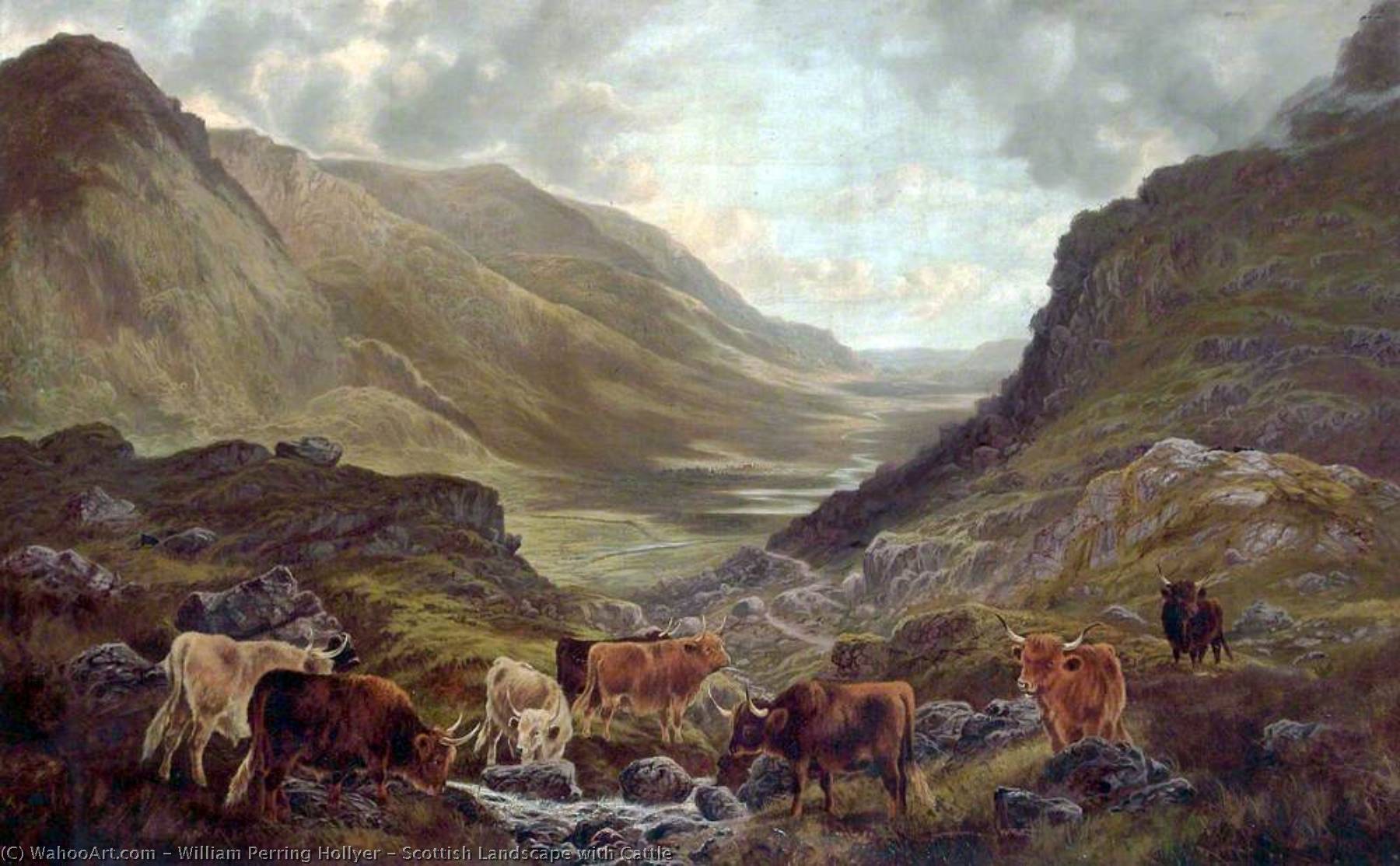
Scottish Landscape with Cattle
 87.0 x 139.0 cm
 Citește mai mult
Reproducere pictată manual în ulei
Pictură în ulei pe pânză, realizată manual de artiștii noștri la dimensiunea și ramele dorite de dumneavoastră, pe comandă. ( Comută pe versiunea Print Treci la imagine digitală)




































Alegeți dintre dimensiunile noastre prestabilite, care respectă proporțiile originale ale operei de artă.

Puteți introduce propriile dimensiuni pentru a se potrivi unui anumit cadru sau spațiu. Dacă dimensiunea selectată nu corespunde proporțiilor imaginii originale, vom decupa opera de artă sau vom extinde pictura cu elemente suplimentare pictate manual. O simulare digitală vă va fi trimisă pentru aprobare înainte de începerea producției.
Vă rugăm să rețineți că previzualizarea de pe ecran nu reflectă decuparea sau extinderea reală. Doar macheta va arăta cu exactitate compoziția finală.
Deși sunt disponibile dimensiuni personalizate, vă recomandăm să selectați o dimensiune din lista predefinită pentru a păstra proporțiile originale.
După plasarea comenzii, echipa ArtsDot.com va contacta clientul prin e-mail pentru instrucțiuni și îi va furniza o previzualizare a machetei
Livrare în întreaga lume () în 3-4 săptămâni, în loc de cele 5 săptămâni standard. (23 Septembrie). Fără compromisuri în ceea ce privește calitatea.

Livrare expres gratuită la nivel mondial

Pânză de in premium

Asigurare completă pentru transport

Garanție de rambursare a taxelor vamale

Garanția fidelității culorilor

Politica de retur în 100 de zile (doar pentru defecte)

Garanție de rambursare 100%

Reducere pentru comenzi multiple
 Opțiunea cu sticlă este disponibilă doar pentru dimensiuni de sub 110 cm

Scottish Landscape with Cattle
Tip de reproducere
Dimensiune reproducere
-


Preț total
$ 313
Opere similare


Biografie artist
A Romantic Vision of the English Landscape
William Perring Hollyer (1834–1922) stands as a profound chronicler of the British countryside, an artist whose brush captured not merely the topography of the land, but its very soul. Born in Newcastle upon Tyne, Hollyer’s artistic sensibilities were nurtured from his earliest years by a father who instilled in him a deep reverence for meticulous observation and the delicate nuances of watercolor and drawing. This foundational training allowed him to develop a style that would eventually become synonymous with the Romantic spirit of the Victorian era—a period characterized by a burgeoning fascination with the natural world and an almost scientific curiosity regarding its atmospheric wonders.
His creative journey was deeply informed by the masters who preceded him, most notably the legendary John Constable. From Constable, Hollyer learned the art of emotional resonance through landscape, understanding that a depiction of a rural scene could serve as a vessel for profound feeling. He also drew inspiration from the works of George Frederic Handel Barnes, absorbing techniques that prioritized atmospheric perspective and the subtle interplay of light and shadow. Through these influences, Hollyer mastered the ability to translate the fleeting moments of nature—the way sunlight pierces through a heavy cloud or how mist clings to a valley—into enduring oil paintings.
Technique, Texture, and the Palette of Nature
The hallmark of a Hollyer masterpiece lies in its palpable vitality, achieved through a sophisticated command of texture and color. His canvases are celebrated for their textured brushstrokes, a result of years of rigorous experimentation with medium and application. Rather than seeking a purely smooth finish, Hollyer often employed a more tactile approach that imbued his scenes with warmth and life. He possessed a unique ability to layer thin, translucent glazes of pigment onto prepared canvases, a technique that created an internal luminosity, making the light within his landscapes appear to glow from beneath the surface.
His color palette was masterfully balanced, rooted in the muted, dependable earth tones of the English terrain—deep ochres, mossy greens, and soft umbers. However, he frequently punctuated these somber foundations with unexpected flashes of brilliant hue, capturing the sudden brilliance of a sunlit clearing or the vibrant bloom of wildflowers. This careful orchestration of color allowed him to guide the viewer's eye through his compositions, creating depth that mirrored the grandeur of the natural world he so loved.
Legacy and Social Conscience
Beyond the aesthetic beauty of his landscapes, Hollyer’s life and work were intertwined with the social currents of his time. He was an artist who looked outward as much as he looked at the horizon. A man of conviction, Hollyer championed socialist ideals and actively supported movements that advocated for improved working conditions and greater equality for the laboring classes. This commitment to social justice was not a separate entity from his art but rather an extension of his respect for the natural order and the dignity of life.
His artistic output, which focused heavily on the rugged beauty of Northumberland and Yorkshire, remains a significant historical record of a vanishing era of rural England. His works, such as A Surrey Lane and A Glint of Sunshine, continue to resonate with collectors and art enthusiasts alike, offering a window into a period of profound transition. Through his dedication to capturing the serene beauty of the countryside, William Perring Hollyer ensured that the quiet majesty of the English landscape would be preserved for generations to come.

william perring hollyer
1834 - 1922
Informații rapide
- Artistic Movement Or Style: Romantic Landscape Painting
- Artists Or Movements Influenced By This Artist: ['Romanticism']
- Artists Who Influenced This Artist: ['John Constable']
- Date Of Birth: 1834
- Date Of Death: 1922
- Full Name: William Perring Hollyer
- Nationality: British
- Notable Artworks:
- A Bend in the River
- A Glint of Sunshine
- Place Of Birth: North Tyneside