


 Vezi în context
 Trimite
 Distribuie
 Detalii
 Ghid
Ghid

 Descarcă
 Produse similare
 Radiografie
 Diaporama
 Statistici
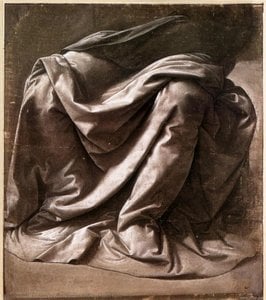
Study For 'a Bientot'
 Citește mai mult
Achiziționați o imagine digitală de înaltă rezoluție, îmbunătățită, mult superioară previzualizării online.
Fiecare fișier este pregătit cu meticulozitate de specialiștii noștri interni, utilizând instrumente avansate și retușare manuală expertă. Ne asigurăm că fiecare imagine beneficiază de o claritate excepțională, o acuratețe precisă a culorilor și detalii fine.
Fișierul final este livrat prin e-mail în termen de 72 de ore, optimizat pentru utilizare imediată în medii profesionale, editoriale și de imprimare. Aceasta este aceeași calitate în care au încredere studiouri de design, edituri și galerii de top.
Imagine Digitală
Descărcați un fișier la rezoluție înaltă pentru afișare personală, imprimare și proiecte creative. ( Comută pe versiunea Print Comandă pictură realizată manual)
Inclus în fiecare comandă de imagini digitale
Livrare digitală de expertiză, garantată
Când alegeți ArtsDot.com, nu primiți doar o simplă imagine – primiți o operă de artă digitală îmbunătățită profesional, creată cu precizie și susținută de o garanție de satisfacție. Iată tot ceea ce primești odată cu comanda ta, în mod automat:

Livrare rapidă prin e-mail
Fișierul imaginii digitale la rezoluție înaltă vă va fi trimis prin e-mail în termen de 72 de ore de la finalizarea comenzii – gata pentru utilizare imediată.

Fișier digital optimizat prin IA
Opera ta de artă este optimizată profesional prin intermediul unor instrumente AI avansate și al editării manuale, asigurând un nivel maxim de detalii, claritate și acuratețe a culorilor.

Retransmitere gratuită pe viață
Ai șters sau ai pierdut din greșeală fișierul? Nu îți face griji – ți-l vom retrimite oricând, gratuit.

Fără taxe de import – Întotdeauna
Bucură-te instant de noua ta operă de artă, fără taxe vamale, taxe de import sau costuri de livrare – descărcările digitale sunt întotdeauna fără taxe.

Garanția fidelității culorilor
Asigurăm o reflectare cât mai fidelă a culorilor originale în imaginea ta digitală, prin utilizarea unor instrumente profesionale și a proceselor de gestionare a culorii.

Garanție de satisfacție de 100 de zile
Dacă nu sunteți mulțumit de imaginea digitală achiziționată, o vom revizui sau vă vom returna 100% în termen de 100 de zile – fără nicio întrebare.

Garanție de returnare 100% a banilor
Nu ești mulțumit? Primești rambursarea integrală în termen de 100 de zile de la primirea fișierului digital – fără nicio întrebare.

Reduceri pentru comenzi în volum
Cumpără 3 imagini, economisește 10% - Cumpără 5, economisește 15% - Cumpără 10+, economisește 20%. Ideal pentru proiecte creative, galerii și agenții.
Opere similare



Biografie artist
Early Life and Artistic Foundations
Valentine Cameron Prinsep, a name often overshadowed by the brilliance of his contemporaries, emerged into a world brimming with artistic influence in 1838, amidst the bustling landscape of Calcutta, India. Born to Henry Thoby Prinsep, a distinguished British civil servant, and Sarah Monckton Pattle – a woman whose lineage intertwined seamlessly with some of England’s most celebrated figures – Valentine's early life was far from conventional. His mother, Sarah, possessed a remarkable network of connections, subtly steering young Valentine towards the burgeoning artistic circles of Victorian London. Crucially, she was related to both Julia Margaret Cameron, the pioneering photographer known for her evocative portraits, and Maria Jackson, grandmother to literary giants Virginia Woolf and Vanessa Bell – a familial tapestry that would profoundly shape his future trajectory. The family’s return to England in 1843, settling into the elegant residence of Little Holland House in Kensington, marked a pivotal moment, transforming this private dwelling into a vibrant salon, a sanctuary for artists, writers, and thinkers eager to exchange ideas and forge connections. It was within these walls that Prinsep's artistic sensibilities began to truly blossom, nurtured by the constant presence of luminaries such as George Frederic Watts, who would become his early mentor, guiding him through the fundamentals of drawing and painting. A formative experience followed in 1856-57, when Prinsep accompanied Watts on an expedition to Sir Charles Thomas Newton’s excavations at Halicarnassus – a journey that ignited within him a deep fascination with classical forms, historical narratives, and the allure of antiquity. This exploration profoundly influenced his artistic development, laying the groundwork for his later explorations of mythology, biblical scenes, and historical events. His formal training continued at Charles Gleyre's atelier in Paris, where he found himself immersed in a vibrant community of aspiring artists, alongside future masters such as James Abbott McNeill Whistler, Edward Poynter, and George du Maurier – even serving as the inspiration for the character “Taffy” in Du Maurier’s celebrated novel *Trilby*.Pre-Raphaelite Affiliations and Artistic Development
Following his Parisian studies, Valentine embarked on a period of travel through Italy, forging enduring friendships with Edward Burne-Jones and John Everett Millais. These encounters proved instrumental in solidifying his artistic direction, drawing him closer to the core tenets of the Pre-Raphaelite Brotherhood – a movement characterized by its meticulous attention to detail, vibrant colors, and a nostalgic reverence for medieval art. The Italian experience exposed him to the beauty of Renaissance painting and sculpture, profoundly influencing his stylistic choices. He became particularly drawn to Burne-Jones’s romanticism and Millais’s naturalistic approach, absorbing their techniques and aesthetic sensibilities. A winter spent in Rome in 1859-60 brought him into contact with Robert Browning, a renowned poet whose intellectual curiosity and appreciation for art further enriched Prinsep's artistic landscape. This period witnessed the formation of close bonds within the Pre-Raphaelite circle, marked by spirited discussions about art, literature, and philosophy. Prinsep actively participated in the decoration of the Oxford Union Hall alongside Dante Gabriel Rossetti and other members of the movement, demonstrating a commitment to their shared aesthetic principles – a testament to his dedication and artistic fervor. His early works, such as *A Girl Carrying Grapes* (1862), clearly reflect the influence of Rossetti’s romanticism and the Pre-Raphaelite emphasis on detail and symbolism, showcasing a masterful command of color and composition. The painting, initially known as *Salome*, gained considerable attention for its evocative portrayal of a young woman carrying grapes – a seemingly simple subject imbued with layers of symbolic meaning.Major Works and Themes
Prinsep’s oeuvre is characterized by a compelling blend of historical narratives, romantic themes, and insightful character studies, reflecting his diverse interests and artistic versatility. *Miriam Watching the Infant Moses* (1867), exhibited at the Royal Academy, stands as a particularly significant example of his ability to imbue biblical scenes with emotional depth and Pre-Raphaelite detail – capturing the tenderness of the mother-child relationship with remarkable sensitivity. *A Venetian Lover* (1868) showcases his fascination with Italian settings and romantic entanglements, depicting a scene of clandestine passion amidst the picturesque canals and vibrant streets of Venice. *Bacchus and Ariadne* (1869), drawing upon classical mythology, exemplifies his talent for creating visually arresting compositions that combine elements of drama, sensuality, and allegory. *News from Abroad* (1871) demonstrates his skill in storytelling through painting, capturing a moment of anticipation and emotional connection – a poignant depiction of travelers awaiting news of loved ones. He also demonstrated a keen interest in depicting rural life and the working class with paintings like *The Linen Gatherers* (1876) and *The Gleaners*, offering glimpses into the lives of ordinary people and their struggles. However, it was his large-scale commission, *Delhi Durbar* (1880), that brought him widespread recognition – a monumental work documenting the proclamation of Queen Victoria as Empress of India. This ambitious undertaking, commissioned by the Viceroy of India, Robert Bulwer-Lytton, meticulously captured the grandeur and spectacle of the event, solidifying Prinsep’s reputation as a painter capable of conveying both historical accuracy and artistic brilliance. Other notable works include *À Versailles*, *The Emperor Theophilus Chooses His Wife*, *The Broken Idol*, and *The Goose Girl*.Later Life, Literary Pursuits, and Legacy
In 1884, Prinsep’s life took a fortunate turn with his marriage to Florence Leyland, daughter of the wealthy art collector Frederick Richards Leyland. This union provided him with financial security, allowing him to pursue diverse interests beyond painting – including business ventures and land ownership. He also turned his hand to writing, penning two plays—*Cousin Dick* and *Monsieur le Duc*, as well as two novels, and the travel journal *Imperial India*. Prinsep was a dedicated volunteer, playing an active role in the Artists Rifles, a testament to his sense of civic duty. He passed away in 1904 and was laid to rest alongside his wife Florence in Brompton Cemetery, London, marked by a distinctive Roman-style monument – a fitting tribute to a man who had seamlessly blended artistic passion with intellectual curiosity and public service. Valentine Cameron Prinsep’s legacy resides within the Pre-Raphaelite movement as a skilled painter who explored diverse themes while maintaining connections to prominent artists of his time. His work offers valuable insight into Victorian artistic trends and social concerns, particularly regarding depictions of historical events and working-class life. *Delhi Durbar*, in particular, remains a significant document of British imperial history, offering a glimpse into the splendor—and complexities—of colonial India. As a member of this influential brotherhood, and connected to figures like Julia Margaret Cameron and Virginia Woolf’s grandmother, Prinsep occupies a unique position within Victorian cultural history – a testament to his enduring artistic talent and multifaceted personality.
Valentine Cameron Prinsep
1838 - 1904 , România
Informații esențiale
- Artistic Movement Or Style: Pre-Raphaelite
- Artists Or Movements Influenced By This Artist:
- Rossetti
- Pre-Raphaelite
- Artists Who Influenced This Artist:
- Watts
- Burne-Jones
- Whistler
- Date Of Birth: 1838
- Date Of Death: 1904
- Full Name: Valentine Cameron Prinsep
- Nationality: British
- Notable Artworks:
- Miriam
- Venetian
- Bacchus
- Delhi
- Versailles
- Place Of Birth: Calcutta, India