

 Previzualizare
 Trimite prin felicitare
 Distribuie
 Detalii despre lucrare
 Ghid
Ghid

 Descarcă imaginea
 Produse similare
 Radiografie
 Galerie foto
 Întrebări și răspunsuri
 Statistici
Cane

 Vezi mai mult
Obțineți un fișier gata de imprimare care depășește cu mult calitatea previzualizării web. Fiecare imagine digitală pe care o vindem provine dintr-un master de înaltă rezoluție din baza noastră de date — având, de regulă, o lățime între 5.000 și 15.000 de pixeli — astfel încât să puteți printa în format mare, să decupați strâns sau să reproduceți detalii fine cu încredere.
Niciun fișier nu părăsește studioul nostru fără să fie tratat. Un expert digital verifică nuanțele de culoare în raport cu pictura originală și le corectează acolo unde este necesar, apoi îmbunătățește claritatea și detaliile folosind instrumente profesionale de retușare — rămânând întotdeauna fidel gestului pictural și stilului artistului. Rezultatul este o imagine care seamănă cu tabloul propriu-zis, nu cu o scanare filtrată.
Aprobați înainte de finalizare: expertul nostru vă va trimite imaginea prin e-mail în termen de 72 de ore pentru revizuire. Nu sunteți mulțumit? Solicitați îmbunătățiri sau corecturi, ori cereți o restituire a plății dacă calitatea nu este pe măsura așteptărilor.
Aceasta este calitatea pe care se bazează editorii, studiourile de design, galeriile și tipăriturile.
Imagine Digitală
Descărcați un fișier la rezoluție înaltă pentru afișare personală, imprimare și proiecte creative. ( Comută pe versiunea Print Comandă pictură realizată manual)
Inclus în fiecare comandă de imagini digitale
Livrare digitală de expertiză, garantată
Când alegeți ArtsDot.com, nu primiți doar o simplă imagine – primiți o operă de artă digitală îmbunătățită profesional, creată cu precizie și susținută de o garanție de satisfacție. Iată tot ceea ce primești odată cu comanda ta, în mod automat:

Livrare rapidă prin e-mail
Fișierul imaginii digitale la rezoluție înaltă vă va fi trimis prin e-mail în termen de 72 de ore de la finalizarea comenzii – gata pentru utilizare imediată.

Fișier digital optimizat prin IA
Opera ta de artă este optimizată profesional prin intermediul unor instrumente AI avansate și al editării manuale, asigurând un nivel maxim de detalii, claritate și acuratețe a culorilor.

Retransmitere gratuită pe viață
Ai șters sau ai pierdut din greșeală fișierul? Nu îți face griji – ți-l vom retrimite oricând, gratuit.

Fără taxe de import – Întotdeauna
Bucură-te instant de noua ta operă de artă, fără taxe vamale, taxe de import sau costuri de livrare – descărcările digitale sunt întotdeauna fără taxe.

Garanția acurateții culorilor
Asigurăm o reflectare cât mai fidelă a culorilor originale în imaginea ta digitală, prin utilizarea unor instrumente profesionale și a proceselor de gestionare a culorii.

Garanție de satisfacție de 100 de zile
Dacă nu sunteți mulțumit de imaginea digitală achiziționată, o vom revizui sau vă vom returna 100% în termen de 100 de zile – fără nicio întrebare.

Garanție de returnare 100% a banilor
Nu ești mulțumit? Primești rambursarea integrală în termen de 100 de zile de la primirea fișierului digital – fără nicio întrebare.

Reduceri pentru comenzi în volum
Cumpără 3 imagini, economisește 10% - Cumpără 5, economisește 15% - Cumpără 10+, economisește 20%. Ideal pentru proiecte creative, galerii și agenții.
Opere similare


Biografie artist
The Tang Dynasty: A Crucible of Artistic Innovation
The Tang dynasty (618–907) stands as an unparalleled epoch in Chinese history and artistic achievement, a period characterized by political stability, economic prosperity, and a fervent embrace of cosmopolitan culture. Emerging from the fragmented aftermath of the Sui dynasty’s collapse—a testament to resilience amidst turmoil—the Tang emperors ushered in an era that profoundly shaped the trajectory of Chinese art, literature, and philosophy for centuries to come. This golden age witnessed unprecedented artistic experimentation, fueled by royal patronage and facilitated by burgeoning trade routes connecting China with Persia, India, and Central Asia, resulting in a breathtaking synthesis of styles and techniques.- Political Landscape: The reign of Emperor Taizong (626–649) marked the dynasty’s formative years, consolidating power through military conquest and establishing centralized administrative structures that prioritized meritocracy—a revolutionary concept for its time—over hereditary privilege. This commitment to capable governance underpinned subsequent imperial policies aimed at fostering economic growth and promoting cultural flourishing.
- Economic Boom: Silk production soared during the Tang period, driven by expanding trade networks and fueled by innovations in weaving technology. Agricultural productivity increased thanks to advancements in irrigation and fertilization methods, bolstering the nation’s food supply and supporting a burgeoning urban population. The prosperity of this era extended beyond mere material wealth; it fostered a vibrant intellectual environment where scholars debated philosophical ideas and artists pursued new creative horizons.
- Cultural Synthesis: Chang'an—the Tang capital—became a magnet for intellectuals, artisans, and envoys from across Eurasia, transforming into one of the world’s most cosmopolitan cities. Buddhist monasteries flourished, commissioning monumental sculptures and paintings that reflected Eastern Orthodox iconography. Nestorian Christianity gained adherents, establishing churches in major urban centers. Zoroastrianism also found converts among Tang elites, demonstrating the dynasty's openness to diverse religious traditions.
The Art of Landscape Painting: Capturing Sublime Beauty
Landscape painting reached its zenith during the Tang dynasty, achieving a level of sophistication and expressive power unmatched in preceding centuries. Artists sought to depict not merely scenic vistas but also profound spiritual truths—a reflection of Confucian ideals emphasizing harmony with nature and reverence for the cosmos. The stylistic innovations championed by masters like Wang Wei (699–759) revolutionized artistic practice. He pioneered a “mountain spirit” style, characterized by subtle tonal gradations and atmospheric perspective that conveyed an illusion of depth and luminosity. This technique—influenced by Buddhist cosmology—captured the grandeur of mountainous landscapes with breathtaking accuracy and imbued them with symbolic resonance.- Technique: Artists employed meticulous brushwork to render textures and contours, utilizing mineral pigments mixed with silk or paper glue to achieve remarkable color fidelity. The use of aerial perspective—a technique pioneered by Wang Wei—created a hazy atmosphere that softened outlines and enhanced the sense of distance.
- Symbolism: Landscape paintings conveyed complex philosophical ideas rooted in Confucianism and Buddhism. Mountains represented stability, permanence, and moral virtue; pine trees symbolized resilience and longevity; rocks embodied steadfastness and endurance. These motifs resonated deeply with viewers, conveying messages about spiritual enlightenment and ethical conduct.
- Notable Works: Wang Wei’s *Dwelling Among the Pines* exemplifies the mountain spirit style, capturing the serene beauty of a pine grove bathed in moonlight—a masterpiece that continues to inspire admiration for its masterful execution and profound symbolic significance.
Silk Painting: A Legacy of Elegance and Refinement
Silk painting emerged as another dominant artistic genre during the Tang dynasty, distinguished by its exquisite delicacy and luminous colors. Artists skillfully applied pigment onto silk fabric—a material imported from Central Asia—creating images that celebrated imperial grandeur and idealized beauty. The technique involved layering translucent glazes over opaque pigments to achieve a shimmering effect—a hallmark of Tang art that captivated audiences both domestically and abroad.- Materials: Silk fabric served as the substrate for paintings, providing an ideal surface for capturing subtle tonal variations and luminous colors. Pigments derived from minerals and plants were meticulously blended with silk glue to produce vibrant hues—often incorporating gold leaf—that enhanced the visual impact of the artwork.
- Style: Tang silk painters favored a refined aesthetic characterized by graceful compositions and meticulous detail. They employed techniques such as “wet-on-wet” painting—allowing pigments to blend seamlessly together—to create soft, diffused effects that conveyed an ethereal quality.
- Iconography: Silk paintings depicted mythological figures, floral motifs, and landscapes—often imbued with symbolic meaning—reflecting the prevailing cultural values of the Tang dynasty. Floral imagery—particularly peonies—represented prosperity and good fortune—a motif frequently employed in imperial portraits and ceremonial decorations.
Influence and Legacy
The artistic achievements of the Tang dynasty exerted a profound influence on subsequent Chinese art history, establishing standards for stylistic innovation and aesthetic excellence that endured for centuries. Landscape painting continued to inspire artists throughout the Song dynasty (960–1279), while silk painting retained its prestige as a medium for imperial commissions—a testament to its enduring beauty and artistic sophistication. Moreover, Tang artistic ideals—such as harmony with nature and reverence for tradition—shaped the broader cultural landscape of China—leaving an indelible mark on its intellectual heritage and artistic sensibilities. The legacy of Tang art persists today, serving as a source of inspiration for artists worldwide and reminding us of the transformative power of creativity and cultural exchange.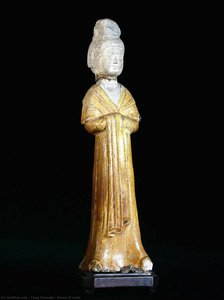
Tang Dynasty
China
Detalii rapide
- Full Name: Tang Dynasty
- Nationality: Chinese
- Place Of Birth: China
- Notable Artworks: ['Crane Pine Rock Art']
- Artistic Movement Or Style: Landscape Painting