

 Previzualizare
 Trimite prin felicitare
 Distribuie
 Detalii despre lucrare
 Ghid
Ghid

 Descarcă imaginea
 Produse similare
 Radiografie
 Galerie foto
 Întrebări și răspunsuri
 Statistici
Alexander Stewart

- 38.0 x 32.0 cm


 Vezi mai mult
Giclée / Imprimare artistică
Printuri giclée sau pe canvas de calitate muzeală, cu proces de producție rapid și opțiuni flexibile de finisare. ( Comandă pictură realizată manual Comută pe Imagine Digitală)




































Alegeți dintre dimensiunile noastre prestabilite, care respectă proporțiile originale ale operei de artă.

Introduceți lățimea și înălțimea necesare pentru a se potrivi ramei sau peretelui dumneavoastră. O printare poate fi doar tăiată, niciodată extinsă dincolo de dimensiunea imaginii originale, astfel încât o dimensiune cu o formă diferită va pierde o parte din imagine. Vă trimitem o simulare digitală pentru aprobare înainte de a imprima orice. Imaginea afișată pe această pagină nu prezintă tăierea reală — doar simularea arată acest lucru.
Livrare în întreaga lume () în 2 săptămâni, în loc de cele 4/5 săptămâni standard. (4 Noiembrie)

Livrare expres gratuită la nivel mondial

Pânză de in de înaltă calitate

Asigurare completă pentru transport

Garanție de rambursare a taxelor vamale

Garanția fidelității culorilor

Politica de retur în 100 de zile (doar pentru defecte de fabricație)

Garanție de rambursare 100%

Ofertă pentru comenzi multiple
 Opțiunea cu sticlă este disponibilă doar pentru dimensiuni de sub 110 cm

Alexander Stewart
Giclée / Imprimare artistică
Dimensiune reproducere
-


Preț total calculat
lei 300
Artistic Details
The painting depicts Alexander Stewart dressed in formal attire, complete with a black jacket, white shirt, and a black bow tie. His facial expression conveys confidence and engagement, as if he is actively participating in a conversation or making eye contact with the viewer. The backdrop of a wall adds depth to the composition, while the well-defined suit and bow tie draw attention to Stewart's attire.Artist Background
Stephen Pearce was a prolific artist known for his portrait paintings, many of which are part of the National Portrait Gallery's collection. His works often featured prominent figures of his time, showcasing his ability to capture their personalities and styles.Relevance in Art History
The painting Alexander Stewart is significant not only for its artistic merit but also for its historical context. It reflects the fashion and social norms of the mid-19th century, providing a glimpse into the lives of the elite during that era.Reproduction and Appreciation
For art enthusiasts who wish to own a piece of history, ArtsDot.com offers high-quality, handmade oil painting reproductions of Alexander Stewart. These reproductions are crafted with meticulous attention to detail, ensuring that the essence of the original artwork is preserved.Conclusion
The painting Alexander Stewart by Stephen Pearce is a masterpiece that combines elegance and historical significance. Through its detailed portrayal of fashion and social status, it provides a window into the past. For those who appreciate fine art and history, this painting is a must-see.- View the original painting on ArtsDot.com
- Learn more about the National Portrait Gallery (United States)
Întrebări și răspunsuri
Care este artistul și care este stilul din spatele operei "Alexander Stewart"?
"Alexander Stewart" a fost creat de Stephen Pearce, în stilul Contemporary Realism. Artistul și mișcarea definesc tradiția acestei opere.
În ce perioadă și în ce stil a fost creat(ă) "Alexander Stewart" de Stephen Pearce?
"Alexander Stewart" de Stephen Pearce datează din 1854 și aparține mișcării Contemporary Realism.
Pot vedea "Alexander Stewart" de Stephen Pearce sub diferite lumini?
„Alexander Stewart” poate fi explorat strat cu strat pe pagina Raze X a operei de artă, printr-un vizualizator inspirat de masa de lumină a unui conservator, care oferă unsprezece lecturi optice ale imaginii.
Opere similare


Biografie artist
Early Life and Artistic Foundations
Stephen Pearce, born in the heart of London on November 16, 1819, at King’s Mews, Charing Cross, entered a world subtly interwoven with England’s regal fabric. As the sole child of Stephen Pearce, a clerk within the Department of the Master of Horse, and Ann Whittington, his upbringing was steeped in service to the Crown—a connection that would profoundly resonate throughout his artistic journey. This proximity instilled not merely decorum but access to subjects that defined much of his early career: the magnificent horses of the Royal Mews. Formal training commenced at Sass’s Academy in Charlotte Street, a respected institution for aspiring artists, followed by rigorous study at the prestigious Royal Academy Schools beginning in 1840. A pivotal moment arrived in 1841 when he became a pupil of Sir Martin Archer Shee, a prominent portraitist whose influence shaped Pearce's approach to capturing likeness and character—a meticulous technique rooted in observation and anatomical precision. These formative years instilled within him not merely artistic skill but an understanding of the visual language necessary for conveying psychological depth and emotional nuance.A Versatile Career: Portraiture, Equine Art, and Literary Circles
Pearce’s professional life unfolded across decades, marked by remarkable versatility. From 1842 to 1846, he served as an amanuensis—a secretary—to the celebrated novelist Charles Lever. This period offered unique immersion into literary circles, broadening his understanding of narrative and character development – skills that subtly informed the psychological depth of his portraiture. His initial artistic successes centered on paintings of favored horses within the Royal Mews, exhibited at the Royal Academy in 1839 and again in 1841, establishing him as a skilled animalier. He possessed an innate ability to depict animals with remarkable realism—capturing their musculature, posture, and expressions with painstaking detail. A sojourn to Italy around 1849 proved transformative, refining his aesthetic sensibilities before he resumed regular contributions to Burlington House exhibitions upon his return to England. His style underwent noticeable evolution; early works displayed metronomic precision with pronounced shadowing, reflecting the influence of academic tradition—a deliberate choice aimed at achieving a harmonious balance between form and substance. He wasn’t confined by genre, moving seamlessly between capturing the nobility of a prized stallion and the nuanced personality of a prominent Victorian gentleman.The Arctic Chronicles: A Defining Commission
It was through a unique confluence of artistic talent and historical circumstance that Pearce truly distinguished himself: his involvement in documenting the era’s fervent interest in Arctic exploration. Perhaps most notable is “The Arctic Council discussing a plan of search for Sir John Franklin” (1851), commissioned by Colonel John Barrow—a monumental undertaking that cemented his reputation as one of Britain's foremost animal painters. This large-scale painting, depicting leading figures strategizing the rescue mission for the ill-fated explorer Sir John Franklin, captured the public’s imagination and served as a poignant reminder of the perils and heroism inherent in polar expeditions. The work is not merely a historical record but a carefully constructed drama, each figure rendered with individual character and contributing to the overall sense of anxious deliberation—a testament to Pearce's ability to translate narrative into visual form. Beyond this monumental commission, Pearce became renowned for his equestrian portraits, particularly those of masters of foxhounds, harriers, and prominent horse owners like the Earl of Craven and members of families such as the Dukes of Bedford. “Coursing at Ashdown Park” (1869), a sprawling landscape featuring approximately sixty equestrian figures, stands as a testament to his skill in depicting both human subjects and their noble steeds within a dynamic setting—a masterful blend of observation and artistic imagination. He also created numerous half-length portraits of Arctic explorers—Sir Robert McClure, Sir Leopold McClintock, Captain Penny—commissioned by Barrow and Lady Franklin, many residing today in the National Portrait Gallery.Legacy and Historical Significance
Pearce’s artistic vision was shaped by 19th-century British art's prevailing currents. His training under Sir Martin Archer Shee firmly placed him within the tradition of formal, academic portraiture that dominated the era—a deliberate adherence to established conventions reflecting a deep respect for artistic heritage. The enduring popularity of equestrian subjects reflected a broader cultural fascination with horses and horsemanship, particularly among the aristocracy and landed gentry—a subject matter he embraced wholeheartedly throughout his career. His ability to capture accurate likenesses, combined with sensitivity and precision in portraying human figures and animals, earned him considerable acclaim within artistic circles—establishing him as a respected figure amongst his peers. The National Portrait Gallery holds an impressive collection of forty-four portraits by Pearce, including two self-portraits—a rare glimpse into the artist’s own introspection and creative process. His work provides invaluable insights into Victorian society, documenting the lives of prominent individuals and capturing the spirit of exploration that characterized the age—a chronicler of his time, translating social status, scientific endeavor, and personal narratives onto canvas.
Stephen Pearce
1819 - 1904 , Regatul Unit
Detalii rapide
- Artistic Movement Or Style: Pictură victoriană
- Artists Who Influenced This Artist: ['Sir Martin Archer Shee']
- Date Of Birth: 1819-11-16
- Date Of Death: 1904-01-31
- Full Name: Stephen Pearce
- Nationality: Britanic
- Notable Artworks:
- The Arctic Council
- Coursing at Ashdown Park
- Place Of Birth: Londra, UK
Articole similare

Reproducerea Artei: Ghid Complet al Tehnicilor și Mediilor – Ulei, Pânză și Hârtie
Descoperă ghidul complet pentru reproducerea artei! Află despre tehnicile de reproducere a picturilor, materialele folosite și cum să alegi o reproducere de calitate superioară. Expertiză .
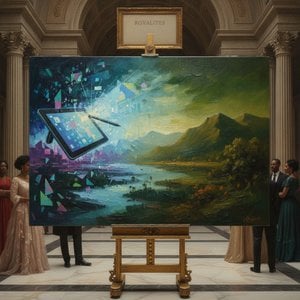
Transformă NFT-urile în opere de artă: vinde reproduceri de ulei handmade cu marje de până la 50%
Descoperă cum să transformi NFT-urile în opere de artă hand‑made cu marje de până la 50%. ArtsDot combină expertiza artistică, calitatea superioară și garanția 100% satisfacție pentru colecționari. Începe acum!

Capodopere ale Secolului al XIX-lea: 10 Lucrări de Artă Esențiale pentru Decorul Tău
Descoperă 10 capodopere ale secolului al XIX-lea! Explorează romantismul lui Delacroix, impresionismul lui Monet și realismul lui Courbet. Găsește inspirație pentru decorul tău cu reproduceri de artă de calitate muzeală pe ArtsDot.com.

Moștenirea Durabilă a Picturilor în Ulei Realizate Manual: Valoare Estetică, Longevitate și Rezonanță Emoțională
Descoperă moștenirea picturii în ulei! Ghiduri experte despre tehnici, conservare și investiții în artă. Reproduceri manuale de calitate superioară și sfaturi pentru colecționari.

De la Schița Inițială la Moștenire Durabilă: O Explorare Detaliată a Procesului de Reproducere a Picturilor în Ulei
Descoperă arta reproducerii manuale a picturilor în ulei de calitate superioară! Tablouri personalizate realizate de artiști profesioniști. Garanție autenticitate, durabilitate și satisfacție garantată la ArtsDot.com.
