


 Previzualizare
 Trimite
 Distribuie
 Detalii despre lucrare

 Descarcă
 Produse similare
 Radiografie
 Diapozitive automate
 Statistici
Christ's entry into Jerusalem

 Vezi mai mult
Giclée / Imprimare artistică
Printuri giclée sau pe canvas de calitate muzeală, cu proces de producție rapid și opțiuni flexibile de finisare. ( Comandă pictură lucrată manual Comută pe Imagine Digitală)




































Alegeți dintre dimensiunile noastre prestabilite, care respectă proporțiile originale ale operei de artă.

Puteți introduce propriile dimensiuni pentru a se potrivi unui anumit cadru sau spațiu. Dacă dimensiunea selectată nu corespunde proporțiilor imaginii originale, vom decupa lucrarea de artă sau vom extinde imaginea cu margini oglindite sau cu o culoare uniformă. Un mockup digital va fi trimis pentru aprobarea dumneavoastră înainte de începerea producției.
Vă rugăm să rețineți că previzualizarea de pe ecran nu reflectă decuparea sau extinderea reală. Doar mockup-ul va arăta cu exactitate compoziția finală.
Deși dimensiunile personalizate sunt disponibile, vă recomandăm să selectați o dimensiune din lista predefinită pentru a păstra proporțiile originale.
Livrare în întreaga lume () în 2 săptămâni, în loc de cele 4/5 săptămâni standard. (10 Septembrie)

Livrare expres gratuită la nivel mondial

Pânză de in de înaltă calitate

Asigurare completă pentru transport

Garanție de rambursare a taxelor vamale

Garanția fidelității culorilor

Politica de retur de 100 de zile (doar pentru defecte)

Garanție de rambursare 100%

Ofertă pentru comenzi multiple
 Opțiunea cu sticlă este disponibilă doar pentru dimensiuni de sub 110 cm

Christ's entry into Jerusalem
Giclée / Imprimare artistică
Dimensiune reproducere
-


Preț total calculat
$ 62
Christ's Entry Into Jerusalem by Sir Stanley Spencer: A Vision of Fervor
- Subject Matter & Historical Context: This compelling artwork depicts the biblical scene of Christ’s entry into Jerusalem, a pivotal moment marking the beginning of Holy Week. Painted around 1920, it reflects a period following World War I, when artists were grappling with profound questions about faith, humanity, and the search for meaning in a rapidly changing world. Spencer's choice to portray this event wasn’t merely a retelling of scripture; it was an exploration of human emotion and spiritual fervor within a recognizable, earthly setting – his beloved village of Cookham.
- Style & Influences: Sir Stanley Spencer’s style is uniquely identifiable as Expressionistic with strong influences from early Modernism. He moves beyond realistic representation to convey the intense emotional atmosphere surrounding this momentous event. The elongated figures, dynamic poses, and somewhat chaotic composition are hallmarks of Expressionism, prioritizing emotional impact over strict adherence to natural forms. The flattened perspective and distorted shapes echo early modernist tendencies, creating a sense of dynamism and immediacy. While often associated with Neo-Romanticism, Spencer’s work possesses a distinct individuality that transcends easy categorization.
- Composition & Technique: The painting is characterized by its densely packed composition, generating a feeling of urgency and excitement. A central diagonal line draws the viewer's eye into the scene, while horizontal planes created by architectural elements ground the action. Spencer’s technique involves visible brushstrokes and layering of colors to create depth and texture, giving the work an impressionistic quality. The color palette—dominated by blues, browns, and oranges with touches of green and yellow—is applied in broad strokes, contributing to the overall vibrancy despite a somewhat muted tone. The use of lines is expressive, following the contours of figures to emphasize movement and adding detail to architectural elements like brickwork.
- Symbolism & Emotional Impact: Beyond its narrative depiction, "Christ's Entry into Jerusalem" resonates with profound symbolism. The chaotic composition and distorted forms convey a sense of fervent excitement and spiritual ecstasy. The upward reaching gestures of the figures suggest reverence and anticipation, while the flattened perspective intensifies the emotional impact, drawing the viewer directly into the heart of the scene. Spencer masterfully captures not just an event but also the collective emotion of a crowd witnessing a transformative moment in history. The setting within Cookham grounds this divine event in everyday reality, making it both accessible and deeply moving.
- Materials & Artistic Legacy: Likely executed using oil paints on canvas, "Christ's Entry into Jerusalem" exemplifies Spencer’s commitment to capturing the essence of human experience through art. His unique style has influenced subsequent generations of artists, including Lucian Freud, and continues to captivate audiences with its raw emotional power and distinctive vision. The work stands as a testament to Spencer’s ability to blend the sacred and the mundane, creating images that are both deeply spiritual and profoundly human.
Opere similare


Biografie artist
A Visionary of Cookham: The Life and Art of Sir Stanley Spencer
Sir Stanley Spencer was, without a doubt, one of the most distinctive and profoundly personal artists to emerge from Britain in the 20th century. His entire life and artistic output were inextricably linked to his birthplace – the small village of Cookham, Berkshire – transforming it into a living, breathing canvas upon which he painted biblical narratives, everyday scenes, and intensely felt spiritual experiences. Born on June 30th, 1891, into a large family deeply rooted in music and religion, Spencer’s early education was shaped by his sisters, Annie and Florence, who provided him with an unconventional yet stimulating home environment before he enrolled at the Slade School of Fine Art in London from 1908 to 1912. This formal training offered a foundation, but it was Cookham itself – which he famously described as “a village in heaven” – that truly became the wellspring of his artistic vision and the subject of countless paintings.Early Influences and the Pre-Raphaelite Spirit
Spencer’s unique style wasn't born in a vacuum; it was forged through a careful synthesis of diverse influences. The meticulous detail and reverence for nature characteristic of the Pre-Raphaelites – particularly artists like Millais and Rossetti – resonated deeply within his work, evident in his vibrant colors, intricate compositions, and fascination with medieval and Renaissance art. However, Spencer wasn’t simply replicating past masters. He absorbed elements of French Post-Impressionism, notably the expressive use of color championed by Paul Gauguin, and drew inspiration from early Italian painting, particularly the masterful storytelling and emotional depth found in Giotto's frescoes. Crucially, he developed a distinctly personal voice, blending these influences into a style that was both deeply rooted in tradition and remarkably innovative. His paintings weren’t didactic illustrations of religious stories; they were intensely subjective interpretations, populated by villagers he knew intimately – farmers, shopkeepers, churchgoers – cast as biblical figures or participants in everyday life. This deliberate blurring of the sacred and secular was revolutionary, inviting viewers to contemplate the divine within the familiar and the mundane.The Resurrection: Cookham - A Defining Masterpiece
Perhaps the most iconic example of Spencer’s unique approach is *The Resurrection, Cookham* (1924-1926), a monumental fresco housed at the Tate Gallery in London. Far from depicting a grand, ethereal resurrection scene, this painting presents a vibrant, earthy tableau unfolding in the fields surrounding Cookham churchyard. Local residents – including Spencer’s sister Florence and his father, William – are shown rising from their graves, bathed in golden light. The painting is not merely a religious depiction; it's a deeply personal meditation on life, death, and rebirth, rooted firmly in the landscape of Spencer’s childhood. Critics at the time hailed it as “the most important picture painted by any English artist in the present century,” recognizing its audacious blend of meticulous detail and modern freedom of form. The painting’s success cemented Spencer's reputation as a major artistic force and established his distinctive style – one that prioritized emotional truth over conventional representation.Wartime Reflections and the Sandham Memorial Chapel
Spencer’s artistic output wasn’t limited to idyllic landscapes and biblical scenes. His experiences during World War I profoundly shaped his work, leading him to serve as an Official War Artist. This experience culminated in a commission to create murals for the Sandham Memorial Chapel at Burghclere in Hampshire (1927-1932). These monumental paintings weren’t glorifications of war; they were honest, unflinching depictions of the lives of ordinary soldiers – their routines, anxieties, and quiet moments of contemplation. The arrangement of the murals consciously echoed Giotto's Arena Chapel in Padua, but Spencer infused it with a uniquely British sensibility and a deeply humanistic perspective. He deliberately avoided depicting violence or heroic battles, focusing instead on the collective effort and resilience of those contributing to the war effort. The *Dug-Out* scene, for example, captures the quiet desperation and camaraderie of soldiers awaiting battle, while the *Soldiers’ Rest* depicts a moment of respite amidst the horrors of war.Later Years and Legacy
In his later years, Spencer continued to explore themes of love, faith, and mortality in his paintings, often incorporating elements of eroticism and personal introspection. His portraits, particularly those depicting his second wife, Patricia Preece, are both strikingly beautiful and intensely revealing, offering a glimpse into the complexities of his personal life. Despite facing criticism for some of his more unconventional works, Spencer remained an independent artist until his death on December 14th, 1959. He was knighted in 1959, shortly before his passing, recognizing his significant contribution to British art. Today, Sir Stanley Spencer’s paintings are celebrated for their unique blend of spirituality, humanity, and artistic innovation – a testament to the enduring power of an artist who transformed a small village into a living masterpiece. His legacy continues to inspire artists and viewers alike, reminding us that beauty and meaning can be found in the most unexpected places.
Stanley Spencer
1891 - 1959 , Marea Britanie
Detalii rapide
- Artistic Movement Or Style: Pre-Raphaelitan
- Artists Or Movements Influenced By This Artist: ['Lucian Freud']
- Artists Who Influenced This Artist:
- Gauguin
- Giotto
- Date Of Birth: 30 iunie 1891
- Date Of Death: 14 dec. 1959
- Full Name: Sir Stanley Spencer
- Nationality: Britanic
- Notable Artworks: ['Resurrectia, Cookham']
- Place Of Birth: Cookham, UK
Articole similare

Expresionismul German: 10 Capodopere Iconice pentru Decoruri de Artă
Descoperă cele mai importante 10 capodopere ale Expresionismului German! Explorează poveștile din spatele picturilor Kandinsky, Munch și Kirchner. Reproduceri de artă premium pentru un decor unic pe ArtsDot.com

The Raw Emotion of Expressionism: A Deep Dive into its History, Characteristics & Enduring Influence
Explore the raw emotion of Expressionism with ArtsDot. Discover its history, key artists like Kirchner & Munch, and lasting influence on modern art. Expert insights for collectors & enthusiasts.

Unlocking Emotion: A Beginner's Guide to the Raw Power of Symbolic Expressionism Art
Discover the raw emotion of Symbolic Expressionism. Our expert guide explores how masters like Munch use color and form to convey inner feelings, offering inspiration for collectors looking to bring powerful, soulful art into their modern homes.
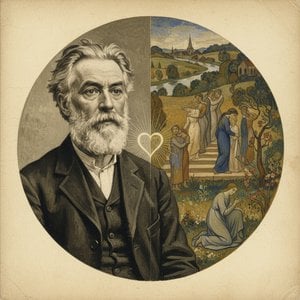
Sir Stanley Spencer: Reassessing Spiritual Vision & Autobiographical Narrative
Explore the captivating world of Sir Stanley Spencer – a British painter renowned for his unique blend of religious narrative & personal experience. Discover his legacy, key works like 'Christ's Entry into Jerusalem', and lasting influence on modern art.
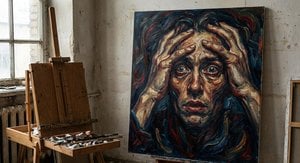
Figurative Expressionism: Emotional Intensity & Subjective Reality in 20th-Century Art
Explore the powerful world of Figurative Expressionism with ArtsDot. Discover key artists like Kirchner & Beckmann, understand its emotional depth, and learn how to collect this influential 20th-century art movement.
