

 Vezi în context
 Trimite
 Distribuie
 Detalii
 Ghid
Ghid

 Descarcă
 Produse similare
 Radiografie
 Diaporama
 Statistici
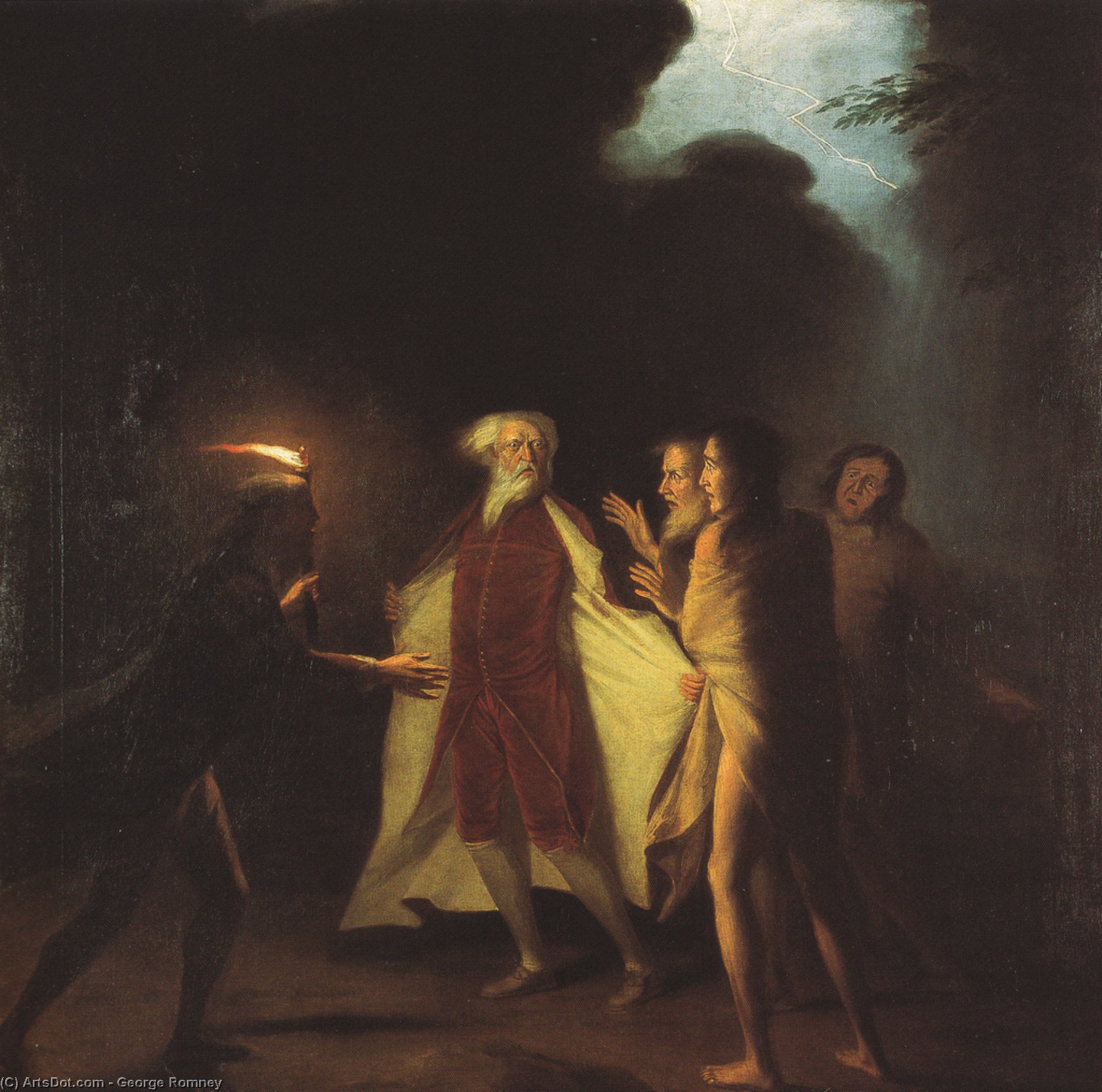
Regele Lear în Tempestură Îmbrățișând Robile


 Citește mai mult
Reproducere pictată manual în ulei
Pictură în ulei pe pânză, realizată manual de artiștii noștri la dimensiunea și ramele dorite de dumneavoastră, pe comandă. ( Comută pe versiunea Print Treci la imagine digitală)




P118B $10

P118H $10

P118W $10

P438Z $10

P508JH $12

P508YH $12

P805H $10

P805Z $10

P919BZ $10

P919G $10

P919XJ $10

P959ZH $10

P968JZ $12

W106C $8

W218G $10

W218JH $8

W218Y $10

W307PJ $10

W316G $10

W316PJ $8

W316Y $10

W398PJ $8

W4111J $10

W500HY $15

W500JH $15

W692G $12

W849H $8

W940BG $15

W953PJ $8




Alegeți dintre dimensiunile noastre prestabilite, care respectă proporțiile originale ale operei de artă.

Puteți introduce propriile dimensiuni pentru a se potrivi unui anumit cadru sau spațiu. Dacă dimensiunea selectată nu corespunde proporțiilor imaginii originale, vom decupa opera de artă sau vom extinde pictura cu elemente suplimentare pictate manual. O simulare digitală vă va fi trimisă pentru aprobare înainte de începerea producției.
Vă rugăm să rețineți că previzualizarea de pe ecran nu reflectă decuparea sau extinderea reală. Doar macheta va arăta cu exactitate compoziția finală.
Deși sunt disponibile dimensiuni personalizate, vă recomandăm să selectați o dimensiune din lista predefinită pentru a păstra proporțiile originale.
După plasarea comenzii, echipa ArtsDot.com va contacta clientul prin e-mail pentru instrucțiuni și îi va furniza o previzualizare a machetei
Livrare în întreaga lume () în 3-4 săptămâni, în loc de cele 5 săptămâni standard. (23 Septembrie). Fără compromisuri în ceea ce privește calitatea.

Livrare expres gratuită la nivel mondial

Pânză de in premium

Asigurare completă pentru transport

Garanție de rambursare a taxelor vamale

Garanția fidelității culorilor

Politica de retur în 100 de zile (doar pentru defecte)

Garanție de rambursare 100%

Reducere pentru comenzi multiple
 Opțiunea cu sticlă este disponibilă doar pentru dimensiuni de sub 110 cm

Regele Lear în Tempestură Îmbrățișând Robile
Tip de reproducere
Dimensiune reproducere
-


Preț total
$ 263
George Romney și Dramatismul Tempestului: O Interpretare Cinematografică a Tragediei Shakespeare
George Romney (1734–1802), un nume emblematic al picturii britanice neoclasicistă și romantică, este cunoscut în primul rând pentru portrete impresionante care au capturat esența personalității aristocratilor și intelectualilor vremii. Cu toate acestea, opera sa artistică nu se rezumă doar la reprezentări individuale; Romney a fost un maestru în exprimarea emoțiilor puternice și în dramatizarea unor scene istorice sau literare complexe. În acest sens, pictura „King Lear în Tempest” este o fascinantă demonstrație a talentului său și a înțelegerii sale profunde a esteticii romantice.Originea Artistică și Stilul Romantic
Romney a fost influențat puternic de tradițiile artistice europene ale perioadei sale, în special de pictura franceză neoclasicistă, dar a găsit inspirație și expresie autentică în stilul romantic emergent. Acest curent artistic, născut în jurul anului 1800, pune accent pe emoție, imaginație și individualism – valori care se reflectă cu acuratețe în operele lui Romney. În „King Lear în Tempest”, artistul reușește să surprindă atmosfera dramatică a unei tragedii shakespeariene clasice, folosind tehnici inovatoare pentru vremea sa.Descrierea Scenei și Tehnicile Artistice Utilizate
Pictura reprezintă un fragment din piesea lui William Shakespeare „Rege Lear”, în care monarhul îmbătrânit este cuprins de nebunie după ce fiicele sale îl au respingătoare. Romney surprinde acest moment crucial cu o atenție meticuloasă la detalii și cu utilizarea unor tehnici picturale sofisticate. Lumina puternică și dramatică este folosită pentru a accentua emoțiile intense ale personajelor și pentru a crea un efect teatral impresionant. Culorile vibrante sunt aplicate cu grijă pentru a reprezenta atât mediul înconjurător – furtuna amenințătoare –, cât și expresiile faciale ale celor trei personaje principale: Regele Lear, Edgar și Foolul. Texturile picturii sunt realizate cu minuțiozitate, folosind tehnici precum sfumato pentru a obține efecte de lumină și umbră complexe și autentice.Simbolismul Picturii și Impactul Emotiv
„King Lear în Tempest” este mai mult decât o simplă reprezentare grafică a unei scene dramatice; ea este încărcată de simboluri puternice care exprimă temele centrale ale tragediei shakespeariene: puterea, familia, loialitatea și dezamăgirea. Tearing off his robes reprezintă abandonarea statutului regal și acceptarea faptului că Lear nu mai poate controla destinul său. Tempestul simbolizează haosul emoțional și psihologic al lui Lear și reprezintă dificultățile întâmpinate în încercarea de a menține echilibrul într-o lume dominată de egoism și cruzime. În cele din urmă, pictura transmite un mesaj profund despre condiția umană și despre fragilitatea existenței în fața forțelor naturii și a destinului.Reproducerea Artistică și Accesibilitatea Estetică
Pentru cei interesați să își îmbogățească colecțiile artistice sau să aducă un strop de eleganță clasică în interiorul lor, ArtsDot oferă reproduceri digitale și printate înalt calitative ale picturii „King Lear în Tempest”. Aceste copii sunt realizate cu tehnologie modernă pentru a reproduce cât mai fidel culoarea și lumina originală, asigurând astfel experiența autentică oferită de opera lui George Romney. Vizitați ArtsDot pentru a descoperi colecția noastră impresionantă și pentru a vă inspira în proiectele estetice următoare!Opere similare


Biografie artist
A Life in Portraiture: The World of George Romney
Born in the picturesque landscape of Dalton-in-Furness, Lancashire, on December 15th, 1734, George Romney ascended to become one of the most sought-after portrait painters of his era. His journey from a cabinet maker’s son to the favored artist of British high society is a compelling narrative of innate talent and unwavering ambition. Early life offered little indication of the artistic path he would forge; initially apprenticed to his father, it was an inherent inclination towards drawing and craftsmanship that led him to Christopher Steele, a local portraitist who had studied in Paris. This apprenticeship proved pivotal, providing Romney with foundational skills and an introduction to European artistic traditions. He quickly surpassed his master, however, demonstrating a precocious talent demanding further cultivation. A brief, unhappy marriage and subsequent separation propelled him towards London in 1762, a city brimming with opportunity but also fierce competition.Establishing a Reputation: Style and Technique
London proved to be a crucible for Romney’s artistic development. He swiftly established himself as a formidable portraitist, challenging the dominance of artists like Thomas Gainsborough and Sir Joshua Reynolds. While he never sought membership in the Royal Academy – a decision that perhaps limited his access to certain patronage – his success was undeniable. Romney's style evolved over time, initially reflecting the influence of Steele and his Parisian training, but soon blossomed into something distinctly his own. He possessed an exceptional ability to capture not merely the likeness, but also the personality and social standing of his sitters. His portraits are characterized by elegant poses, a refined use of light and shadow, and a subtle psychological insight that set him apart. Romney’s technique was marked by a delicate touch and a preference for flowing lines, often drawing inspiration from classical sculpture. He skillfully employed color to convey texture and depth, creating portraits that were both visually striking and emotionally resonant. His ability to flatter his subjects while maintaining artistic integrity earned him the loyalty of an elite clientele. He understood the power of suggestion, hinting at character rather than explicitly defining it, a quality that appealed to those who valued discretion and refinement.The Muse and Her Influence: Emma Hamilton
Romney’s life took a dramatic turn with his encounter with Emma Hart, later known as Lady Hamilton, in 1782. She became not only his most celebrated model but also his muse, profoundly influencing his artistic output. Emma's beauty, intelligence, and theatrical flair captivated Romney, inspiring a series of portraits that explored themes of classical mythology, dramatic narrative, and feminine grace. He depicted her in various roles – as a spinner, as the tragic Miranda from Shakespeare’s *The Tempest*, and in numerous allegorical scenes that showcased her expressive range. These works demonstrate Romney's willingness to experiment with composition and symbolism, moving beyond conventional portraiture into more imaginative territory. The Tempest series, in particular, reveals a Romantic sensibility at play, anticipating the emotional intensity of later artists. The relationship was intense and all-consuming for Romney, though ultimately unfulfilled romantically; Emma eventually became the mistress of Lord Nelson, a union that cemented her place in history. Nevertheless, their artistic collaboration left an indelible mark on both their lives and produced some of Romney’s most enduring masterpieces. It is said he painted over 80 portraits of her, each revealing a different facet of her captivating personality.A Painter's Struggles and Legacy
Despite his remarkable success, George Romney faced personal challenges that impacted his artistic career. His marriage was unhappy, and his later years were marred by mental health issues, leading to periods of inactivity and self-doubt. He struggled with the pressure of meeting the demands of a wealthy clientele and often worked quickly to complete commissions, which sometimes compromised the quality of his work. However, Romney’s influence on British portraiture is undeniable. He helped shape the aesthetic sensibilities of the late 18th century, contributing to a style that emphasized elegance, psychological depth, and artistic flair. His portraits offer invaluable insights into the lives and tastes of the British elite during his time, providing a visual record of their social customs, fashion, and intellectual pursuits. Romney’s work continues to be admired for its technical brilliance and emotional resonance, and he remains a significant figure in the history of art – a master portraitist who captured the spirit of an age. His legacy is not just in the hundreds of paintings and drawings that remain as testaments to his skill, but also in the way he redefined the possibilities of the genre.Key Works
Here are some of George Romney’s most notable works:- Peter and James Romney (1764)
- Portrait of G. Cowper (1765)
- The Death of General Wolfe (1769)
- Mrs. Carwardine & Son (1773)
- Lady Hamilton as Miranda from *The Tempest* (1782-1783) – a series of six paintings

George Romney
1734 - 1802 , Regatul Unit al Marii Britanii și Irlandei
Informații rapide
- Artistic Movement Or Style: Portraiture, Romanticism
- Artists Or Movements Influenced By This Artist:
- Reynolds
- Gainsborough
- Artists Who Influenced This Artist:
- Steele
- Vanloo
- Date Of Birth: 15 Dec. 1734
- Date Of Death: 15 Nov. 1802
- Full Name: George Romney
- Nationality: British
- Notable Artworks:
- Peter & James
- General Wolfe
- Mrs. Carwardine
- Place Of Birth: Dalton-in-Furness, UK
Articole conexe

Georges Braque: Cele Mai Iconice 25 De Opere – Artă Modernă pentru Decorul Tău
Descoperă cele mai importante 25 de opere ale lui Georges Braque, pionier al cubismului! Explorează istoria, tehnicile și semnificația fiecărei picturi. Reproduceri artă de calitate muzeală pentru decorul tău pe ArtsDot.com.

Georges Seurat: Cele Mai Remarcabile 25 de Opere – Artă, Decorațiuni și Inspirație
Descoperă cele mai frumoase 25 de picturi ale lui Georges Seurat! Explorează arta Pointillismului, culorile vibrante și stilul unic al acestui maestru impresionist. Reproduceri de calitate superioară pentru decor interior rafinat pe ArtsDot.com.

Top 10 Capodopere Romantice: Pasiune, Artă și Decorațiuni de Lux | ArtsDot.ro
Descoperă Top 10 capodopere romantice de la Delacroix, Goya și alții! Explorează pasiunea, emoția și frumusețea artei romantice. Reproduceri de tablouri de lux pentru decorul perfect pe ArtsDot.ro

Charles Bird King: Capturing Native American Dignity Through Portraiture & Cultural Exchange
Explore the captivating portraits of Charles Bird King, renowned for his depictions of Native American leaders. Discover the historical context, artistic techniques, and collecting value of these significant 19th-century artworks.

Edward Lear: A Life Beyond Nonsense – Landscape, Illustration & the Poetics of Isolation
Explore the life of Edward Lear beyond his nonsense poems. Discover his stunning landscape paintings, travel illustrations & the poignant themes of isolation in this expert art history analysis.


