
 Previzualizare
 Trimite prin felicitare
 Distribuie
 Detalii despre lucrare
 Ghid
Ghid

 Descarcă imaginea
 Produse similare
 Radiografie
 Galerie foto
 Întrebări și răspunsuri
 Statistici
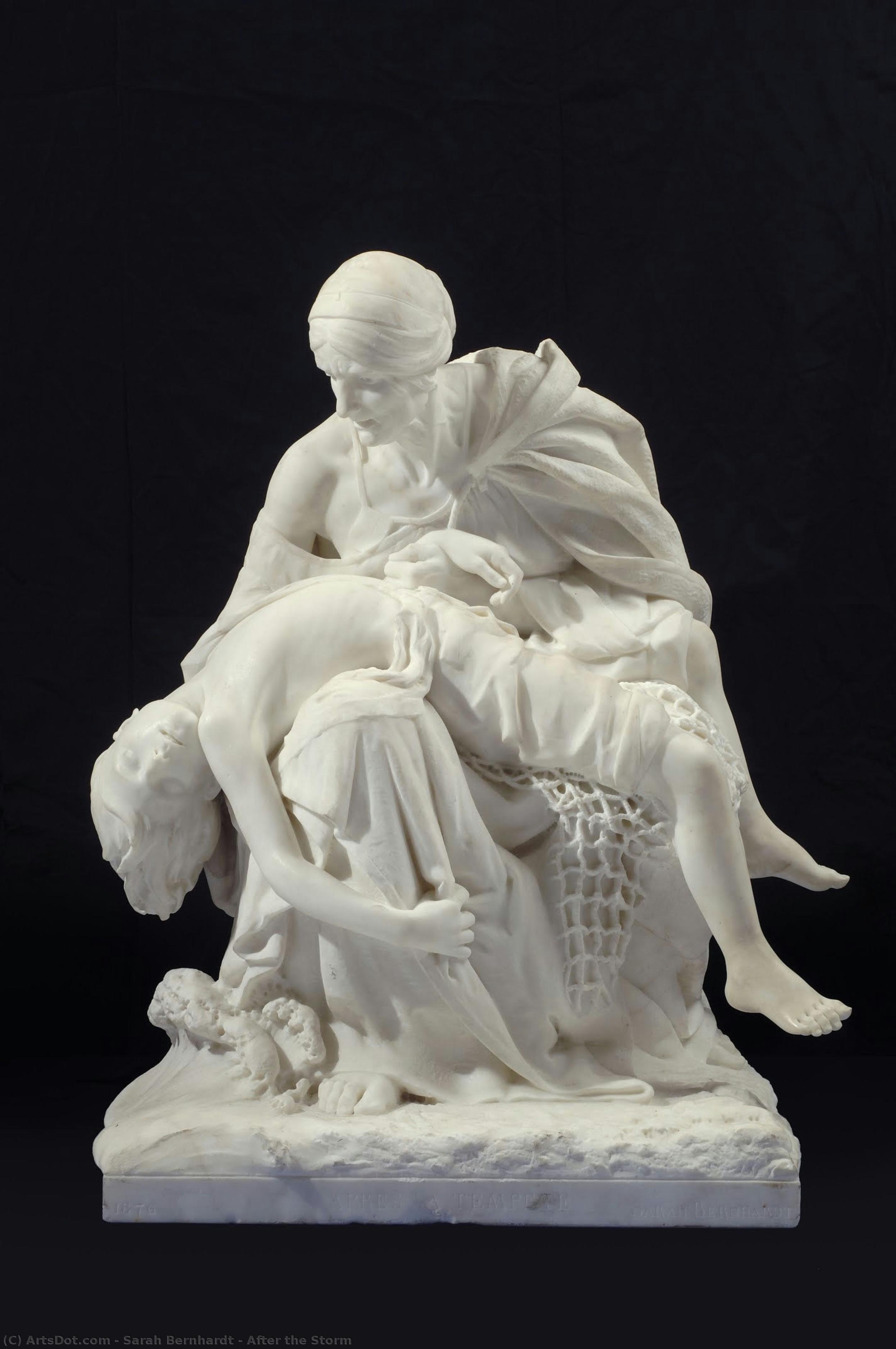
After the Storm

 Vezi mai mult
Lucrarea de artă afișată pe această pagină este protejată de legile privind drepturile de autor, ceea ce înseamnă că nu putem crea sau vinde în mod legal o reproducere identică. Această protecție este garantată prin acorduri internaționale, precum Convenția de la Berna și de legile naționale, inclusiv cele prevăzute de Legea dreptului de autor din S.U.A. – Titlul 17. Toate drepturile rezervate. Orice reproducere neautorizată este interzisă.
Această metodă respectă pe deplin reglementările privind drepturile de autor, deoarece nu implică copierea sau duplicarea operei protejate. În schimb, este o reinterpretare creativă – o pictură nouă, influențată de original, dar care nu este identică cu acesta.
Giclée / Imprimare artistică
Printuri giclée sau pe canvas de calitate muzeală, cu proces de producție rapid și opțiuni flexibile de finisare. ( Comandă pictură realizată manual Comută pe Imagine Digitală)




































Alegeți dintre dimensiunile noastre prestabilite, care respectă proporțiile originale ale operei de artă.

Introduceți lățimea și înălțimea necesare pentru a se potrivi ramei sau peretelui dumneavoastră. O printare poate fi doar tăiată, niciodată extinsă dincolo de dimensiunea imaginii originale, astfel încât o dimensiune cu o formă diferită va pierde o parte din imagine. Vă trimitem o simulare digitală pentru aprobare înainte de a imprima orice. Imaginea afișată pe această pagină nu prezintă tăierea reală — doar simularea arată acest lucru.
Livrare în întreaga lume () în 2 săptămâni, în loc de cele 4/5 săptămâni standard. (4 Noiembrie)

Livrare expres gratuită la nivel mondial

Pânză de in de înaltă calitate

Asigurare completă pentru transport

Garanție de rambursare a taxelor vamale

Garanția fidelității culorilor

Politica de retur în 100 de zile (doar pentru defecte de fabricație)

Garanție de rambursare 100%

Ofertă pentru comenzi multiple
 Opțiunea cu sticlă este disponibilă doar pentru dimensiuni de sub 110 cm

After the Storm
Giclée / Imprimare artistică
Dimensiune reproducere
-


Preț total calculat
lei 300
Întrebări și răspunsuri
Cum echilibrează "After the Storm" lumina și întunericul?
"After the Storm" are deep_shadow în întregime, iar luminozitatea sa este Soft Shadow.
Cum se îmbină contrastul și armonia în "After the Storm"?
Analiza cromatică a operei "After the Storm" de Sarah Bernhardt relevă un Statement contrast și o Discordant Palette armonie.
Cine este artistul din spatele "After the Storm"?
„After the Storm” a fost creat de Sarah Bernhardt. Informațiile de pe această pagină descriu opera originală a lui Sarah Bernhardt.
Opere similare


Biografie artist
The Divine Sarah: A Legend of Stage and Canvas
In the golden twilight of the nineteenth century, few figures commanded the collective imagination of the world quite like Sarah Bernhardt. Known to millions as “the Divine Sarah,” she was far more than a mere performer; she was a living icon, a force of nature who bridged the gap between the theatrical stage and the fine arts. Born Henriette-Rosine Bernard in Paris in 1844, her very essence seemed destined for the spotlight. Raised by a Dutch Jewish mother and a French attorney father, her early years were steeped in a passion for the aesthetic, leading her to study sculpture under masters like Emilio Franchesci. This foundational training in form and detail would later inform her legendary stage presence, allowing her to command space with a sculptural, almost monumental grace that captivated audiences from Paris to New York.
Bernhardt’s ascent to stardom was nothing short of meteoric. Debuting in Racine’s Iphigénie at the Théâtre Français in 1869, she immediately signaled the arrival of a transformative talent. Her ability to inhabit characters with profound emotional depth and dramatic intensity made her the definitive interpreter of the era's greatest works. Whether portraying the tragic vulnerability of La Dame aux Camélias or the commanding strength of Shakespeare’s Hamlet—a role that defied gender conventions of the time—she possessed what Victor Hugo famously described as a “golden voice.” Her performances were not merely acted; they were experienced, characterized by a unique blend of vocal prowess and a physical language that Edmond Rostand called “the queen of the pose and the princess of the gesture.”
A Muse for the Art Nouveau Era
Beyond the footlights, Bernhardt’s influence permeated the visual landscape of her time, making her a central figure in the development of the Art Nouveau movement. Her striking visage and larger-than-life persona became the ultimate canvas for the era's most celebrated illustrators. Most notably, her collaboration with Alphonse Mucha helped define the aesthetic of the period; his iconic posters, which utilized flowing organic lines and intricate ornamentation, were often centered around her image, helping to disseminate both her fame and the Art Nouveau style across the globe. She was a subject that invited much more than simple portraiture; she inspired works that sought to capture her very spirit.
The artistic community of Europe vied for the honor of capturing her likeness, resulting in a rich tapestry of diverse styles:
- Impressionistic Reverie: Artists like Dudley Hardy utilized textured brushstrokes and dreamlike atmospheres to portray her with a sense of melancholy and vulnerability.
- Photographic Precision: Pioneers such as Félix Nadar and Henry Walter Barnett used the burgeoning medium of photography to freeze moments of theatrical intensity, revealing the formidable strength beneath her stage persona.
- Classical Realism: Painters like Jules Bastien-Lepage sought to honor her through meticulous oil portraits that reflected their mutual admiration and the classical beauty she embodied.
A Lasting Legacy of Innovation
The historical significance of Sarah Bernhardt lies in her role as a pioneer who refused to be confined by the boundaries of her era. She was an early adopter of new technologies, utilizing sound recordings to extend her voice far beyond the theater walls, and she embraced the burgeoning film industry to reach even wider audiences. Her career was a testament to the power of self-invention; she moved seamlessly between male and female roles, challenged social norms regarding femininity, and transformed herself into a global brand long before the concept existed. When she passed away in 1923, she left behind more than just a repertoire of plays; she left an indelible mark on the history of performance, a blueprint for the modern celebrity, and a permanent place in the annals of art history as a symbol of eternal, divine creativity.

Detalii rapide
- Artistic Movement Or Style: Art Nouveau
- Artists Or Movements Influenced By This Artist: ['Victorien Sardou']
- Artists Who Influenced This Artist:
- Victor Hugo
- Alphonse Mucha
- Date Of Birth: October 22, 1844
- Full Name: Henriette-Rosine Bernard
- Nationality: French
- Notable Artworks:
- La Dame aux Camélias
- Ruy Blas
- Fédora
- Place Of Birth: Paris, France