


 Vezi în context
 Trimite
 Distribuie
 Detalii
 Ghid
Ghid

 Descarcă
 Produse similare
 Radiografie
 Diaporama
 Statistici
Untitled (DD2CMD)


 Citește mai mult
Giclée / Imprimare artistică
Printuri giclée sau pe canvas de calitate muzeală, cu proces de producție rapid și opțiuni flexibile de finisare. ( Comandă pictură realizată manual Treci la imagine digitală)




































Alegeți dintre dimensiunile noastre prestabilite, care respectă proporțiile originale ale operei de artă.

Puteți introduce propriile dimensiuni pentru a se potrivi unui anumit cadru sau spațiu. Dacă dimensiunea selectată nu corespunde proporțiilor imaginii originale, vom decupa lucrarea de artă sau vom extinde imaginea cu margini oglindite sau cu o culoare uniformă. Un mockup digital va fi trimis pentru aprobarea dumneavoastră înainte de începerea producției.
Vă rugăm să rețineți că previzualizarea de pe ecran nu reflectă decuparea sau extinderea reală. Doar mockup-ul va arăta cu exactitate compoziția finală.
Deși dimensiunile personalizate sunt disponibile, vă recomandăm să selectați o dimensiune din lista predefinită pentru a păstra proporțiile originale.
Livrare în întreaga lume () în 2 săptămâni, în loc de cele 4/5 săptămâni standard. (22 Septembrie)

Livrare expres gratuită la nivel mondial

Pânză de in premium

Asigurare completă pentru transport

Garanție de rambursare a taxelor vamale

Garanția fidelității culorilor

Politica de retur în 100 de zile (doar pentru defecte)

Garanție de rambursare 100%

Reducere pentru comenzi multiple
 Opțiunea cu sticlă este disponibilă doar pentru dimensiuni de sub 110 cm

Untitled (DD2CMD)
Giclée / Imprimare artistică
Dimensiune reproducere
-


Preț total
$ 62
Opere similare


Biografie artist
The Architect of the Portuguese Soul
Raul Lino da Silva, known to the world simply as Raul Lino, was far more than a mere designer of structures; he was a philosopher of space and a guardian of national identity. Born in Lisbon in 1879 to a family of prosperous merchants, his early life was shaped by an international perspective that would later serve as the foundation for his unique architectural synthesis. His formative years took him from the historic streets of Portugal to the classrooms of Windsor, England, and eventually to Germany, where he studied under the influential Albrecht Haupt. This diverse education allowed Lino to absorb the rigorous technical precision of German training while maintaining a deep, soulful connection to the Mediterranean traditions of his homeland. He emerged not as a follower of fleeting European trends, but as a visionary capable of translating historical reverence into a modern architectural language.
The heart of Lino’s enduring legacy lies in his profound Casa Portuguesa theory, a concept he articulated with passion and intellectual rigor in 1929. At a time when much of Europe was swept up in the stark, often impersonal currents of modernism, Lino sought to anchor Portuguese residential life in its own rich cultural soil. He believed that a home should be an organic extension of its landscape and history, embodying the craftsmanship, regional nuances, and symbolic values of the Portuguese people. To Lino, architecture was a vessel for social cohesion and spiritual contemplation; he envisioned dwellings that celebrated the warmth of tradition through the use of local materials and time-honored techniques, ensuring that even as the world modernized, the essence of the Portuguese spirit remained etched in stone and tile.
A Landscape Transformed
Lino’s influence is most tangibly felt along the breathtaking stretch of the Portuguese Riviera, particularly within the enchanting towns of Cascais and Sintra. In these coastal and mountainous regions, his work flourished as part of a summer architecture movement that redefined the aesthetic of the era. He played a pivotal role in the cosmopolitan evolution of Cascais, transforming it into a sophisticated summer retreat for the wealthy and notable, while simultaneously preserving Sintra as a romanticist sanctuary. His constructions in these areas are characterized by a seamless integration with nature, where the boundaries between the built environment and the lush, Atlantic-facing landscape seem to dissolve.
Beyond his physical structures, Lino’s significance is found in his multifaceted contributions to Portuguese culture:
- Architectural Theory: His ability to codify a national style through the Casa Portuguesa provided a blueprint for identity in an era of rapid globalization.
- Design and Literature: As a writer and theorist, he bridged the gap between technical architectural practice and the broader cultural discourse of his time.
- Urban Development: His work in Cascais helped shape the modern social fabric of one of Portugal's most iconic coastal destinations.
- Historical Preservation: By championing historical precedent, he ensured that the medieval and classical influences of Portugal were not lost to the industrial age.
Ultimately, Raul Lino stands as a monumental figure whose work transcends the boundaries of architecture. He was an artist who understood that to build for the future, one must first honor the past. His life’s work remains a testament to the idea that true innovation does not require the abandonment of heritage, but rather its thoughtful and beautiful reimagination.
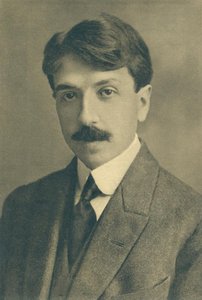
raul lino da silva
1879 - 1974 , Portugal
Informații rapide
- Artistic Movement Or Style: Casa Portuguesa
- Artists Or Movements Influenced By This Artist: ['CIAM']
- Artists Who Influenced This Artist: ['Albrecht Haupt']
- Date Of Birth: November 21, 1879
- Date Of Death: July 13, 1974
- Full Name: Raul Lino da Silva
- Nationality: Portuguese
- Notable Artworks:
- Untitled (DD2CGT)
- Untitled (DD2CMD)
- Place Of Birth: Lisbon, Portugal