

 Previzualizare
 Trimite prin felicitare
 Distribuie
 Detalii despre lucrare
 Ghid
Ghid

 Descarcă imaginea
 Produse similare
 Radiografie
 Galerie foto
 Q&A
Q&A Statistici
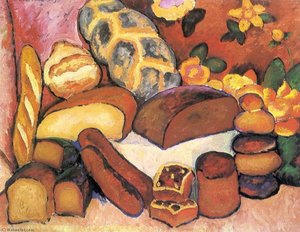
Bread on the green

- 99.0 x 99.0 cm


 Vezi mai mult
Giclée / Imprimare artistică
Printuri giclée sau pe canvas de calitate muzeală, cu proces de producție rapid și opțiuni flexibile de finisare. ( Comandă pictură realizată manual Comută pe Imagine Digitală)




P118B lei10

P118H lei10

P118W lei10

P438Z lei10

P508JH lei12

P508YH lei12

P805H lei10

P805Z lei10

P919BZ lei10

P919G lei10

P919XJ lei10

P959ZH lei10

P968JZ lei12

W106C lei8

W218G lei10

W218JH lei8

W218Y lei10

W307PJ lei10

W316G lei10

W316PJ lei8

W316Y lei10

W398PJ lei8

W4111J lei10

W500HY lei15

W500JH lei15

W692G lei12

W849H lei8

W940BG lei15

W953PJ lei8




Alegeți dintre dimensiunile noastre prestabilite, care respectă proporțiile originale ale operei de artă.

Introduceți lățimea și înălțimea necesare pentru a se potrivi ramei sau peretelui dumneavoastră. O printare poate fi doar tăiată, niciodată extinsă dincolo de dimensiunea imaginii originale, astfel încât o dimensiune cu o formă diferită va pierde o parte din imagine. Vă trimitem o simulare digitală pentru aprobare înainte de a imprima orice. Imaginea afișată pe această pagină nu prezintă tăierea reală — doar simularea arată acest lucru.
Livrare în întreaga lume () în 2 săptămâni, în loc de cele 4/5 săptămâni standard. (2 Noiembrie)

Livrare expres gratuită la nivel mondial

Pânză de in de înaltă calitate

Asigurare completă pentru transport

Garanție de rambursare a taxelor vamale

Garanția fidelității culorilor

Politica de retur în 100 de zile (doar pentru defecte de fabricație)

Garanție de rambursare 100%

Ofertă pentru comenzi multiple
 Opțiunea cu sticlă este disponibilă doar pentru dimensiuni de sub 110 cm

Bread on the green
Giclée / Imprimare artistică
Dimensiune reproducere
-


Preț total calculat
lei 295
A Bounty of Everyday Life: Exploring "Bread on the Green"
To gaze upon Pyotr Konchalovsky's Bread on the green from 1913 is to be invited into a moment of profound, quiet abundance. This still life transcends a mere depiction of foodstuffs; it is a celebration of sustenance, culture, and the simple rituals that anchor human existence. The composition gathers an array of breads—loaves, delicate rolls, and various pastries—arranged with meticulous care upon a striking blue surface. The sheer variety suggests a gathering, a feast awaiting its moment, transforming humble kitchen staples into objects of high artistic contemplation.
Technique and Compositional Harmony
Konchalovsky’s handling of texture is nothing short of masterful. One can almost feel the crusty exterior of the rustic loaves against the soft yielding quality of the pastries. The artist employs a rich, tactile realism that grounds the viewer in the tangible world, yet the arrangement itself possesses an inherent dynamism. Notice the inclusion of the bowl near the center-left; it acts as a subtle anchor, drawing the eye inward while simultaneously allowing the surrounding breads to spill out into a vibrant narrative across the blue plane. The interplay between the warm, earthy tones of the baked goods and the cool, saturated depth of the blue ground creates a sophisticated chromatic tension that elevates the piece beyond simple genre painting.
Historical Echoes and Artistic Context
Painted in 1913, this work emerges from a period when Russian art was undergoing intense ferment. While the subject matter—bread—is timelessly universal, the execution hints at the modernist currents of the time, even if the piece retains a strong sense of traditional craftsmanship. The mention of Cubism in relation to the painting suggests an underlying structural deconstruction; while the breads are recognizable, their placement and overlapping forms invite the viewer to consider form from multiple perspectives. It is art that honors tradition while subtly nodding toward the revolutionary spirit of modern perception.
Symbolism of Sustenance and Domesticity
Beyond its visual appeal, Bread on the green resonates with deep symbolism. Bread has always been a potent symbol—of life itself, of community, and of survival. In this context, the bounty speaks to prosperity and domestic harmony. For collectors and designers alike, owning such a piece is not merely acquiring art; it is curating an atmosphere of warmth, welcome, and enduring comfort for one's space. It suggests a home where nourishment—both physical and artistic—is paramount.
Bringing the Still Life Home
For those considering a reproduction of this magnificent work, know that you are acquiring more than just pigment on canvas; you are inviting a piece of Russian cultural history into your modern life. The rich palette and palpable texture make it an exceptional focal point for dining rooms, libraries, or any space meant to evoke thoughtful repose. It is a masterpiece of quiet grandeur, promising the viewer a moment of appreciative stillness amidst the rush of daily life.
Întrebări și răspunsuri
Din ce perioadă a carierei lui Pyotr Konchalovsky face parte „Bread on the green”?
„Bread on the green” aparține perioadei Early Modern Period din cariera lui Pyotr Konchalovsky. Această clasificare corelează opera cu evoluția artistului.
Ce armonie de culori prezintă "Bread on the green" de Pyotr Konchalovsky?
Armonia cromatică a operei "Bread on the green" este descrisă ca fiind Discordant Palette.
Ce emoție transmite opera de Cubism „Bread on the green”?
"Bread on the green" emană o Calm notă emoțională, specifică mișcării Cubism.
Opere similare




Biografie artist
A Life Immersed in the Russian Artistic Spirit
Pyotr Petrovich Konchalovsky, născut pe 21 februarie 1876, în satul Slavianka, lângă Harkov, a fost mult mai mult decât un simplu pictor; a fost un cronist vizual al Rusiei care trecea printr-o transformare profundă. Călătoria sa artistică s-a oglindit în propriile schimbări tumultuoase ale națiunii, marcate de o căutare constantă a unor forme noi de expresie. Educația lui timpurie l-a impregnat cu un spirit bogat în curente intelectuale și creative. Tatăl său, Petr Petrovich Konchalovsky, era un traducător respectat și editor de artă, iar casa sa din Moscova devenise un centru vibrant, frecventat de artiști de renume precum Valentin Serov, Mihail Vrubel, Vasili Surikov – toți vizitând rezidența familiei după mutarea lor în capitală în 1889. Această expunere timpurie nu a fost doar observativă; a impregnat-o pe tânărul Pyotr cu o apreciere profundă pentru expresia artistică și a pus bazele drumului său viitor. Week-endurile petrecute absorbând capodoperele la Galeria Tretiakov au modelat sensibilitatea sa estetică, inspirată de măreția maeștrilor ruși.From Parisian Influences to Avant-Garde Innovation
Formarea lui formală a început la Școala de Pictură, Sculptură și Arhitectură din Moscova, dar a urmat o perioadă transformatoare în Paris între 1896 și 1898 la Académie Julian. Imersiunea în lumea artistică franceză s-a dovedit a fi revoluționară. A întâlnit opera inovatoare a lui Paul Cézanne și Vincent van Gogh, artiști care au provocat reprezentarea convențională și au explorat noi modalități de percepție a formei și culorii. O călătorie ulterioară în Arles i-a oferit o înțelegere mai profundă a viziunii artistice a lui Van Gogh – o peregrinare în inima intensității expresive. Întoarcerea în Rusia, a continuat studiile la Academia Imperială de Arte din Sânt Petersburg, absolvând în 1907. Cu toate acestea, odată cu întoarcerea sa, Konchalovsky a început cu adevărat să-și modeleze propriul stil distinctiv. A devenit o figură centrală în mișcarea rusă de avangardă, cofondând grupul influent “Jack of Diamonds” (Knave of Diamonds) în 1910. Acest grup a respins tradițiile academice și a pledat pentru experimentare, căutând inspirație nu numai din modernismul european occidental, ci și din arta populară rusă – iconițe, panouri publicitare colorate, cunoscute sub numele de *lubok*. Ca primedinte al grupului, Konchalovsky a jucat un rol vital în modelarea direcției sale și promovarea ideilor sale radicale.Navigating Shifting Ideologies: Style and Subject Matter
Stilul artistic al lui Konchalovsky s-a evoluat de-a lungul carierei sale, reflectând atât explorarea personală, cât și schimbările politice din Rusia. Inițial influențat de Fauvism și Cézanne, primele sale lucrări au fost caracterizate de culori îndrăznețe, forme simplificate și un accent pe structură. Piese precum “Still Life with a Coffeepot” exemplifică această perioadă, prezentând o paletă vibrantă și o compoziție dinamică. După serviciul în armata rusă în timpul Primului Război Mondial, stilul lui Konchalovsky a început să se schimbe. Ascensiunea realismului socialist sub regimul sovietic a impus arta să servească scopurilor ideologice, celebrând idealurile socialiste și reprezentând figuri proeminente. Deși aceasta a marcat o abatere de la explorările sale avangardiste anterioare, Konchalovsky s-a adaptat, devenind cunoscut pentru portrete ceremoniale. În ciuda acestor schimbări, a menținut o voce artistică distinctivă, infuzând chiar și în lucrările sale mai politizate un sentiment de soliditate și monumentalitate. Pe parcursul carierei sale productive – estimate la peste 5.000 de piese – a explorat constant stilizări, peisaje și portrete, demonstrând o versatilitate remarcabilă și o dedicare neclintită artei picturii. Nu s-a conformat pur și simplu; a găsit modalități de a-și exprima sensibilitatea artistică în cadrul unor noi ere.Legacy and Enduring Significance
Contribuția lui Pyotr Konchalovsky la arta rusă este incontestabilă. A legat între modernismul timpuriu și realismul socialist, navigând prin curenți politici complicați, menținându-și în același timp o figură artistică semnificativă. Prima sa expoziție solo la Galeria Tretiakov din 1922 a consolidat reputația sa ca unul dintre cei mai importanți artiști ai Rusiei. Dincolo de propria sa operă, Konchalovsky a cultivat o familie profund implicată în artă; fiul său, Mikhail Petrovich Konchalovsky, a devenit un regizor de film renumit, iar fiica sa, Natalia Konchalovskaya, a fost o artistă remarcabilă. Picturile sale nu sunt doar obiecte estetic plăcute, ci și documente istorice, reflectând perioada tumultuoasă în care au fost create. Ele oferă perspective valoroase asupra evoluției artei rusești și provocările cu care s-au confruntat artiștii operând într-o societate aflată în schimbare rapidă. Abilitatea sa de a se adapta, menținând în același timp un stil distinctiv, l-a consacrat ca o figură cheie în istoria artei rusești, lăsând în urmă un moștenire care continuă să inspire și să captiveze publicul astăzi. Lucrările sale sunt mărturie a rezistenței expresiei artistice în fața crizelor politice, iar influența sa poate fi încă observată în arta contemporană rusă.
Pyotr Konchalovsky
1876 - 1956 , Rusia
Detalii rapide
- Artistic Movement Or Style: Avant-garde, Fauvism, Realism
- Artists Or Movements Influenced By This Artist: ['Mir Iskusstva']
- Artists Who Influenced This Artist:
- Cézanne
- Van Gogh
- Date Of Birth: 21 Feb 1876
- Date Of Death: 2 Feb 1956
- Full Name: Pyotr Petrovich Konchalovsky
- Nationality: Rusian
- Notable Artworks:
- Still Life
- Jack Diamond
- Place Of Birth: Kharkiv, Rusia
Articole similare

Ivan Bilibin: A Synthesis of Folklore, Modernism & National Identity in Russian Illustration
Explore the enchanting world of Ivan Bilibin, a master Russian illustrator who synthesized folklore, Art Nouveau & national identity. Discover his iconic fairy tale illustrations and legacy with ArtsDot.

The Enduring Legacy of Oil on Canvas: Technique, History & Aesthetic Impact
Explore the rich history & techniques of oil painting – from Renaissance masters to Impressionism. Discover pigments, layering methods, and why this timeless medium endures. Expert insights for artists & art enthusiasts.
The Allure of Azure: Exploring the Symbolic & Aesthetic Depths of Blue in Art History
Explore the rich history of blue in art! Discover its symbolism, from ancient pigments to modern masterpieces by Kandinsky & Seurat. Uncover the psychological impact and cultural meanings behind this captivating hue.

Top 10 Capodopere Albastre: Picturi Celebre și Inspirație pentru Decor
Descoperă top 10 picturi celebre dominate de nuanțe subtile de albastru! Explorează poveștile din spatele capodoperelor Monet, Renoir și Van Gogh. Inspirație decor interior & reproducere tablouri pe ArtsDot.com

Oil on Canvas: A Historical & Technical Exploration of a Timeless Artistic Medium
Explore the rich history & enduring techniques of oil painting on canvas. Discover the science behind its longevity, conservation practices, and contemporary relevance. Expert insights for art enthusiasts.
