


 Vezi în context
 Trimite
 Distribuie
 Detalii

 Descarcă
 Produse similare
 Radiografie
 Diaporama
 Statistici
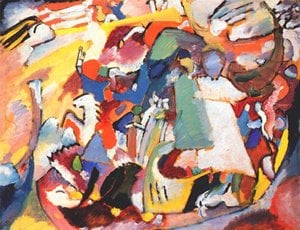
The Three at the Table
 Citește mai mult
Giclée / Imprimare artistică
Printuri giclée sau pe canvas de calitate muzeală, cu proces de producție rapid și opțiuni flexibile de finisare. ( Comandă pictură realizată manual Treci la imagine digitală)




































Alegeți dintre dimensiunile noastre prestabilite, care respectă proporțiile originale ale operei de artă.

Puteți introduce propriile dimensiuni pentru a se potrivi unui anumit cadru sau spațiu. Dacă dimensiunea selectată nu corespunde proporțiilor imaginii originale, vom decupa lucrarea de artă sau vom extinde imaginea cu margini oglindite sau cu o culoare uniformă. Un mockup digital va fi trimis pentru aprobarea dumneavoastră înainte de începerea producției.
Vă rugăm să rețineți că previzualizarea de pe ecran nu reflectă decuparea sau extinderea reală. Doar mockup-ul va arăta cu exactitate compoziția finală.
Deși dimensiunile personalizate sunt disponibile, vă recomandăm să selectați o dimensiune din lista predefinită pentru a păstra proporțiile originale.
Livrare în întreaga lume () în 2 săptămâni, în loc de cele 4/5 săptămâni standard. (17 Septembrie)

Livrare expres gratuită la nivel mondial

Pânză de in premium

Asigurare completă pentru transport

Garanție de rambursare a taxelor vamale

Garanția fidelității culorilor

Politica de retur în 100 de zile (doar pentru defecte)

Garanție de rambursare 100%

Reducere pentru comenzi multiple
 Opțiunea cu sticlă este disponibilă doar pentru dimensiuni de sub 110 cm

The Three at the Table
Giclée / Imprimare artistică
Dimensiune reproducere
-


Preț total
$ 62
Opere similare



Biografie artist
O via dedicată Realismului Analitic
Pavel Nikolayevich Filonov, născut la Moscova în 1883, rămâne o figură profund captivantă și adesea enigmatică în peisajul artei avangardiste ruse. Viața sa nu a fost doar o cronică a creației artistice, ci o căutare filosofică — o persecuție neobosită de a diseca și de a dezvălui însăși esența realității prin metoda sa unică de Realism Analitic. Spre deosebire de mulți contemporani care căutau inovația prin abstractizare sau simplificare geometrică, Filonov a explorat planuri mai profunde, crezând că fiecare obiect posedă o „viață interioară”, un suflet ascuns ce așteaptă să fie descoperit printr-o analiză meticuloasă. Aceasta nu era pur și simplu o chestiune despre *cum* arătau lucrurile, ci despre *cum* existau ele la cel mai fundamental nivel — un concept care i-ar fi definit întreaga traiectorie artistică. Anii săi timpurii au fost marcați de dificultate și pierdere; orfan din tinerețe, s-a simțit atras de scena artistică înfloritoare din Sankt Petersburg, un oraș care avea să devină atât muză, cât și nicovală pentru spiritul său. Deși a urmat inițial o formare academică clasică, a găsit rapid normele stabilite ale realismului rus sufocante, tânjind după o abordare care să depășească simpla aparență superficială a lucrurilor.Genheza Realismului Analitic
Călătoria artistică a lui Filonov a fost profund împletită cu curentul intelectual al epocii sale. Logica riguroasă a lui Bertrand Russell, cercetările epistemologice ale lui G.E. Moore și filosofia lingvistică a lui Ludwig Wittgenstein au rezonat profund cu principiile sale în formare. El a experimentat vast, absorbind influențe, dar a reușit în final să își croiască propriul drum, culminând cu formularea Realismului Analitic. Aceasta nu a fost o revelație bruscă, ci o destilare graduală de idei, un proces minucios de rafinare a viziunii sale până când aceasta s-a cristalizat într-o filosofie artistică coerentă. El a reacționat împotriva ceea ce percepea ca fiind superficialitatea Cubismului, recunoscând încercarea acestuia de a fragmenta formele, dar considerând că acesta se oprea înainte de a surprinde cu adevărat energia și dinamismul inerent unui obiect. Filonov a postulat că fiecare entitate — animată sau neanimată — este compusă din elemente fundamentale: linii, suprafețe, culori și forme. Prin analiza acestor componente, omul putea dezvălui „viața interioară” sau „sufletul” subiectului. Acest proces implica o deconstrucție și o reconstrucție, fragmentarea obiectelor în părțile lor constitutive și reasamblarea lor într-un mod care să transmită structura și esența lor profundă. Canvasurile sale au devenit ecosisteme vibrante de forme fragmentate, linii îndrăznețe și culori intense — o reprezentare vizuală a acestui proces analitic. Nu era vorba despre a picta realitatea așa cum apărea la suprafață, ci așa cum ea era, în esența sa fundamentală.Opere Cheie și Stil Artistic
Producția artistică a lui Filonov, deși relativ redusă ca număr, este remarcabil de diversă și constant fascinantă. Primele sale lucrări, precum Sfânta Ecaterina (1910), demonstrează măiestria sa incipientă în utilizarea culorii și a compoziției, sugerând lentila abstractă prin care va privi în scurt timp temele religioase. Omul cu o Cruce (1913) explorează și mai mult simbolismul spiritual, împletit cu abordarea sa analitică a formei. Lucrările ulterioare, precum Chipuri (1940), exemplifică stilul său matur — compoziții abstracte care seamănă cu măști sau fețe fragmentate, realizate cu o pensulă expresivă ce transmite mișcare și profunzime emoțională. Mama (1916) se remarcă ca o operă expresionistă puternică, plină de intimitate și tulburare, expunând culori vibrante și straturi simbolice. Poate una dintre cele mai revoluționare realizări ale sale este Două Capete (1925), o capodoperă a Realismului Analitic, caracterizată prin abstractizare geometrică și un simbolism complex. O trăsătură definitorie a stilului lui Filonov este suprapunerea densă de forme — o tehnică pe care a folosit-o pentru a crea adâncime, complexitate și un sentiment de energie pulsatorie în compozițiile sale. El construia straturi multiple de vopsea pe pânză, modelând cu grijă modele intricate care păreau să vibreze de viață. Acest proces meticulos nu era doar tehnic; era esențial pentru a dezvălui energiile ascunse pe care el credea că rezidă în toate lucrurile.Moștenire și Influență Perpetuă
În ciuda perioadelălor de obscuritate și suprimare din era stalinistă — o epocă în care arta avangardistă era adesea privită cu suspiciune — contribuțiile lui Pavel Filonov la istoria artei sunt acum larg recunoscute. Este considerat pe bună dreptate o figură pivot în avangarda rusă, un pionier care a îndrăznit să sfideze noțiunile convenționale de reprezentare. Viziunea sa artistică unică și abordarea sa filosofică continuă să inspire artiștii de astăzi, impulsionându-i să exploreze granițele dintre percepție și realitate. Opera sa a fost expusă în instituții prestigioase, precum Galeria Tretyakov, asigurându-i ca moștenirea sa să dăinuie ca o mărturie a puterii gândirii analitice și a potențialului său pentru o expresie artistică inovatoare. Arta lui Filonov nu este doar ceva de privit; este o invitație de a vedea lumea într-un mod nou — de a privi dincolo de suprafață și de a explora adâncurile ascunse ale existenței.
Pavel Filonov
1883 - 1941 , Россия
Informații rapide
- Artistic Movement Or Style: Analytical Realism
- Artists Or Movements Influenced By This Artist: ['Cubism']
- Artists Who Influenced This Artist:
- Bertrand Russell
- G.E. Moore
- Ludwig Wittgenstein
- Date Of Birth: 1883-01-08
- Date Of Death: 1941-12-03
- Full Name: Pavel Nikolayevich Filonov
- Nationality: Rusian
- Notable Artworks:
- St. Catherine
- Man with a Cross
- Faces
- Two Heads
- Place Of Birth: Moscow, Rusia
