

 Previzualizare
 Trimite prin felicitare
 Distribuie
 Detalii despre lucrare
 Ghid
Ghid

 Descarcă imaginea
 Produse similare
 Radiografie
 Galerie foto
 Întrebări și răspunsuri
 Statistici
Number 23, 1951

- 148.0 x 119.0 cm


 Vezi mai mult
Giclée / Imprimare artistică
Printuri giclée sau pe canvas de calitate muzeală, cu proces de producție rapid și opțiuni flexibile de finisare. ( Comandă pictură realizată manual Comută pe Imagine Digitală)




P118B lei10

P118H lei10

P118W lei10

P438Z lei10

P508JH lei12

P508YH lei12

P805H lei10

P805Z lei10

P919BZ lei10

P919G lei10

P919XJ lei10

P959ZH lei10

P968JZ lei12

W106C lei8

W218G lei10

W218JH lei8

W218Y lei10

W307PJ lei10

W316G lei10

W316PJ lei8

W316Y lei10

W398PJ lei8

W4111J lei10

W500HY lei15

W500JH lei15

W692G lei12

W849H lei8

W940BG lei15

W953PJ lei8




Alegeți dintre dimensiunile noastre prestabilite, care respectă proporțiile originale ale operei de artă.

Introduceți lățimea și înălțimea necesare pentru a se potrivi ramei sau peretelui dumneavoastră. O printare poate fi doar tăiată, niciodată extinsă dincolo de dimensiunea imaginii originale, astfel încât o dimensiune cu o formă diferită va pierde o parte din imagine. Vă trimitem o simulare digitală pentru aprobare înainte de a imprima orice. Imaginea afișată pe această pagină nu prezintă tăierea reală — doar simularea arată acest lucru.
Livrare în întreaga lume () în 2 săptămâni, în loc de cele 4/5 săptămâni standard. (12 Noiembrie)

Livrare expres gratuită la nivel mondial

Pânză de in de înaltă calitate

Asigurare completă pentru transport

Garanție de rambursare a taxelor vamale

Garanția fidelității culorilor

Politica de retur în 100 de zile (doar pentru defecte de fabricație)

Garanție de rambursare 100%

Ofertă pentru comenzi multiple
 Opțiunea cu sticlă este disponibilă doar pentru dimensiuni de sub 110 cm

Number 23, 1951
Giclée / Imprimare artistică
Dimensiune reproducere
-


Preț total calculat
lei 300
The Raw Nerve: Paul Jackson Pollock’s Black Pouring
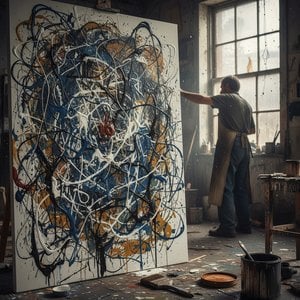
Paul Jackson Pollock's "Number 23, 1951" isn’t merely a painting; it’s an immersion. Created during a pivotal period of his artistic evolution – the “black pourings” – this work represents a deliberate retreat from the vibrant, all-over drips that initially defined his fame and a profound exploration into the subconscious. It's a piece that vibrates with a potent energy, a visual manifestation of anxiety, introspection, and a burgeoning interest in surrealist imagery and psychological depth. The stark monochrome palette immediately commands attention, stripping away any pretense of representational art and forcing the viewer to confront the raw materiality of paint itself.
- The Technique: Pollock’s method here is strikingly precise yet utterly chaotic. He thinned enamel paint – a material he experimented with extensively – to an almost liquid consistency, then employed a large basting syringe to fling and squirt it onto the unprimed canvas. This wasn't a spontaneous act of abandon; rather, it was a carefully orchestrated process, resulting in swirling patterns that seem to both coalesce and disintegrate before your eyes. The slow drying time allowed for an unexpected merging of colors and textures, creating a layered effect reminiscent of geological strata or even the shifting sands of memory.
- The Figures: Embedded within this turbulent field are enigmatic figures – faces, breasts, hands—fragments that emerge from the swirling chaos with a disconcerting immediacy. These aren’t easily deciphered; they're not portraits in the traditional sense but rather symbolic representations of anxieties and desires lurking beneath the surface. Their fragmented nature mirrors the fractured state of the psyche, suggesting a struggle to articulate inner turmoil.
A Surrealist Awakening: Influences and Intent
Pollock’s exploration of black paint wasn't born in isolation. The period coincided with a renewed interest in surrealism, fueled by his exposure to the works of artists like Joan Miró and Max Ernst. He was captivated by the idea of tapping into the unconscious mind, believing that painting could be a vehicle for accessing hidden emotions and symbolic imagery. “Number 23” is therefore a direct response to this influence, a deliberate attempt to bypass rational thought and delve into the realm of dreams and intuition. The absence of a clear narrative or subject matter further reinforces this surrealist impulse, inviting viewers to project their own interpretations onto the canvas.
Historical Context:The painting was created in 1951, a time of significant global upheaval – the Korean War raged on, and anxieties about the Cold War were escalating. Pollock’s work reflects this atmosphere of uncertainty and tension, capturing a sense of unease and psychological strain.
Decoding the Symbols: Faces and the Unconscious
The recurring presence of faces within “Number 23” is particularly intriguing. These aren't idealized or flattering representations; they are distorted, fragmented, and often obscured by layers of paint. Some scholars interpret them as self-portraits—a visual manifestation of Pollock’s own anxieties and insecurities. Others see them as archetypal figures representing primal instincts and unconscious desires. The ambiguity is deliberate, encouraging viewers to engage in a dialogue with the painting and construct their own meaning.
- The Breast/Hand Motif: The prominent presence of what appears to be a breast or hand—a recurring motif in Pollock’s black pourings—has been interpreted as symbols of vulnerability, creation, and perhaps even mortality.
- Fragmented Forms: The overall fragmentation of the figures suggests a sense of psychological disintegration, reflecting the anxieties of the post-war era.
A Legacy in Monochrome: Reproduction and Appreciation
"Number 23, 1951" stands as a testament to Pollock’s groundbreaking approach to painting—a radical departure from traditional techniques and a profound exploration of the human psyche. ArtsDot offers high-quality reproductions that capture the essence of this iconic work, allowing you to bring its raw energy and enigmatic symbolism into your own space. Consider it not just a decoration, but an invitation to contemplate the complexities of the human experience.
Întrebări și răspunsuri
Cum se reflectă emoția în culorile din "Number 23, 1951" de Paul Jackson Pollock?
În "Number 23, 1951", culorile Earthy acompaniază o senzație Melancholic.
Ce emoție transmite "Number 23, 1951" de Paul Jackson Pollock?
Tonul emoțional înregistrat pentru "Number 23, 1951" de Paul Jackson Pollock este Melancholic. Acesta rezumă sentimentul exprimat de operă.
Pot folosi realitatea augmentată pentru a vedea "Number 23, 1951" de Paul Jackson Pollock în camera mea?
„Number 23, 1951” are o previzualizare în realitate augmentată: pagina Previzualizare în AR operei artistice o prezintă în propriul tău spațiu, pe un dispozitiv compatibil.
Opere similare


Biografie artist
Viața timpurie, familia și formarea artistică
Povestea lui Paul Jackson Pollock începe în peisajul aspre din Cody, Wyoming, unde s-a născut pe 28 ianuarie 1912. Fiind cel mai tânăr dintre cinci frați, născut de Stella May McClure și LeRoy Pollock, viața sa a fost marcată de dinamismul vieții de familie. Tatăl său lucra ca geodez, o profesie ce impunea o mișcare constantă prin vastul Vest American. Această existență nomadă a făcut ca primii ani ai tinărului să fie definiți de relocări frecvente, o neliniște care părea să oglindească orizonturile schimbătoare ale muncii tatălui său. Aceste călătorii timpurii prin Vest i-au oferit o întâlnire directă, nemediată, cu lumea naturală și cu rezonanța spirituală a artei Native Americane, impresii care s-ar fi instalat silențios în subconștientul său cu mult înainte de a ține în mână o pensulă.
Pe măsură ce creștea, căutarea unui sentiment de apartenență l-a condus spre energia urbană a coastelor. S-a înscris la Manual Arts High School din Los Angeles, căutând o structură formală pentru impulsurile sale emergente. Totuși, adevărata modelare a stilului său a avut loc mult mai târziu, când s-a mutat la New York City. Acolo, la Art Students League, a început o perioadă lungă și transformatoare de studiu. Între 1929 și 1942, a învățat sub îndrumarea lui Thomas Hart Benton. În timp ce Benton punda accent pe compoziții ritmice și pe greutatea narativă a vieții americane, tânărul student începea deja să se îndepărteze spre propriile sale adevăruri interioare, mult mai abstracte.
Evoluția unei tehnici unice
Până în anul 1947, o schimbare profundă se instalase în modul în care aborda pânza. El s-a îndepărtat de easelul tradițional, alegând în schimb să așeze pânzele direct pe podea. Această transformare i-a permis să stea deasupra operei sale, devenind parte integrantă a actului creativ în sine. Nu se limita doar la aplicarea vopselei; ea picura, stălpăia și arunca culoarea de deasupra, lăsând lichidul să cadă în modele imprevizibile. Această metodă a transformat actul picturii într-o performanță fizică, în care gravitația și gestul dictau forma finală.
Instrumentele sale erau la fel de neconvenționale ca metodele sale. Recurgea la bețe, cuțite și chiar seringi pentru a manipula mediul fluid. Uneori utiliza tiare sau vopsea lichidă pentru a obține texturi specifice. Într-un mod repetat, zgâria suprafața sau folosea obiecte neobișnuite pentru a construi un strat gros de vopsea, adăugând lucrării o calitate tactilă, sculpturală. Acest proces nu era despre un brushwork controlat, ci mai degrabă despre o eliberare ritmică, aproape primordială, de energie pe suprafața picturii.
Opere Cheie și Expresii Artistice
Pe măsură ce se îndepărta de constrângerile easelului, pânzele sale au început să reflecte o interacțiune mult mai viscerală cu mediul pictural. În 1943, a realizat Mural, o operă monumentală ce măsoară aproximativ 2,4 de 6,1 metri, care i-a demonstrat capacitatea de a stăpâni o suprafață vastă. În această perioadă, explorările sale în profunzimile subconștientului și actul de a picta în sine au dat naștere unor lucrări precum Eyes in the Heat, creată în jurul anului 1946. Aceste piese nu erau simple imagini, ci adevărate înregistrări ale unei prezențe fizice, unde mișcarea întregului său corp dicta plasarea fiecărei stropi și a fiecărei acumulări de culoare.
Anii care au urmat l-au purtat spre perfecționarea compozițiilor ritmice de tip „all-over”, care i-ar fi definit renumele. Paul Jackson Pollock a căutat să creeze un sentiment de spațiu nelimitat, unde nicio zonă nu deținea dominanța asupra restului suprafeței. Această abordare este evidentă în Number 1, 1949, o lucrare care surprinde o evacuare brută de energie, și în Lavender Mist, Number 1, 1950, care rămâne o piesă semnificativă a creației sale. În aceste opere, jocul dintre control și hazard creează un echilibru delicat, de parcă vopseaua ar fi fost eliberată, mai degrabă decât aplicată.
Experimentele sale ulterioare au continuat să forțeze limitele modului în care vopseaua poate fi manipulată pe o suprafață orizontală. Folosea adesea bețe, cuțite sau chiar cutiile de vopsea pentru a arunca pigmentul, rezultând în rețele complexe de linii. Această metodă este vizibilă cu claritate în Blue Poles, Number 11, 1952 și în plină energie în Convergence. Prin aceste lucrări, el a atins o stare în care pictura părea să posede propria viață, emergând dintr-o imersie profundă în propria sa imaginație.
Patroni, Atelierul și Comenziile
Triectoria carierei sale a fost modelată atât de necesitățile publice, cât și de generozitatea câtorva susținători vitali. Între 1938 și 1942, a găsit un activitate constantă în calitate de pictor pentru WPA Federal Art Project, o perioadă care i-a oferit ritmul necesar pentru practica sa în continuă evoluție. Această stabilitate a lăsat loc unei alianțe mai personale și transformatoare atunci când Peggy Guggenheim i-a oferit un contract de galerie în iulie 1943. Sprijinul ei s-a dovedit a fi mult mai mult decât unul profesional; în 1945, ea i-a oferit o avans de 2.000 de dolari pentru a-l ajuta să își asigure o locuință, un gest care i-a împletit profund viața personală cu supraviețuirea sa artistică.
Viața sa creativă și-a găsit, în cele din urmă, centrul în East Hampton, New York. Acolo, în cadrul Pollock-Krasner House and Studio, a trăit și a lucrat alături de soția sa, Lee Krasner. Atelierul era un loc al unei mișcări fizice intense, unde granițele dintre artist și pânză se dizolvau. De multe ori, acesta renunța la easelul tradițional, preferând să își așeze pânzele direct pe podea pentru a interacționa cu vopseaua din toate părțile. Acest spațiu de lucru nu era doar o cameră de producție, ci un loc al unei energii profunde și neliniștite, unde au avut loc cele mai radicale experimente ale sale.
Anii de la sfârșit și moartea
Viața personală a artistului era profund împletită cu luptele sale creative. În 1945, acesta s-a căsătorit cu artista Lee Krasner, o uniune care a oferit o prezență semnificativă în viața sa în cei mai transformatori ani ai săi. Totuși, sub suprafața ascensiunii sale profesionale, o umbră persistentă continua să îi pătrulească existența. A luptat cu dependența de alcool pe parcursul întregii sale vieți, o bătălie care i-a complicat adesea existența și capacitatea de a naviga printre presiunile unei celebrități în continuă expansiune.
Această turbulență, atât internă, cât și externă, a atins un sfârșit tragic în East Hampton, New York, SUA. Pe 11 august 1956, la vârsta de 44 de ani, viața sa a fost tăiată de la rădăcină într-un accident violent și neașteptat. În timp ce conducea, a fost implicat într-o coliziune cu un singur vehicul, cauzată de consumul de alcool. Accidentul s-a dovedit a fi fatal, lăsând în urmă o moștenire la fel de tulburătoare ca vopseaua pe care o arunca peste canevasurile sale.
Moștenirea și influența asupra artei moderne
Ecourile metodelor sale radicale au depășit cu mult pereții studioului din East Hampton. Prin ruperea legăturii tradiționale dintre pensulă și easel, Paul Jackson Pollock a devenit o figură centrală a mișcării Expresionismului Abstract, o schimbare care a alterat fundamental traiectoria creativității americane. Prezența sa a ajutat la consolidarea poziției New York-ului ca centru global al artei moderne, mutând inima avangardei departe de dominanța europeană. El a fost printre primii pictori americani recunoscuți ca egali ai marilor maeștri europeni ai secolului XX, demonstrând că un limbaj nou, visceral, putea emana direct din solul Statelor Unite.
Influența sa a acționat ca un catalizator pentru numeroase mișcări artistice ulterioare care au urmat urmele sale. Modul în care a interacționat cu pânza — tratând-o ca pe o arenă pentru acțiunea fizică, mai degrabă decât ca pe o simplă suprafață de reprezentare — a deschis porțile pentru mulți care au căutat să exprime subconștientul prin gest. Această accentuare a procesului de creație în sine a lăsat o amprentă permanentă în istoria artei moderne, asigurându-se că spontaneitatea și neplanificatul vor ocupa pentru totdeauna un loc în arsenalul artistului.
- Number 1, 1949
- Blue Poles: Number 11, 1952
- Convergence
- Autumn Rhythm. Number 30, 1950
Unde pot fi admirate operele astăzi
Pentru a fi martori ai amprentelor fizice ale mișcării sale, trebuie să călătorim către marile instituții care i-au păstrat energia radicală. În New York, Museum of Modern Art găzduiește mai multe dintre pânzele sale, permițând privitorilor să stea în fața compozițiilor vaste și necentrate care au definit epoca sa. National Gallery of Art din Washington D.C. păstrează, de asemenea, lucrările sale, oferind un spațiu pentru a observa rețelele complexe de culoare pe care le-a realizat prin metodele sale unice. Dincolo de Atlantic, Tate Gallery din Londra îi menține prezența vie în colecțiile sale, asigurându-se că influența sa depășește mult țărmurile americane.
Pentru cei care caută o conexiune mai intimă cu procesul său creativ, Pollock-Krasner House and Studio din East Hampton oferă un sentiment profund de autenticitate. Acest loc, desemnat Monument Istoric Național, a fost spațiul în care el și soția sa, Lee Krasner, au trăit și au lucrat. Proprietatea rămâne o legătură vitală cu viața sa, păstrând mediul care i-a hrănit tranziția de la formele tradiționale la metodele spontane, executate direct pe podea, care au schimbat cursul picturii moderne. Parcurgerea acestor spații oferă o perspectivă asupra dimensiunii și a realității fizice a luptei sale creative.
- Number 1, 1949
- Blue Poles: Number 11, 1952
- Mural (1943)
- Convergence

Paul Jackson Pollock
1912 - 1956 , Statele Unite ale Americii
Detalii rapide
- Artistic Movement Or Style: Expresionism abstract
- Artists Or Movements Influenced By This Artist:
- Color Field painting
- Expresionism abstract
- Artists Who Influenced This Artist:
- Thomas Hart Benton
- José Clemente Orozco
- David Alfaro Siqueiros
- Date Of Birth: 1912
- Date Of Death: 1956
- Full Name: Paul Jackson Pollock
- Nationality: American
- Notable Artworks:
- Number 1, 1950 (Lavender Mist)
- One: Number 31, 1950
- Blue Poles: Number 11, 1952
- Convergence
- Place Of Birth: Cody, Statele Unite ale Americii
Articole similare

Francis Bacon: Cele Mai Iconice Lucrări – Artă Expresionistă pentru Decor Rafinat
Descoperă cele mai iconice 25 de lucrări ale lui Francis Bacon – picturi expresioniste pline de emoție și forță. Explorează biografia artistului, tehnicile sale unice și impactul asupra artei moderne. Reproduceri artă de calitate muzeală pe ArtsDot.com!
Paul Jackson Pollock: A Radical Departure – Exploring Abstract Expressionism's Pioneering Figure and His Enduring Legacy
Explore the revolutionary art of Jackson Pollock & Abstract Expressionism. Discover his iconic drip paintings, lasting impact, and considerations for collecting this pivotal American artist. Expert insights at ArtsDot.

Beyond Shapes: 10 Iconic Abstract Masterpieces That Redefine Art
Journey through history with 10 iconic abstract masterpieces. From bold expressionism to geometric elegance, discover the stories behind these timeless works. Find museum-quality art reproductions and curated decor inspiration. Explore the full collection online at ArtsDot.com.

Beyond Reality: Exploring Symbolism's Influence on Modern Art & Psychological Expression
Explore the captivating world of Symbolism! Discover key artists, psychological themes & its lasting impact on modern art. Expert insights for collectors and enthusiasts at ArtsDot.

Top 10 Capodopere ale Expresionismului Abstract: Artă, Artiști și Decorațiuni de Lux | ArtsDot.ro
Descoperă Top 10 capodopere ale Expresionismului Abstract! Explorează poveștile lui Pollock, Rothko și De Kooning. Reproduceri de artă de lux & inspirație decor pe ArtsDot.ro. Găsește pictura perfectă pentru spațiul tău!


